Breaking a promise to never write about vacations (or outdoor furniture arrangements), I’m posing some pics of a few wildflowers I observed when I visited Rocky Mountain National Park in late June/early July.
According to most sources, there are about 1000 species of wildflowers in Rocky Mountain National Park. Unseasonably hot in the Rockies when I visited, the wildflowers were at their peak, even in the alpine area. The Rockies experienced drought conditions for the past year or so with little snow during winter and limited spring/early summer rain. That said, there were so many beautiful wildflowers in all elevations. This Texas girl is impressed.
The park’s elevations are categorized as montane, subalpine and alpine. The montane ecosystem, located between about 5,600 and 9,500 feet in elevation hosts a large variety of the larger pines and meadow shrubs and flowers. Depending upon whether the slope faces north or south, the soil is moist or dry. The subalpine ecosystem, located between about 9,000 and 11,000 feet has large trees, fewer small shrubs, but many annual and perennial wildflowers. Above 11,000 feet is the alpine ecosystem. This area is above the tree line and experiences harsh and rapidly changing weather conditions for much of the year. There are no tall trees, only low growing plants and the area is tundra. In this area, about 350 species of wildflowers exist and thrive.

One of the first flowers I noticed was the Alpine Bistort (Polygonum viviparum) because it was everywhere along the slopes in the alpine region. I realized that this flower commonly grew at the lower elevations, as well. The lower elevation species of Bistort is the American or Western Bistort (Polygonum bistortoides). Alpine plants tend to be smaller in height and cling closer to the ground to withstand the harsh winds and cold temperatures. The Bistort are a good example of this adaptation: Alpine Bistort are about 4-6 inches tall, while American Bistort sport flower spikes to about 12 inches or more. I love the white inflorescence on the single stem of Bistort. This flower brightens meadows and forests alike.

According the knowledgeable and enthusiastic park rangers, the Alpine Bistort is typically pollinated by flies because it’s too cold for bees and the American Bistort is pollinated by bees and butterflies. Interestingly, the Alpine Bistort is less sweet-smelling (stinky, in fact), which attracts flies, while the American Bistort has a sweeter fragrance, which makes the bees happy.
Another common plant found at all elevations is the Yellow Stonecrop (Amerosedum lanceolatum).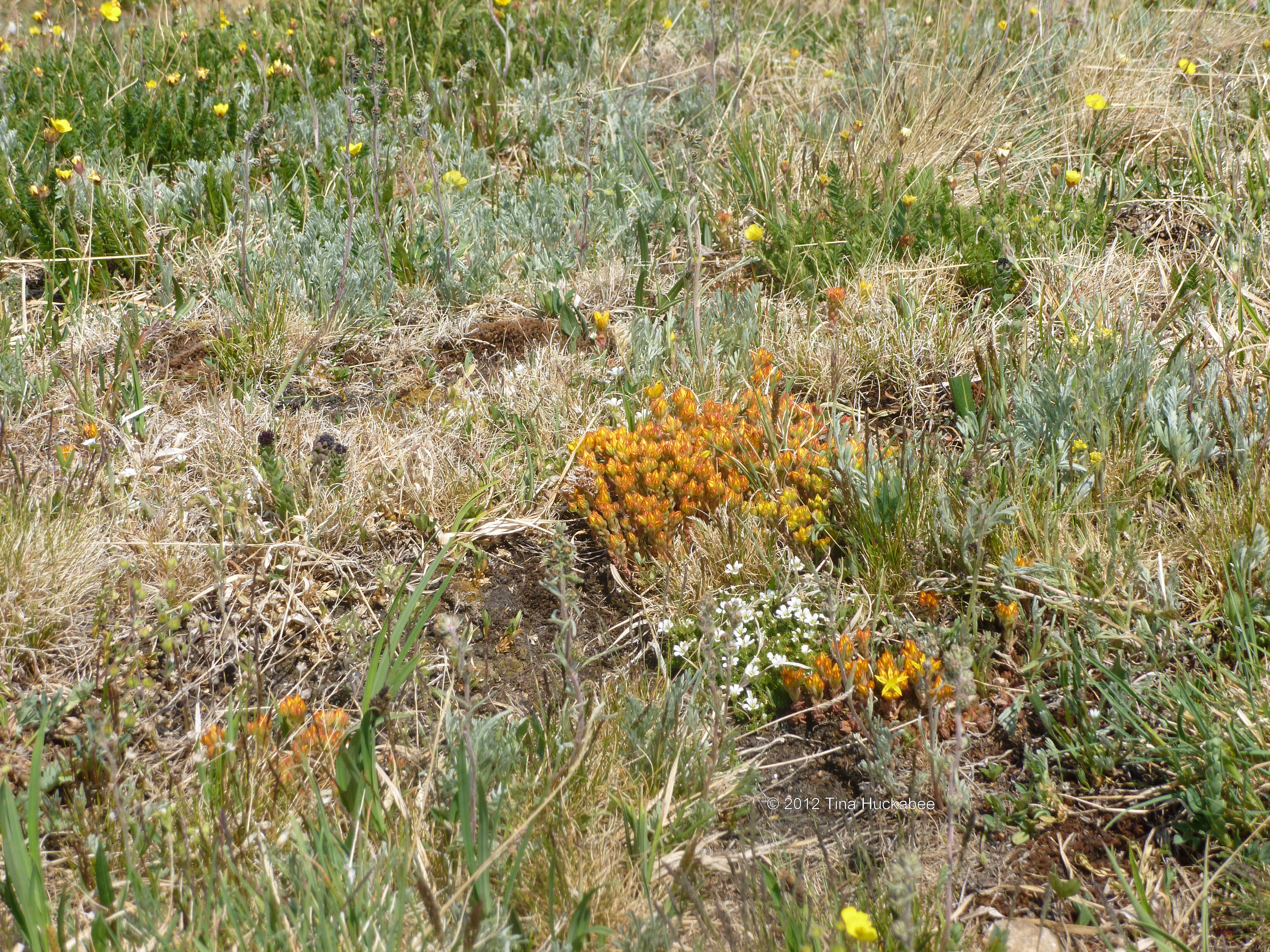 I noticed that the Stonecrop plants in the tundra had orange in the stem and flower parts of the plants and I was informed by a park ranger that those plants have more “anti-freeze” to withstand the normally deep snow and sub-zero temperatures of the long winter months. The Stonecrop plants in lower elevations tended toward a pure yellow.

One more commonly growing plant at all elevations is the Shrubby Cinquefoil (Dasiphora fructicosa ssp. floribunda)

 In both photos, the pretty, bright yellow flower grows alongside Pearly Everlasting (Anaphalis triplinervis).
I think Chiming Bells are my favorite flowers in the Rockies.
In both photos, the pretty, bright yellow flower grows alongside Pearly Everlasting (Anaphalis triplinervis).
I think Chiming Bells are my favorite flowers in the Rockies.
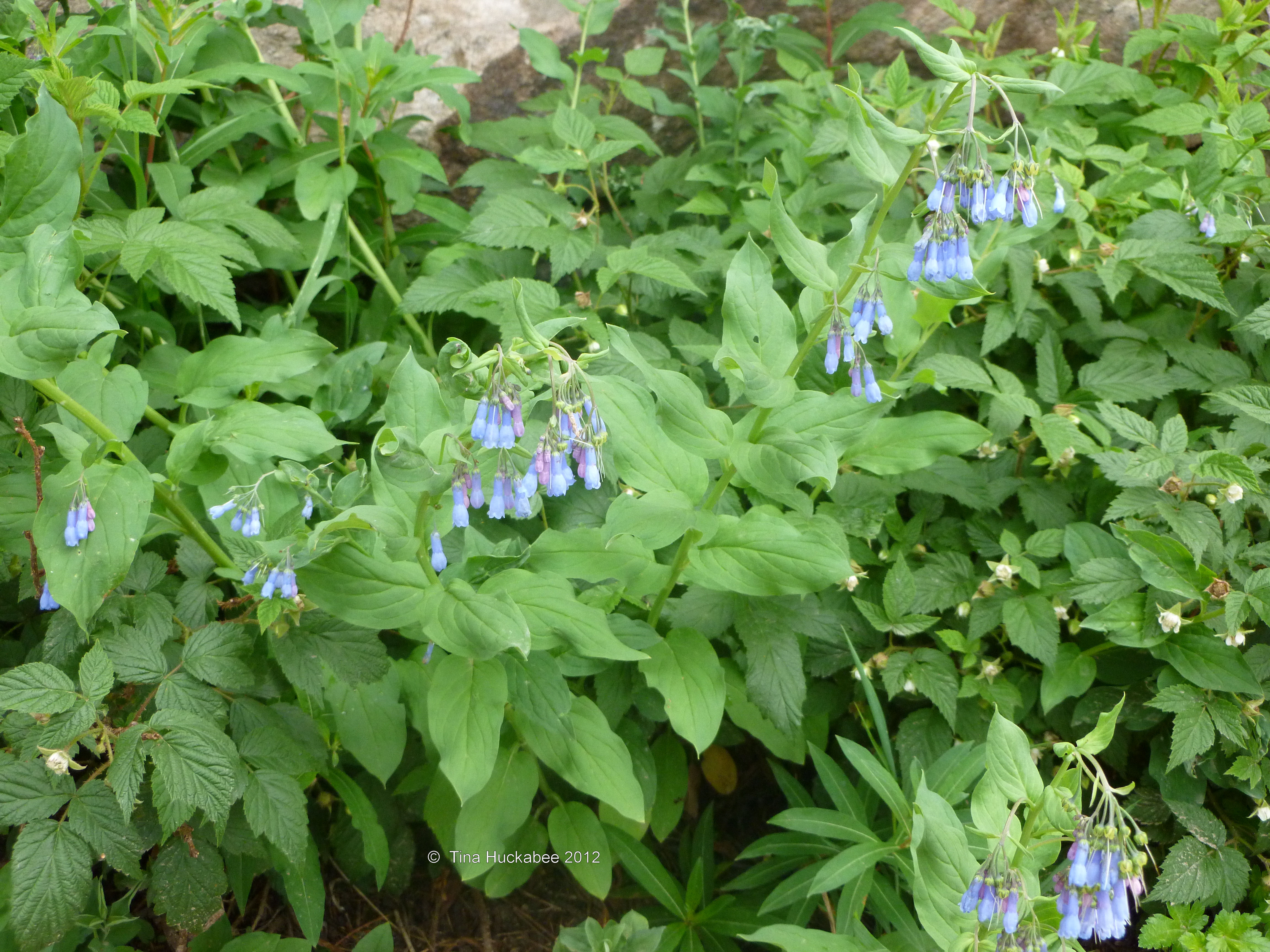 The opened, drooping flowers are blue, but those that haven’t yet opened are lavender–such a lovely combination.
 There are two varieties of Chiming Bells in the park: the Tall Chiming Bells (Mertensia ciliata) and Lanceleaf Chiming Bells (Mertesia lanceolata).
The Old-Man-of-the-Mountain (Rydbergia grandiflora),
There are two varieties of Chiming Bells in the park: the Tall Chiming Bells (Mertensia ciliata) and Lanceleaf Chiming Bells (Mertesia lanceolata).
The Old-Man-of-the-Mountain (Rydbergia grandiflora),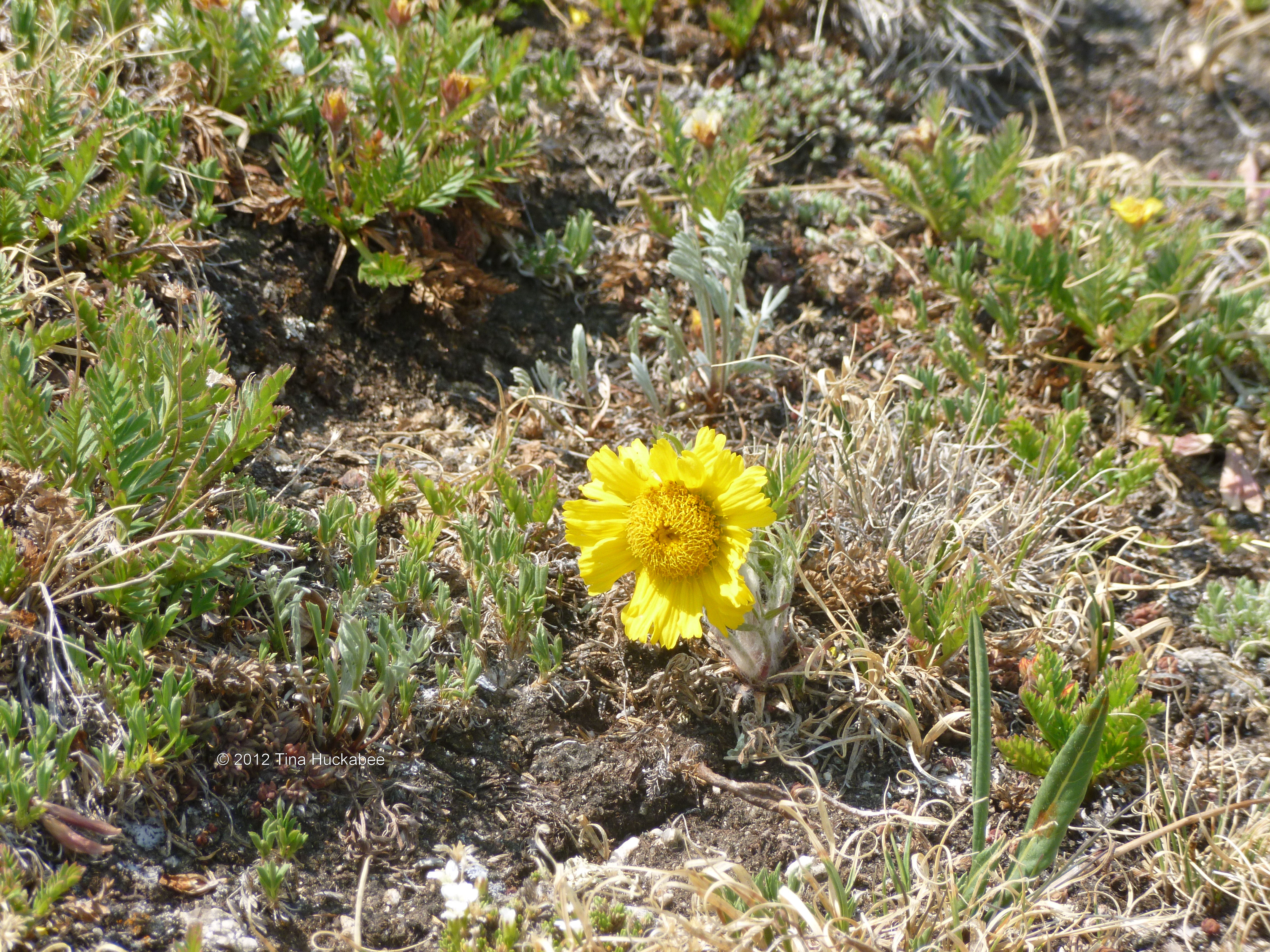 is a tundra sunflower which blooms only after a couple of decades of growth. It sets its seeds, then dies. One reason that park officials discourage hikers from walking in certain areas of the tundra is that tundra plants are vulnerable to damage from hikers. Walk lightly, y’all.
Cow Parsnip (Heracleum maximum) was everywhere. (It’s the white flower below.)
is a tundra sunflower which blooms only after a couple of decades of growth. It sets its seeds, then dies. One reason that park officials discourage hikers from walking in certain areas of the tundra is that tundra plants are vulnerable to damage from hikers. Walk lightly, y’all.
Cow Parsnip (Heracleum maximum) was everywhere. (It’s the white flower below.)
 Seen here, it’s consorting with Dusky Beardtongue or Whipple’s Penstemon (Penstemon whippleanus). Isn’t that an AWESOME name? Whippleanus. (Yes, I do live with an adolescent male.)
Wild Rose (Rosa woodsii) grows in most areas of the park,
Seen here, it’s consorting with Dusky Beardtongue or Whipple’s Penstemon (Penstemon whippleanus). Isn’t that an AWESOME name? Whippleanus. (Yes, I do live with an adolescent male.)
Wild Rose (Rosa woodsii) grows in most areas of the park,
 but I didn’t see any in the tundra.
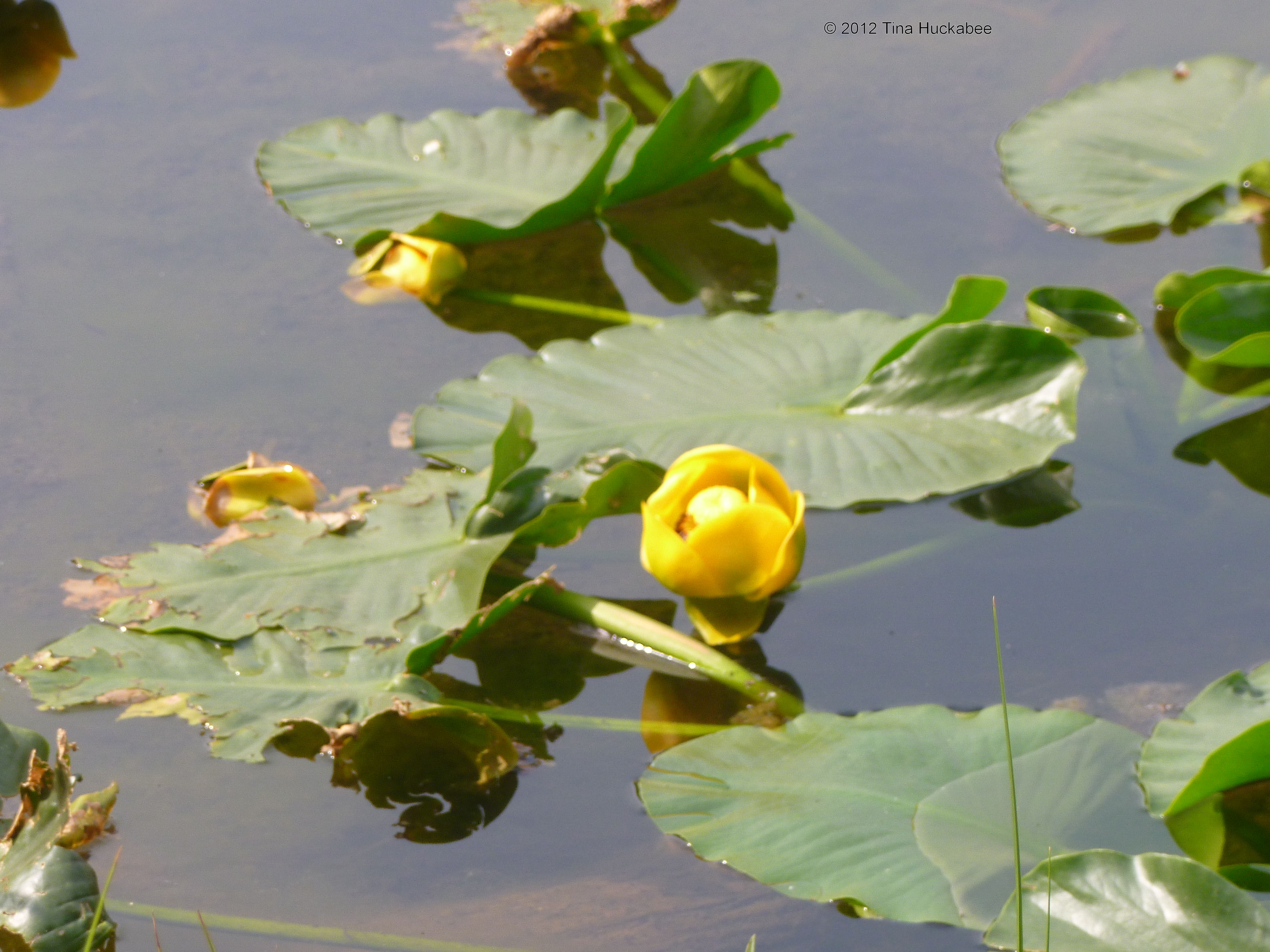
My second favorite hike is a trail which leads to a series of three lakes. The second of the three, Nymph Lake, has water lilies atop throughout the summer months.
but I didn’t see any in the tundra.
My second favorite hike is a trail which leads to a series of three lakes. The second of the three, Nymph Lake, has water lilies atop throughout the summer months.
 This water-lily (Nuphar lutea ssp. polysepula), is a common lake lily in the western part of the United States.
 I don’t have the time or knowledge to post about all of the flowers I was fortunate to see. Suffice to say that there are lots of wildflowers in Rocky Mountain National Park and I’m grateful for the foresight and wisdom of those who set aside this magnificent area for all to enjoy. I appreciate the many employees and volunteers in the Rocky Mountain–National Park Service whose knowledge, enthusiasm and love maintains the integrity and beauty of this special place.
I’ll definitely make another trip,
I don’t have the time or knowledge to post about all of the flowers I was fortunate to see. Suffice to say that there are lots of wildflowers in Rocky Mountain National Park and I’m grateful for the foresight and wisdom of those who set aside this magnificent area for all to enjoy. I appreciate the many employees and volunteers in the Rocky Mountain–National Park Service whose knowledge, enthusiasm and love maintains the integrity and beauty of this special place.
I’ll definitely make another trip,
 I’ll just have to remember to pack the llamas.
 My Gardener Says...