Foliage Follow-up, September 2014

As with our blooms, the Central Texas foliage perks up with September rains, shorter days, and the suggestion of cooler temperature ahead.  I join with Pam at Digging to celebrate the end of summer, new beginnings for autumn, and all things leafy.

The pond garden is a riot of fascinating foliage.  Just take a look! P1070046.new

Lots of foliage action in this shot!  Clockwise from the bottom, the actual water plants include the lily pads of the two lilies I grow (Colorado and Claude Ikins), the Ruby Red Runner, and the showy leaves of the Pickerel RushPontederia cordata.   All three pond plants contribute to the biological filtration of my pond, though I also have a mechanical filter.

Continuing with the tour d’ foliage, the plants adjacent to the pond include tropical Yellow Bells, Tecoma stans, Soft-leaf Yucca, Yucca recurvifolia, Firecracker Plant, Russelia equisetiformis, Martha Gonzales Roses, Iris, Autumn Sage, Salvia greggii, and Mexican Feathergrass, Nassella tenuissima.  All of these perennials sport differing widths, textures, and colors of leaves.

P1070034.new

Ruby Red Runner dies back in the winter, but by late summer into fall it’s full-on lovely and spreading.

P1070042.new


P1070035.new

It’s seeded out in several places around the pond. This plant, usually used as a waterfall biological filter and prized for its attractive foliage, produces teensy puff-ball flowers,

IMGP0402_cropped_3073x3308..new

…which go to seed, thus, the spread.

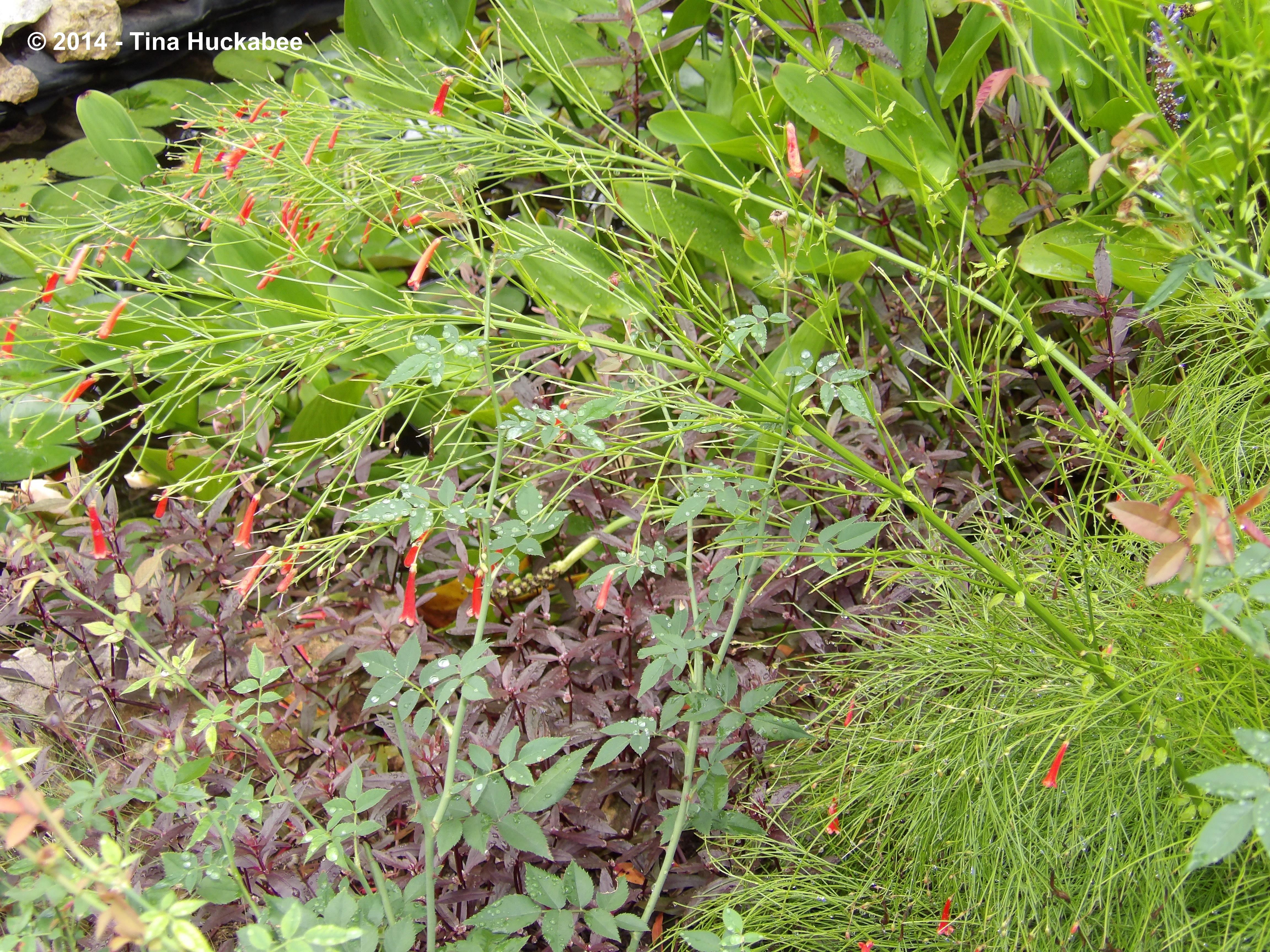
Another view of the plants near the pond…
20140914_19.new

Not much blooming in those photos, but a variety of leaf beauty.

I particularly like these water shots with the creeping roots of the Ruby Red Runner, spreading its spidery fingers toward the lily pads,

P1070057.new

P1070056.new

…as if the roots are creeping outward to grab the pads.  Or maybe they’re just reaching out for a watery hug!

The soft, elegant foliage of Lindheimer’s Senna, Senna lindheimeriana,

20140914_11.new

lends structure to, but also softens the back of my garden.  Combined with the bright green leaves of the Yellow Bells and spiky, but matching-in-color American Century Plant, Agave americana,

P1070358.new

20140914_14.new

…the Senna fits well in this spot.

The morning after a recent rain,  the foliage of the Purple Heart, Setcreasea pallida, retained droplets along its edges.

20140914_54.new

With “traditional” autumn coloring, (which doesn’t happen for Central Texas on a large-scale until late November/December), the plumes of the Maiden Grass, Miscanthus sinensis ‘Adagio’, beautifully complement the flowers of Turk’s CapMalvaviscus arboreus, and the orange blossoms of Flame Acanthus, Anisacanthus quadrifidus var. wrightii.

P1070133.new

Here’s a closer look at the inflorescence of the Maiden Grass.IMGP0268.new

Along with the orange-y and autumn-y color theme, this new ceramic container is planted with the ‘Color Guard’ YuccaYucca filamentosa ‘Color Guard’, accompanied by Woolly Stemodia, Stemodia lanata.

P1070197.new

The container sits amidst a nest of blooming and berrying Pigeonberry, Rivina humilis.

What interesting foliage is gracing your garden space now?  Celebrate foliage in your gardens and learn about other foliage by visiting Digging for September Foliage Follow-up.


Bloom Day, September 2014

September heralds a change from the blisteringly hot to the merely hot in Austin, Texas. This gardener welcomes that subtle, but fundamental change:  the shorter days, the approaching autumn cool and if we’re lucky, some rainy days ahead.  Thanks to Carol at May Dreams Gardens for hosting this lovely blogging meme celebrating all that flower.

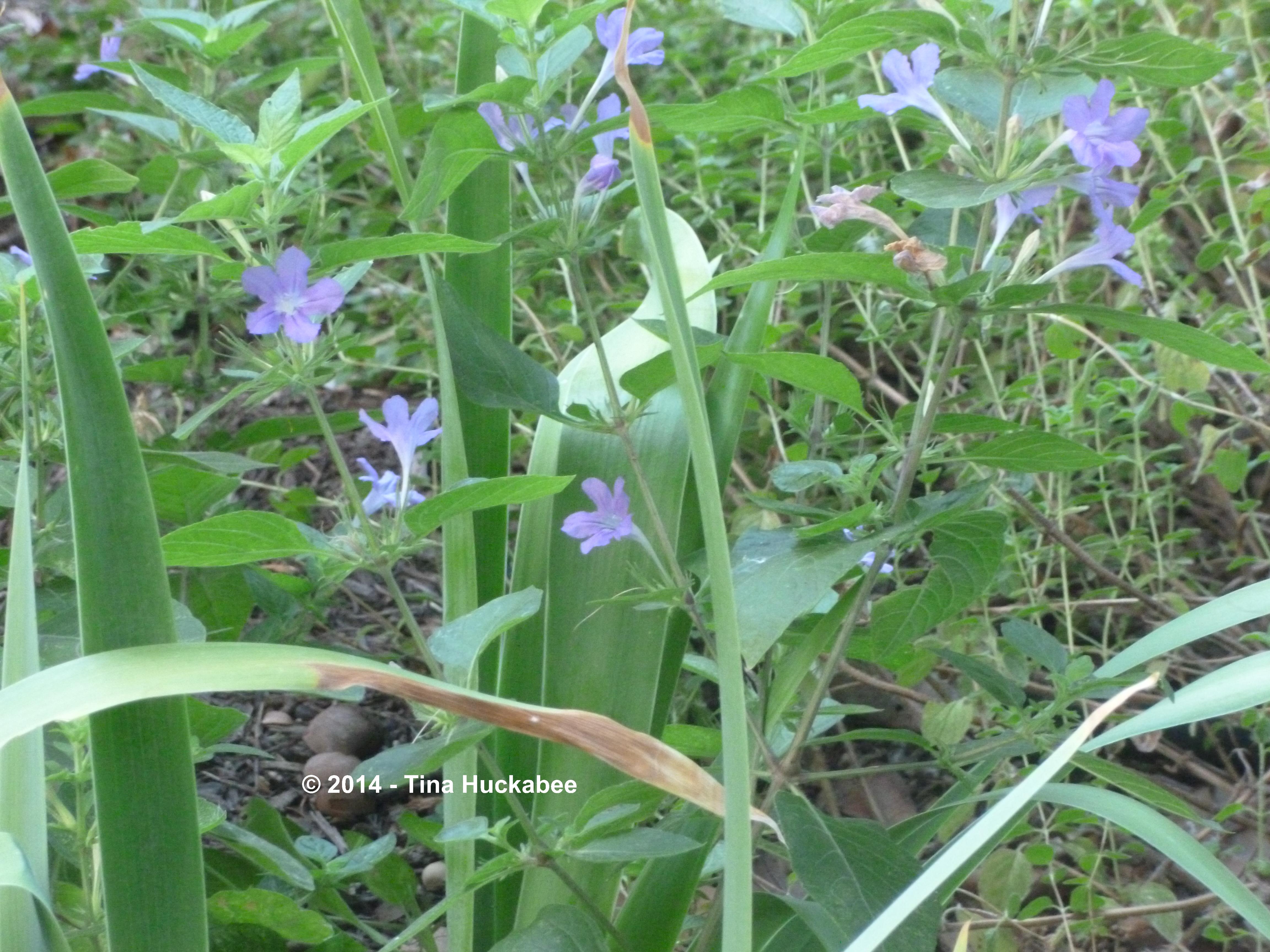
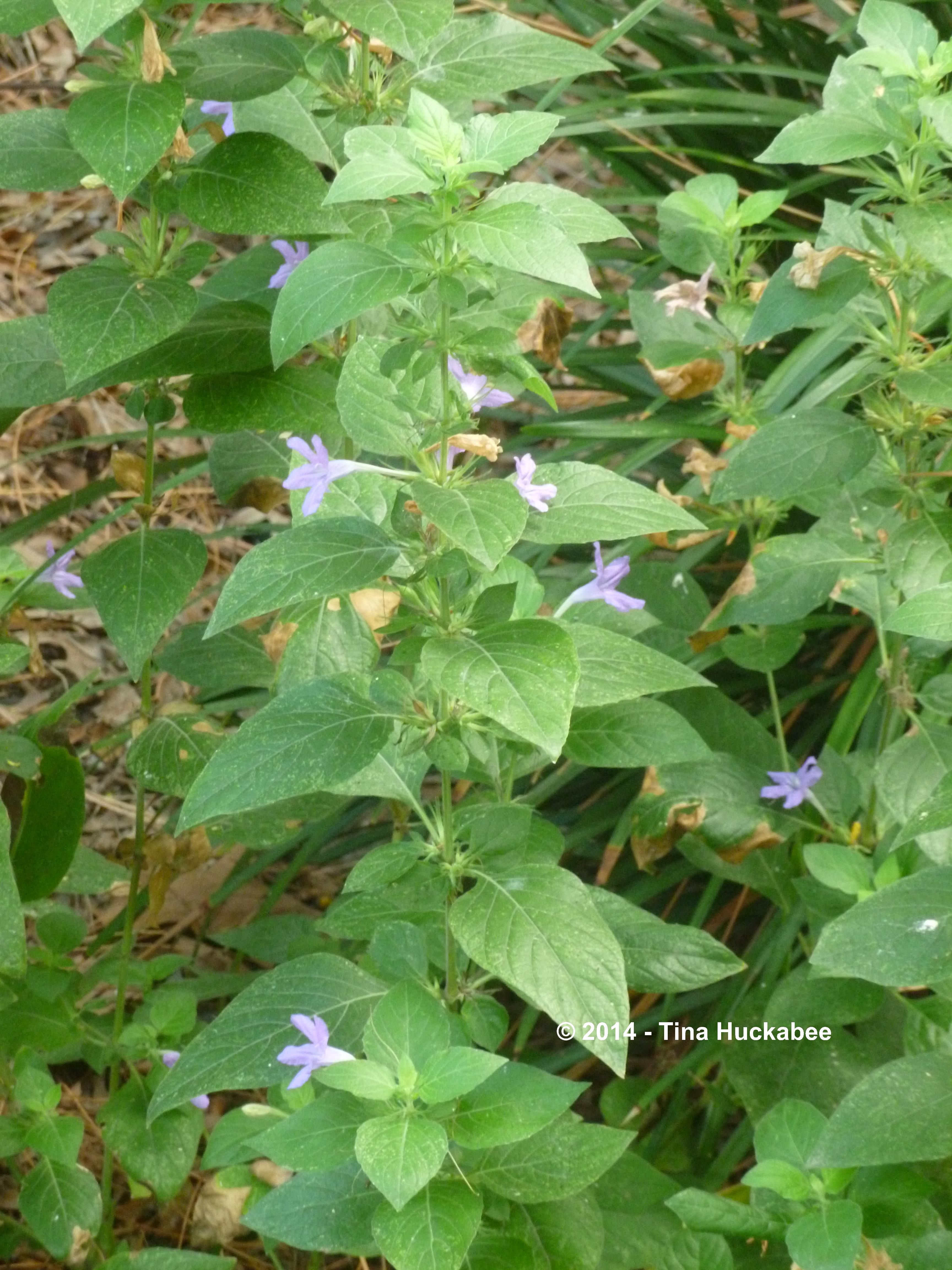
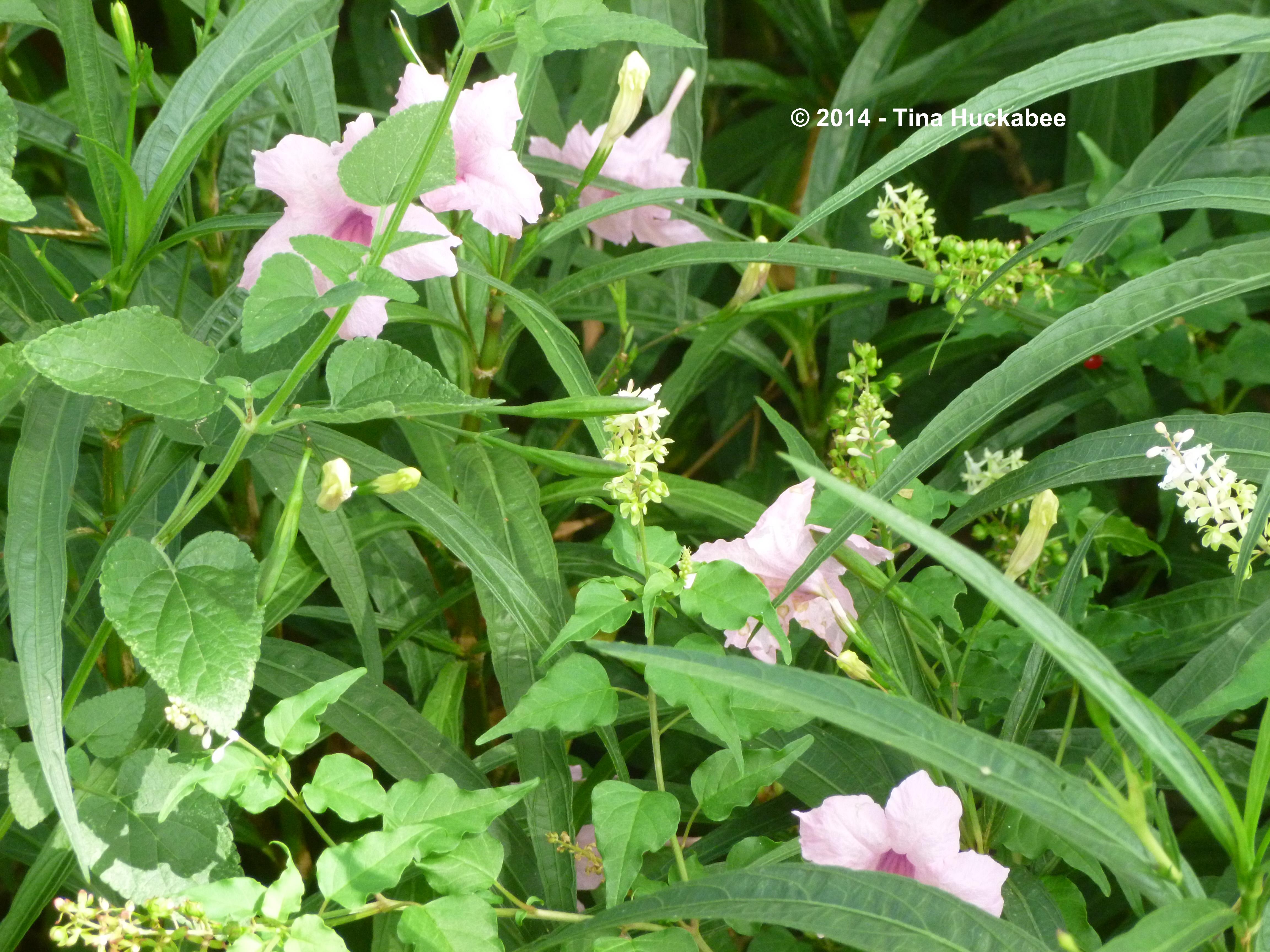
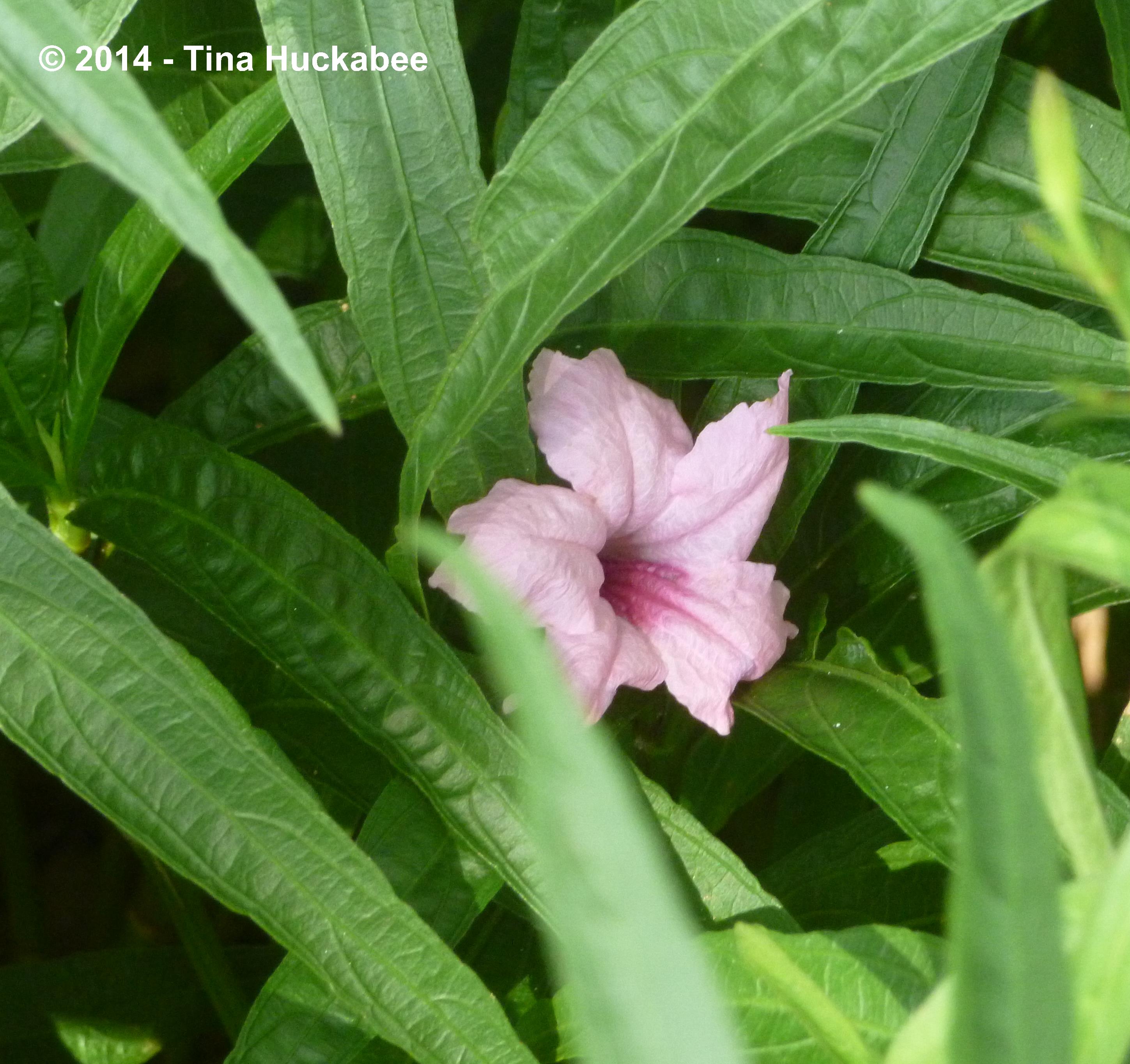
It’s somewhat about the Ruellia this time of year in my gardens.  I grow both a native, Drummond’s Wild PetuniaRuellia drummondiana, like these cuties peeking out through foliage,

P1060988.new

…and these that aren’t  quite so shy.

P1070020.new

P1070097.new

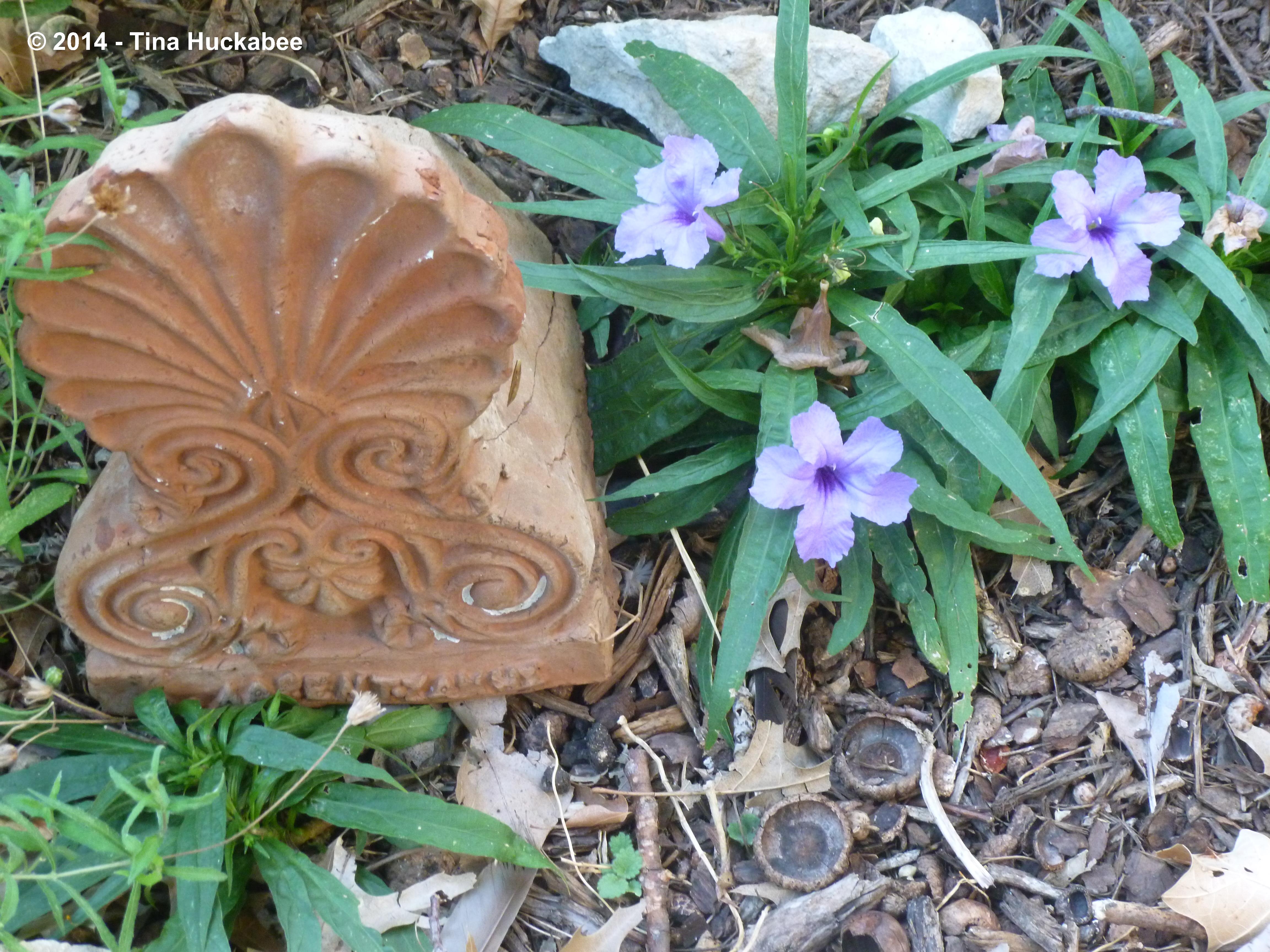
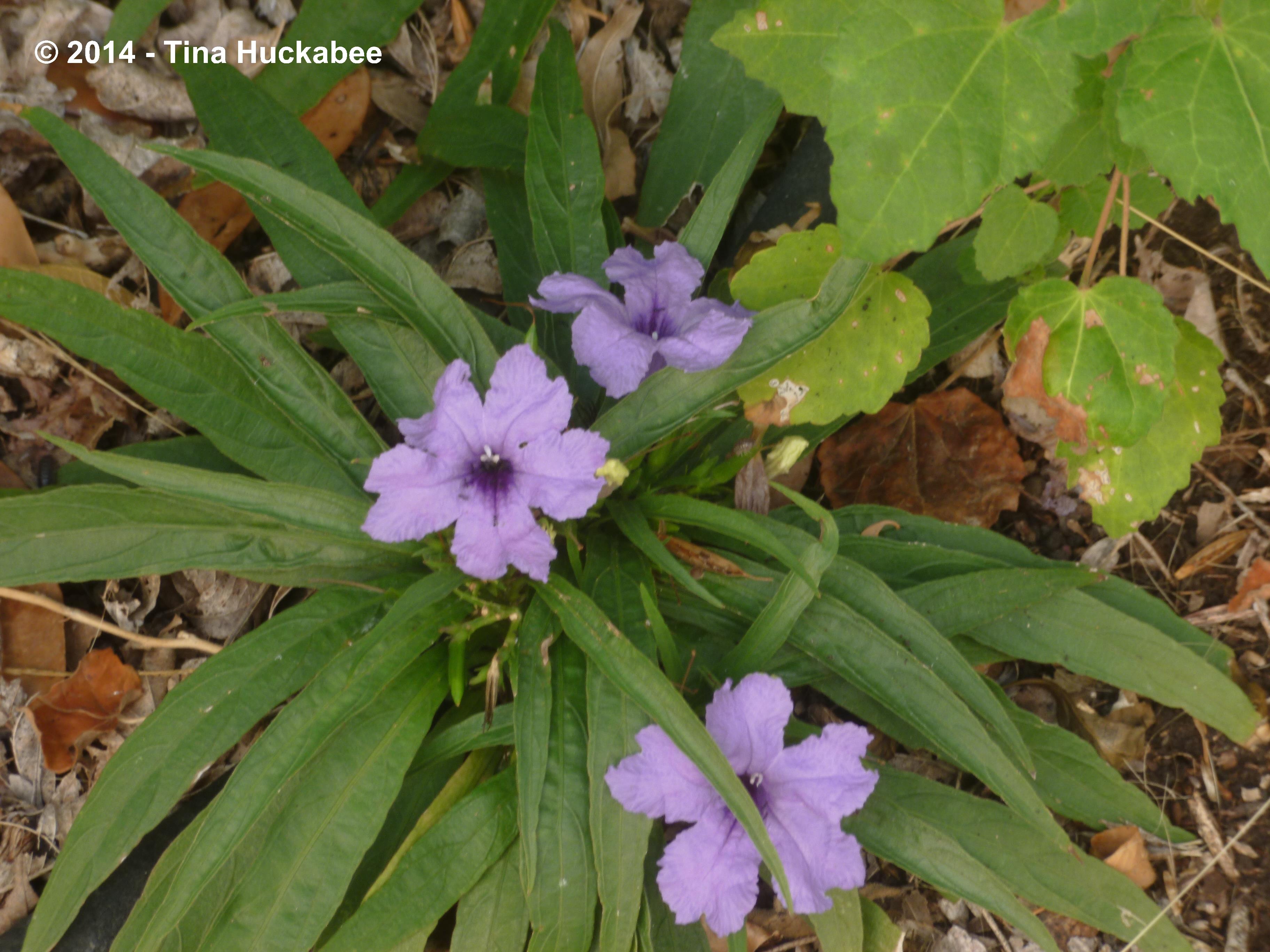
I also grow a well-behaved cultivar, the Katie’s Dwarf Ruellia, Ruellia brittoniana, ‘Katie’s Dwarf’,  blossoming beautifully during the late summer and autumn months.

P1070092.new

P1070094.new

P1070191.new

Additionally, a less mannerly variety, the Chi-Chi Ruellia, Ruellia brittoniana ‘Chi-Chi’, makes its home in my gardens.  Here is it nicely co-mingling with the blooming and berrying PigeonberryRivina humilis,

P1070407.new

…and flowering alone.

P1070408_cropped_2898x2728..new

I love the first two Ruellia species and have a complicated relationship with the third.

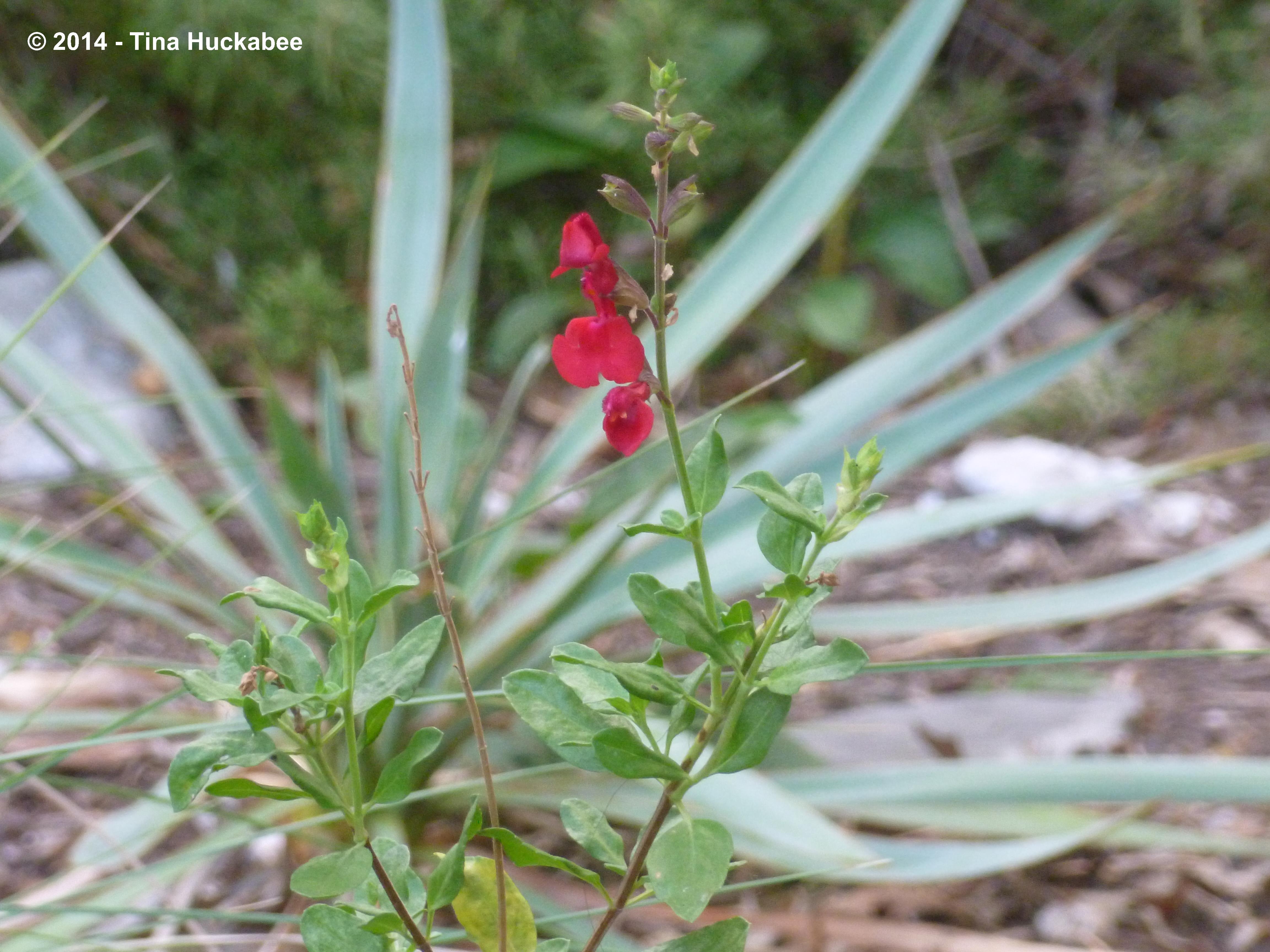
The various Salvia in my gardens, like this red Autumn SageSalvia greggii,

P1070091.new

…really strut their stuff in the fall. Flowers that appear on and off during our hot summer, the blossoms on these woody, native shrubs will consistently impress both pollinators and gardeners throughout our productive autumn months.

A different salvia, the white Tropical SageSalvia coccinea, was knocked back this past winter with our  late freezes,

P1070014.new

…but are lush with snowy, bee-friendly blooms now and will bee that way until there is a killing frost.

Rock RosePavonia lasiopetala, opens its Barbie Doll Pink blooms each morning, remaining open longer as the days get shorter.

P1070218.new

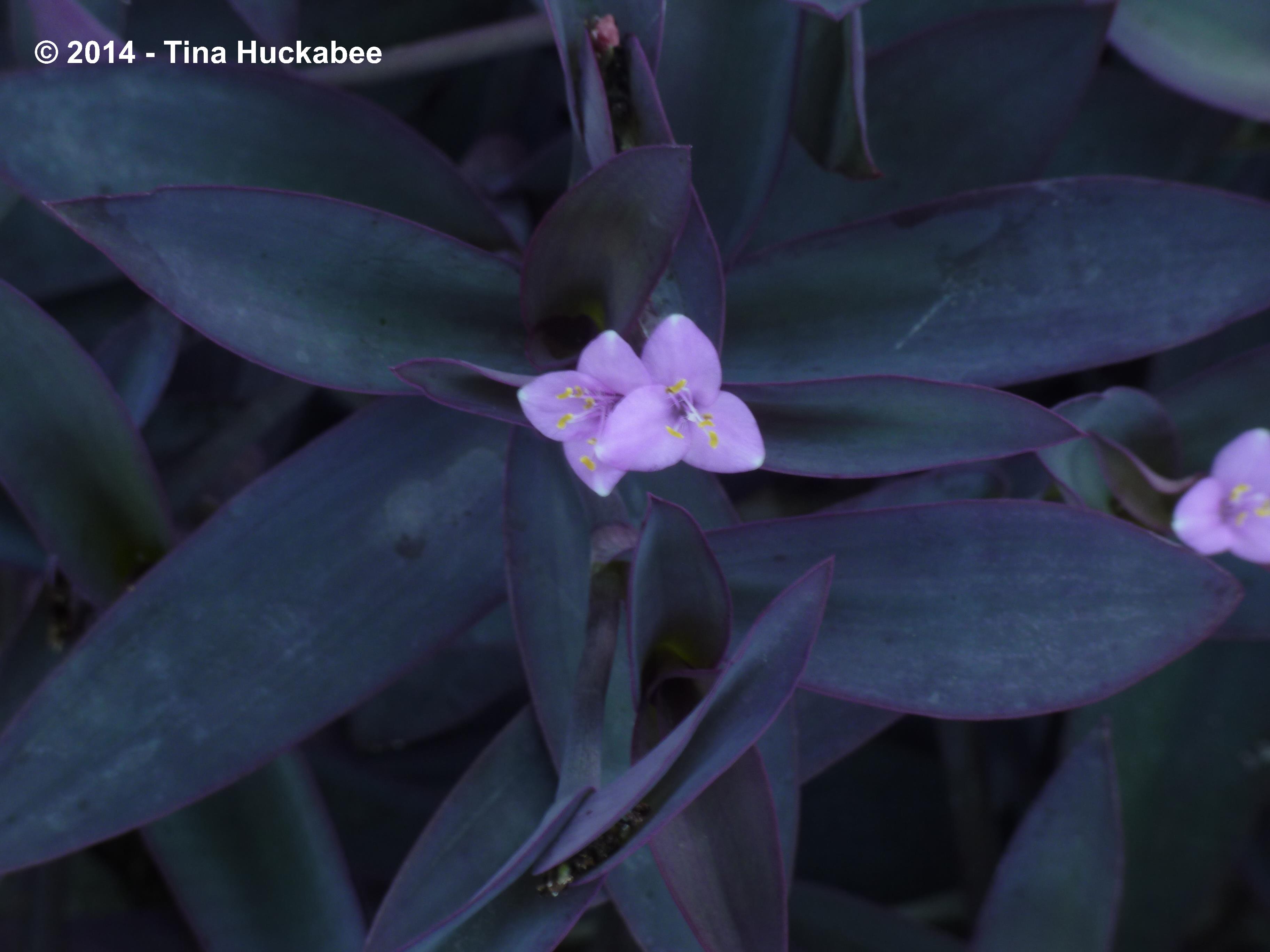
Another perennial with pretty-in-pink blossoms, is the Purple Heart, Setcreasea pallida ‘Purple Heart’.

P1070230.new

I grew up with Purple Heart rampant in my mother’s garden–I have warm memories of playing near stands of this naturalized ground cover with its dramatic purple foliage and charming blossoms.

Sweet Basil produces tiny flowers for pollinators,

P1070245.new

… and the native, wildlife perennial, Lindheimer’s Senna, Senna lindheimeriana, blooms from August into September for the pollinators, then sets seeds for the birds later in fall.

P1070372

P1070361.new

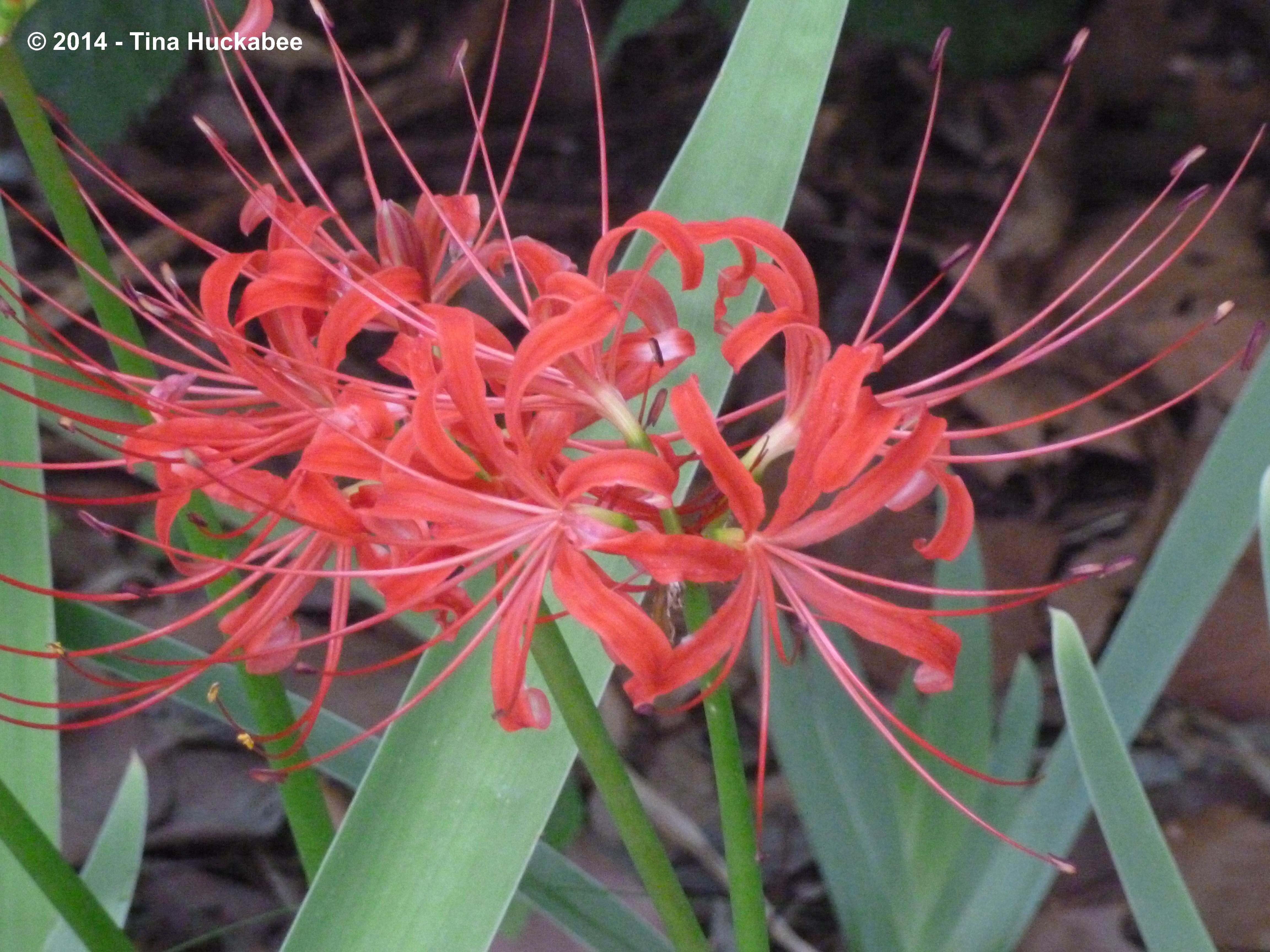
I always forget that I planted these Red Spider Lily bulbs,  Lycoris radiata,

p1070335-newb

…. until they pop up, overnight it seems.

P1070338.new

These are such gorgeous flowers! I don’t know why I can’t remember that the bulbs are in the ground, waiting for the first of the September rains, to grace the gardens with their exotic beauty. The strappy foliage (which emerges after blooming) disappears in the late winter/early spring.  The memory of those exquisite blossoms should stay with me, but I’m always surprised to welcome them again, each September.

Finally, a Monarch butterfly is now visiting my gardens, sipping on his preferred blooms of the Tropical MilkweedAsclepias curassavica.

P1070417.new

My heart lifted to see this North American beauty after all I’ve read about the very serious decline in the monarch butterfly population.

P1070433.new

Go Monarchs!

Here in Austin we enjoy a second, spectacular blooming season, beginning just about now.  Fall blooms abound and there’s more to come!  For today though, check out blooms from everywhere at May Dreams Gardens.

Tardy Again! This Time to Foliage Follow-up

Like Pam of Digging, I’ve also admired the landscaping at the North Star Home Center  in Austin.  I live near this commercial site and drive by often. I greatly appreciate that the owners of the property chose xeric, mostly regional plants to landscape with, rather than the typical needy and boring turf.  I’ve long admired the combination of the deep purple of the Purple Heart (Tradescantia pallida) combined with the blue-green of the Agave and Sotol in that garden.  It is a stunning contrast. Inspired by the beauty  of this commercial garden, I planted an Agave (Agave americana)  in concert with a long-established group of Purple Heart.

This area is part-shade, so the Purple Heart doesn’t bloom much and the Agave will be slower growing than in full sun.  The tree that shades the spot is in decline, so I expect in the next few years to have more sun in this spot.

In Pam’s post, the Purple Heart is in full sun.  In my gardens there are six areas where Purple Heart is planted  and all are part to full shade.  It’s a very versatile ground cover.  It’s especially nice planted with evergreens such as Cast Iron Plant (Aspidistra elatior) and Giant Lirope (Lirope muscari).

It tends to bloom more with more sun and sometimes has a tinge of green in the leaves.  In shade it remains a deep purple, usually with a few blooms and attendant bees.

Purple Heart can be a bit invasive, so in a cultivated garden, one must take a shovel or sharpshooter to it from time-to-time to keep it in bounds.

Every spring, I have to dig some of the Purple Heart out of this group to prevent encroachment into (from left to right), the  Mexican Honeysuckle (Justicia spicigera), the Rock Rose (Pavonia lasiopetala), the Chile Pequin (Capsicum annuum var. glabriusculum)  and Yarrow (Achillea spp.).

Purple Heart dies to the ground with the first freeze, but in Central Texas, it is root hardy.  In northern climates, it can be grown as a container plant.  It is not deer resistant.

Purple Heart is a native to Mexico and an extremely tough plant–it works well  in  most soil types and with minimal irrigation. It is a beautiful foliage ground cover that adds color to any garden. It’s an easy pass-along plant.  So find a gardening friend who has Purple Heart, snip a branch or two, stick in the ground and enjoy for years to come.