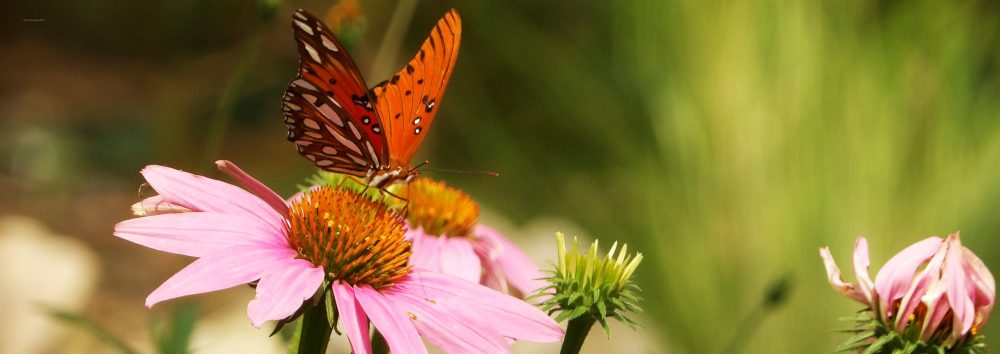
The Good Pollinators: Wildlife Wednesday, December 2016

I suppose there aren’t many bad pollinators, but I’ve certainly relished the good work of pollinators in my garden this autumn and, in fact, for the whole of this past growing season.  Today is the first Wednesday of the month and time to appreciate those who require and benefit from our efforts as gardeners.

Gardeners garden.  It’s what we do.  Neophyte gardeners are first attracted to the multitudes of choices with blooms-n-foliage, as well as the endless arrangements therein as we delve into the joys of augmenting personal outdoor space.  But sooner or later, we notice those who “visit” our gardens:  pollinators, birds, mammals, reptiles. With greater observation and understanding, the notion of garden beauty morphs into more than an emphasis on the human-focused composition of plants to a recognition of the purpose of those plants, as well as the gardener’s role in promoting a healthy, diverse environment. For many gardeners, the drive to attract wildlife to our particular slice of the Earth spurs deeper learning about plants and the processes of wildlife gardening.

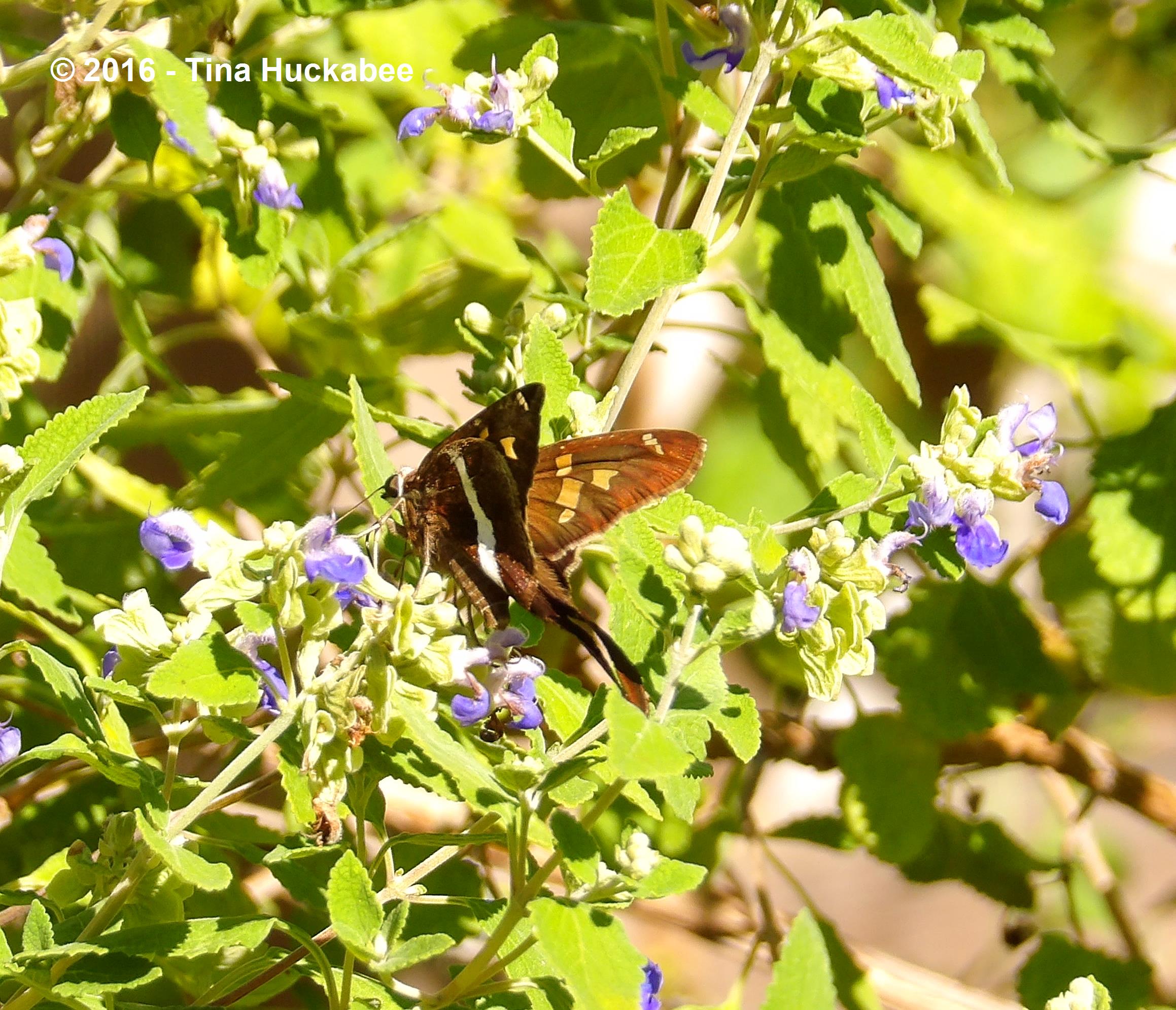
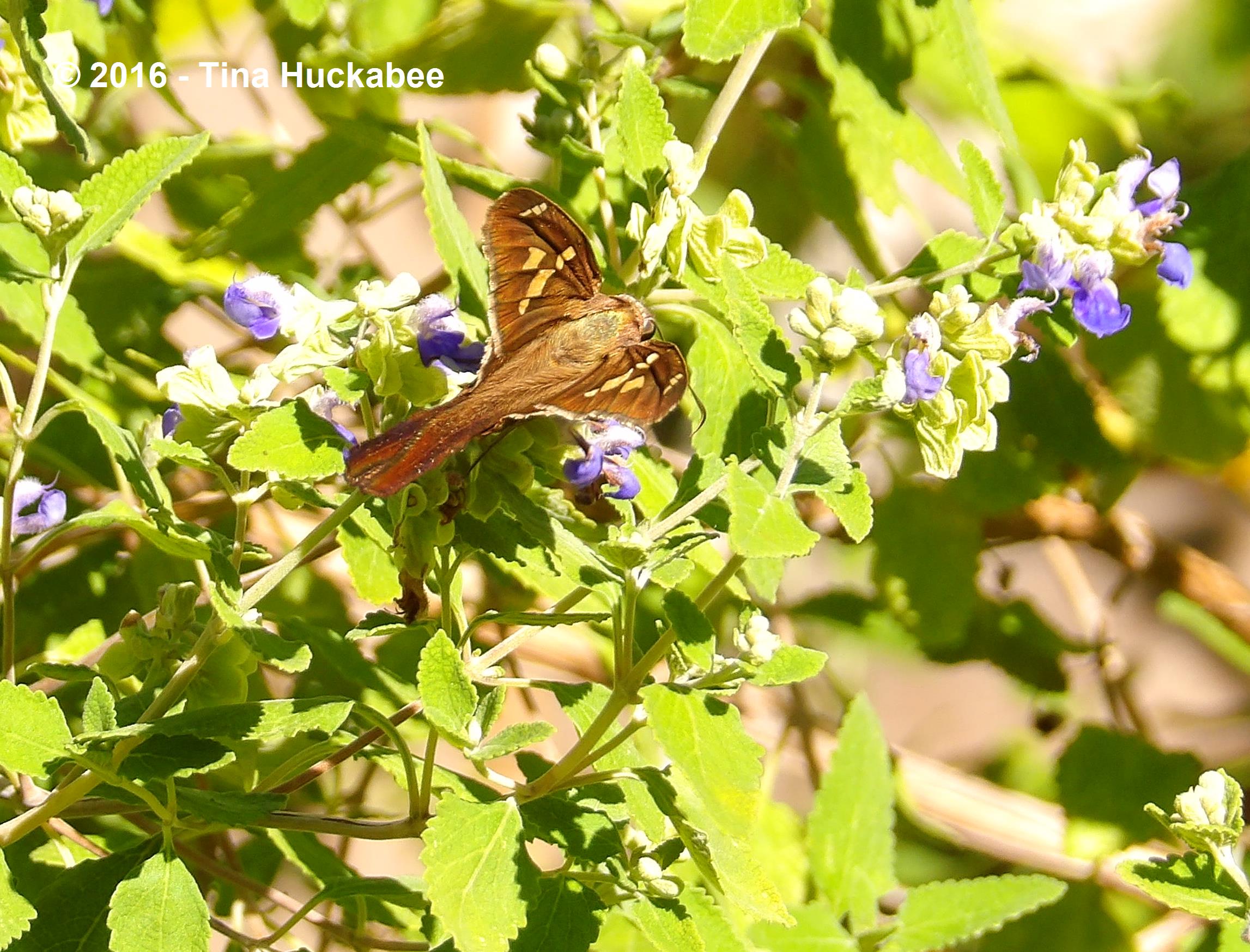
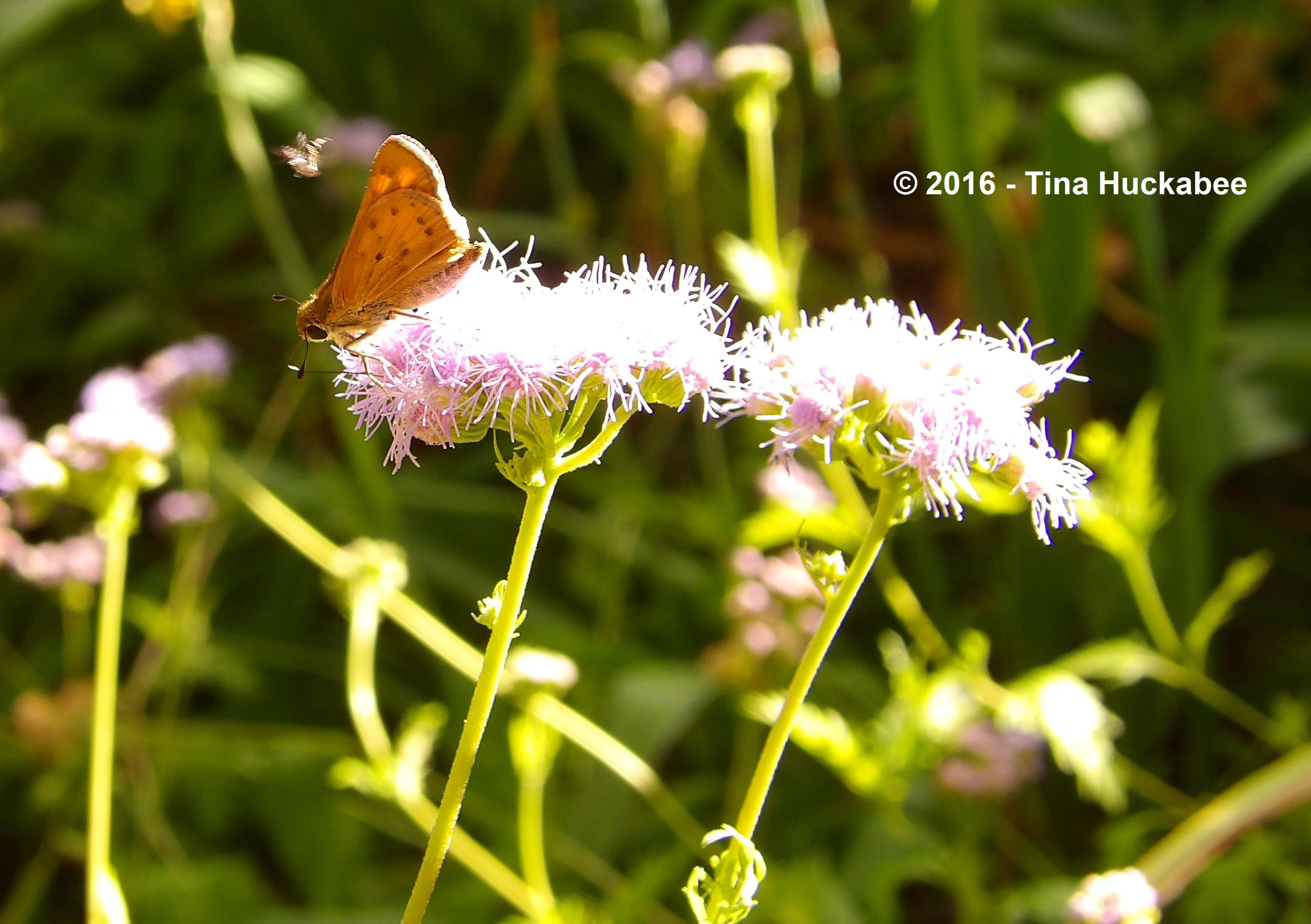
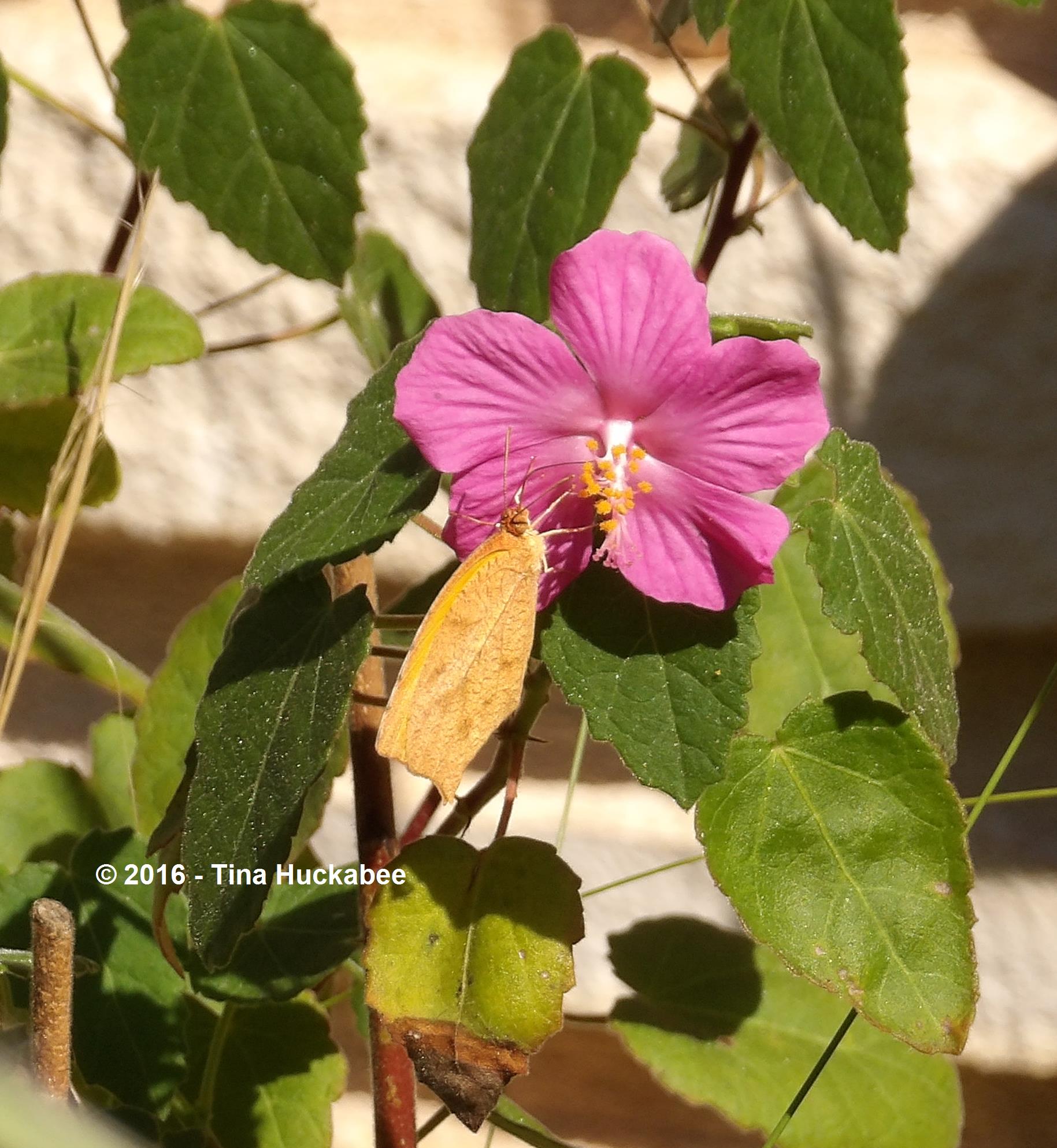
When I was traveling in October, a neighbor sent me a Facebook message with a photo attached, wondering what “this” butterfly was.  I didn’t have time during my travels to research, but did take a look at on-line butterfly sources once I returned home.   In my own garden, I observed this Tailed OrangePyrisitia proterpia, working blooms one afternoon.

imgp0853_cropped_2608x2023-new

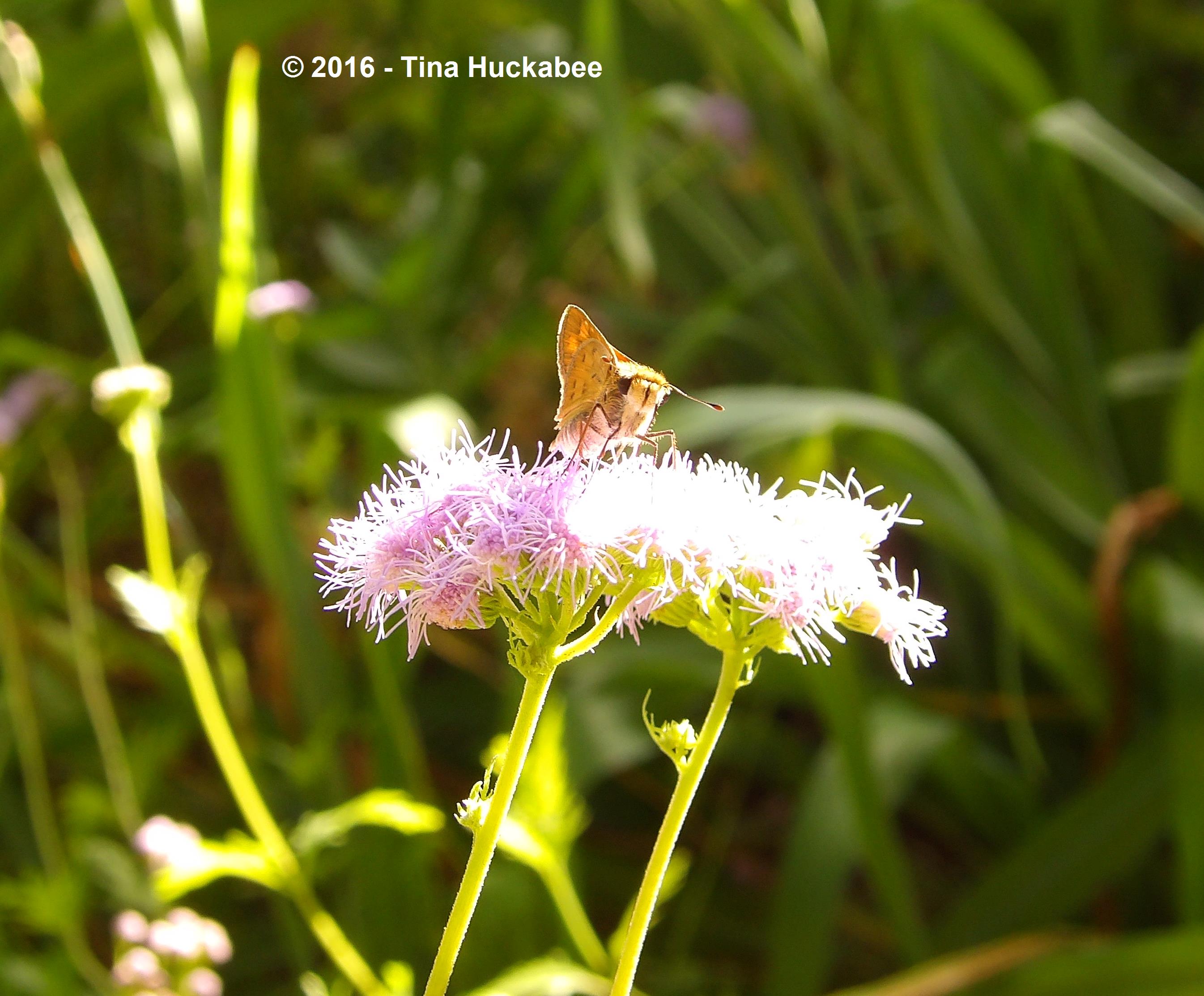
I sent my Tailed Orange link to the neighbor and she delightedly affirmed that “my” Tailed Orange was “her” butterfly, too.  Score!  While probably not the same individual butterfly, clearly this was a species hanging around the neighborhood.
imgp0852_cropped_1829x1986-new

Tailed Orange butterflies are fast flyers, the adults nectaring on many flowers as they move rapidly from one to another. Tailed Orange butterflies prefer plants in the pea (Fabaceae) family as their hosts.

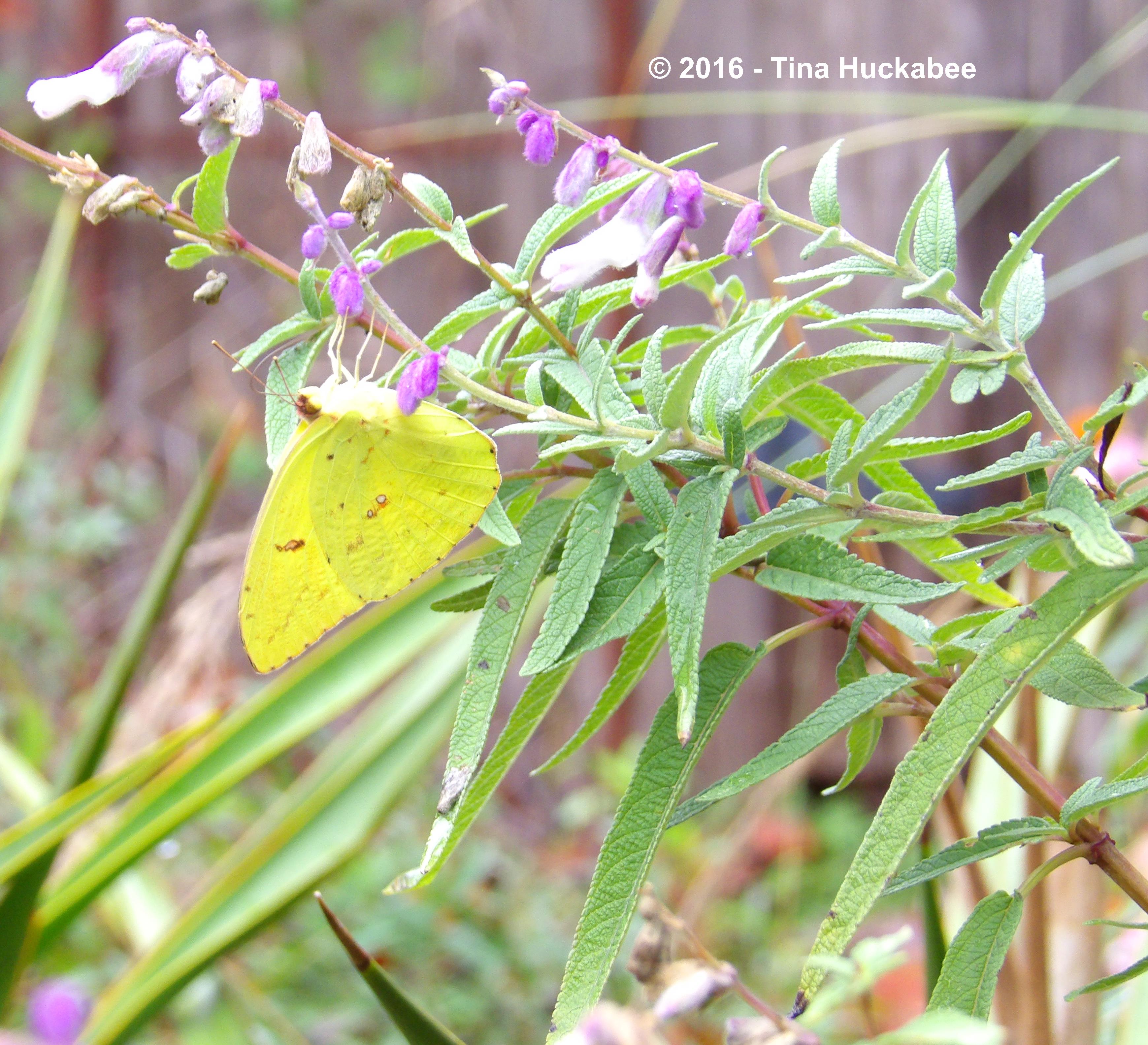
Another cheery autumn yellow butterfly common in Texas  most years is the Cloudless SulphurPhoebis sennae. 

imgp0833_cropped_3479x3166-new

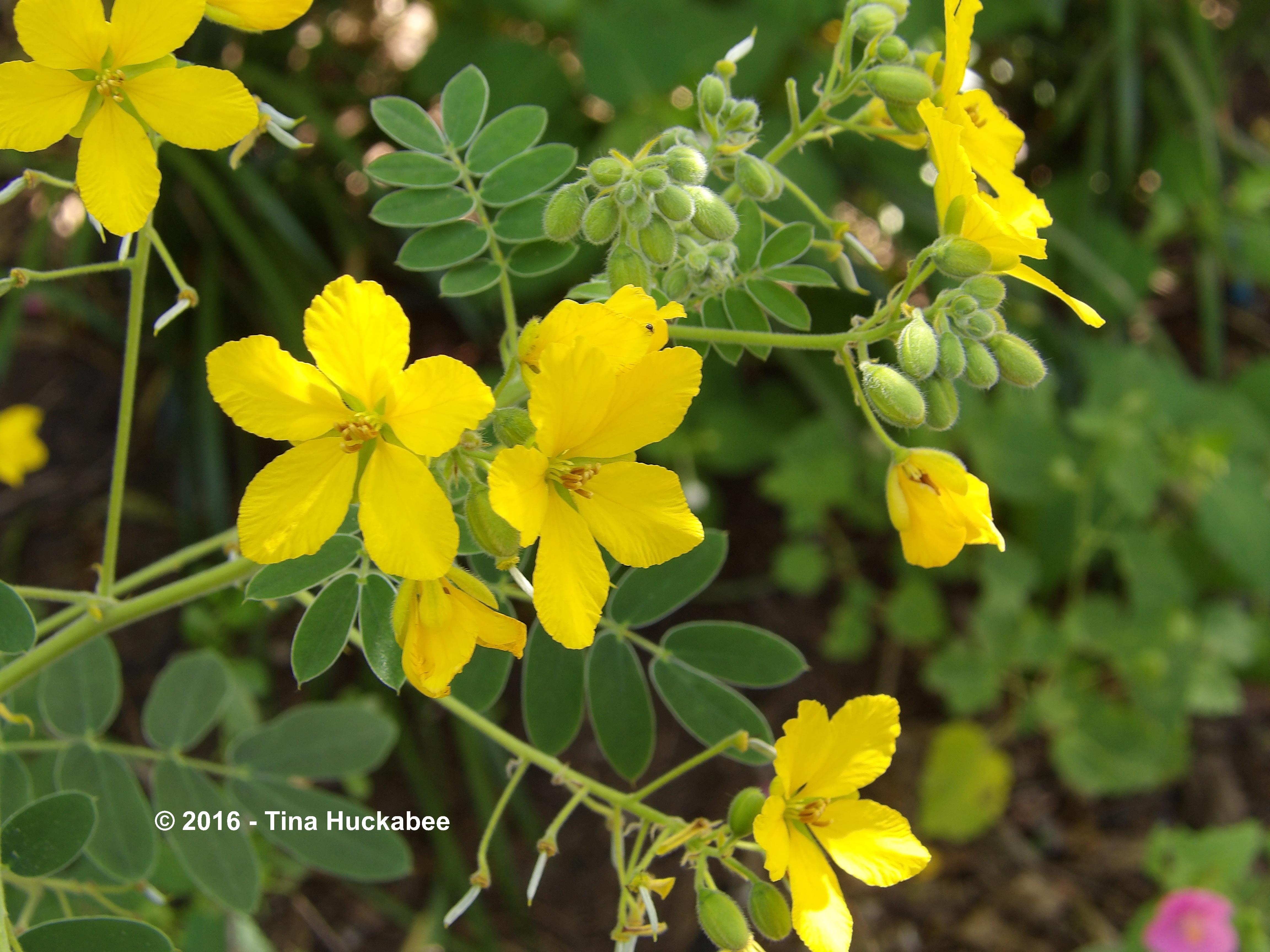
Also utilizing host plants in the Fabaceae family, this butterfly graces my garden annually from the end of summer, well into early winter.  I grow the native Lindheimer’s senna, Senna lindheimeriana,
imgp9659-new

which is a likely plant (check out the species name of the insect!)  in which these butterflies lay their eggs.  In the future, I’ll need to keep a keener eye out for the larvae on the leaves and snatch a photo of the juveniles of this insect.

QueensDanaus gilippus, which are year-round residents here,

imgp0837_cropped_3285x2788-new

imgp0897_cropped_2931x2815-new

The two black dots on the hind wings indicate that this butterfly is a male.

imgp0896_cropped_3382x3073-new

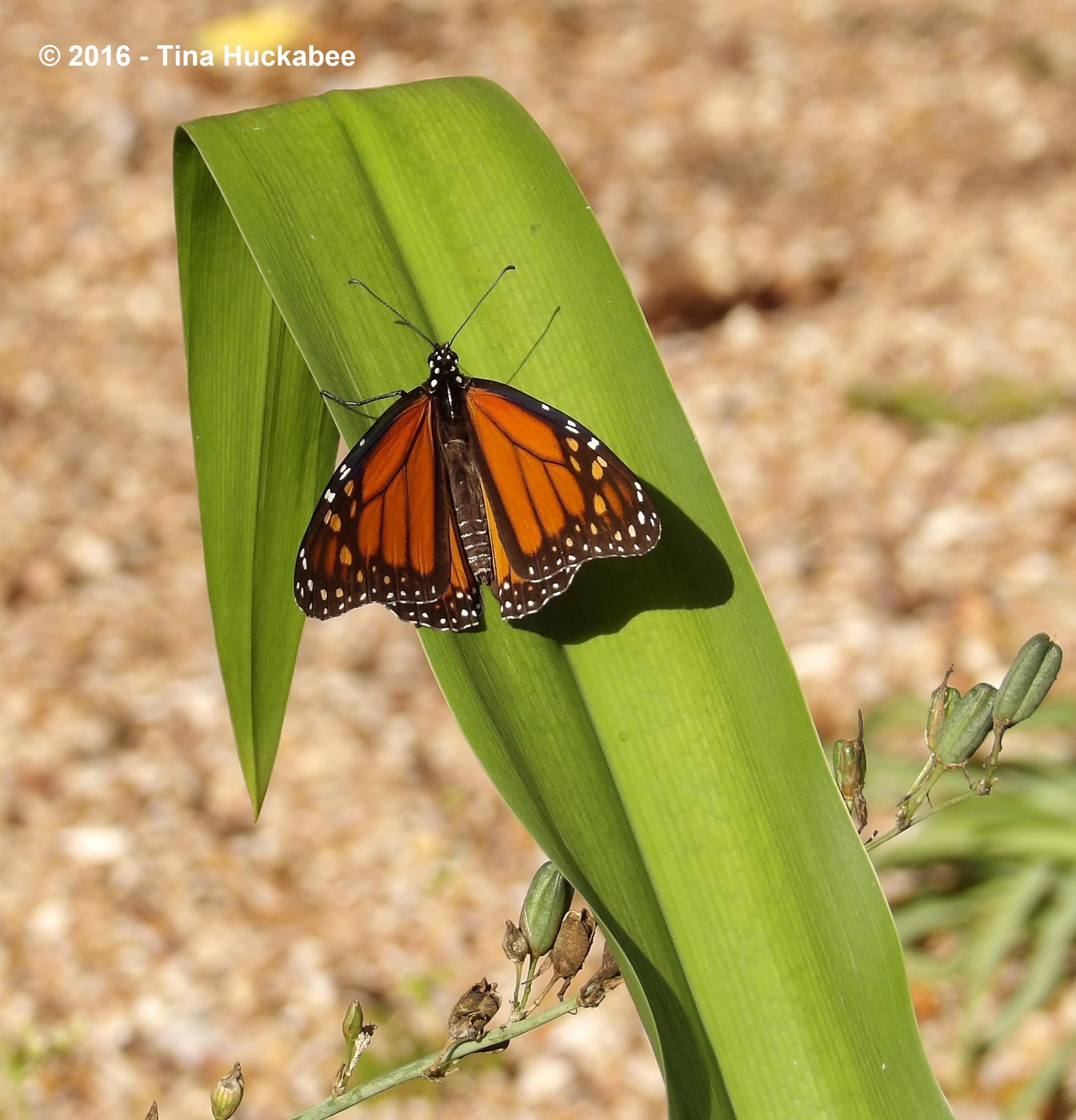
…and a few straggler migrating MonarchsDanaus plexippus,

imgp0849_cropped_2737x2848-new

The lack of black dots on the hind wings indicates that this Monarch is a female.

continued their regular visits, though I haven’t seen a Monarch since mid-November.

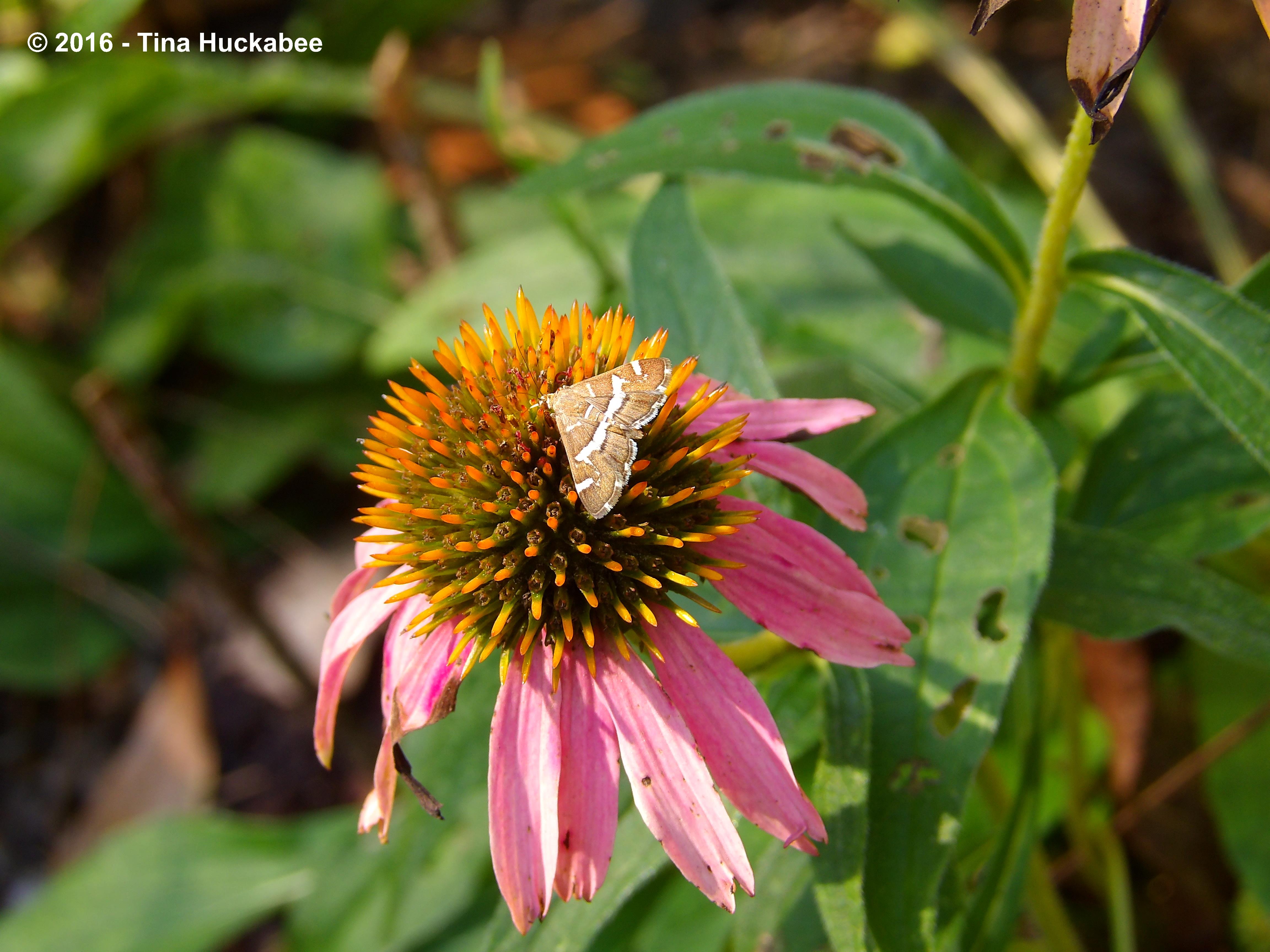
This little cutey, a Spotted Beet Webworm Moth, Hymenia perspectalis, rested on a Purple coneflower, Echinacea purpurea,
imgp0859-new

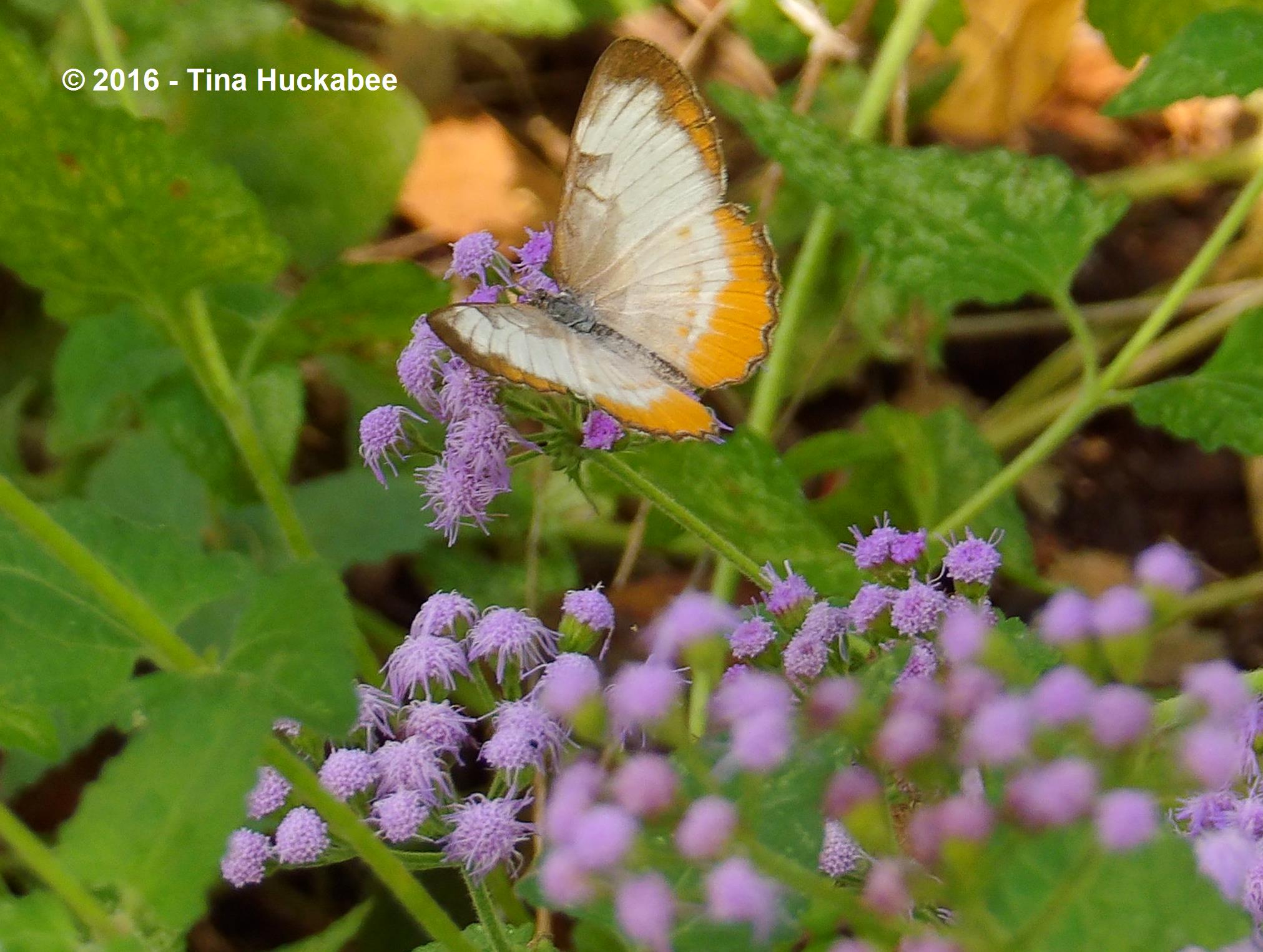
while this Clouded SkipperLerema accius, contemplated a shuttered Rock rose, Pavonia lasiopetala bloom.

imgp0902_cropped_2281x2115-new

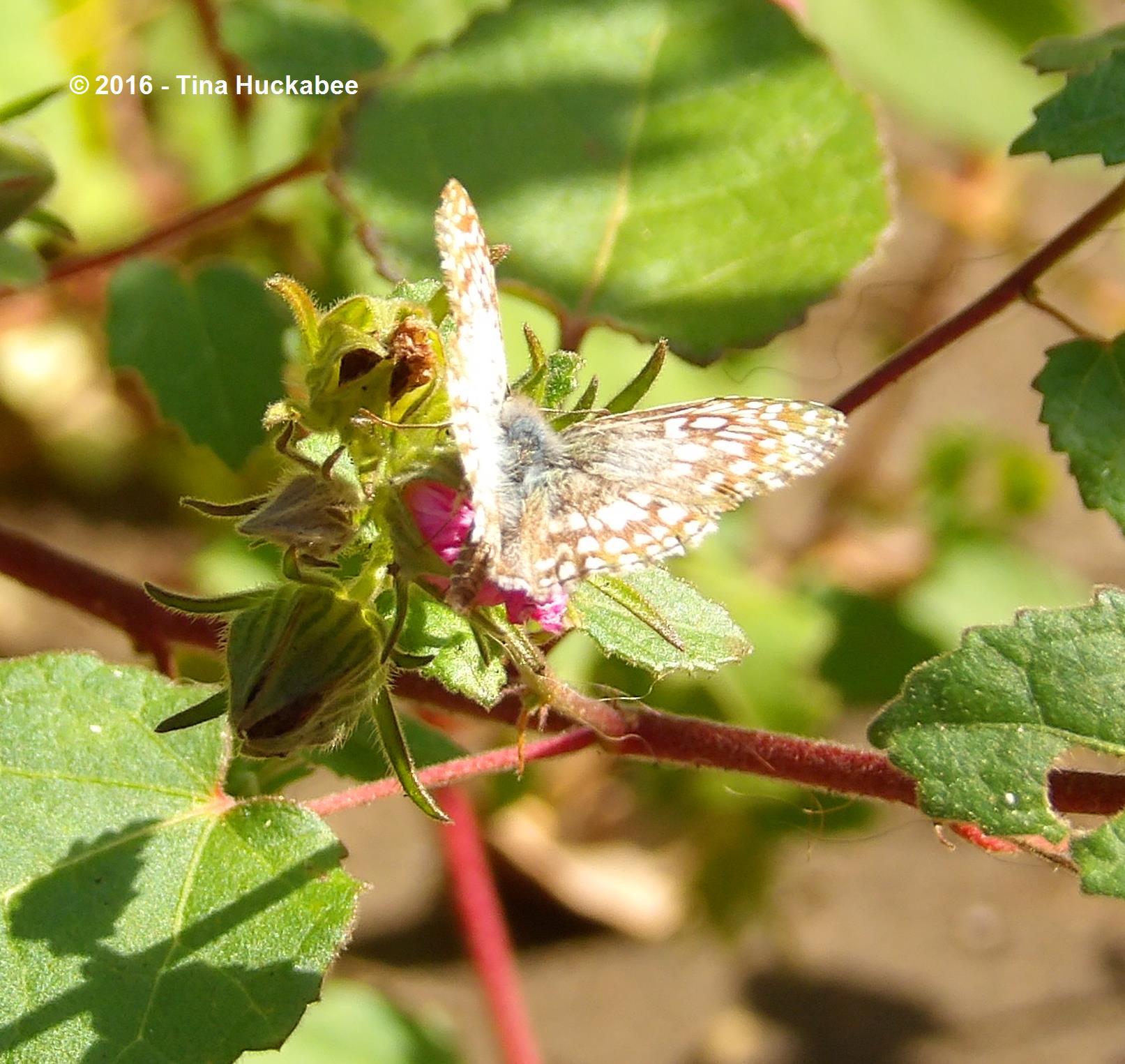
Another skipper, a Tropical Checkered SkipperPyrgus oileus, was loathed to pose for a photograph in the bright Texas sun, but eventually, relented.

imgp0911_cropped_2815x2097-new

It enjoyed the bounty of a Rock rose flower, which is a member of the family (Malvaceae) that this butterfly requires as its host.    The checkerboard pattern on the upper wings,
imgp0913_cropped_1613x1525-new

…and its “hairy” body were the keys for identifying this butterfly.

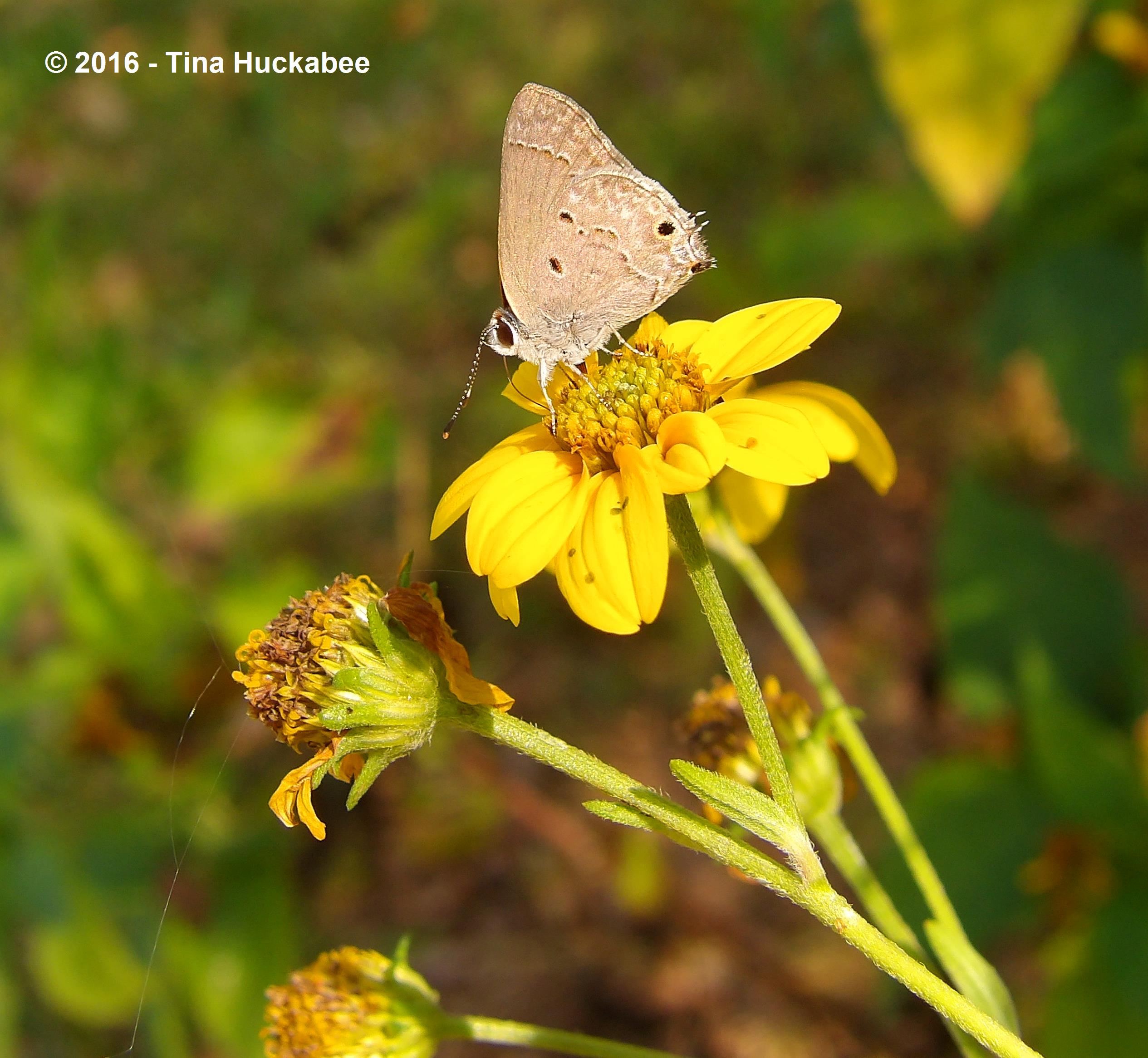
I often see Grey Hairstreaks in the garden but this past month I enjoyed a Mallow Scrub HairstreakStrymon istapa, as it visited several flowers in the aster or Asteraceae family.

imgp0910_cropped_2378x2101-new

imgp0904_cropped_2530x2332-new

Hairstreaks are such pretty butterflies, with subtle coloring and unique markings.


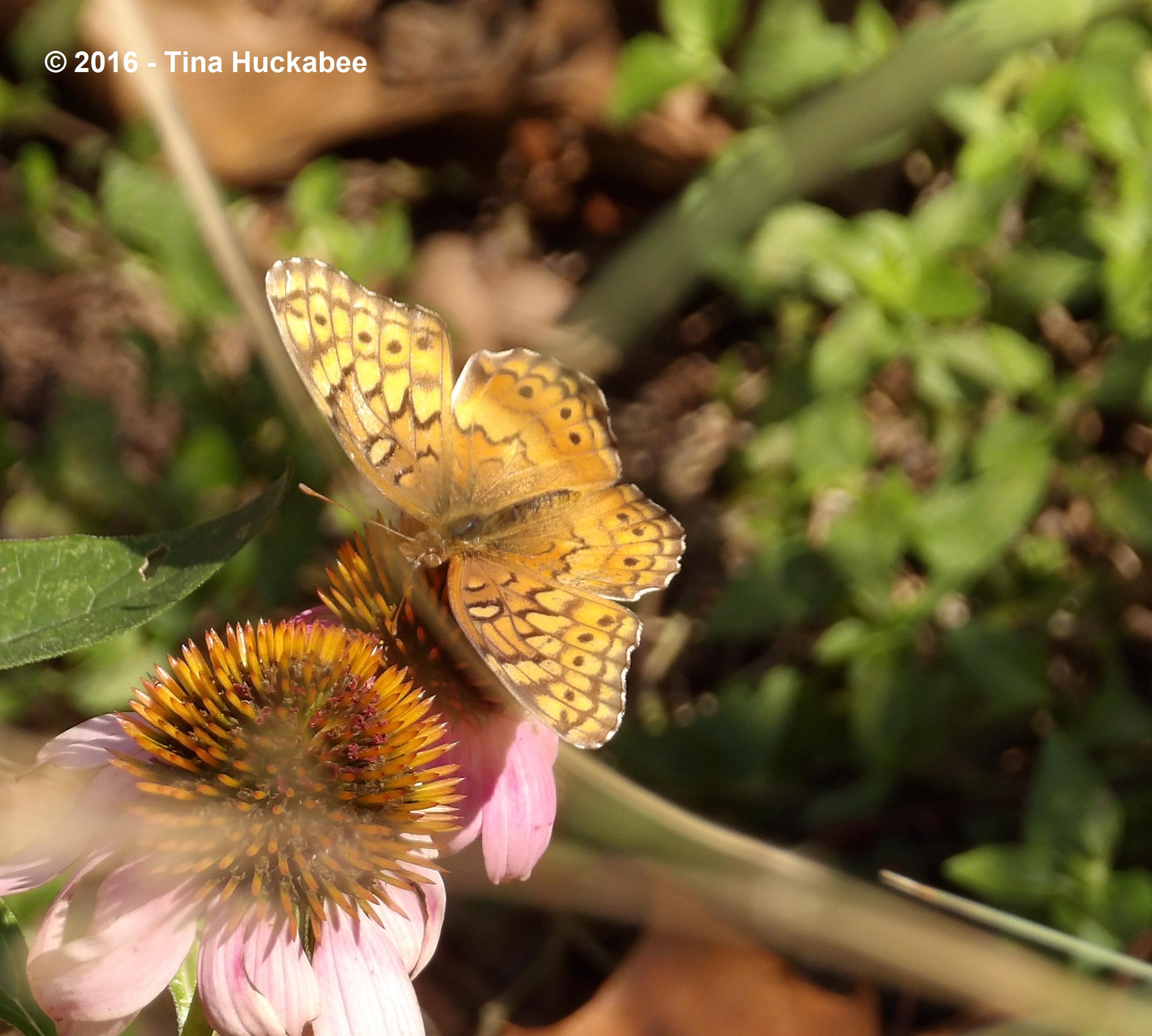
Variegated FritillaryEuptoieta claudia,

imgp0917_cropped_2558x2300-new

…a Gulf Fritillary,  Agraulis vanillae,

imgp0935_cropped_3147x2894-new

…an American Painted LadyVanessa virginiensis,

imgp0937_cropped_3139x2640-new

…and a Southern DogfaceZerene cesonia, 

imgp0931_cropped_2755x3078-new

…all are typical butterflies which contributed to the mass of butterfly/moth activity gracing my November garden.

It wasn’t just about butterflies and moths this month, though. There were beetles–lots of beetles–in the garden this past month.

imgp0892_cropped_2323x2327-new

They employ some sipping of the nectar, but also cause a little damage leaves and petals during their feedings.  Does that make them bad pollinators?  Nah, I never met a pollinator that I didn’t love. Or, at least tolerate.

Additionally, native bees were out in force in the last weeks of full-bloom garden action.   Throughout summer, I’d catch a glimpse of a stunning metallic green bee, but I was never fast or organized enough to document its activity–until this month!

imgp0875_cropped_2871x2677-new

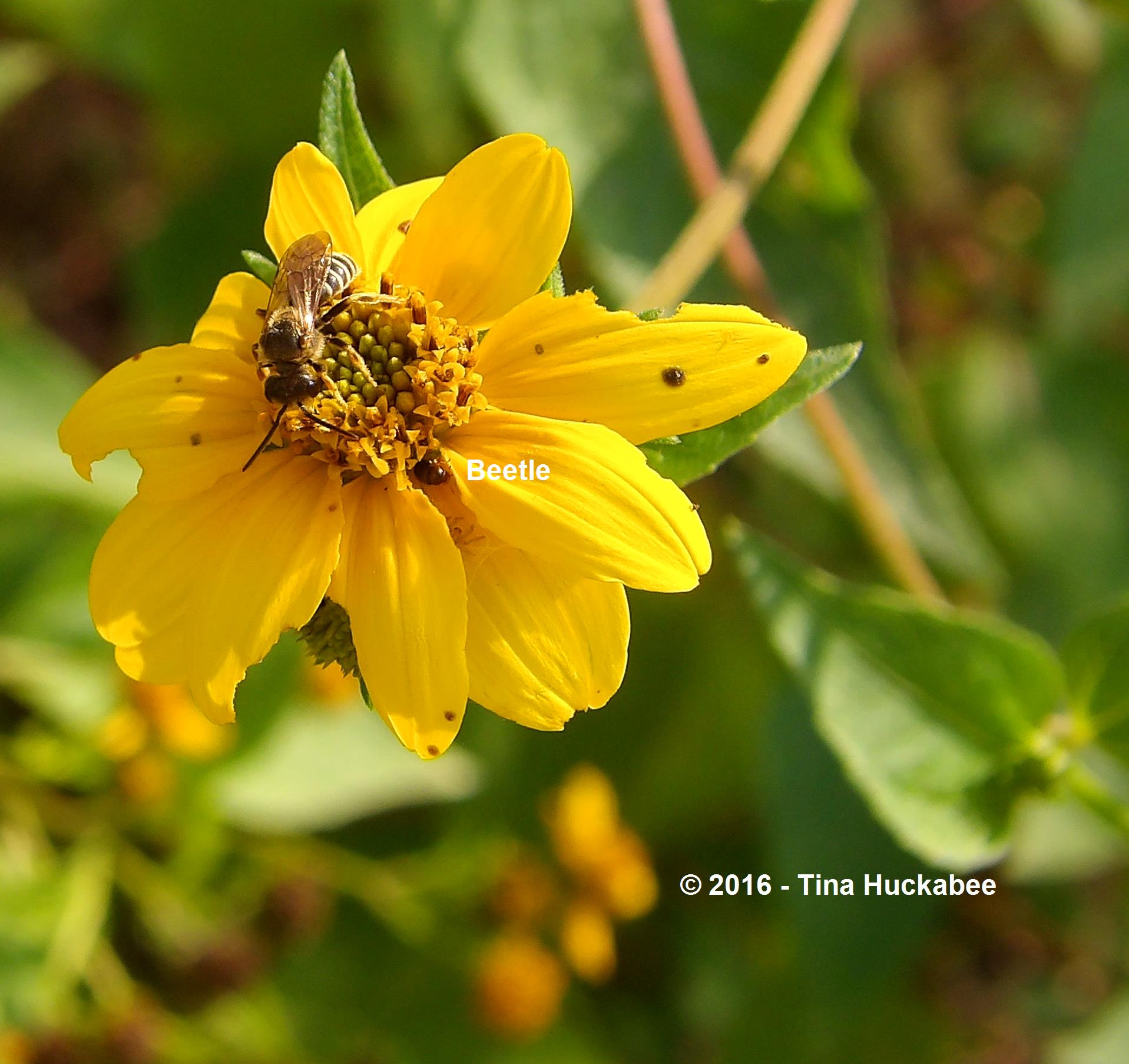
Bee and beetle, working side-by-side.

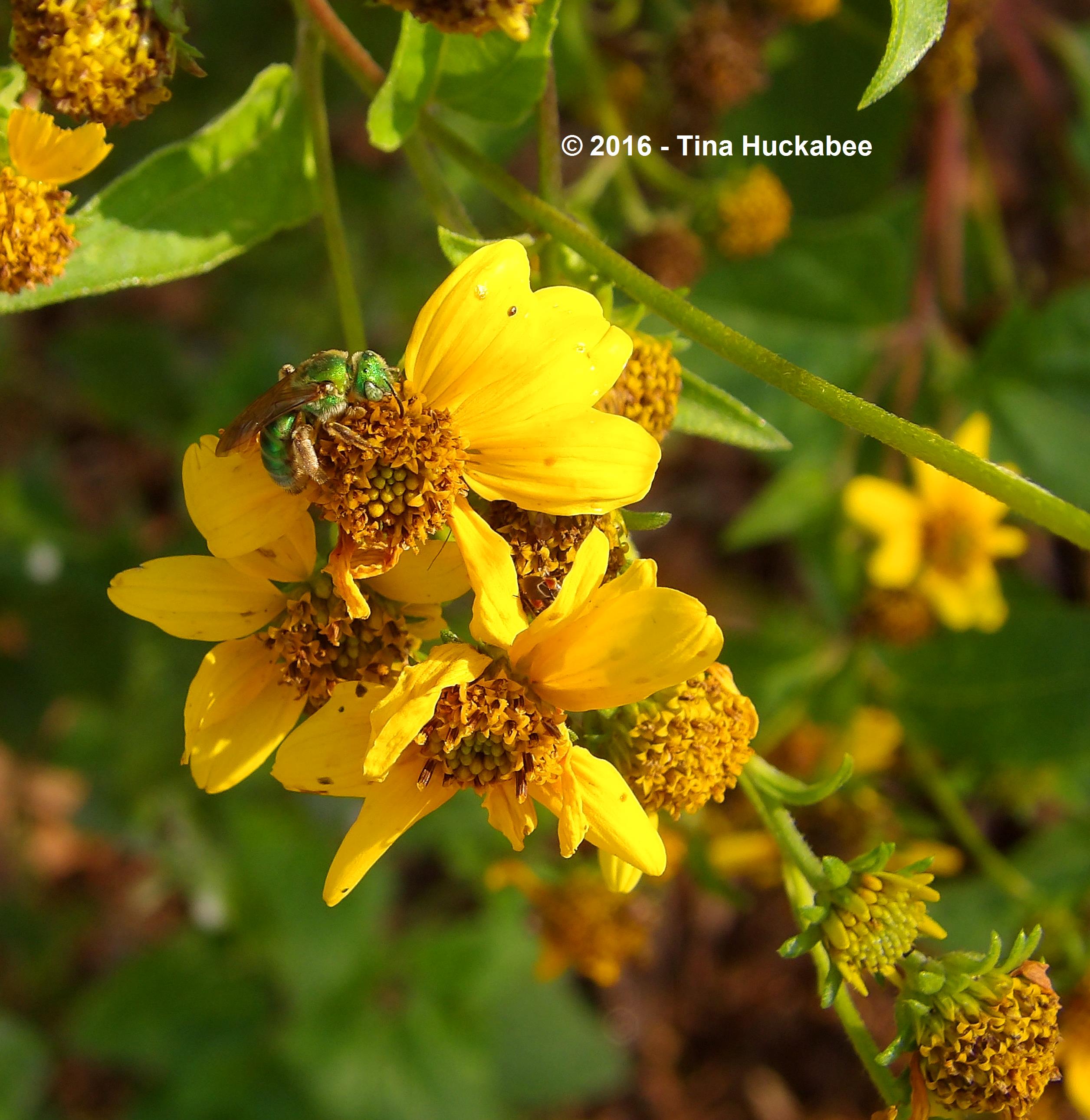
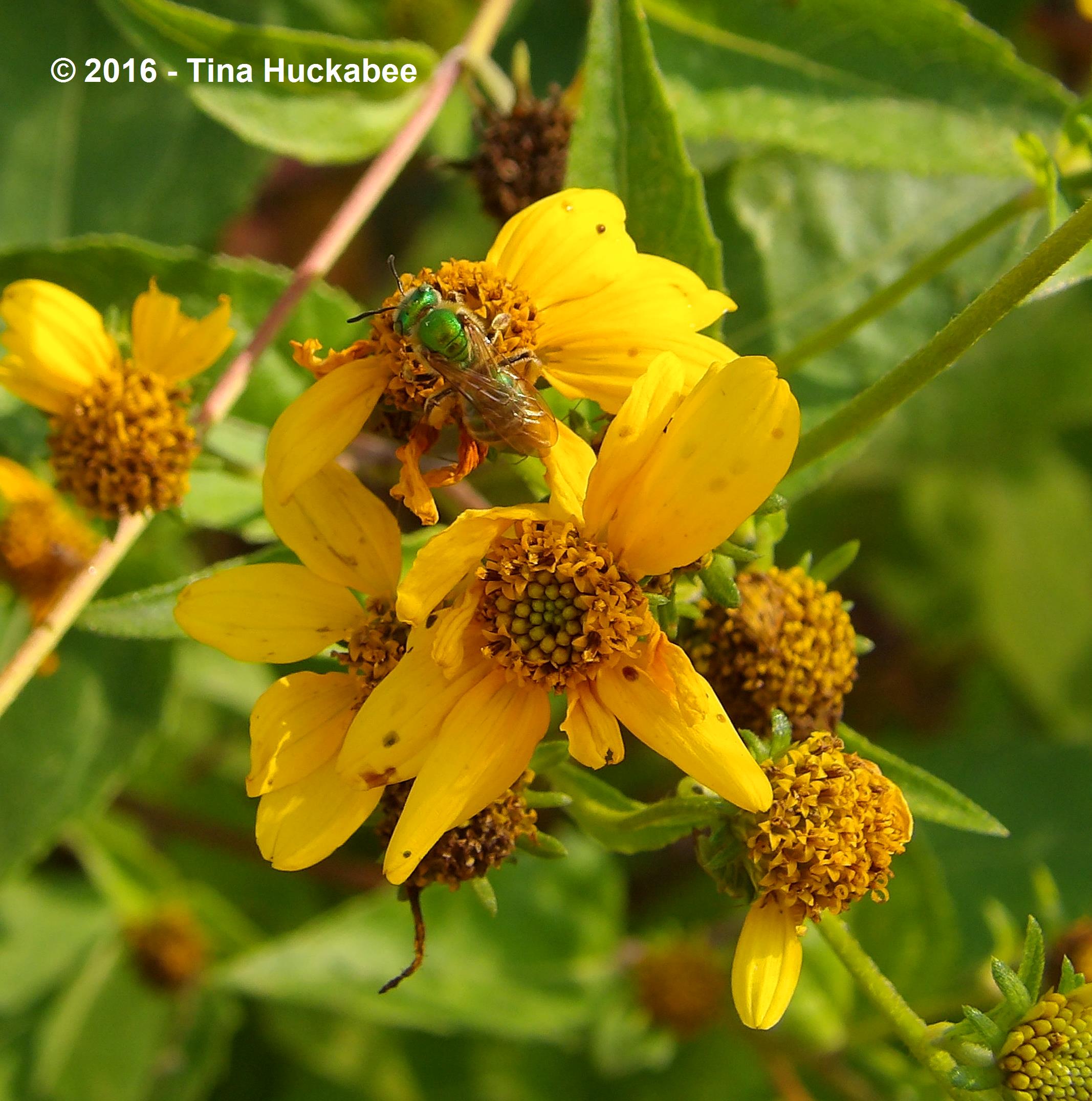
I’m fairly sure that this gorgeous bee is a Green metallic bee, Agapostemon texanus.
imgp0878_cropped_2512x2580-new

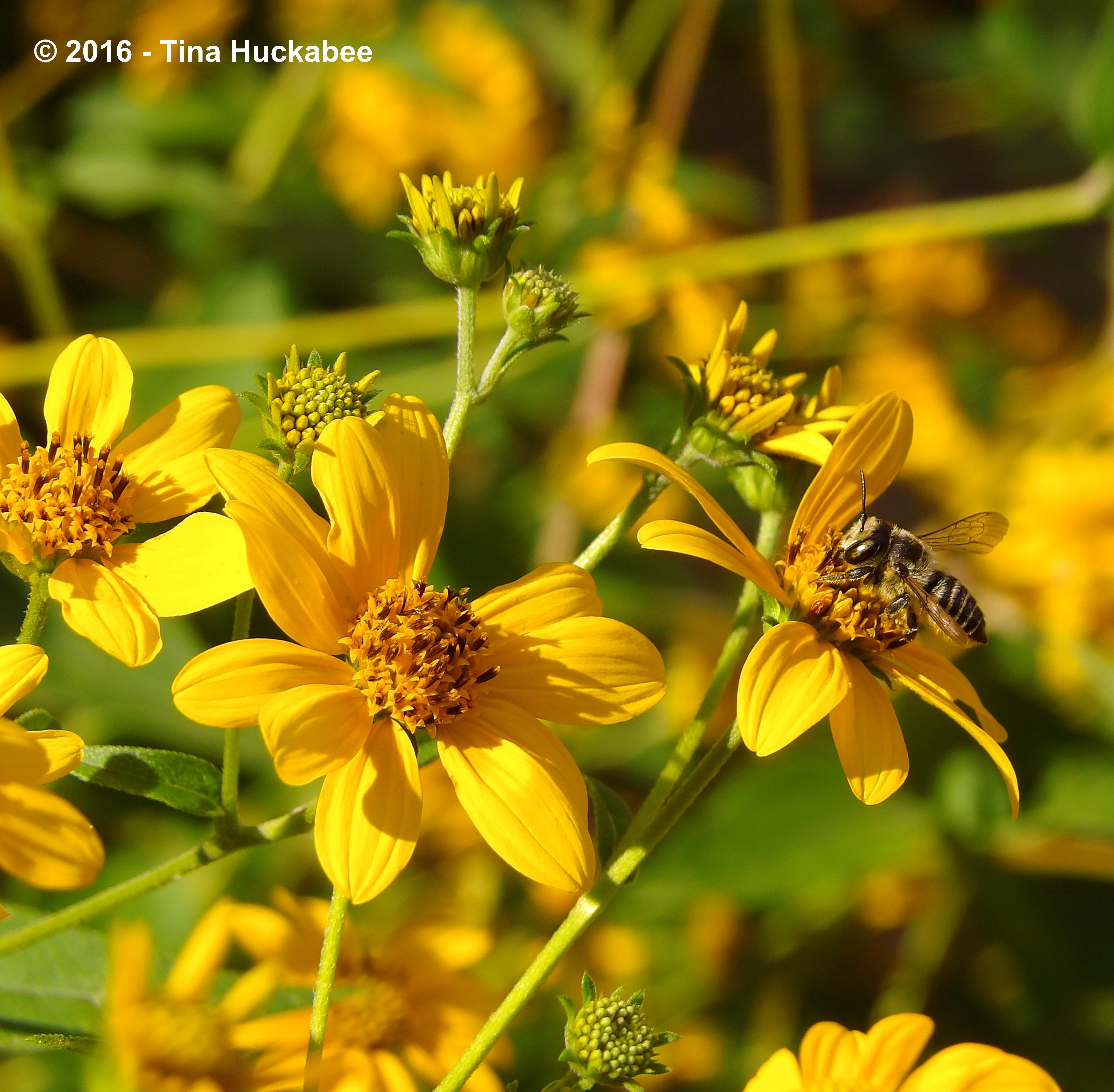
Though rare, this species of wild bee are seen in this part of Texas.  I was pleased to watch her work the flowers of a Goldeneye, Viguiera dentata.
imgp0888_cropped_2134x2152-new

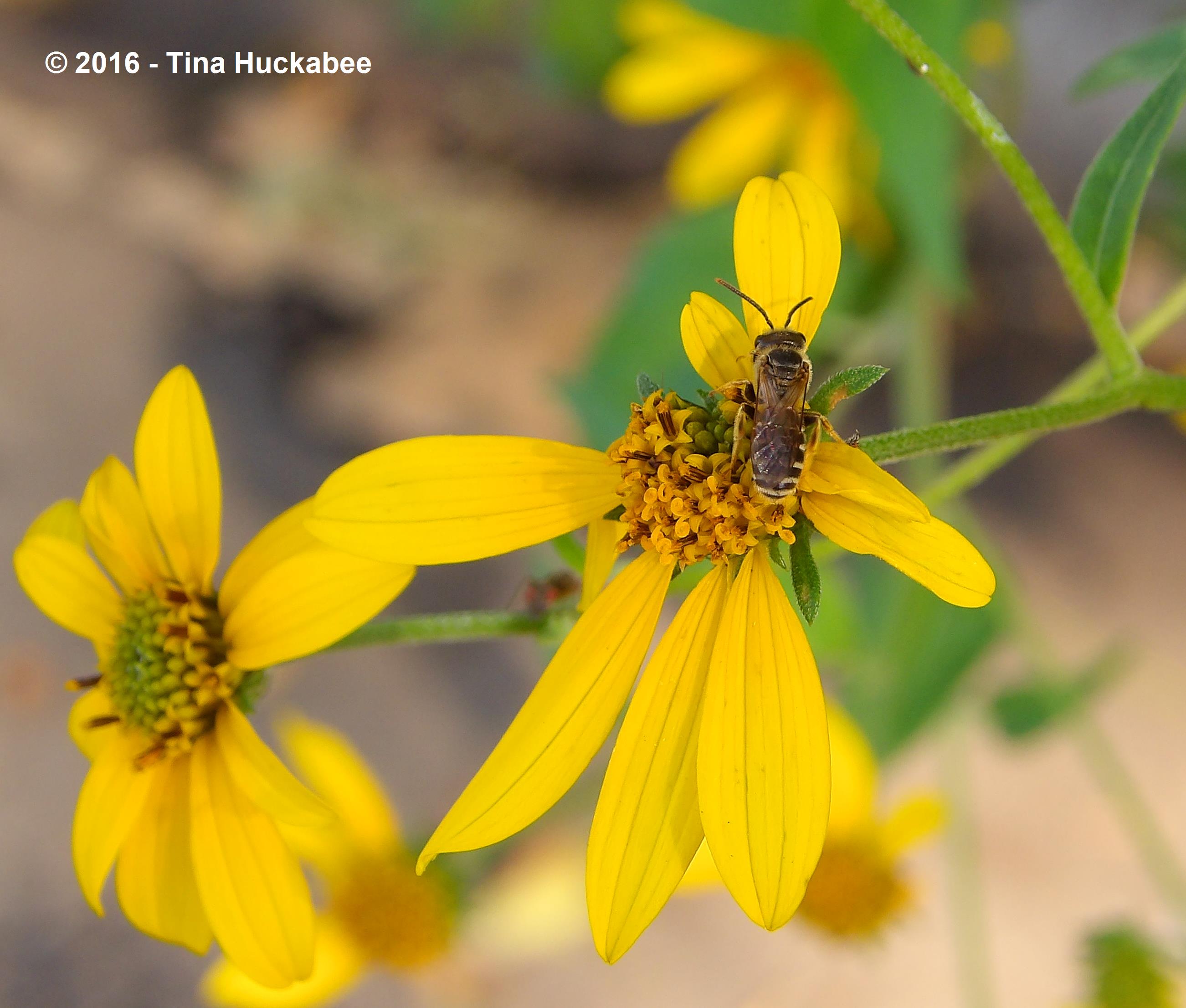
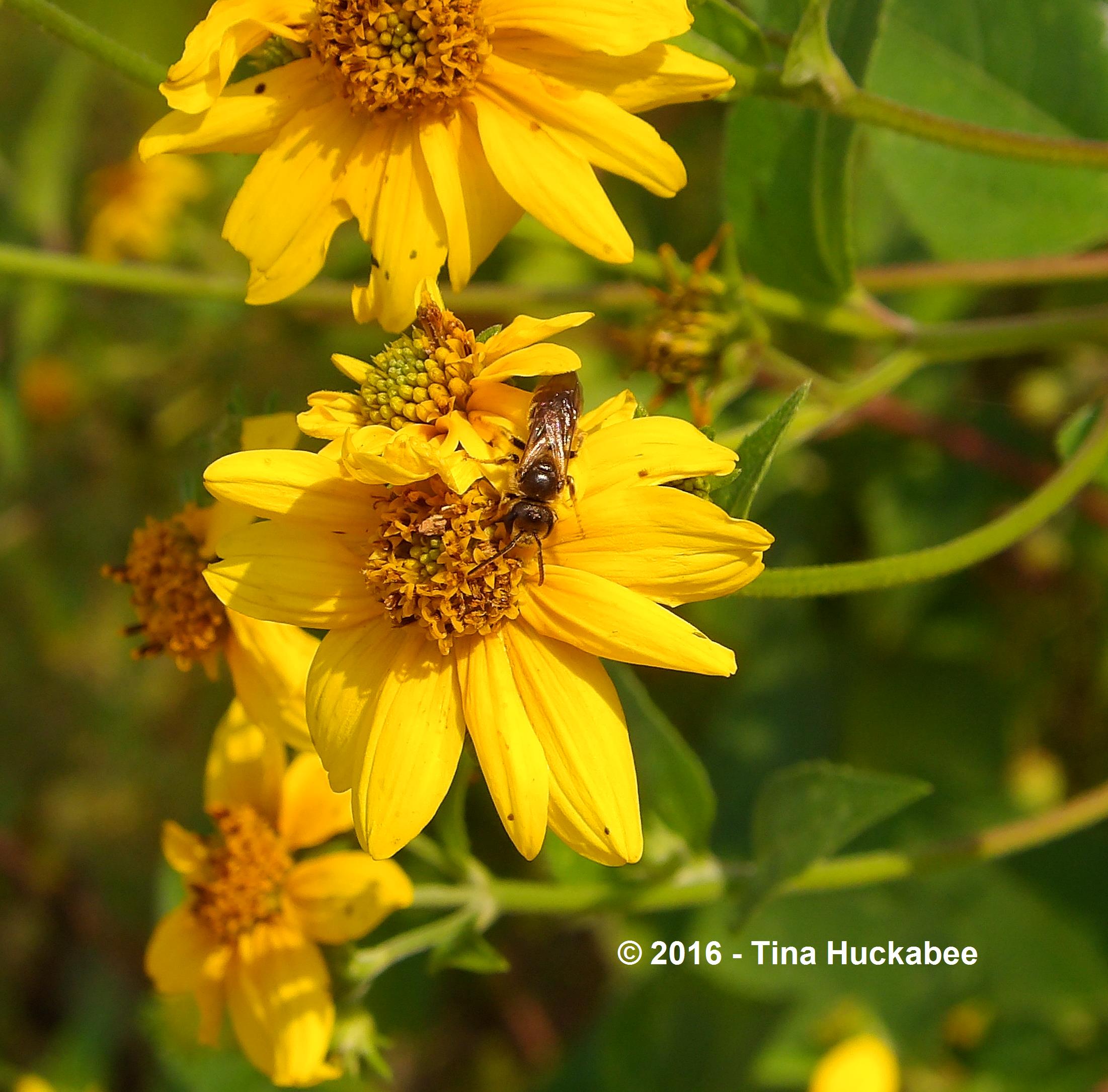
Also enjoying fall-blooming Goldeneye, were two kinds of Sweat bees:

Lasioglossum spp.

imgp0885_cropped_1539x1548-new

This sweat bee shares flower space with the Mallow Shrub Hairstreak.
imgp0889_cropped_2202x2171-new


…and Halictus tripartitus.

imgp0882_cropped_1917x1806-new

imgp0881_cropped_2129x2018-new

imgp0905_cropped_2603x2212-new


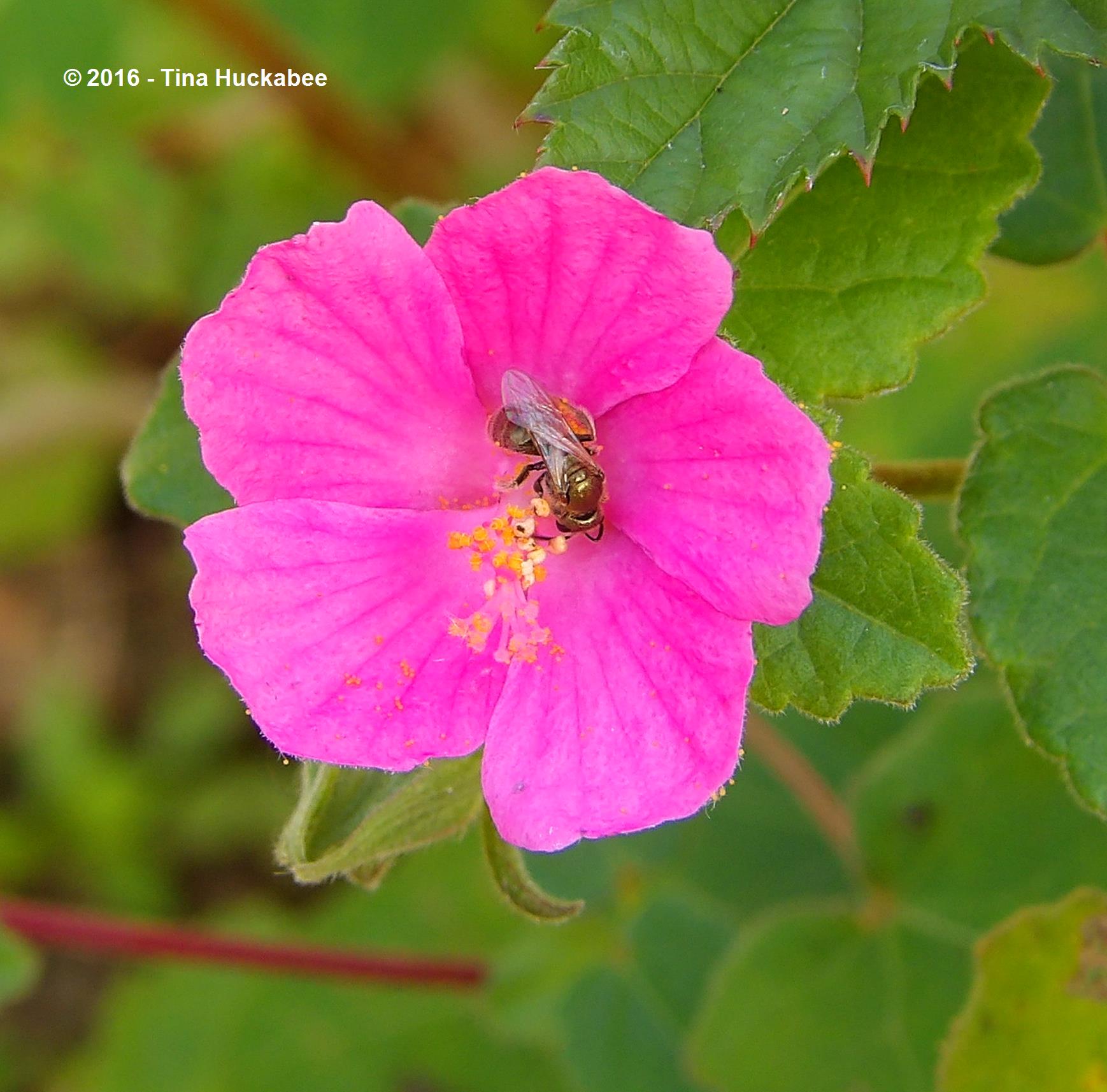
A Small carpenter bee, Ceratina sp., nectared and gathered pollen from a Rock rose.
imgp0901_cropped_1738x1714-new

Identifying native bees is tricky because there’s just not that much research on these important pollinators.  To help me figure out what I’m seeing in my garden, I use a site hosted by an entomologist at The University of Texas, Professor Shalene Jha, who studies Texas native bees.  The site focuses on native ecosystems and native bee sightings in wildlife preserves. The information on the native bees is local and relevant to Texas, the photos of these bees, remarkable.

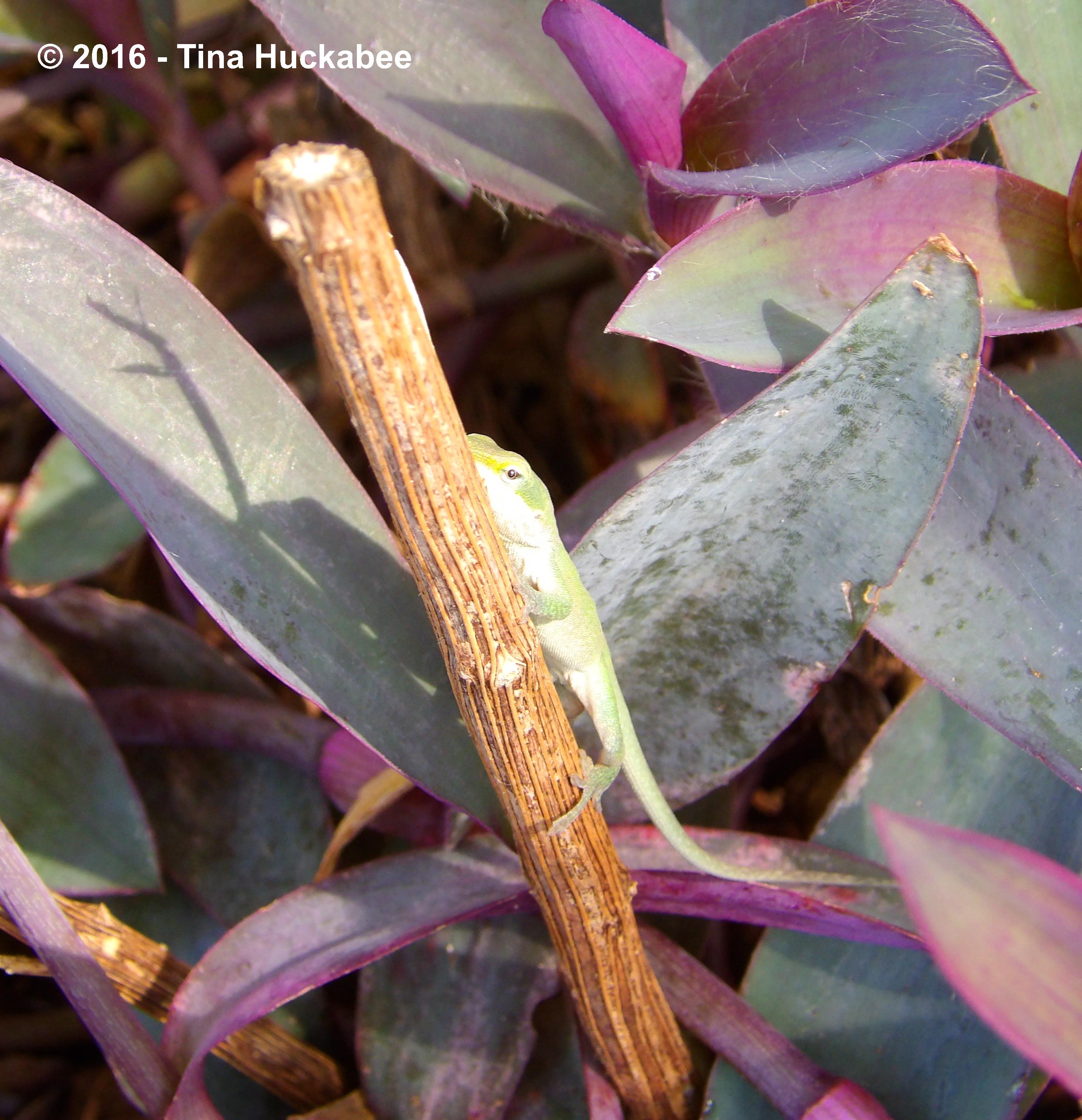
Not a pollinator, but a regular contributor to Wildlife Wednesdays, this juvenile Anole lizard is most likely making his/her last appearance for a while.
imgp0908_cropped_2871x2973-new

I might spot one from time-to-time over the course of the next few months, but they’ll be nicely tucked in for our (usually) mild winter.

Did wildlife visit your garden this past month? Please post for December Wildlife Wednesday. Share the rare or mundane, funny or fascinating, beneficial or harmful critters you encounter. When you comment on my post, please remember to leave a link to your Wildlife Wednesday post so readers can enjoy a variety of garden wildlife observations.


Pollinators Galore: Wildlife Wednesday, November 2016

Having  traveled for half of October and with a general lack of time for critter photo-ops when I was home, there isn’t a portfolio of day-to-day proof of the masses of buzzers and flutterers who’ve been in my gardens this past month.  You’ll just have to take my word for it–this past month was epic on the pollinator front in the garden!  Not only in sheer numbers, but the variety of butterflies and native bees has been a delight.  Today is Wildlife Wednesday and I hope you’re set to celebrate the wild things in our gardens.  Whether winged, scaled, feathered, or furred, wildlife is what makes a garden a truly living space–wildlife is what makes a garden.

It’s been quite a few years since my garden has enjoyed and benefited from  the numbers of butterflies who visited in these past couple of months.  The wet year, coupled with relatively mild summer temperatures, allowed for the right breeding conditions to occur and for blooming plants to thrive.  Plenty of host and nectar plants are available for feeding this year and pollinators are taking advantage of the bounty.   There are always more butterflies in late summer and fall, but this year I notice some that I’d never seen before.

I saw many of these pretties,

imgp0383_cropped_3959x3088-new

…mostly hanging out around the Blue mistflower, Conoclinium coelestinum.   I knew that I’d seen a photo of this kind of butterfly–somewhere–but couldn’t recall where. After some sleuthing, I identified this species as a Common mestra, Mestra amymone. Eventually, I remembered that I’d seen photos of the mestra on the FB page of The National Butterfly Center, which is located in Mission, Texas. Primarily a butterfly of South Texas, Mexico and  South America, they will stray northward–and so they did, right into my little garden!   They favored the Blue mistflower, but I also saw them nectaring at the Plateau goldeneye and Turk’s cap, too.

imgp0389_cropped_2023x1525-new


White-Striped Longtail butterfliesChioides albofasciatus,  are a new butterfly in my garden.

imgp0332_cropped_2318x1990-new

They proved difficult to get clear photos of because they nectared at Yellow bell blooms which are located high on the tall shrubs and subject to every puff or blast of breeze–not conducive to great photography,  Also, this critter doesn’t sit still for long.

imgp0328_cropped_2294x1747-new

Lucky for this gardener though, one spent casual time at a lower-to-the ground West Texas native, the Shrubby blue sage, Salvia ballotiflora and I opportunistically snagged some shots.

imgp0337_cropped_2203x1654-new

Yet another butterfly more common in South Texas and regions further a-field, it’s interesting that there were “tropical” butterflies in my Central Texas garden this past month.

Along with the southern visitors, the usual garden suspects were active. For example,  Fiery SkippersHylephila phyleus,  decked out in autumn colors,  have been all over the Gregg’s mistflower, Conoclinium greggii, sharing nicely that pollinator favorite with many other winged things. .

imgp0436_cropped_2903x2378-new

imgp0434_cropped_3111x2193-new

A tiny native minor bee is blurry just above the Fiery Skipper.

imgp0433_cropped_2691x2225-new

Other fans of the Gregg’s mistflower are the many Clouded SkipperLerema accius butterflies  which regularly tour the garden.  These skippers have been active throughout the warm season this year.

imgp0429_cropped_3646x3033-new


Monarch butterfliesDanaus plexippus, continued their march through Texas.

imgp0369-new

imgp0368-new

Male Monarch demonstrates his  scent glands (the two black dots on the hind wings).

It was a pleasure hosting them this autumn–I hope they safely arrive in Mexico and winter well there.


Black SwallowtailPapilio polyxenes, butterflies visited daily.

imgp0242-new

Black Swallowtail on Turk’s cap.


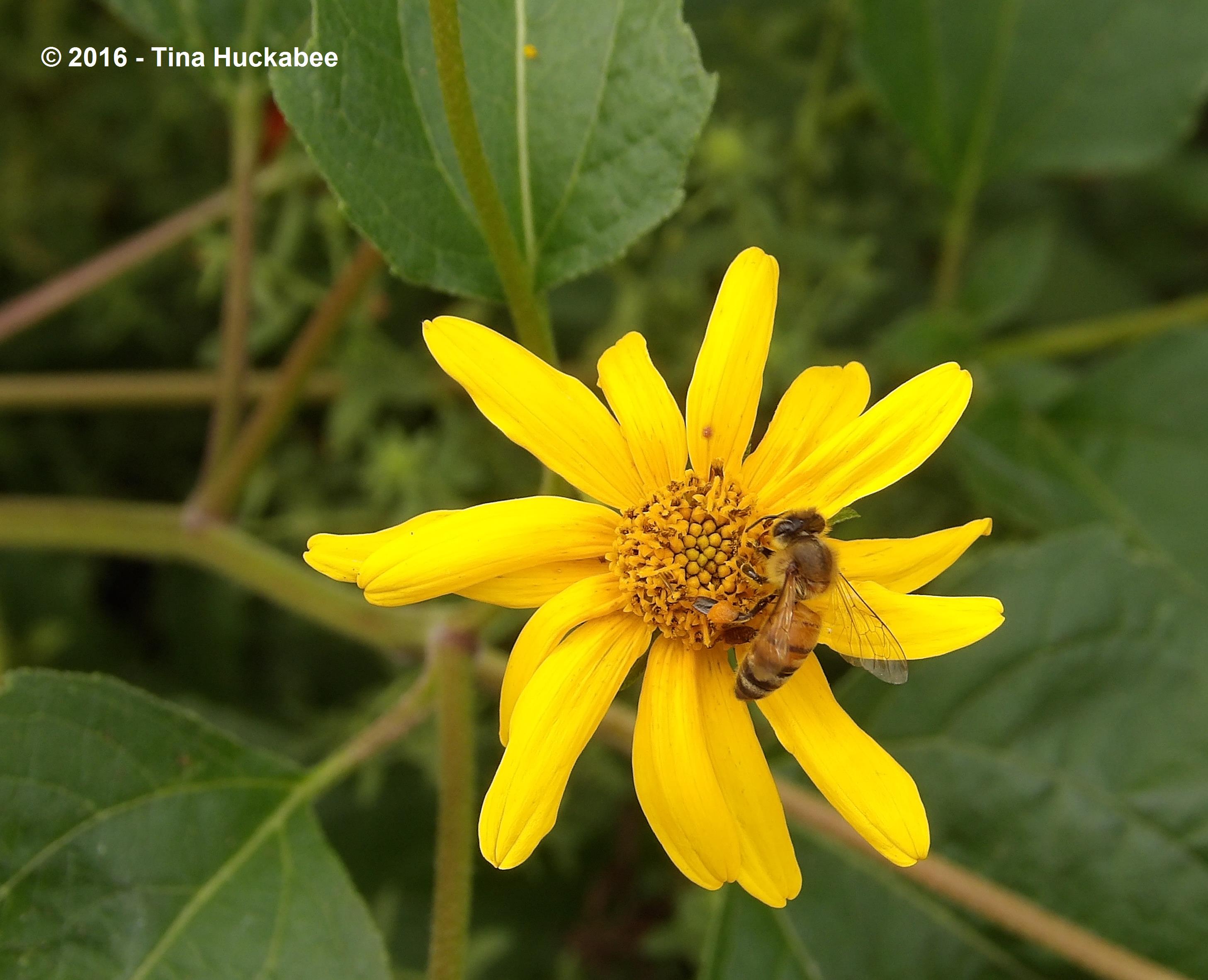
Honeybees (from my three hives) busily worked at the bloom-heavy Plateau goldeneye, Viguiera dentata, as well as everything else, preparing their honey stores for winter.

imgp0282_cropped_2913x2364-new


There are still scads of the charming Southern Pink MothsPyrausta inornatalis, like this one resting on a White tropical sage.  The Pinks are another species in abundance this year.

imgp0446-new


Native bees of all kinds are still working in the garden.  This leaf-cutter, Megachile, was not the only native bee around, but fun to watch as she worked Plateau goldeneye blooms.

imgp0461_cropped_3267x3202-new


Additionally, this past month saw a boon in the Gulf Fritillary, Agraulis vanillae, population.

imgp0305_cropped_3129x2557-new

The foliage decimation wrought on my Passion vine by caterpillars eating and eating and eating,

imgp0442_cropped_3332x2678-new

imgp0454-new

…and then pupating into their adult form wherever they could,

imgp0443_cropped_2820x2654-new

…is all the proof I need to suggest that they’re quite at home in the garden.

imgp0306_cropped_2741x2106-new

I don’t fret about butterfly and moth caterpillars munching on host plants because they generally don’t kill the host, munching away only to some level of plant un-attractiveness. Usually, the plants–like the Passion vine–spring back to full-leafed health quickly and in preparation for the next generation of caterpillars.  Biology dictates that for the most part, the symbiotic relationship between a host plant and its insect is a healthy one, and a plant is rarely, if ever, eaten to death.  From an evolutionary standpoint, it wouldn’t make sense for a host plant to die every time its insect requires reproduction.

Ain’t nature grand?!

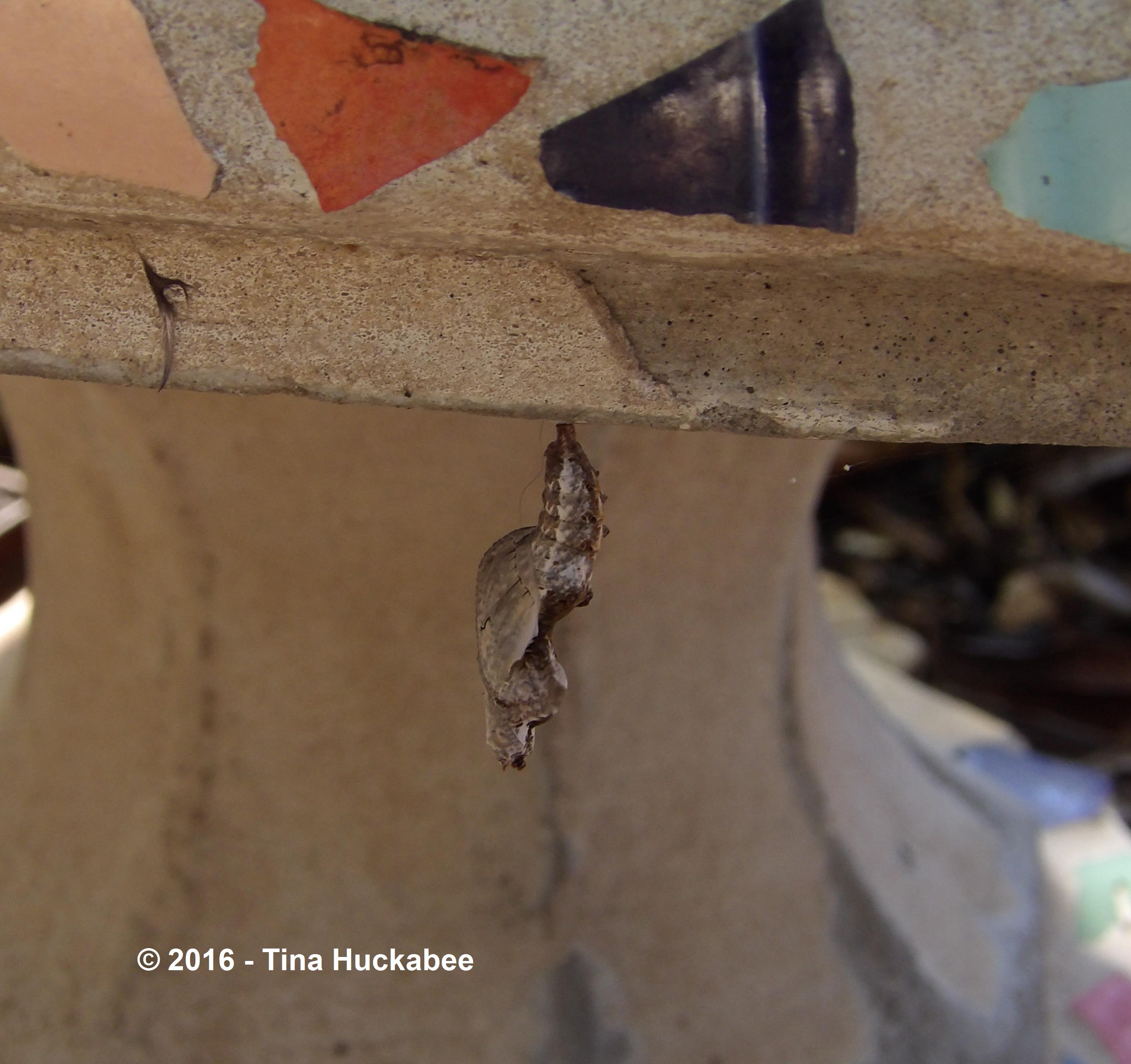
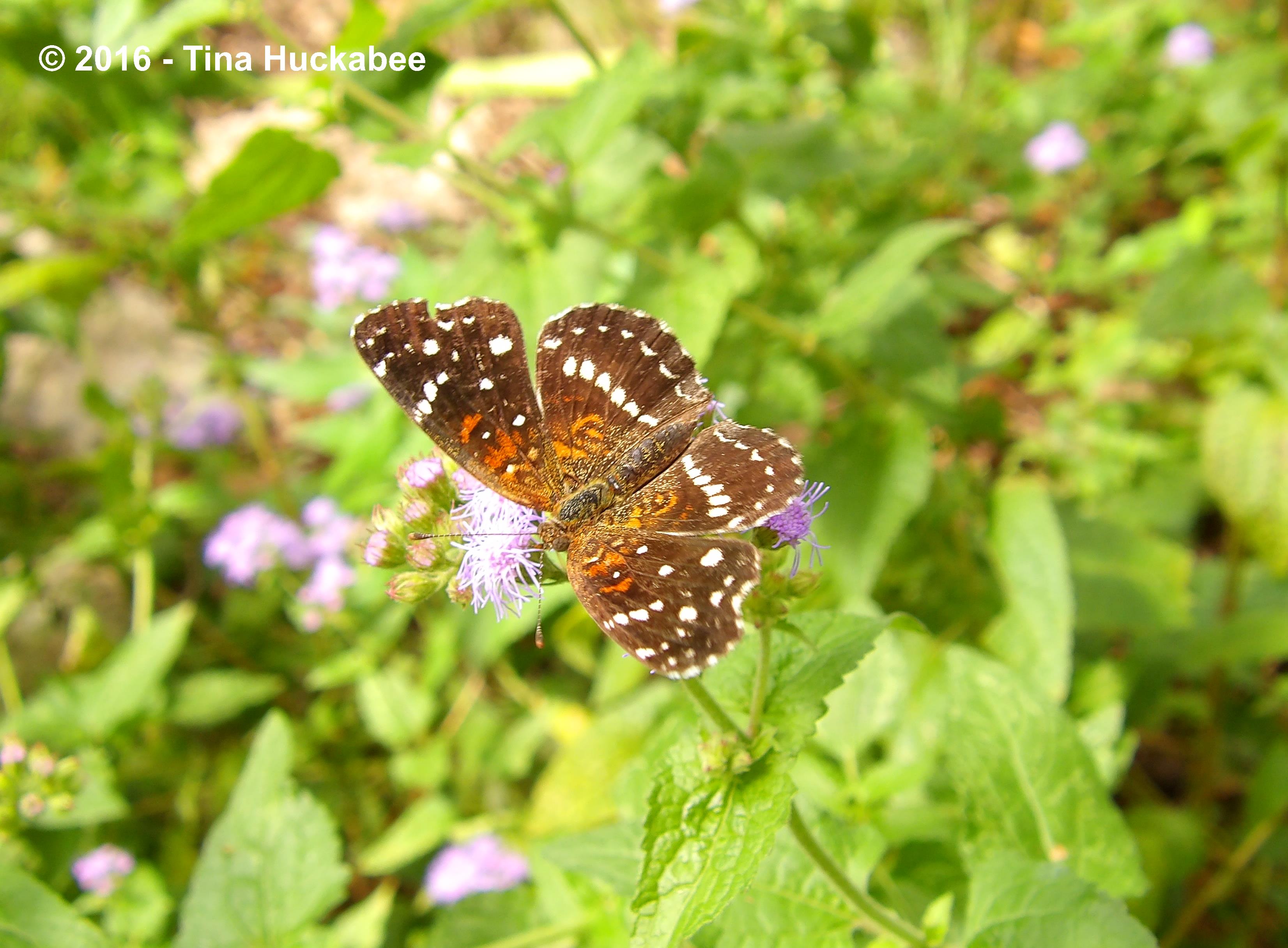
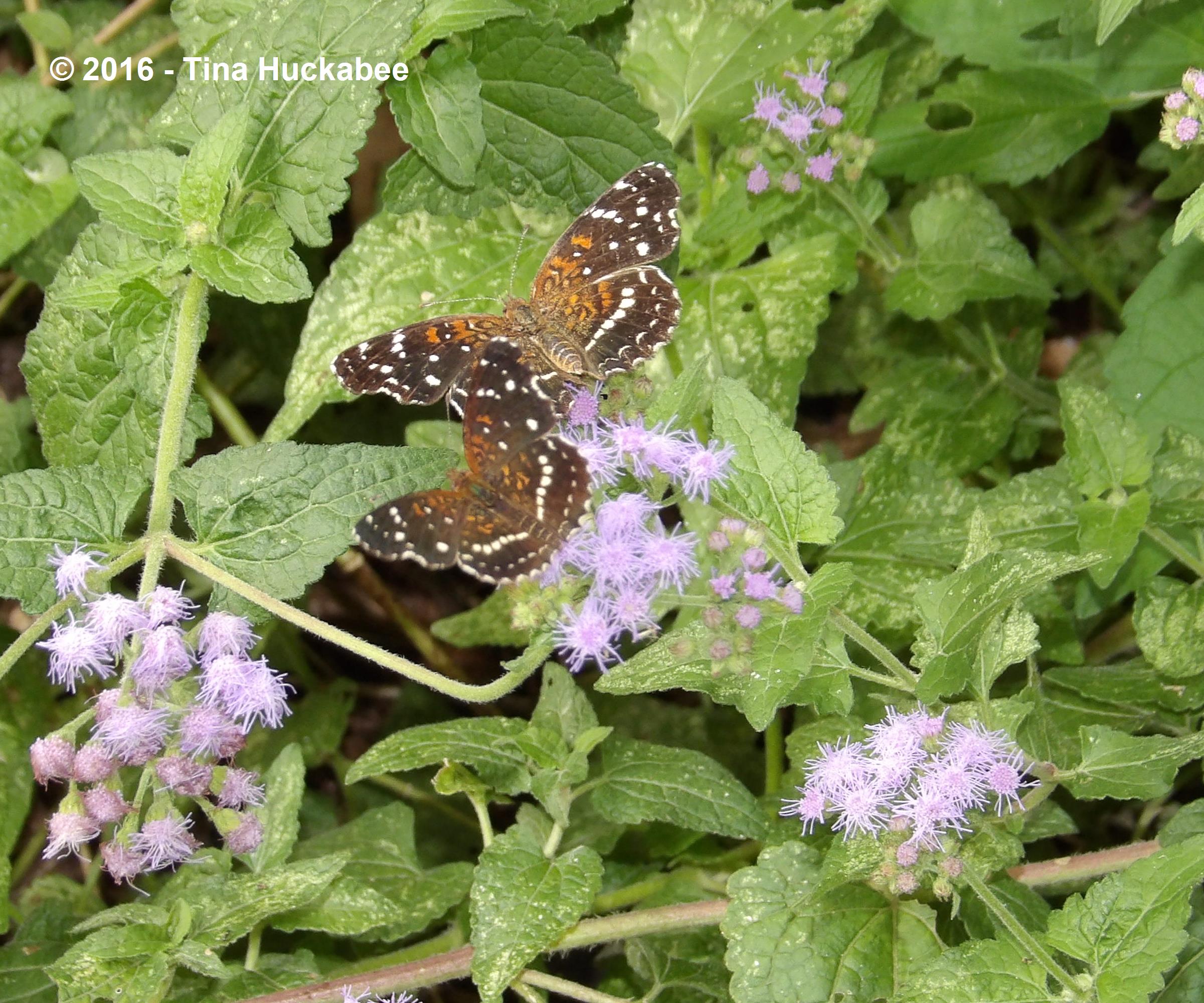
Texan CrescentsAnthanassa texana, 

imgp0276_cropped_3304x2433-new

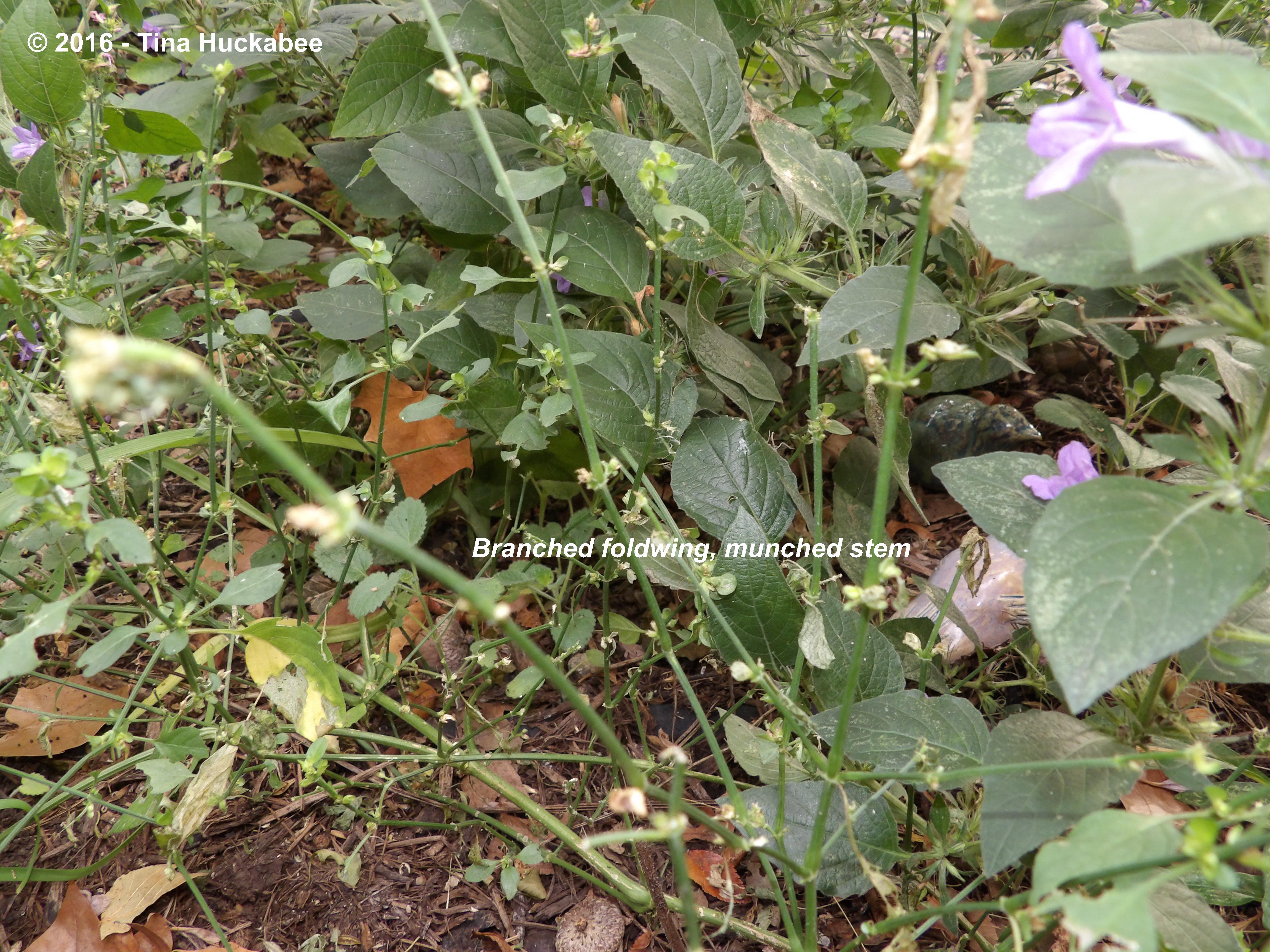
….are eating  their native host plants–the Branched foldwing, Dicliptera brachiata,

imgp0458-new-new

…as can be seen by the green sticks left from the last crop of caterpillars.  No worries about the recover of the plant though, the munched Branched foldwing is already leafing out.  For the remainder of autumn, more of the butterflies will nectar in the garden in clouds of fluttering brown and gold. I missed the opportunity to catch a photo of the nondescript caterpillars, though I’m always happy to get photos of a pretty face–and lovely set of wings.

imgp0269_cropped_2401x2000-new


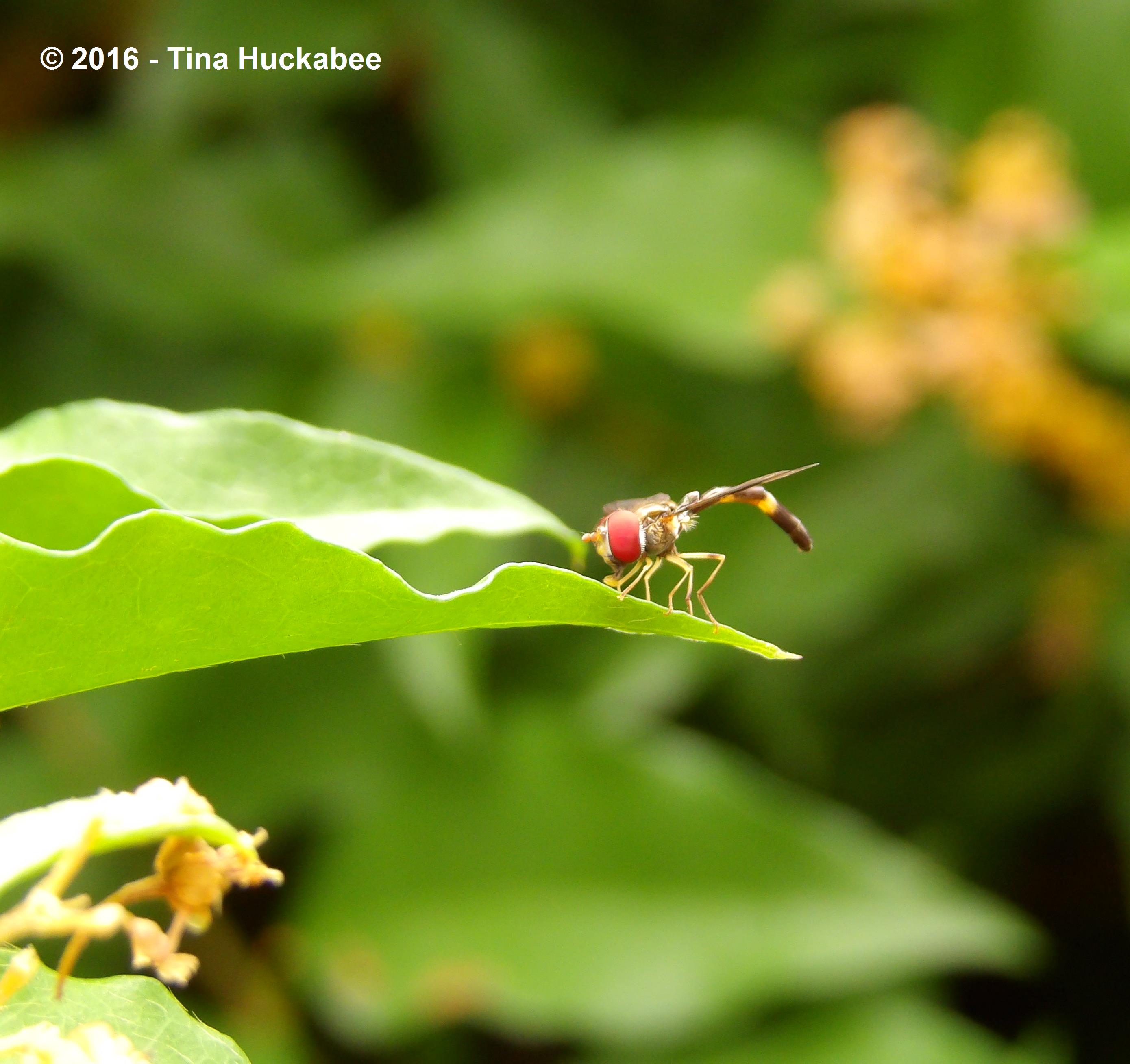
Not only did butterflies and moths grace my garden, but plenty of Syrphid, or Flower flies, appeared too.    For the most part, Syrphid flies haven’t been as numerous in the garden this year.  But recently I’ve seen many of this particular kind, the Distinctive SyrphidOcyptamus fascipennis.

imgp0246_cropped_2613x2060-new

Syrphid on the bloom clusters of the Barbados Cherry (Malpighia glabra)

imgp0253_cropped_2779x2617-new


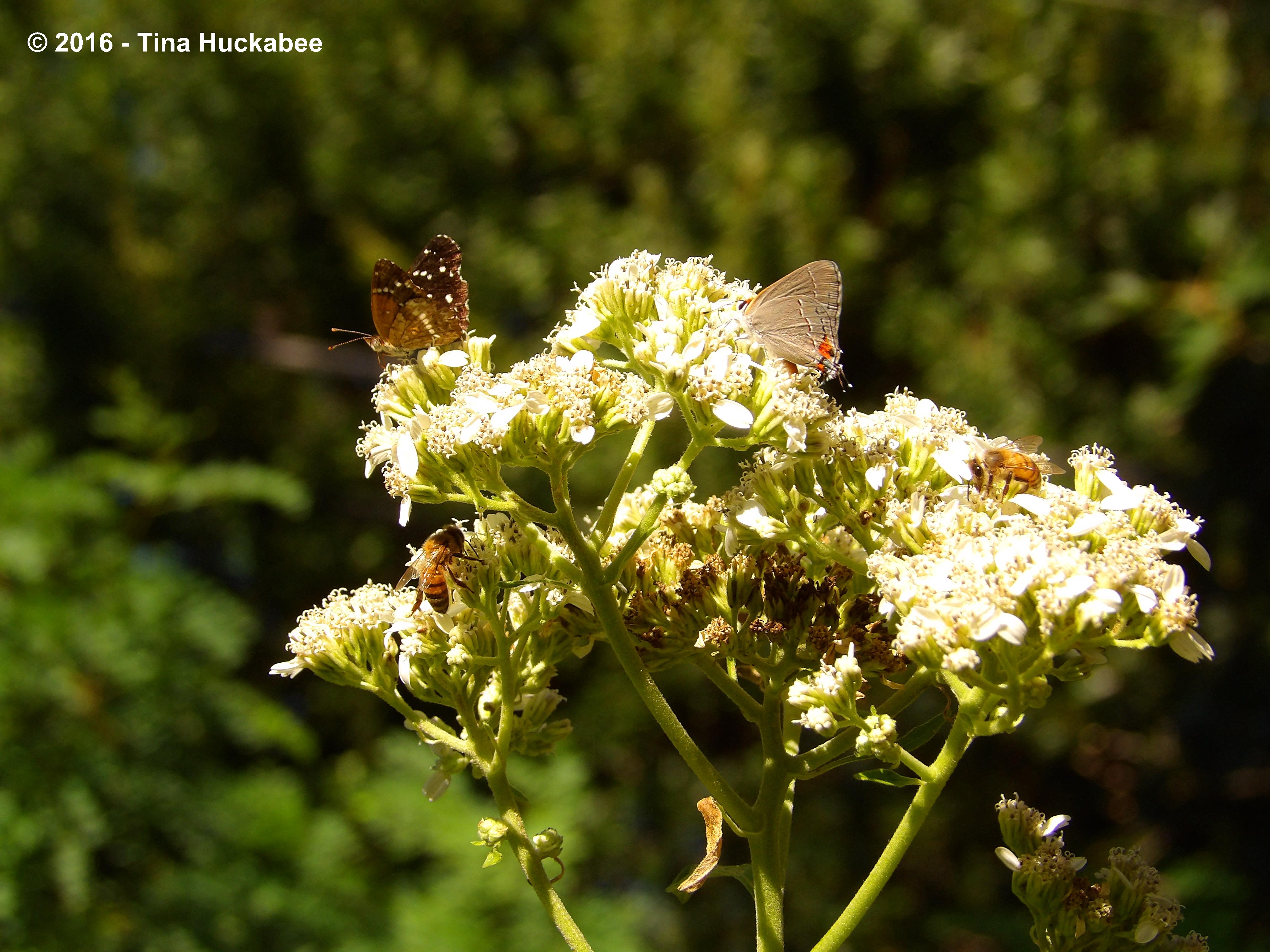
As for what attracts all of these garden gifts, If there was an award for Pollinator Plant of the Month, it would have to go to Frostweed, Verbesina virginica.

imgp0298-new

There are four individual pollinators on this particular flower cluster–and it’s not unusual to see that many pollinators simultaneously feeding on  Frostweed bloom clusters. Where Frostweed grow, insect–especially pollinator–activity is abundant.  Both small and large butterflies, honey and native bees, and eventually, after the blooms are spent,  little finches and warblers choose this plant as a favorite food source.  It, along with the Plateau goldeneye, are amazing plants for attracting and feeding wildlife.  Both plants are easy to grow (Texas natives!) and attractive; both fit especially well in a woodland garden or at the back of a perennial bed.

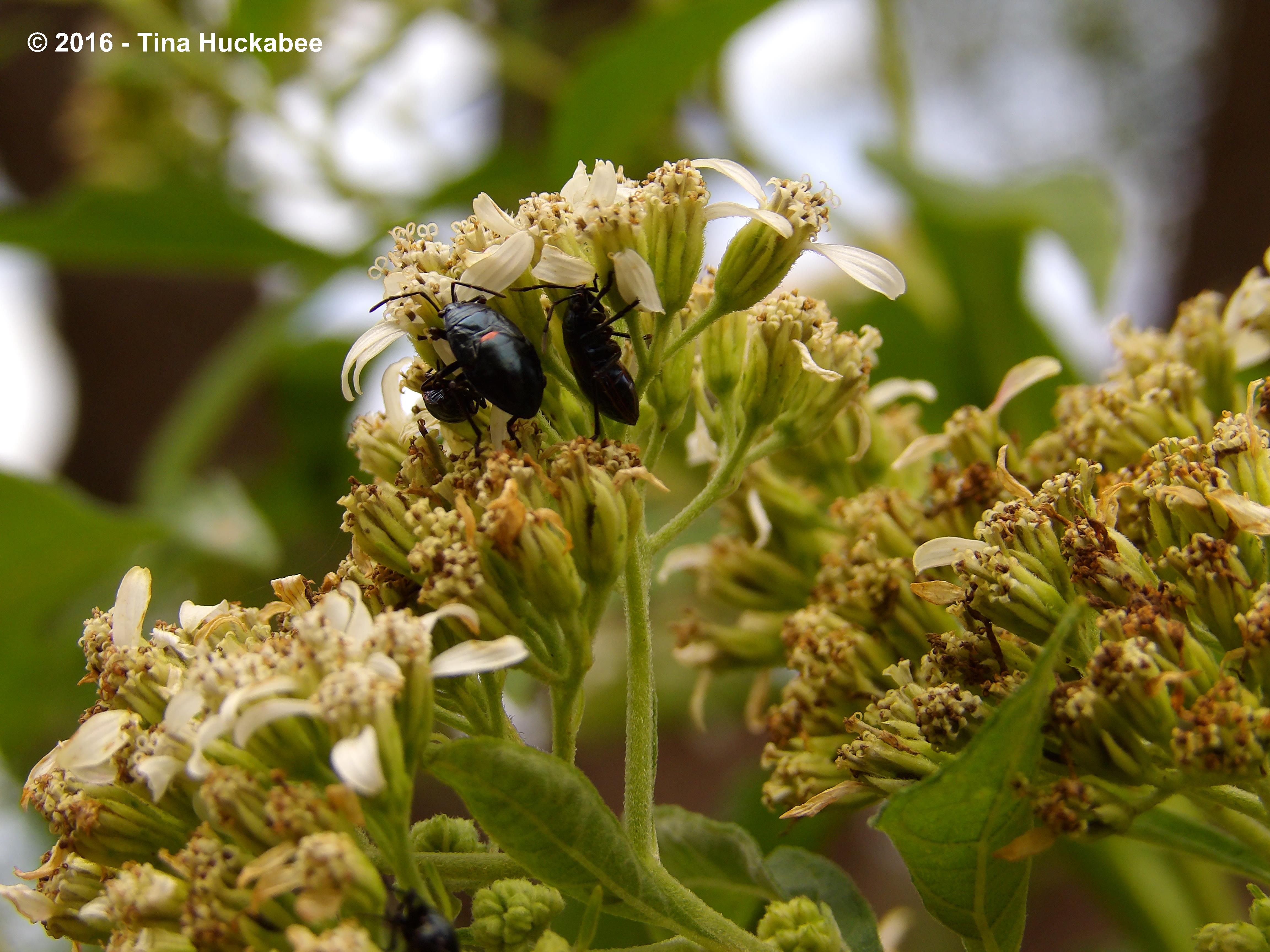
These beetles enjoyed one particular group of Frostweed.  I never quite figured out what kind of beetle they are, but I’m leaning toward an identification as some kind of blister beetle.

imgp0259-new

The adults were definitely nectaring on the flowers,

imgp0260-new

…though the nymphs congregated along fruit or foliage, just hanging out it seemed.  Typical teenagers, I guess.

imgp0263-new

At any rate, the beetles didn’t appear to damage the plants, so I left them alone.

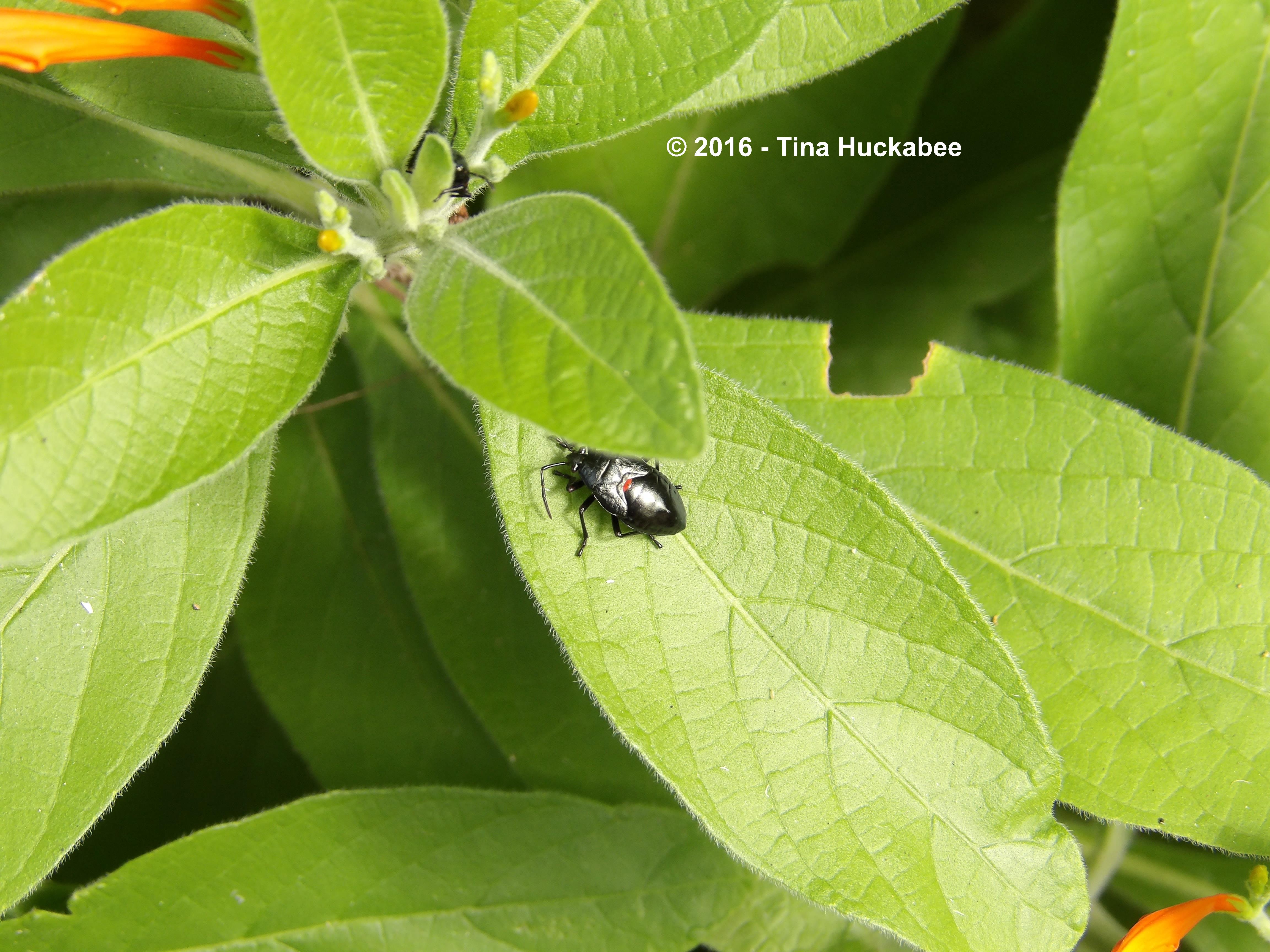
A few beetles visited the Mexican honeysuckle, Justicia spicigera.

imgp0280-new

Like the beetles on the Frostweed, these didn’t appear to harm the honeysuckle foliage or flowers.

This month wasn’t all about pollinators though–this predator Crab spider was clearly waiting to snatch something smaller than herself for a meal.

imgp0314_cropped_2806x2535-new

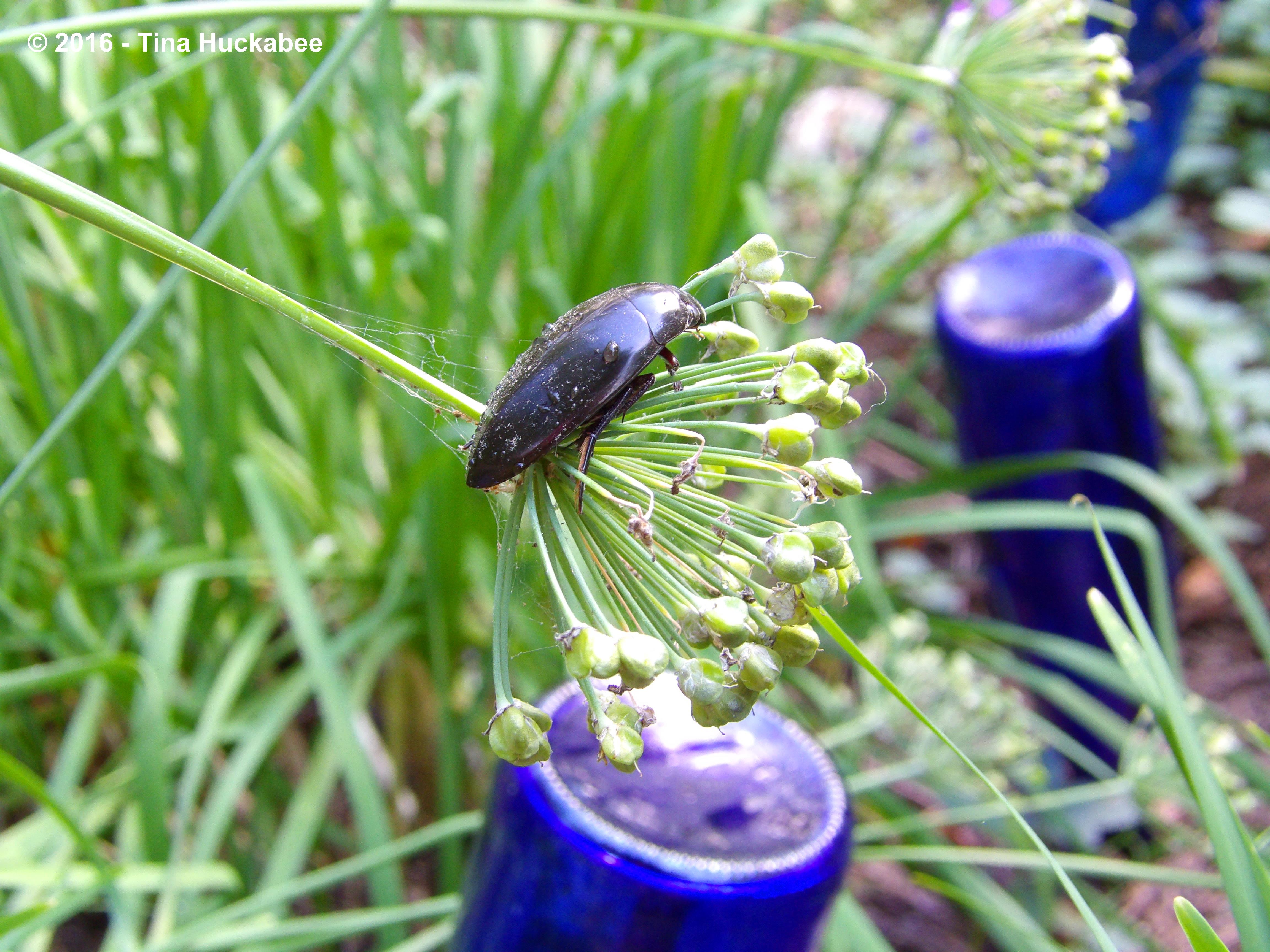
And this Hydrophilidae, a Water scavenger beetle, was loitering on a spent Garlic chives bloom.

imgp0309-new

Not quite sure what this one was up to, but I think he’s a little menacing looking.  He neither spit nor lunged at me, so I suppose he’s okay and we can be friends, or at the very least, co-workers in the garden.

Did wildlife visit your garden this past month? Please post for November Wildlife Wednesday. Share the rare or mundane, funny or fascinating, beneficial or harmful critters you encounter. When you comment on my post, please remember to leave a link to your Wildlife Wednesday post so readers can enjoy a variety of garden wildlife observations.
 

Wood-n-Things

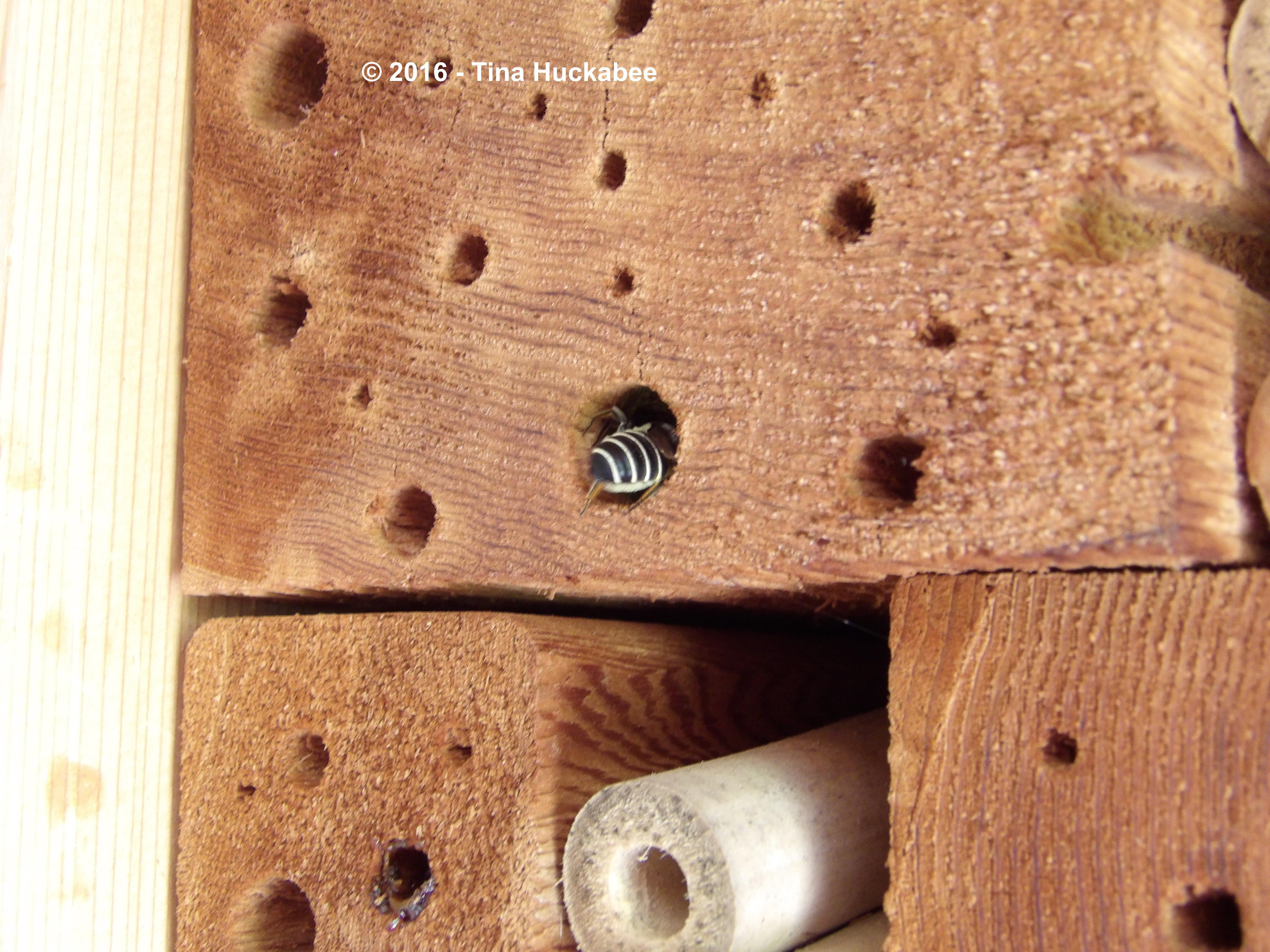
Holes.
IMGP8729.new

Hole originally drilled in limestone to hold a shelf on an outside wall of my home, but taken over by a native bee and packed with soil and pollen.
Holes are a good thing.

IMGP8654.new

Holes drilled by a native bee in a log and also in the wood frame on my back patio.

Holes in wood and masonry and bare ground and leaves suggest that pollinators are at work and planning for the next generation.

Continuing  the celebration of National Pollinator Week, let’s talk  about those critters making the round holes: let’s talk native, or wild bees.  According to the U.S. Geological Survey on native bees, there are roughly 20,000 native bee species in the world, about 4,000 of which are endemic to  the U.S.  Native bees are found on every continent (except Antarctica) and are some of the most important, if unnoticed and unappreciated, of the hard-working pollinators.

Many native bees are so tiny that you wouldn’t see them unless you’re really looking.

IMGP7434_cropped_3120x2677..new

Tiny miner bee on a Zexmenia (Wedelia acapulcensis).

Other native bees, like this Horsefly-like Carpenter bee, Xylocopa tabaniformis, are larger.

IMGP8568_cropped_2936x2792..new

Horsefly-like carpenter bee on a Engelmann’s daisy (Engelmannia peristenia). Additionally, check out the holes on the petals–probably made by a leafcutter bee.

Native bees are remarkably beautiful.

M0066017.new

Colorful metallic sweat bee on a Coral honeysuckle (Lonicera sempervirens).

Regardless of size or looks, native bees are the bomb when it comes to pollinating abilities. They are some of the best and most efficient pollinators you’ll ever want to invite into your garden.

Not all native bees make holes in wood or leaves and petals for their nests, but they all need certain environmental qualities to live and thrive.  We know that native bees are declining and some of the common reasons are as follows:  reduction of habitat, pesticide use, lack of pollinator plants.

How can you be a part of the solution to slow the native bee decline? Make your garden welcoming to these important creatures. Many native bees (like bumblebees) nest in the ground. You can allow a portion–it doesn’t have to be a large area–of your property to host some bare soil: no mulch, no cement, no hardscaping, no garden or turf of any sort.  I keep a fenced-off work and storage area where my compost bin is located.  It’s not mulched, though I’ve allowed some native plants to seed out. (I just can’t help myself.)  To some eyes, it’s “messy,” but to native bees’ eyes, it’s a welcoming neighborhood with good homes for their babies. And we all want good homes for our babies, right?   A sterile, uber-clean look is not something that native bees like.  While I haven’t spent much time searching the area for bees’ nests, I have noticed that my gardens host more native bees since I allowed this area some wildness.

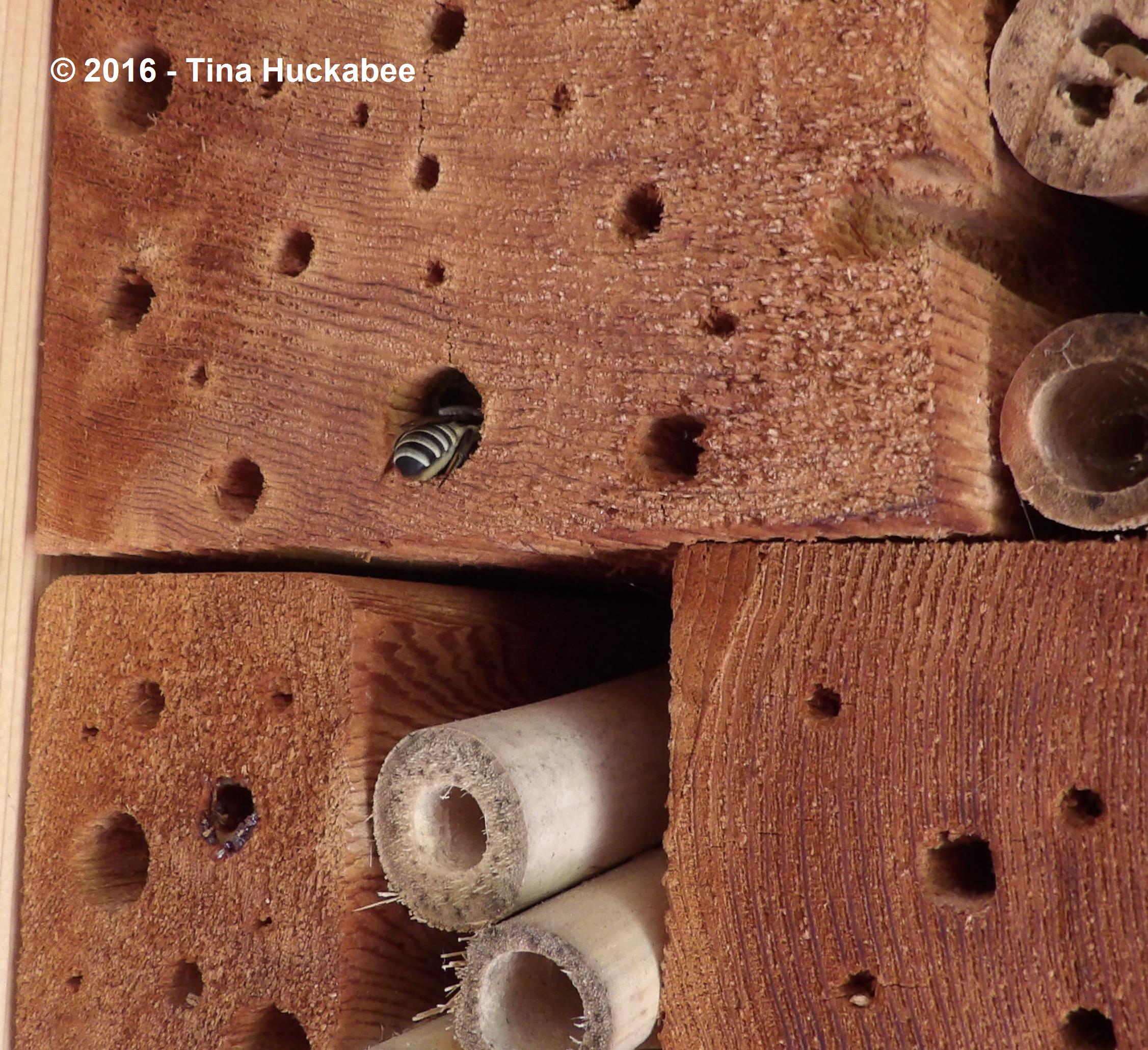
Many home gardeners are building native bee/insect hotels and that’s a fun way to help native bees find protected homes for their offspring.

IMGP8557.new

This leafcutter bee flew in and out of the hole over the course of several days.

IMGP8555_cropped_2253x2060..new

IMGP8600.new

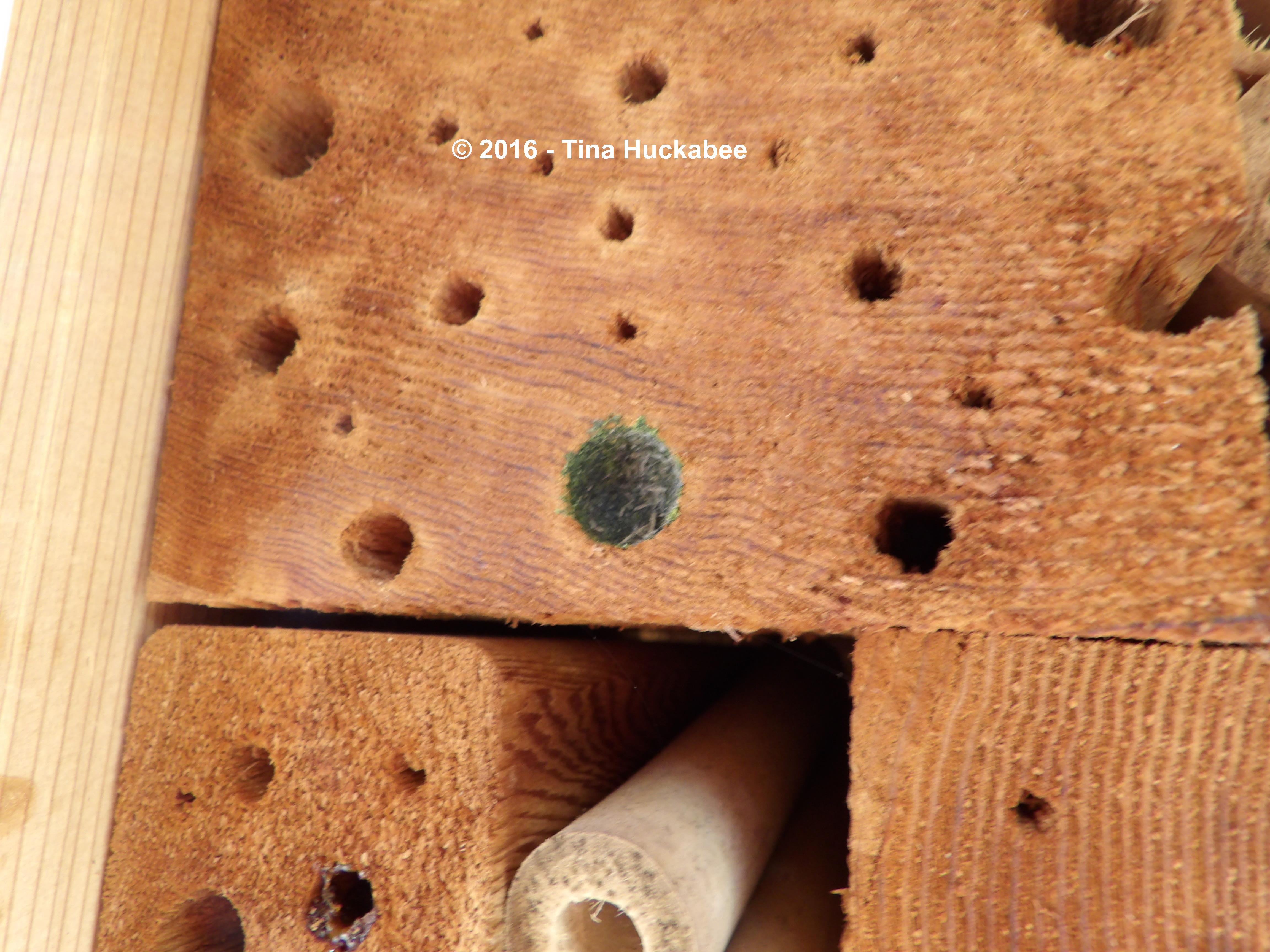
When she was done, she’d packed the hole holding her eggs with pollen, leaves and who knows what else. Her babies are safe and sound.

IMGP8483.new

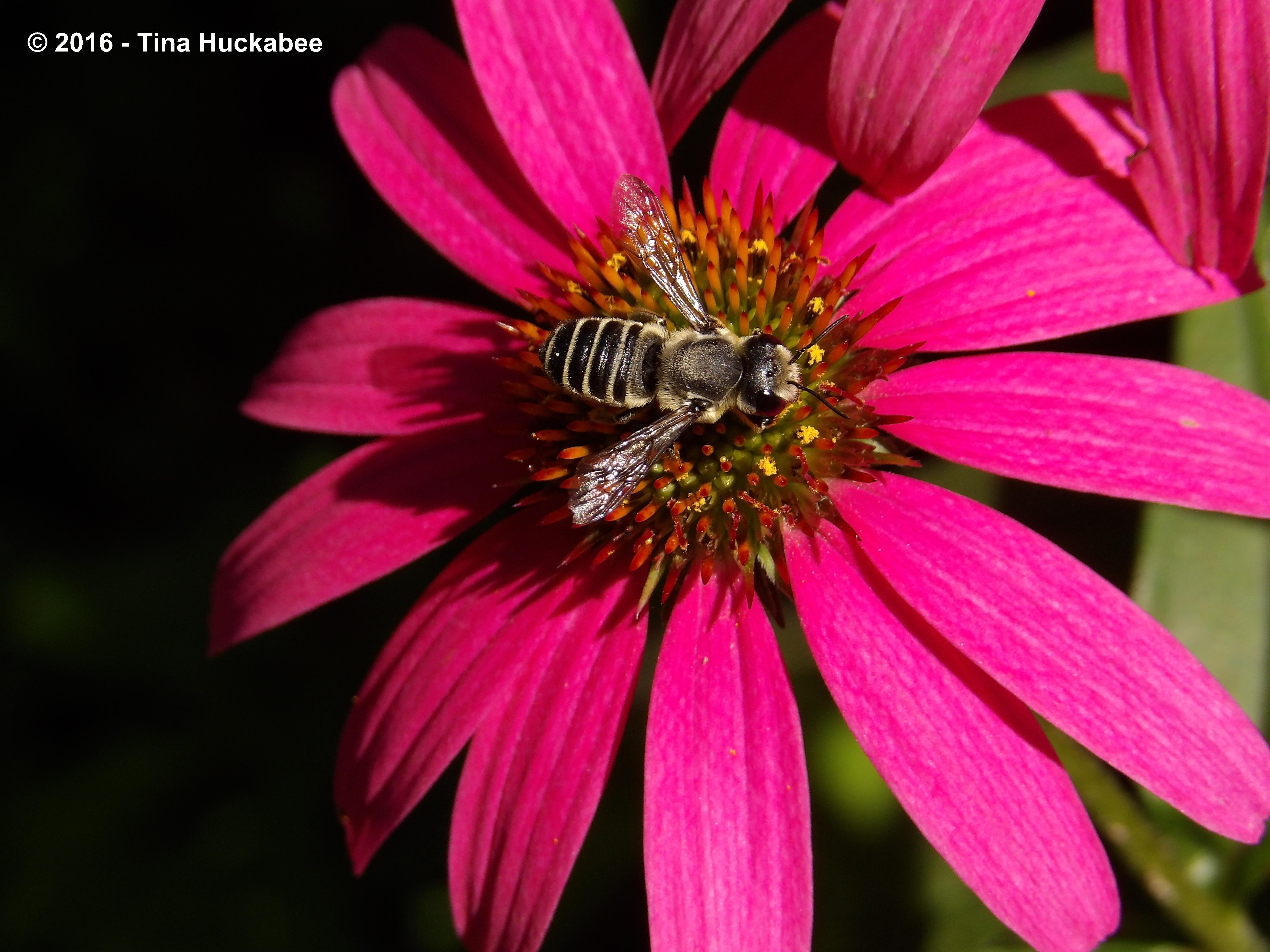
Here’s the same bee type nectaring away on a Purple coneflower (Echinacea purpurea).

I wrote about my insect hotels here, but there’s plenty of information available on the Internet or through garden resources about building insect hotels or houses. These are simple and fun projects to do with kids.

IMGP8480.new

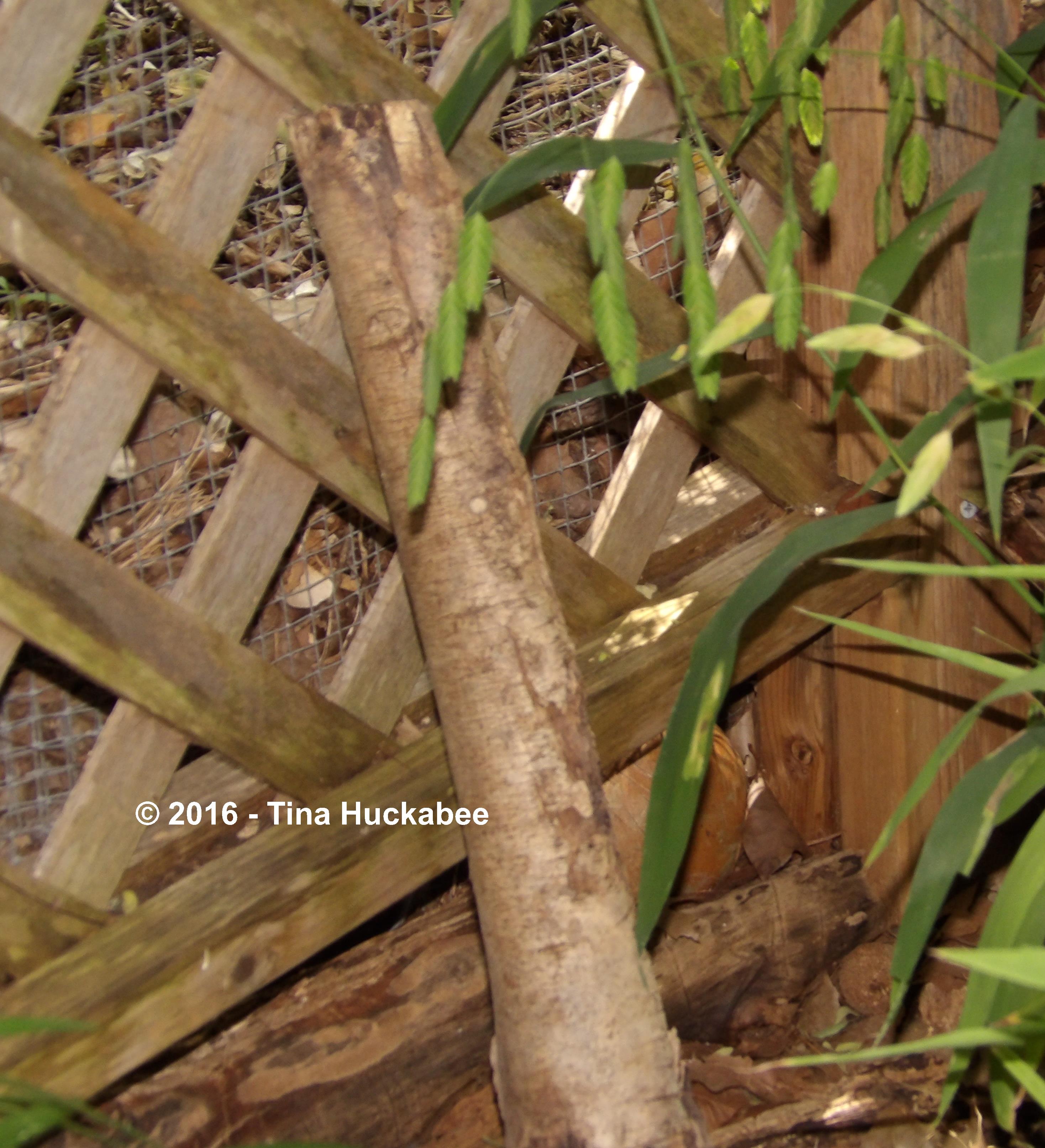
One of the easiest things that will allow native bees to settle in to your garden is to leave firewood (that you won’t use) or downed tree limbs on your property.

IMGP8737_cropped_2936x3226..new

Certain species drill into wood and lay their eggs, so it’s a effortless way to ensure that they have a safe home for their bee babies.

IMGP6970_cropped_2783x2770..new

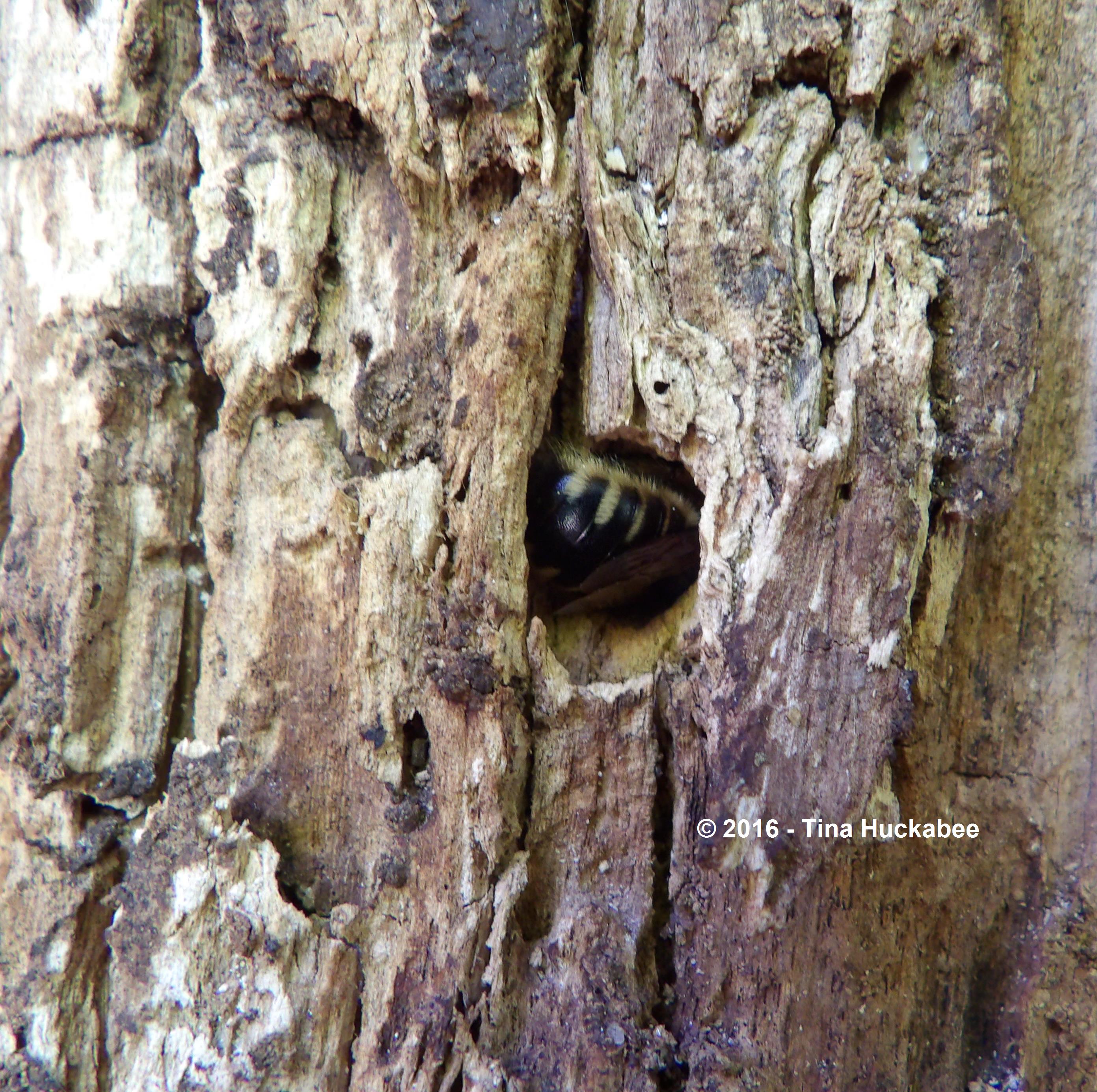
Horsefly-like carpenter bee working in her nest in a wood log.

I’ve laid logs of wood in various spots around my garden; bees have no trouble finding the wood and getting to work making nice homes for their families.  If you cut down a tree, keep some of the wood and maybe even the stump.  You can drill holes to give your native bees a head start, or leave them to it.  Either way, it’s a win and native bees and your garden will be healthier for it .

Another way to help slow the decline of native bees in your area is to refrain from pesticide use.  There are myriad reasons why home gardeners shouldn’t rely on pesticides, but allowing native bees to nectar and collect pollen, and to create those cool holes in leaves for their nests, are but a couple.  Remember that pesticides kill–that’s their job.  For example, if you’re spraying for adult mosquitoes,  the pesticide will kill bees, butterflies, moths, and all other insects that the chemical comes in contact with.  Pesticides don’t discriminate–they kill all “pests”, aka, insects.

Plant for pollinators!!  That’s the fun part.  It’s best to use native bloomers if you can get them.

IMGP7001_cropped_2930x2866..new

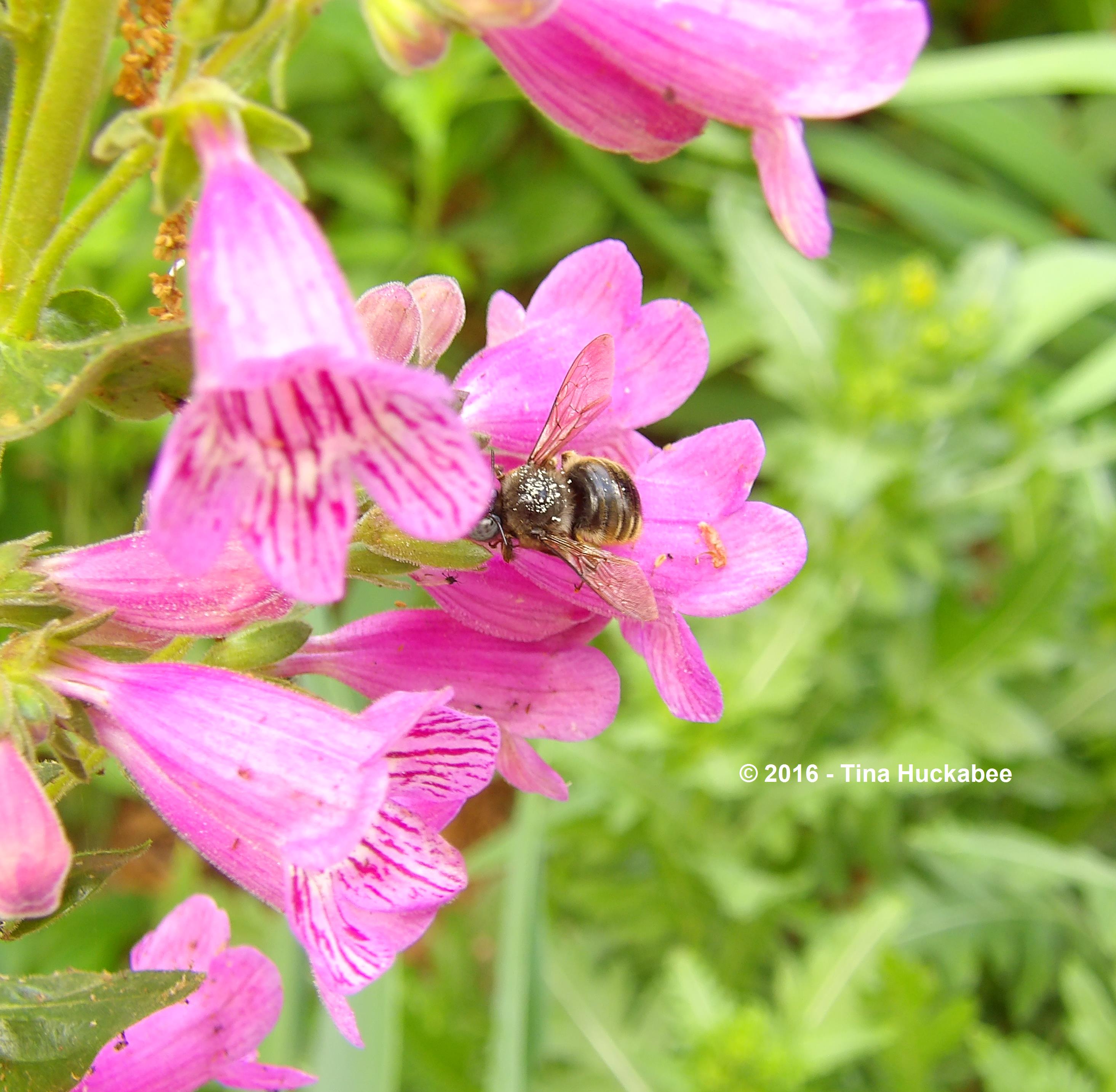
Horsefly-like carpenter bee working a Hill Country penstemon (Penstemon triflorus).

IMGP8479.new

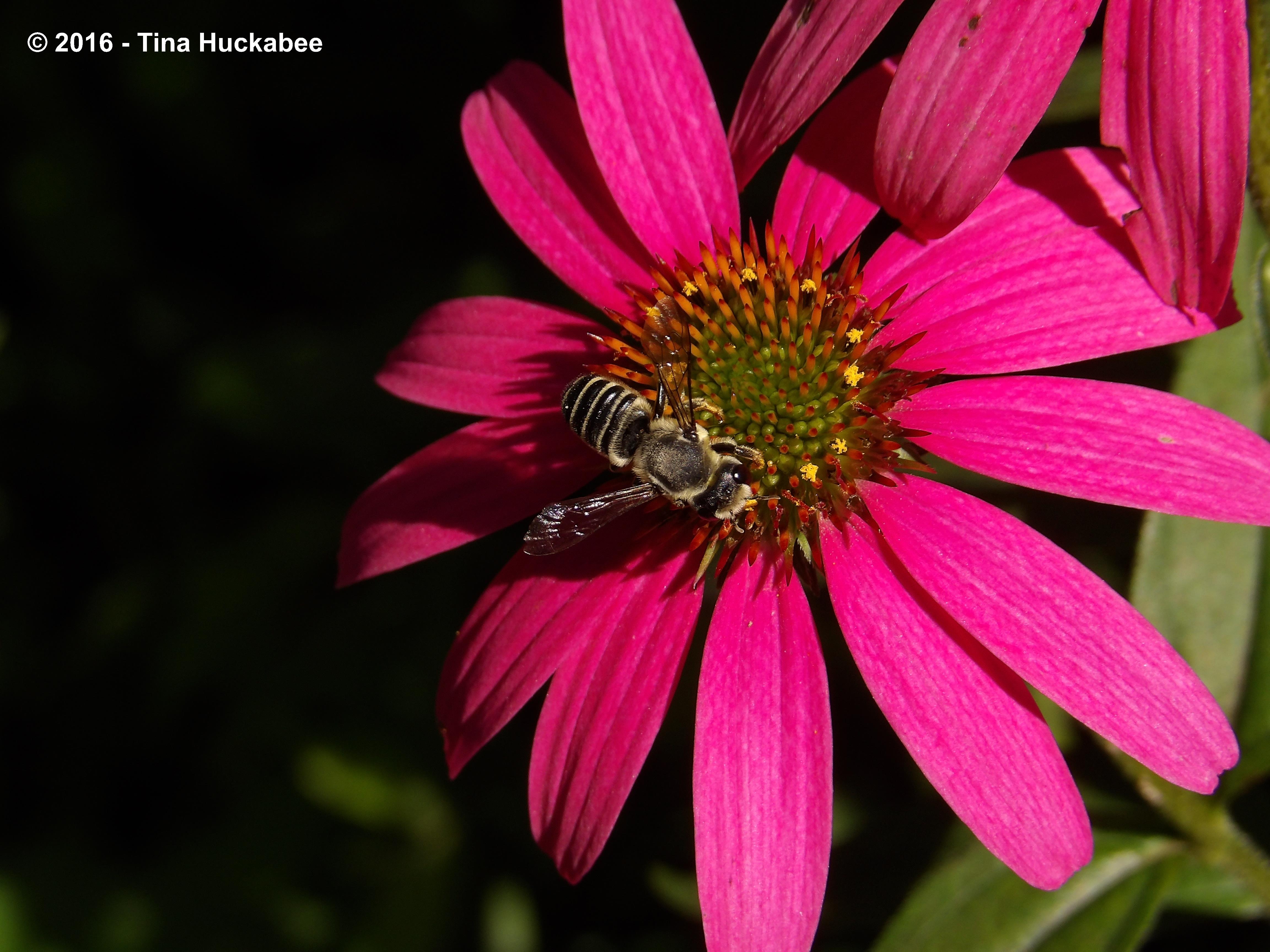
Leafcutter bee on a Purple coneflower.

IMGP5430_cropped_2682x2272..new

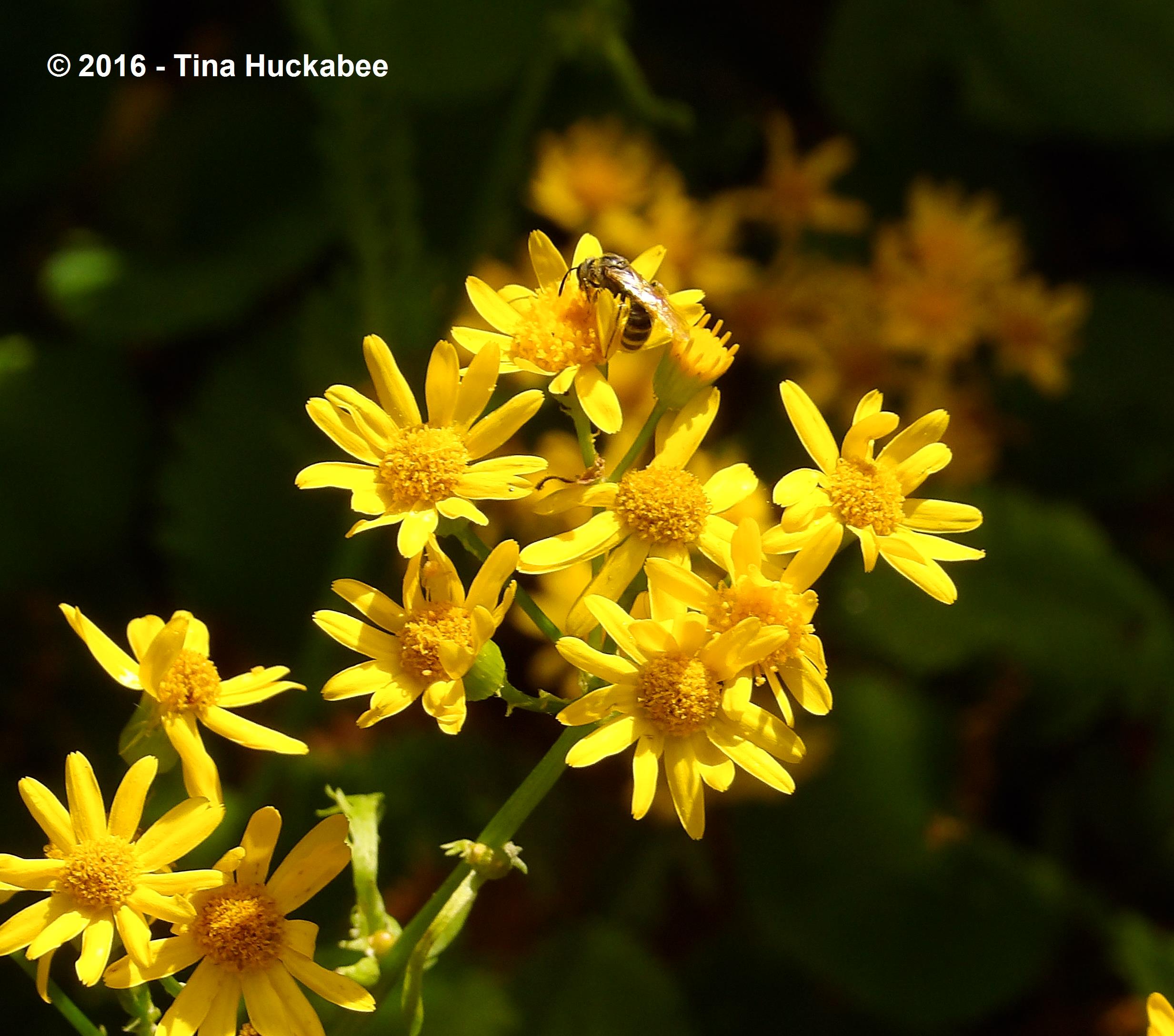
Mason bee (Osmia) (?) on Golden groundsel (Packera obovata).

IMGP5381_cropped_2465x2175..new

IMGP8476_cropped_2456x2466..new

Horsefly-like carpenter bee on Henry Duelberg sage (Salvia farinacea ‘Henry Duelberg’).

If native plants are not readily available, choose well-adapted, non-native perennials and annuals and have fun planting!

IMGP8897.new

Metallic sweat bee on passalong daylily.

Don’t forget that flowers bloom in seasons other than spring–plant for year-round flowering (even in winter if you live in a mild climate) so that pollinators are kept busy and happy.  You’ll enjoy the beauty of the blossoms and the insects that visit and you’ll help repair the world in your own back yard. And front yard too!

When my children were little, we enjoyed observing the the visits of giant, gentle bumblebees–you know the type, the huge black, yellow and fuzzy bees.  The bees were especially fond of a large salvia shrub with blue blooms and at times, there were 20 or 30 of these bees working the blooms all at the same time.  They were fascinating to watch–so focused and single-minded as they gathered nectar and pollen and so gentle, that I could pet them. (I didn’t do that in front of my little ones. No sense in encouraging that!)

There was a field not far from our street, full of native wildflowers and grasses.  Of course, it was going to be developed at some point and in fact, two new neighborhood streets with tidy little single family homes were built over the field.  From a neighborhood perspective, it was the best possible outcome; certainly better than a hotel or yet another shopping center.  But after the construction began, we never saw the bumbles again.

Not one.

Not ever.

I recently saw a giant black and yellow and fuzzy bumblebee in my back garden.  I only saw her twice, didn’t get a good photo of her, but she was there, early two mornings, working the flowers.  I have no idea where her home is.  I can only hope there are more like her and that they have a safe ground home somewhere and plenty to survive on.

Pollinators are life–they pollinate the food we eat, products we use, and they make the world a lovelier and more interesting place in which to live.  Pollinators deserve our attention and respect; they deserve to live.  If you don’t have a pollinator garden, well, why not give it a whirl?  It’s not hard to plant for pollinators–you’ll be amazed by their beauty and impressed with their work ethic.

Happy National Pollinator Week!