Bloom Day, February 2015

Welcome to Garden Bloggers’ Bloom Day, hosted by Carol at May Dreams Gardens where we celebrate flowers that may have been given to a Valentine’s crush. Whether planted in the garden or gracing a vase after Valentine’s Day,  flowers of all sorts are always worth gushing ‘n crushing about.

It’s been a mild winter in Austin, Texas–a very April-esque  February, in fact. However, winter is apparently on her way back, reminding us that it’s not quite spring yet, folks. There are blooming lovelies though, ramping up with the longer and warmer days.

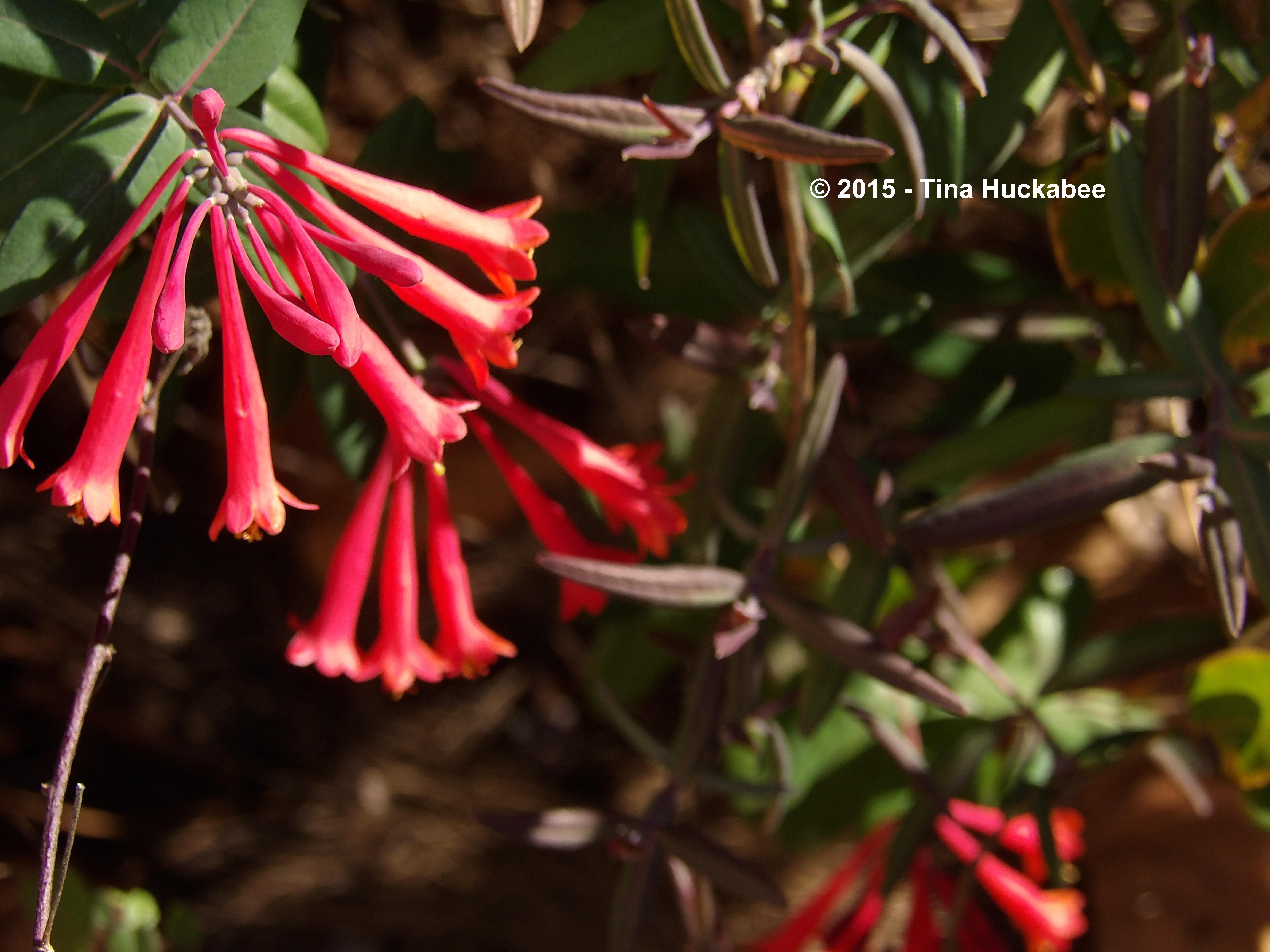
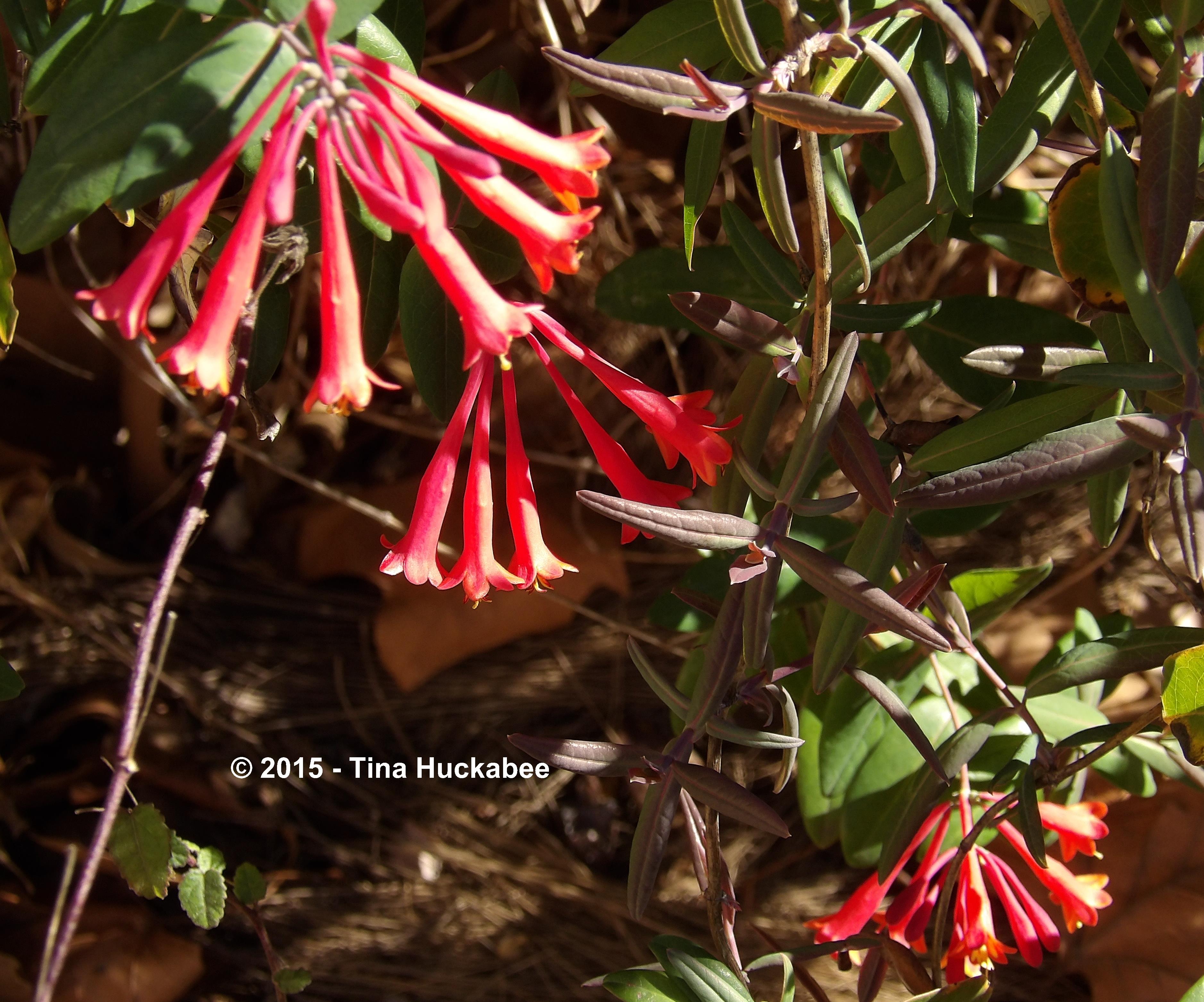
Coral Honeysuckle, Lonicera sempervirens, a beautiful native-to-Texas vine is showing off the first of its pendant-like bloom clusters,IMGP5288.new

IMGP5290.new

…there will be more to come in the next months.

IMGP5289.new

IMGP5291_cropped_3755x3124..new

By March, this vine will be loaded with glorious, tubular goodness and hummingbirds (hopefully), as well as other assorted pollinators will be all over it.

Honeybees are still working the Leatherleaf MahoniaMahonia bealei, on warm days.

IMGP5299.newIMGP5297.new

IMGP5298.new

The blooms will fade soon and that’s when the bees will move on to other nectar/pollen sources. The resulting fruits are just beginning,

IMGP5302_cropped_4156x3387..new …and will fully develop in the next few weeks.  Birds will swoop in–primarily Blue Jays and Mockingbirds in my garden. They love juicy Mahonia fruit.

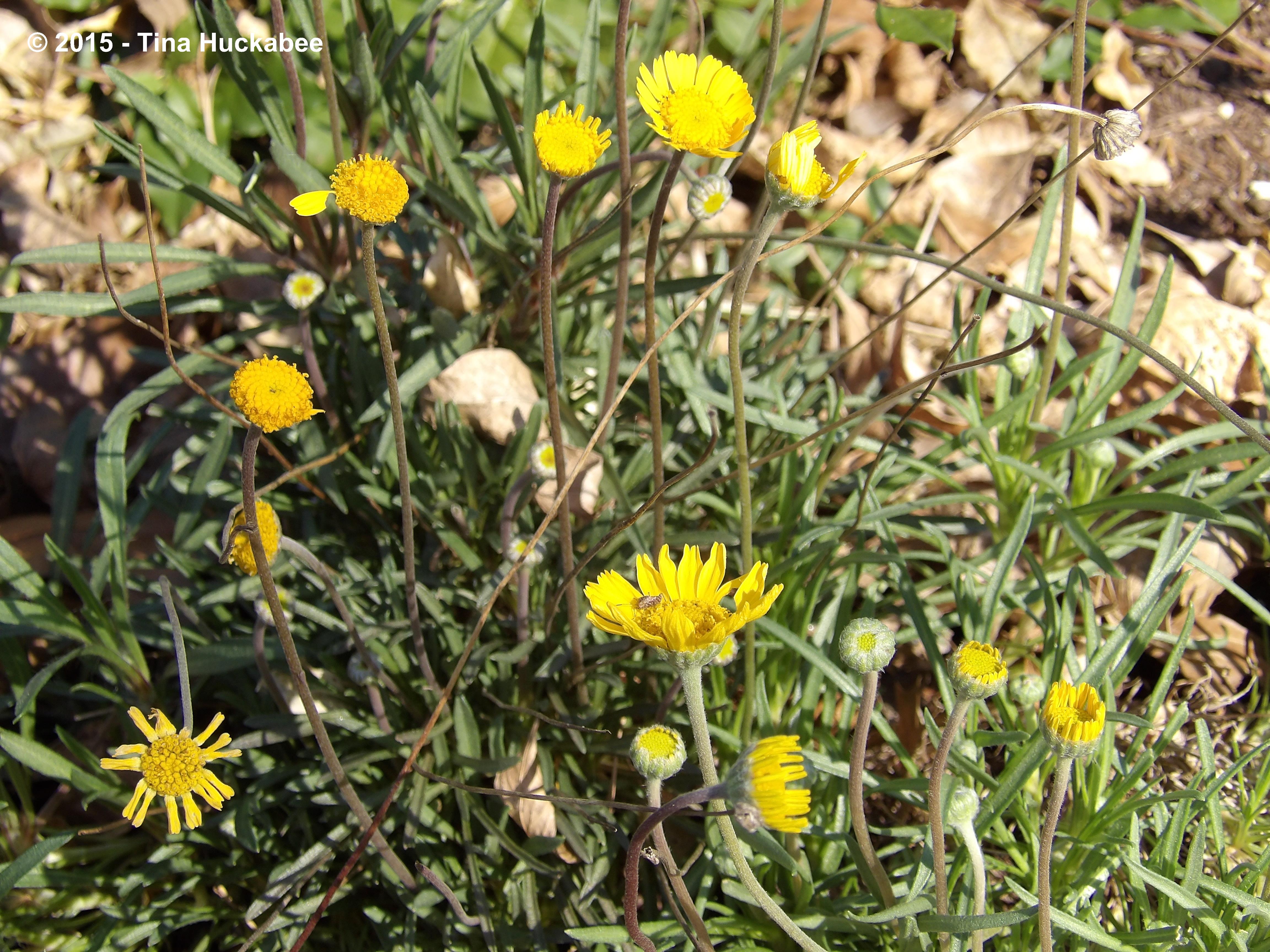
 Four-nerve Daisy or HymenoxysTetraneuris scaposa, has blossomed all winter. There are definitely more dancing daisies as the days lengthen, IMGP5292.new

…and visitors are stopping by for a sip of nectar or bit of pollen.

IMGP5293_cropped_3493x3013..new

This lone bloom heralds the start of Purple ConeflowerEchinacea purpurea, blooming season.

IMGP5294.new

Yippy!  I can hardly wait!

IMGP5295_cropped_2811x3290..new

Valentine’s Day is behind us and spring (or fall, depending upon where you live), is almost upon us.   May Dreams Gardens showcases plenty of blooms from around the world on this February bloom bouquet–check it out.


Cedar Sage Sensation

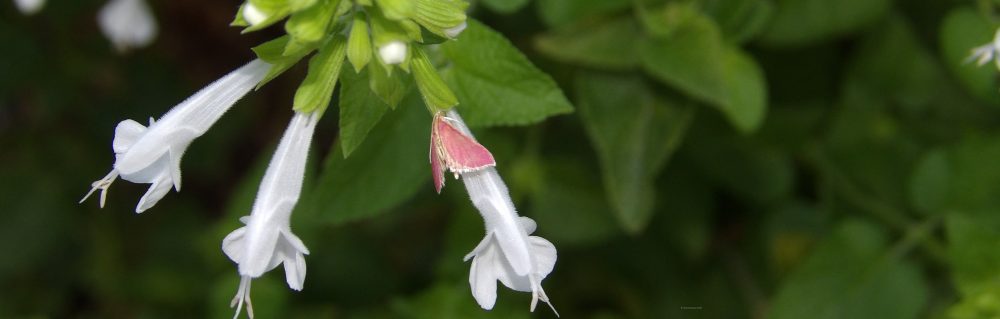
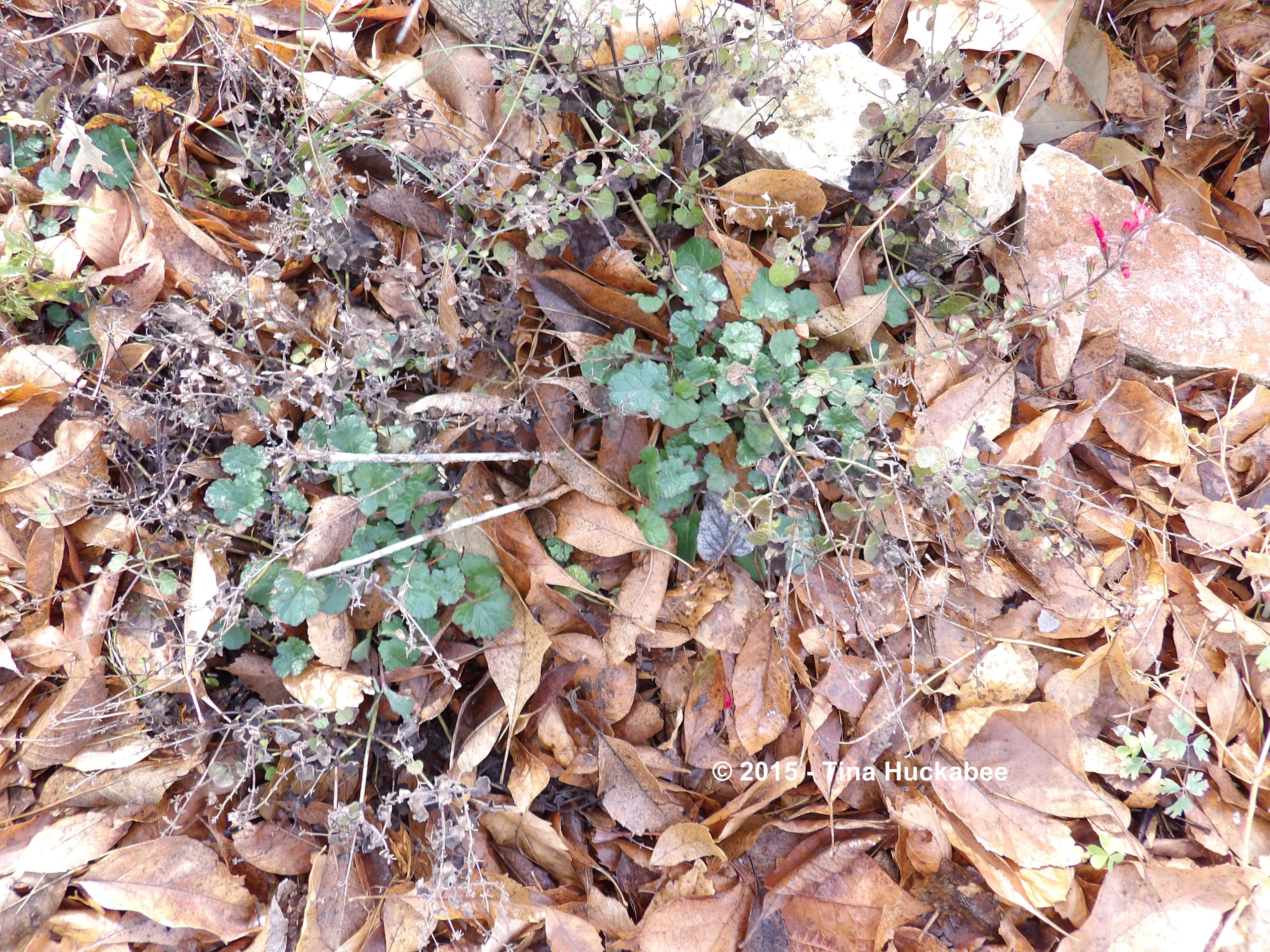
Normally, I wouldn’t give Cedar Sage, Salvia roemeriana, much thought this time of year. A lovely perennial which reaches the zenith of its beauty during spring blooming time, the nice little winter rosettes,

P1030621.new

…are fine-n-dandy, but not enough to ‘wow’ about now.   But it’s Wildflower Wednesday (thanks to Gail at clay and limestone for hosting) and I’m going to gloat a bit because one of my Cedar Sage plants is in flower-power mode!IMGP5086.new

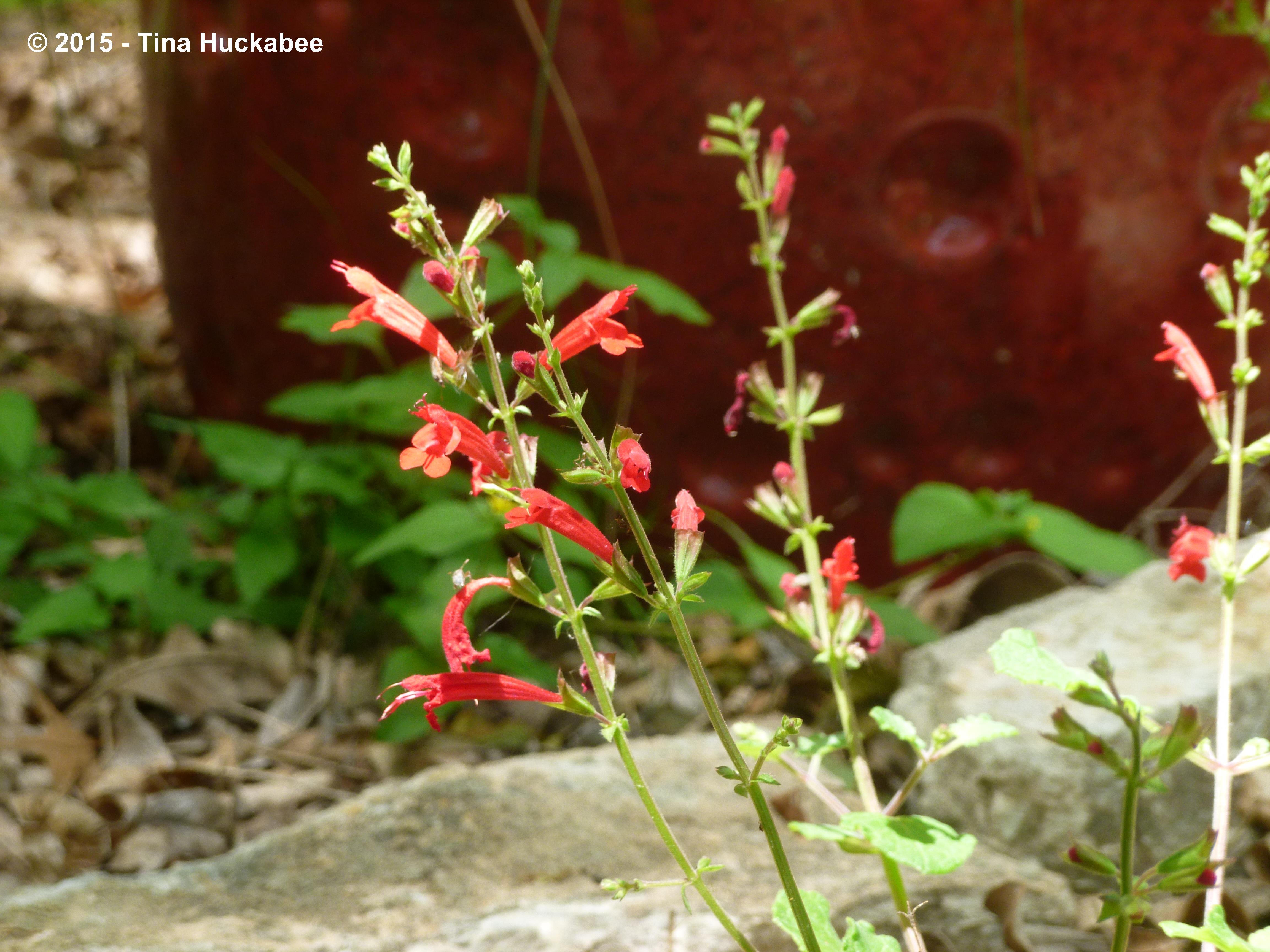
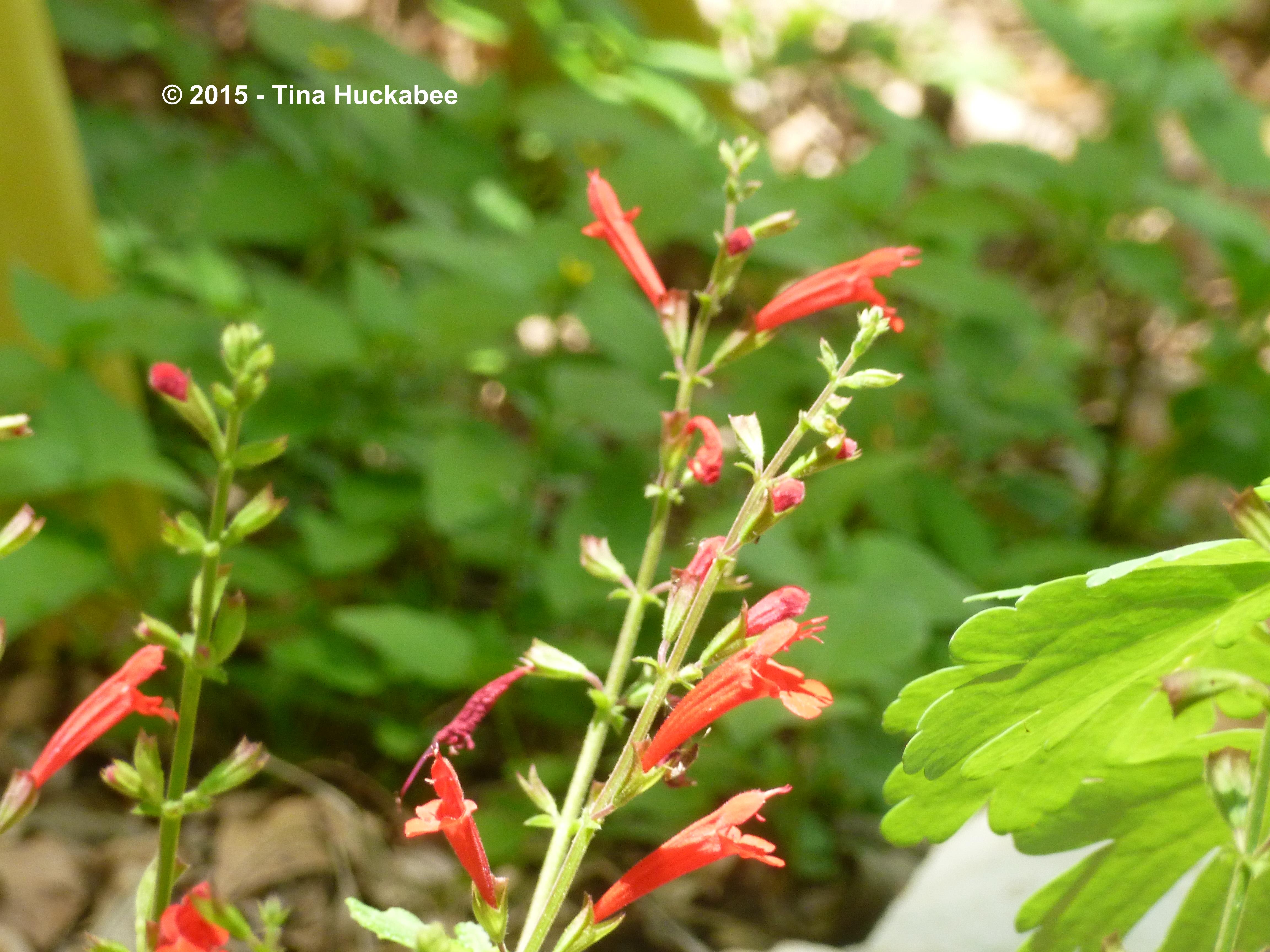
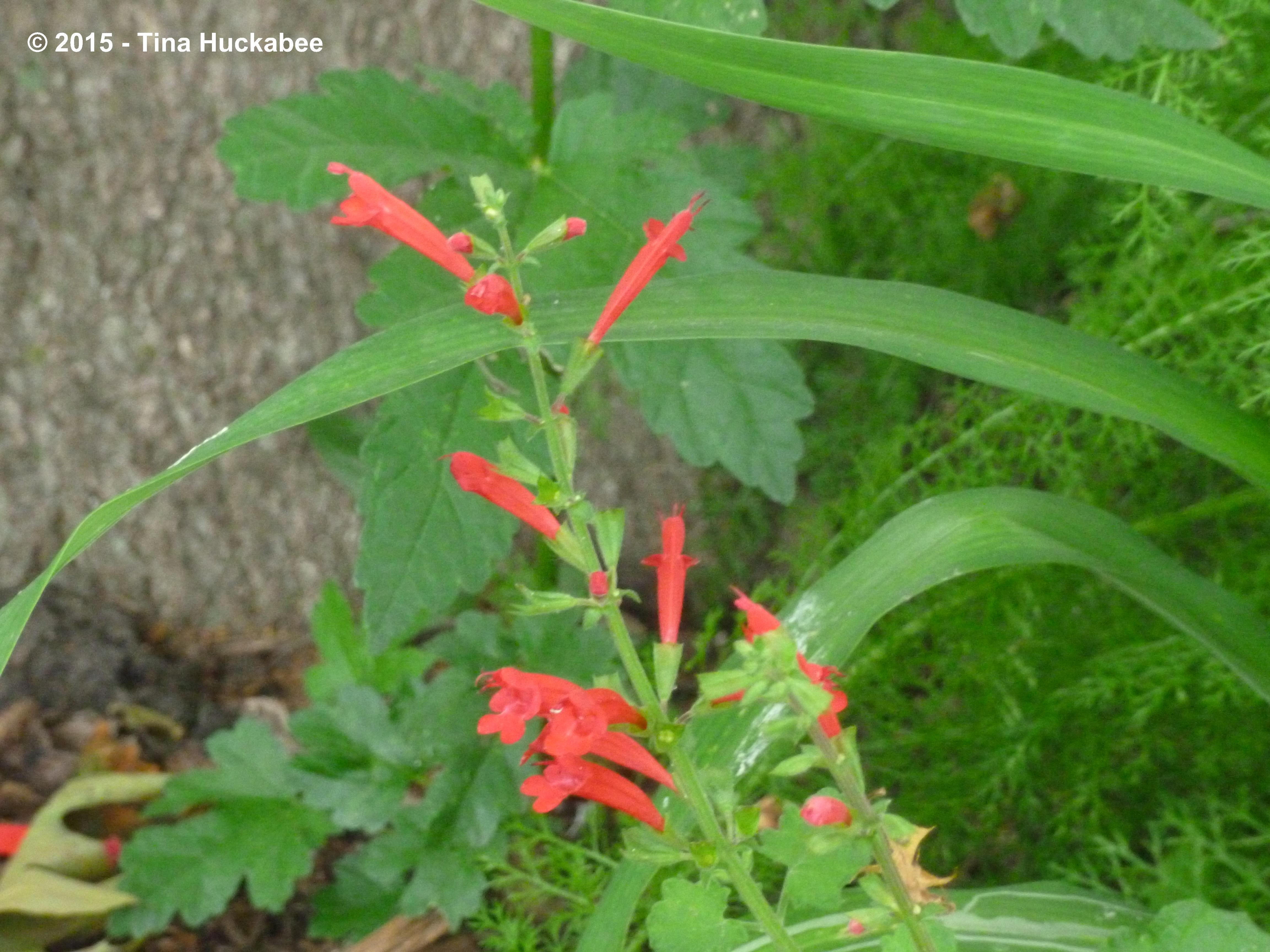
Mmmm. Gorgeous, brilliant red, tubular blooms!!  Such eye candy in a dappled shade garden!  Even more so as there’s almost nothing else abloom at the moment.

IMGP5091.new Normal flowering for this small, Texas native, pollinator-friendly perennial is spring to early summer, roughly April to June. The literature suggests that it blooms on and off throughout summer, though mine never blooms past June. That it’s blossoming in late January is odd–it hasn’t happened in my garden ever before.  In the public gardens where I formerly worked, I once saw a Cedar Sage with flowers in October and I was surprised and pleased at that out-of-season gift.

I’m not complaining about this January wonder–it was a lovely sight last week to see the flowers dancing above the winter rosette, during a rainy few days.IMGP5088.new

But it’s during late spring that this perennial acting-as-a-ground cover really dazzles.

P1030617.new

P1030620.new P1030618.new

The scarlet blooms brighten the landscape and provide for a variety of pollinators.  I’ve never seen a hummingbird nectaring at the blooms, though Cedar Sage is considered a hummingbird plant.  As a member of the salvia species, you can bet it’s deer resistant and it’s a water-wise choice for the shade to dappled-shade garden.

P1030622.new

After its typical flowering in spring, the seed heads remain attractive through most of the summer. I don’t prune  the stalks back until late summer, or even into autumn–just because I  let them seed out and I enjoy the spidery reach of the tawny stalks from the green basal leaves.

IMGP5092.new

Clearly, I didn’t prune this plant back at all.

IMGP5089.new

The Cedar Sage is so-called because it evolved to grow under the shade of Ashe JuniperJuniperus ashei–commonly called “mountain cedar,” “cedar,” or “damn cedar” (by those highly allergic to its pollen).    The foliage of the Ashe Juniper is fine, thus allowing the Cedar Sage seedlings to germinate easily.  According the the Lady Bird Johnson Wildflower Center plant data base information, Cedar Sage have trouble germinating under the canopy of large-leafed deciduous trees, owing to the fallen leaves blocking the seeds from soil (and light too, I suppose), thus preventing germination. That hasn’t proven true in my garden though.   The plant blooming now is under a non-native Arizona Ash tree, Fraxinus velutina, and the group in my back garden reside under a native Shumard Oak tree, Quercus shumardii.     Of course, I do rake up fallen leaves, but my gardens are well-mulched, so I imagine that I don’t get as many seedlings in the garden proper as I would if I didn’t mulch.  In fact, many of my Cedar Sage seedlings appear in adjacent pathways.  Regardless, there are always a few seedlings each winter from the previous  year’s crop of flowers and resulting seeds, and I transplant them to spread their crimson glory.

Cedar Sage is native to a large, but specific area of Texas–from Central to West Texas, in the Edwards Plateau ecoregion; their native range extends southward into northern Mexico.

P1030594.new

If you live elsewhere, Cedar Sage might be available as a tender perennial or annual.  If you’re in Central to South Texas, it’s a must-have shade plant.

P1030596.new

Thanks again to clay and limestone for promoting the beauty and practicality of native plants–click on over and check wildflower plants showcased this January, 2015.

P1030653.new

Big Muhly, Lindheimer’s Muhly (Muhlenbergia lindheimeri): A Seasonal Look

This is the second post as part of the new and continuing series, A Seasonal Look. Today we’ll look at Lindheimer’s (Big) Muhly, Muhlenbergia lindheimeri .

Be still my beating heart!  THAT is a beautiful plant!

20111102_4

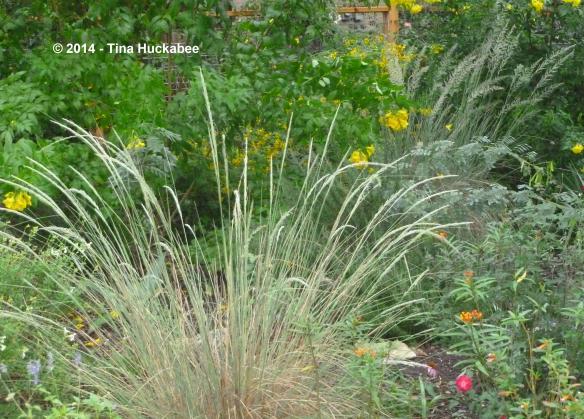
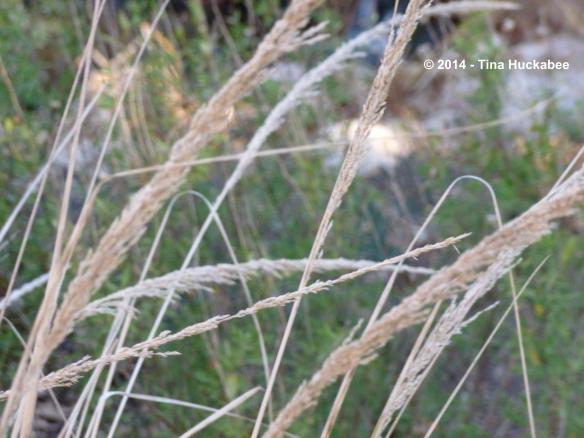
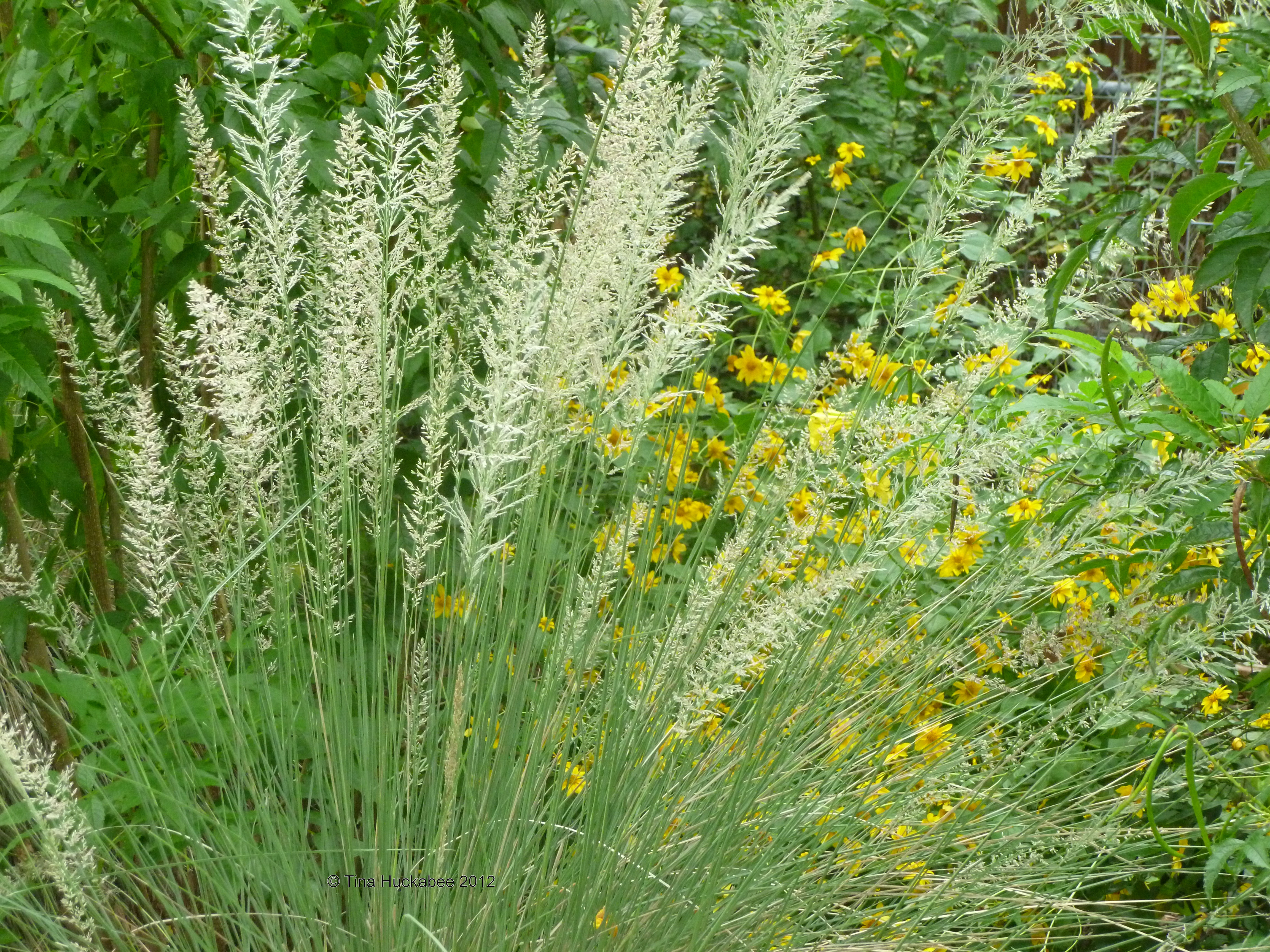
The slender, graceful foliage in spring and summer and the fall/winter inflorescence of the Lindheimer’s or Big Muhly, Muhlenbergia lindheimeri, is eye-catching and always makes my heart skip a beat. My oh my!

2011-08-28 472_cropped_1386x1015..new

Lindheimer’s Muhly is one of my favorite plants. (I know. I say that all the time.)  I think it’s stunning year-round and a desirable garden addition–from its early spring-green strands of foliage growth,
P1040238.new

P1040271_cropped_3562x3133..new

through summer,

IMG_0852_cropped_1609x1095..new

to the zenith of its beauty in fall.

20121013_38_cropped_3516x2525..new

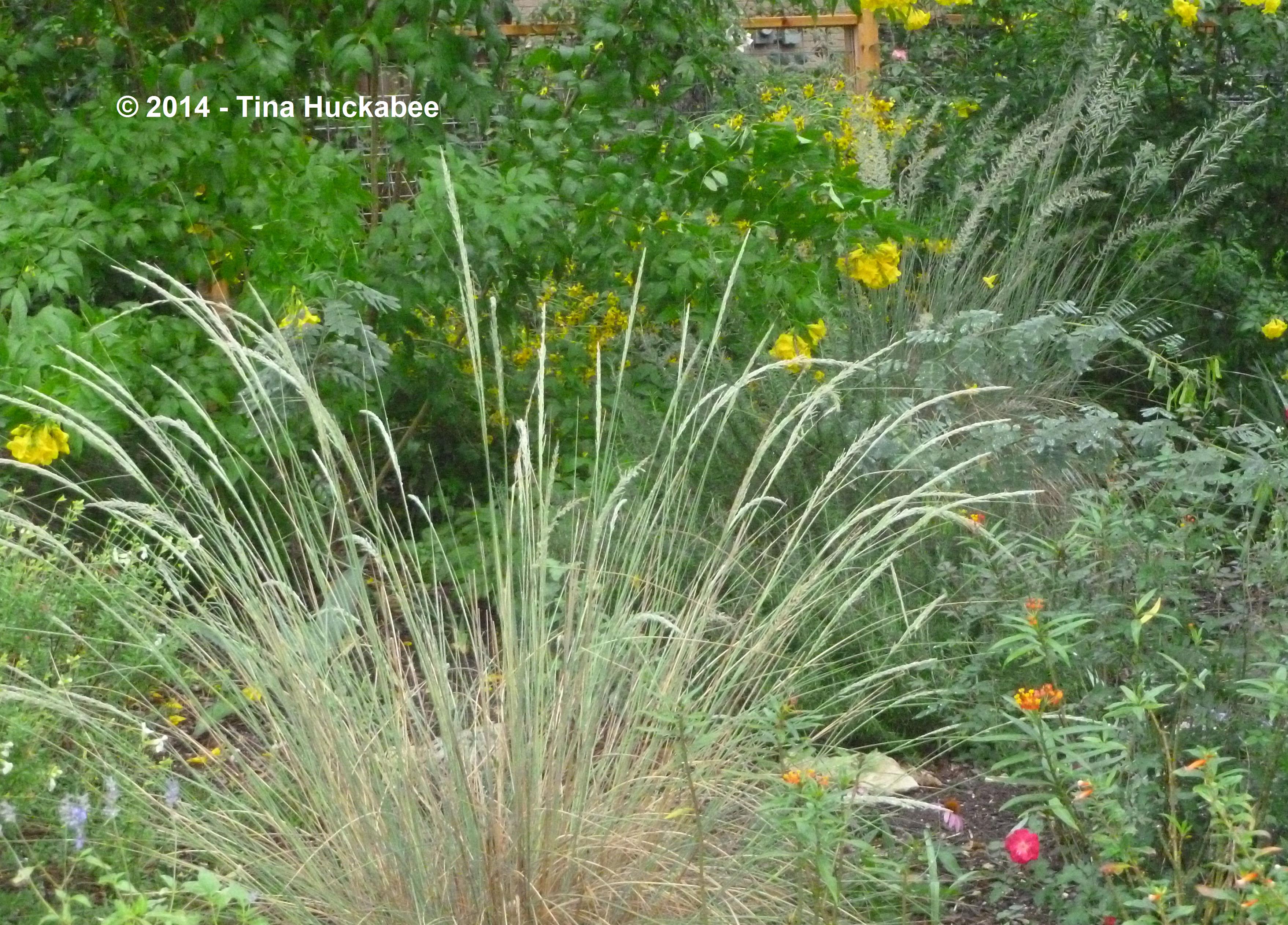
Lindheimer’s Muhly is a native Texas grass.  Endemic to Central Texas, it’s become a popular landscape plant for home and commercial gardens.  L. Muhly is excellent in full sun and requires little water once established.  It is a lovely ornamental grass and regionally appropriate for our gardens.  Lindheimer’s Muhly is  gorgeous when planted in pairs or groups,

20111102_11

or as a single specimen.

IMG_0878_cropped_969x1179..new

It’s a plant which adds structure, foliage interest and grace to any garden, whether in a mixed perennial bed or a desert-themed garden.

In most locally owned nurseries here in Central Texas, L. Muhly is available in four-inch, gallon and larger containers–depending upon the store and time of year. Lindheimer’s Muhly is an easy plant for the most neglectful gardener. The only maintenance is pruning the grass in late winter, preferably in February. Other than that, this plant requires little care.   One other chore the gardener might undertake is to rake fallen leaves out of the grass after autumn leaf fall.

P1020648.new

Personally, I don’t bother.  But if you find fallen leaves tangled in the grass unattractive, it won’t hurt your Muhly to rake them out.  Go for it!

As for pruning Lindheimer’s Muhly, all that’s required is pruning straight across in a “buzz” cut or pruning into a rounded shape.  You can use hand pruners or larger lopping pruners.  I have an old, electric pruner and I simply let’r rip–it takes about 30 seconds for me to prune a mature plant.  That’s it!

Here are some examples of L. Muhly after winter “hair” cuts.

P1020828.new

P1020823.new

An advantage of pruning in late February versus early January ( well after the typical first hard freeze renders the plant dormant), is that pruning in February  results in only days or weeks before new growth begins.  A week or two after pruning, the new spring growth visibly arches up and over the pruned portion of the grass.
P1020934.new

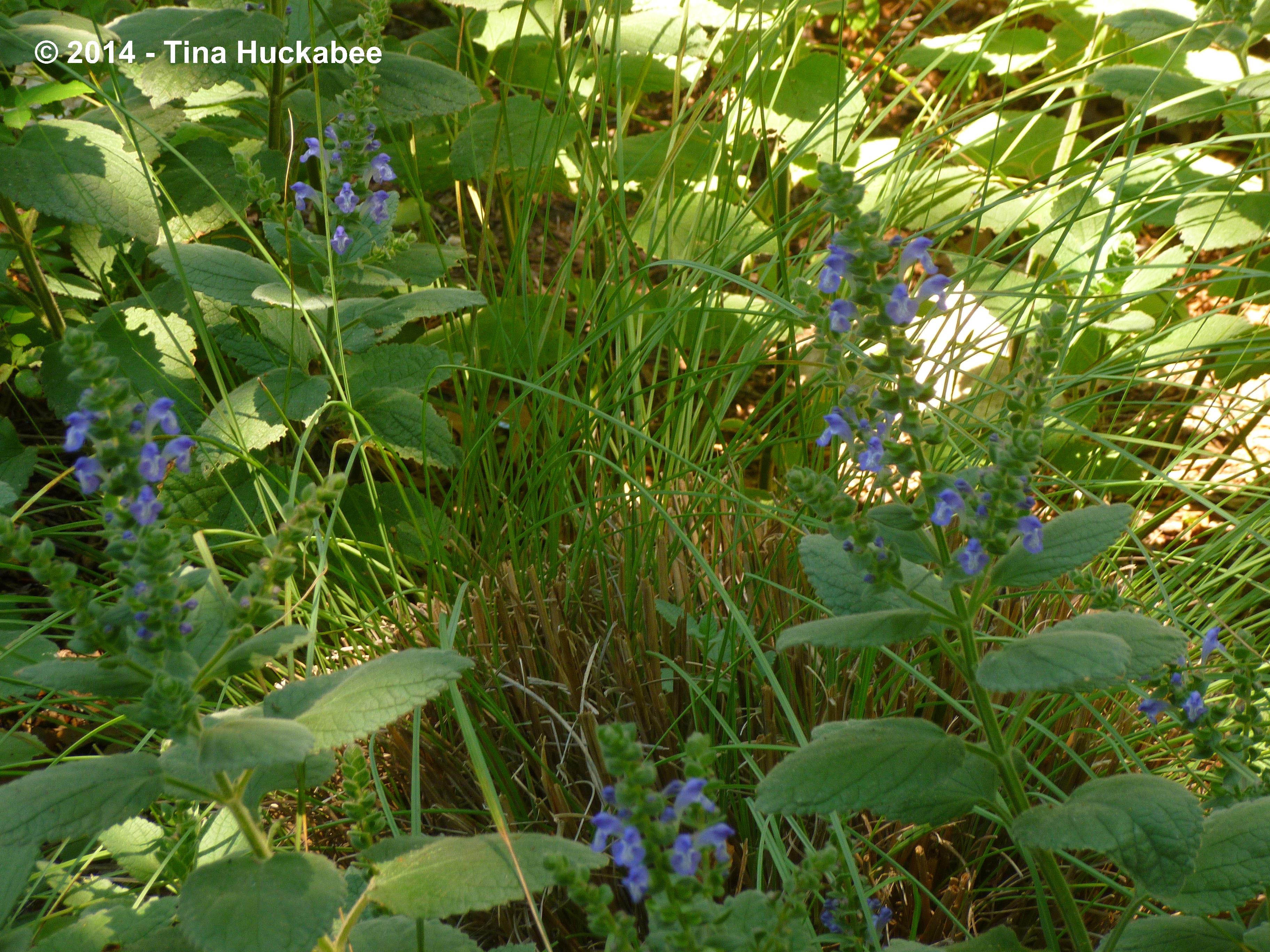
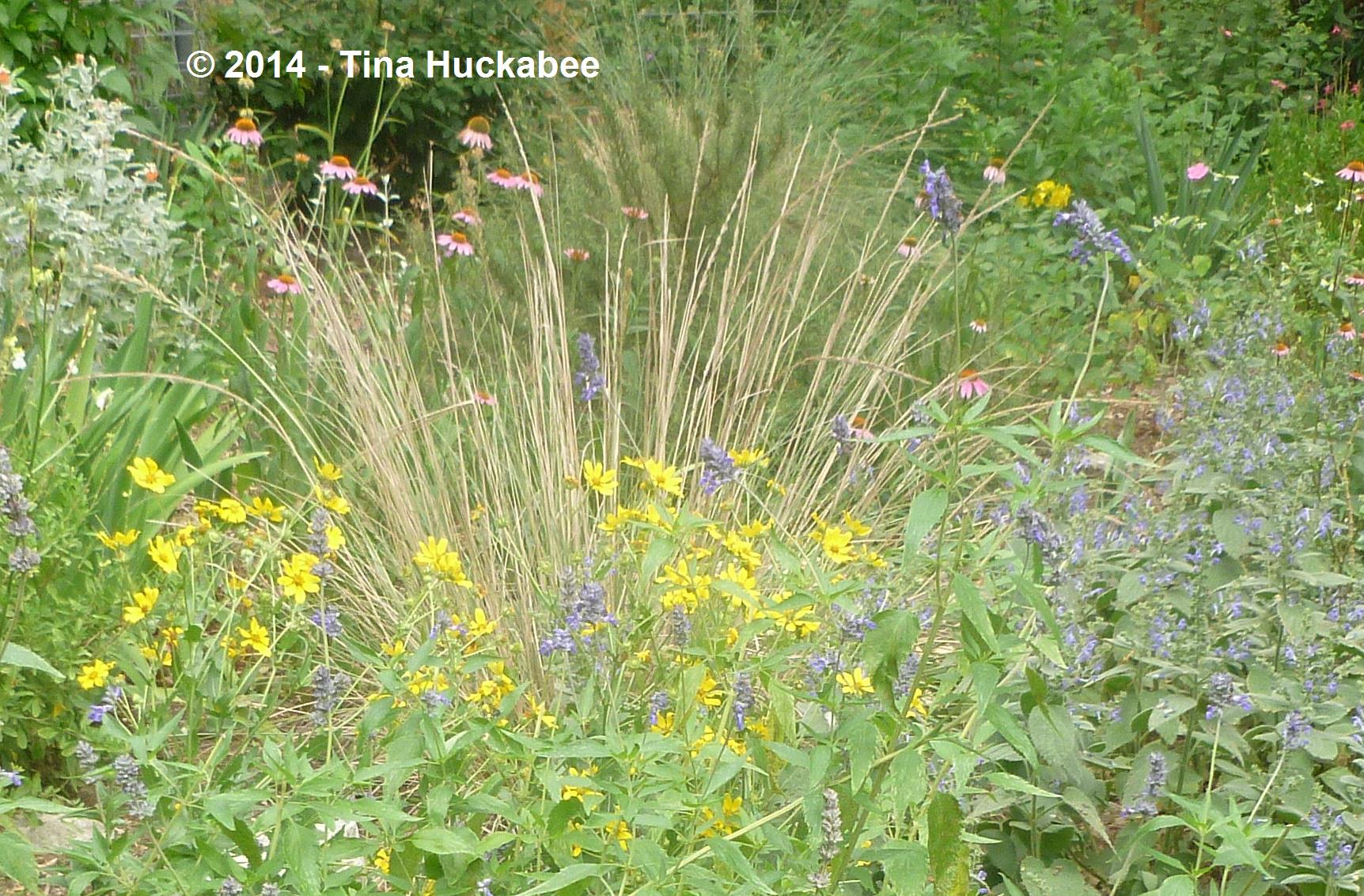
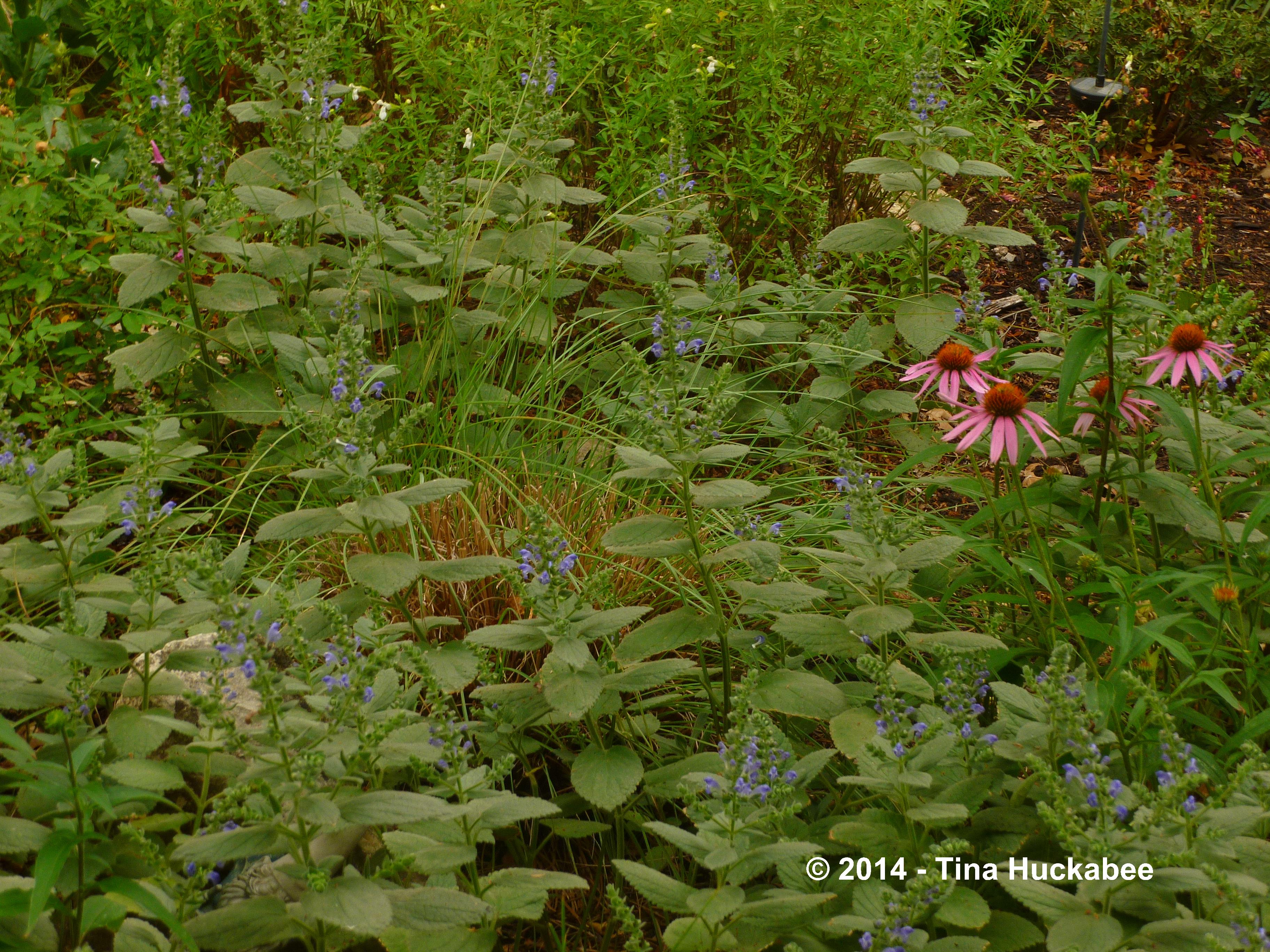
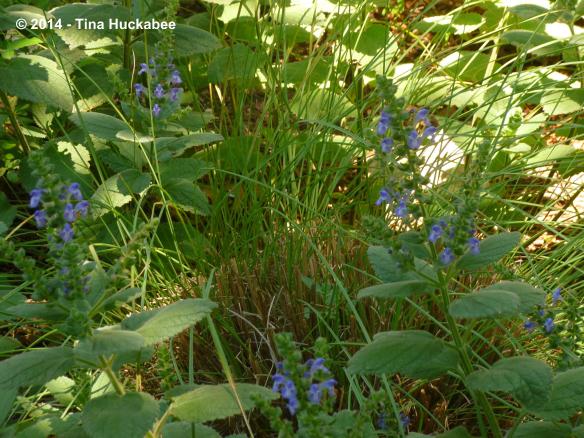
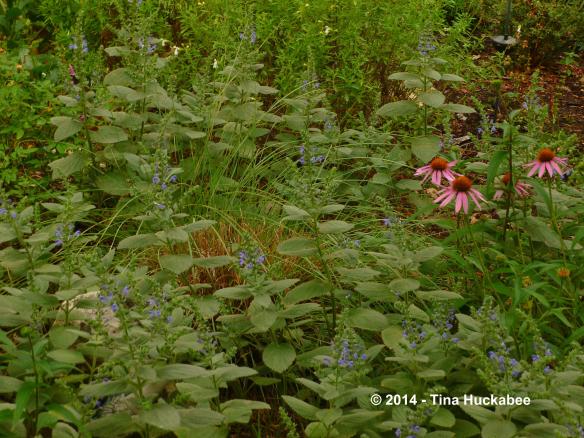
Also, it’s a good idea to plant L. Muhly with early to mid spring blooming perennials or native annual spring wildflowers.  I’ve planted mine with Heartleaf Skullcap, Purple Coneflower and iris as neighboring companion plants.  As the Muhly is growing from its winter prune, the blooming annuals and perennials can flower with abandon and strut their stuff.  Later in summer and fall, when the Muhly is in its full glory,  the earlier spring bloomers have exited center stage–either by complete dormancy (like Heartleaf Skullcap) or reverting to a less showy, non-blooming state.

It’s not necessary to prune Muhly–after all, in the wild they aren’t pruned.  I experimented a couple of years ago with one of my Muhly grasses and didn’t prune in late winter.  Here it is in spring:
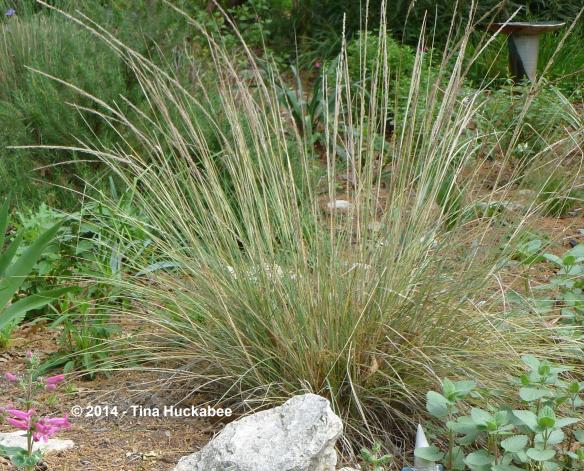
20120314_2_cropped_2221x1793..new

and in the early summer:

20120502_6_cropped_1724x1133..new

I eventually selectively pruned the dead foliage out of the plant because I preferred the newer green growth to dominate and considering that my Muhlies are in a cultivated garden, it’s appropriate to “neaten” them with a late winter trim. Pruning isn’t necessary for the health of the plant–pruning is for aesthetics only.

Lindheimer’s Muhly is deer resistant  and will get two to five feet tall and about three feet wide. L. Muhly prefers full sun, though it can take some shade. It can also grow in a variety of soil types, though as it’s native to the Edwards Plateau eco-region, it prefers a rockier soil. The two original Muhly plants in my gardens succumbed to increasing shade, plus the soil in my garden is somewhat heavy.  My property lies along a junction of the Edwards Plateau and the Blackland Prairie eco-regions and is the heavier Blackland Prairie soil.   The combination of increasing shade and clay soil is not ideal for L. Muhly.  Last year, one Muhly rotted out completely and the other was well on its way.   I removed both, but added two more L. Muhlies to the garden.

20121013_39

I replaced the two rotted Muhlies with new, one gallon-sized plants in fall 2013. Seedlings and newly purchased specimens  are easy to plant–just water for the first few weeks, then back off of the irrigation.  Mature L. Muhly require minimal irrigation. I water one or twice per month during the summer months.  Also, I don’t mulch my Muhlies thickly–a thin covering is fine.

The replacement Muhly grasses receive more sun than the originals–they should be happier.

P1040237.new

P1040655.new

Try Lindheimer’s (Big) Muhly in your garden.  It’s hard to find a plant that requires less maintenance than this magnificent ornamental native grass.

In spring,
P1040188.new

summer,

IMG_0874_cropped_1816x1076..new

fall,

20121013_18

and winter,

P1020639.new

you’ll be happy with your choice!