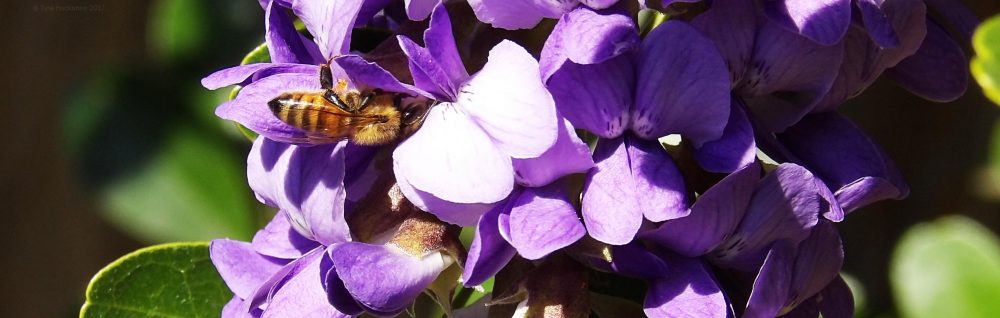
Passed on to me by my gardening buddy, TexasDeb, who blogs at the beautiful austinagrodolce, was this recent article from The New York Times concerning the importance of the home landscape as a partial fix for the serious decline in natural habitat and the resulting calamity facing native flora and fauna in the United States.
The article is well worth a few minutes of reading, but I especially like this quote by speaker Douglas Tallamy, professor and chair of entomology and wildlife ecology at the University of Delaware:
Landscape ecologists estimate that only 3 to 5 percent of the lower 48 states is undisturbed habitat for plants and animals. Farmland now covers more than half of the country. Most of the rest is taken up by suburban sprawl and about 40 million acres of lawns (“eight New Jerseys,” as Mr. Tallamy put it), along with highways, malls and growing cities. A world with half those lawns, he said, might have 20 million acres of habitat, or more than 13 national parks, including Yellowstone, Yosemite and the Adirondacks, if you added up the acreage.
Instead, thanks to vanishing habitats, Mr. Tallamy said, “We have 50 percent fewer birds than 40 years ago,” referring to results of yearly bird-banding studies that track those numbers. And some 230 species of North American birds are at risk of extinction, he added, citing the 2014 State of the Birds Report (stateofthebirds.org).
“But we can do something about this,” he said. “We can bring nature back to our yards.”
We can indeed do something. It is in virtually every homeowner’s ability to add native plants to the garden which provide sustenance and cover for native birds and insects. Also, those native plants are lovely and require little effort. Additionally, reducing or eliminating wasteful lawn will not only save water and lower maintenance, but will be less reliant upon harmful and expensive chemicals (fertilizers, herbicides) that many homeowners believe is necessary for “gardening.”
Start with a small garden of easy native flowers and shrubs, then expand as time and money allow.

The paradigm of garden beauty is changing–join in and produce real, positive, and lasting environmental change.
 My Gardener Says...