In late February 2013, on a windy, dry Monday afternoon, I walked into my backyard to assess damage from the gales of the day. I noticed the fence bordering the north side of my property pulled out from the four-by-four post in the ground and in danger of falling. As I contemplated repairing the fence, I was hearing a tssst, tssst, tssst sound. I finally realized that a neighbor’s large elm tree branch was being blown against the live electric wires over the boundary of my northern neighbor’s back property line. Each time the branch hit the wire, there were sparks, a small fire which almost immediately blew out, and smoke. I immediately called 911 and was transferred to the Austin Fire Department. Because there were other fires that afternoon, as well as downed electric wires, the dispatcher told me that a crew would be there as soon as possible, but not immediately. I nervously observed the increasingly scorched branch for the next hour. Within that hour, a group of firefighters arrived and viewed the branch, but by that time, the branch had apparently burned through and fallen to the ground. It probably fell onto the neighbor’s property directly behind my north-most neighbor. The firefighters left–I assumed they were going to check out property where the limb most likely landed, but didn’t (and don’t) know that.
Not long afterward, another neighbor called me and asked what was “going on” in my backyard. I walked to my back door and was shocked to see the backyard filled with smoke, flames whipping along the fence line. I called 911 and reported the fire. In those few minutes, as I watched the fire spread, not only along the fence, but into a garden IN my backyard, all I could think of was the devastating 2011 fire in Bastrop, Texas. For the first time in my life, I witnessed how quickly fire spreads and I feared that if the fire fighters couldn’t contain it, the wind would spread the flames throughout my property and the entire neighborhood. My (much calmer than I) teenage son helped me leash the dog, then he grabbed my arm and ushered me out of the house, to the front garden. There was still no fire truck screaming to my house, so I called 911 again. The dispatcher insisted that there was a fire truck at the address of the fire. I looked into my backyard and saw that firefighters were fighting the fire from the house directly behind mine. As it was late afternoon when the fire started, there were numerous calls about the fire. Eventually, another truck came to my house and firefighters tramped through with a long hose and were able to extinguish the fire. Later that evening, a captain told us that the fire department was shutting off electricity for the entire area because the tree was “electrified” and they had to wait for a City of Austin tree trimming crew to prune the offending tree far from the wires. As the crews were also overloaded with damaged trees, our electricity would be off until the crews arrived. By 2 am, our electricity was back on and the tree no longer a danger.
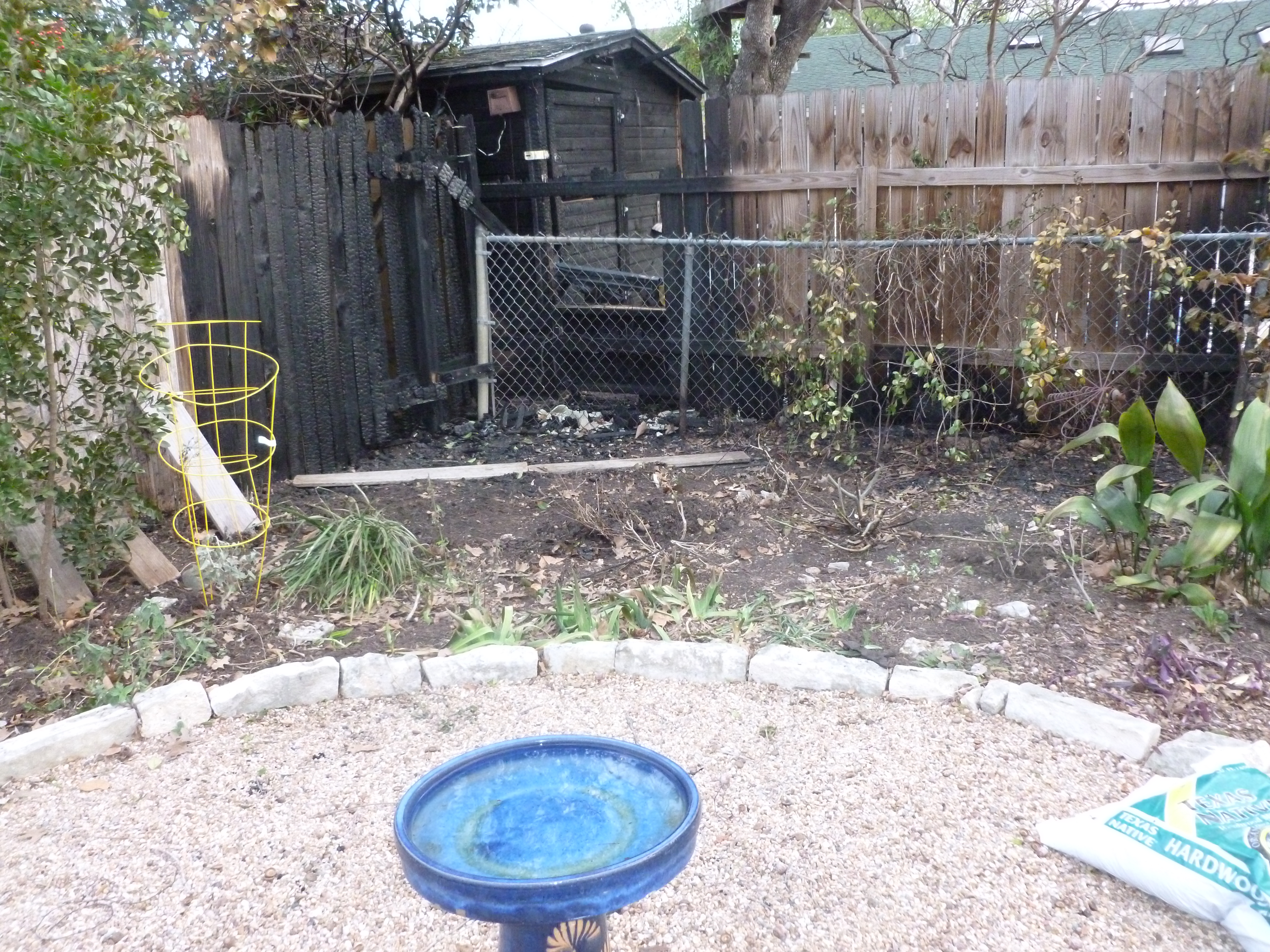
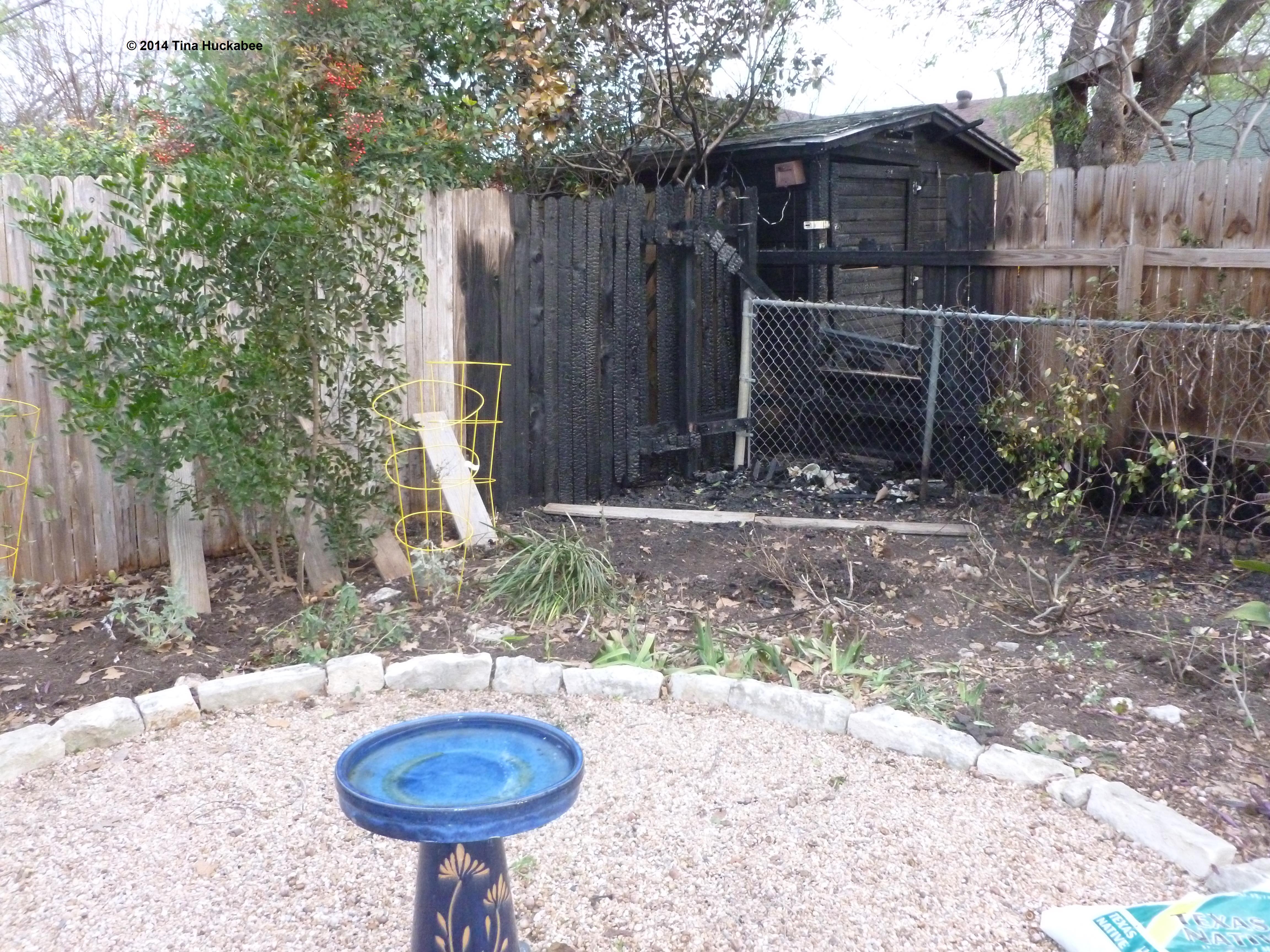
This is how my little garden was left:
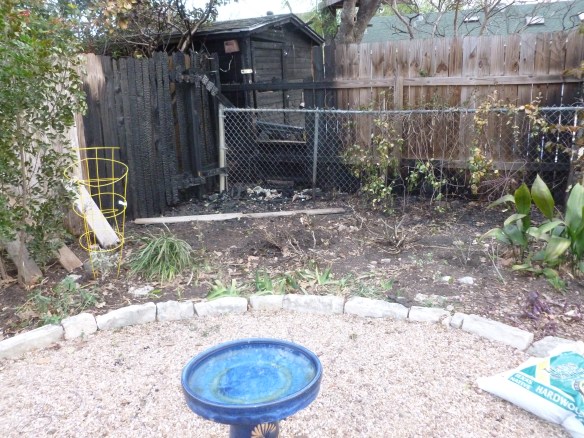

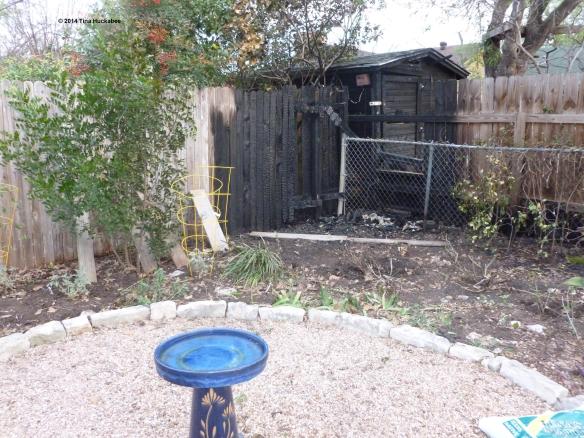
The Feline Fire Inspection Crew, checking out the damage:

What a mess! But, my OCGD (Obsessive Compulsive Gardening Disorder) kicked in at full force and I got to work re-vamping that area over the next few weeks. Truthfully, the garden needed updating. It had always been a very shady garden (in the shade of both a Red Oak and Eastern Sycamore), but we drastically pruned the Sycamore when we installed solar panels in November 2012. The garden would now receive more western sun and I realized before the fire happened that I could add more sun-loving plants. Yippy! Who doesn’t love a challenge? So, the fire damage proved the impetus of change.
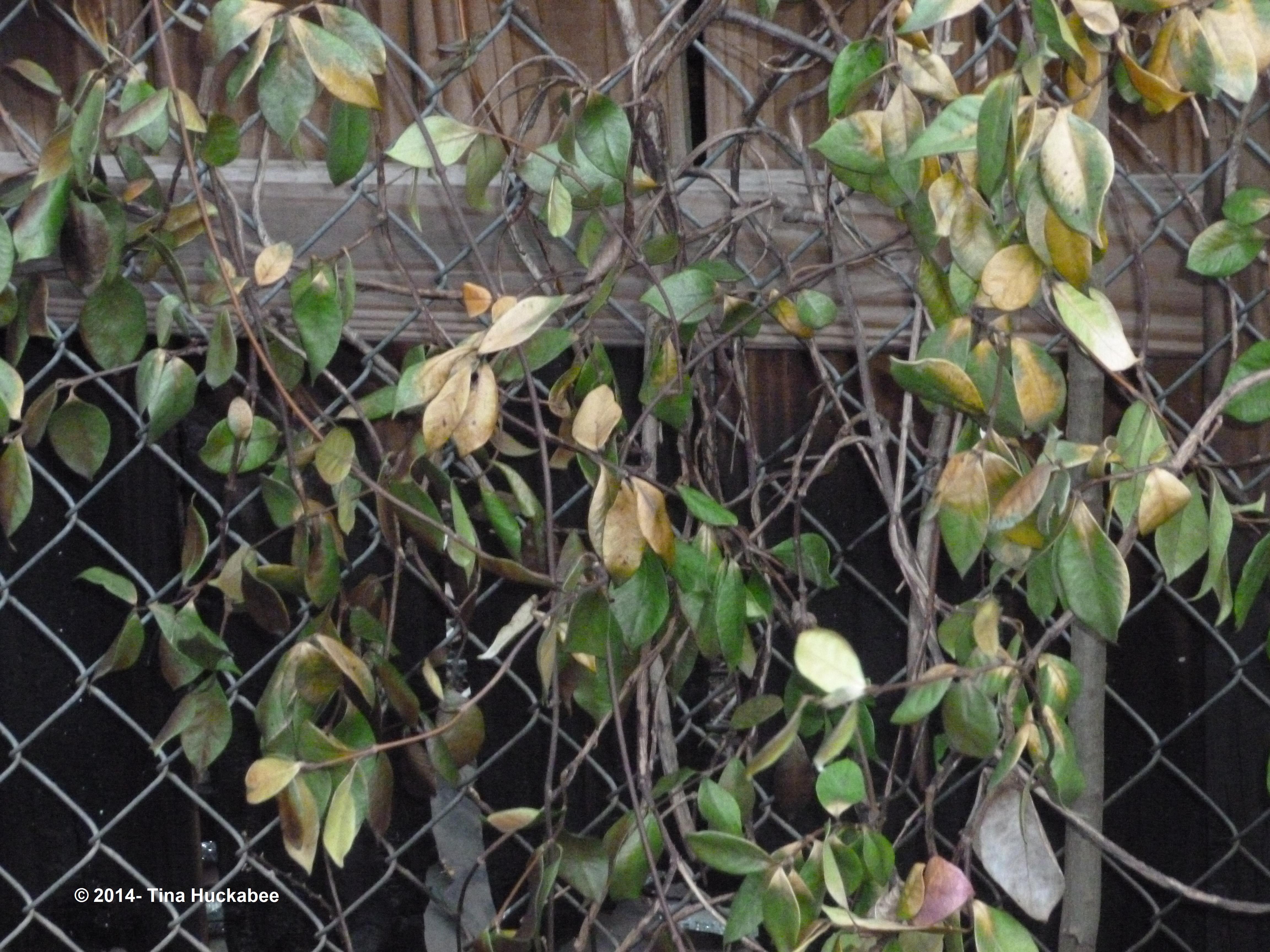
My poor Star Jasmine (Trachelospermum jasminoides), planted along the ugly chain link fence, was ruined.


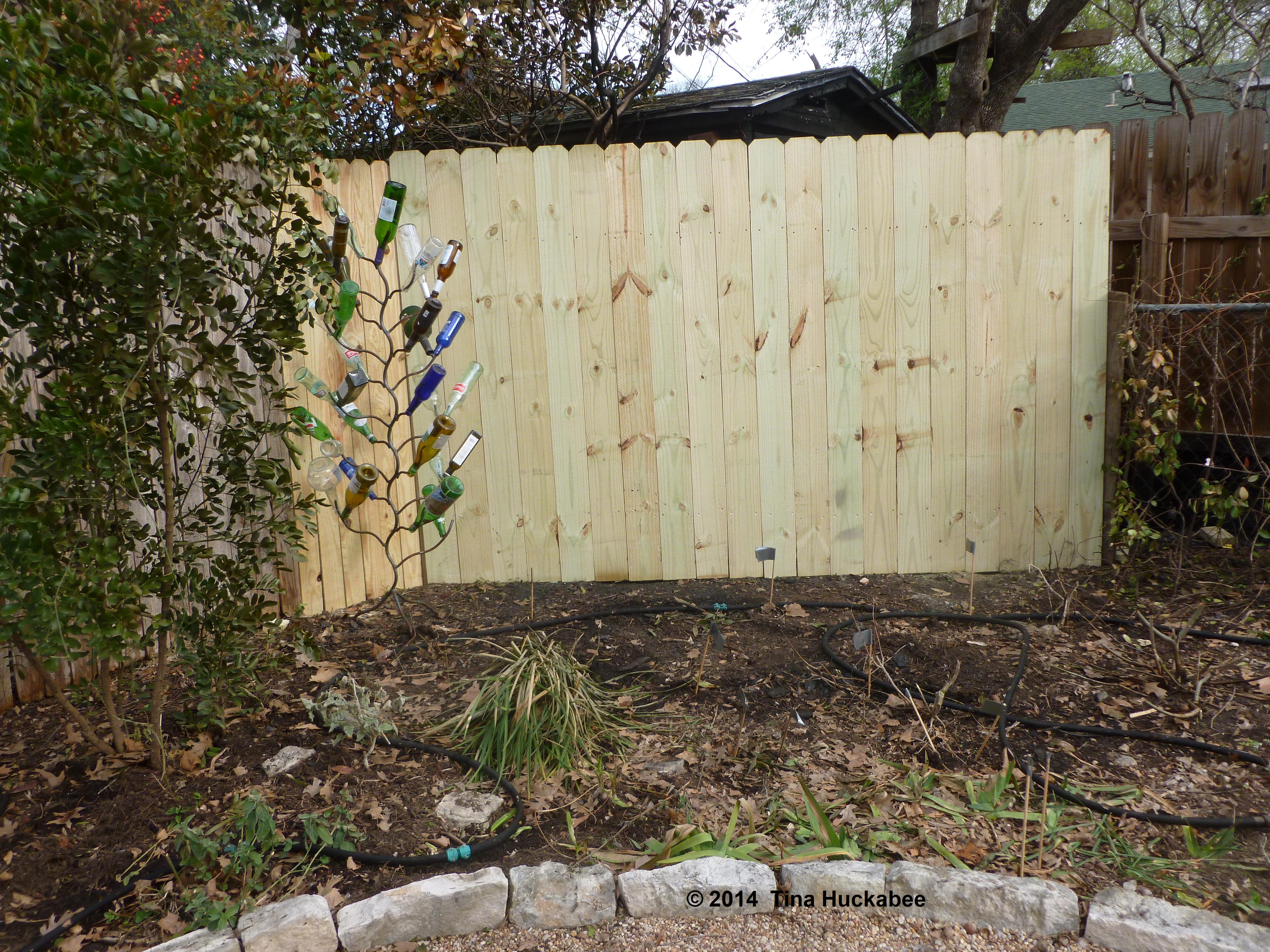
I long regretted that we hadn’t remove that nasty fence. It spans the entire length of my property at the back, abutting two different neighbors’ back yards. I’ve always had a congenial relationship with one of the neighbors in particular and never wanted to limit that physical connection. So I planted shorter screen plants along the fence line to obscure the chain link monstrosity. The Star Jasmine vines planted in this area matured very slowly and this this was the year that the vines would finally cover the fence. However, fire and heat wrecked havoc and I was left with the chain link exposed, as well as the unsightly back neighbor’s fire damaged wood fence. I hired a fence builder to replace the wind/fire damaged northern section and add a corner where the original wood fence and the chain link fence meet.

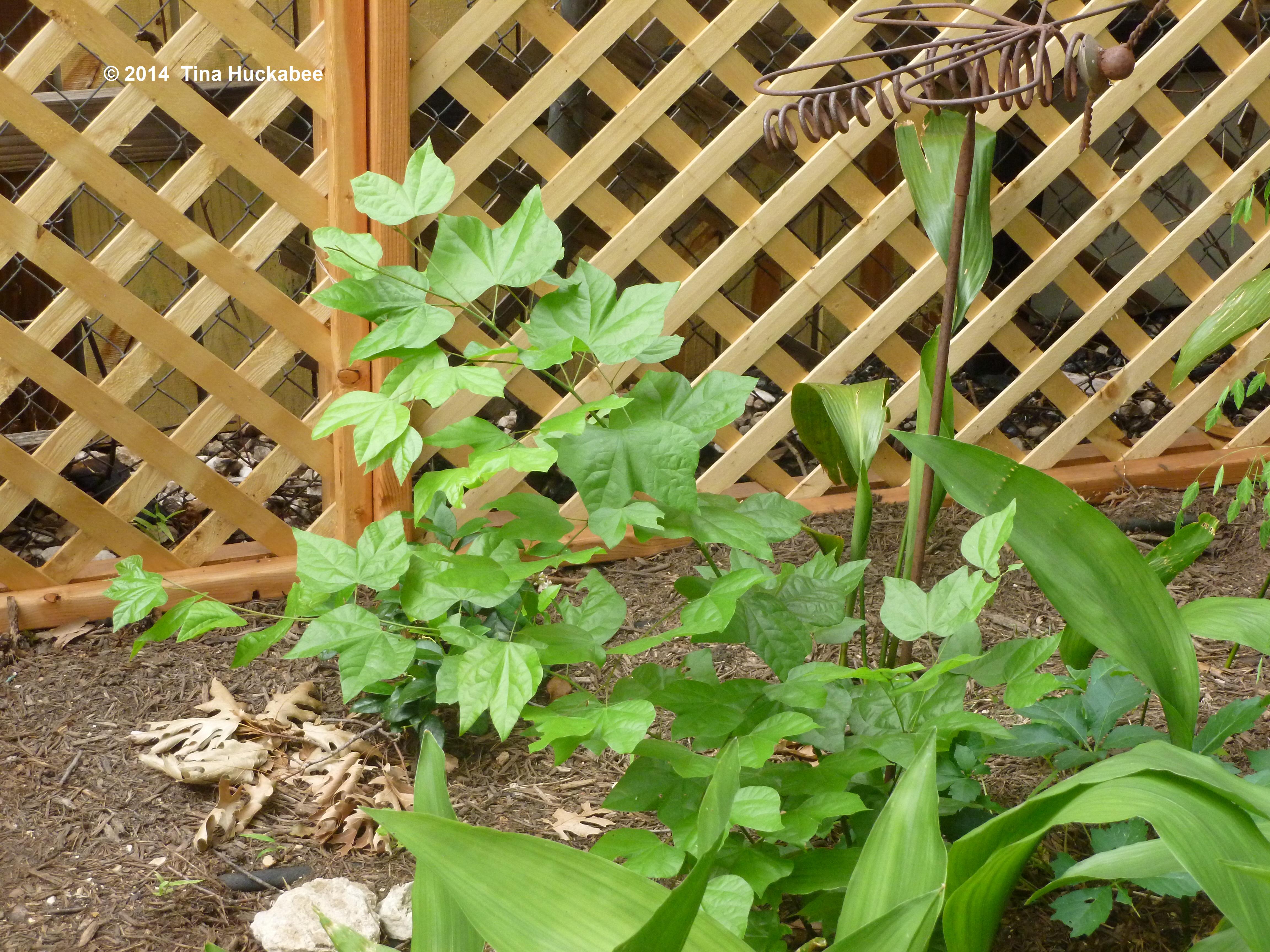
Then, The Nice Husband build a lattice screen in front of the chain link fence. It is opposite another screen he’d built earlier to separate the garden from the compost area. The space now evokes an enclosed, secret garden. And, the screen hides (not completely, though) the unattractive chain link and fire damaged wood fence that the neighbor still has not replaced. Later, I planted two more Star Jasmine vines to trail up the lattice. Remarkably, in late summer, I noticed that at either end of the lattice screen, two of the original Star Jasmine vines reappeared–I was amazed that they returned from the roots so long after the fire.
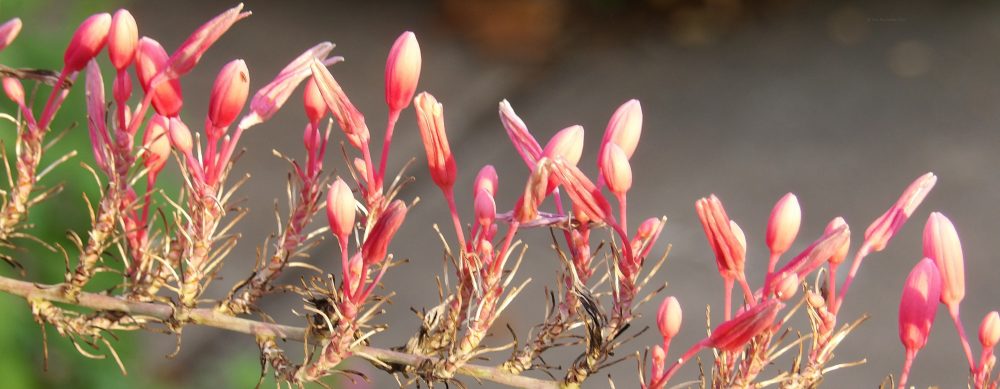
My Mexican Orchid Tree (Bauhinia mexicana) also suffered heat and some direct fire damage:
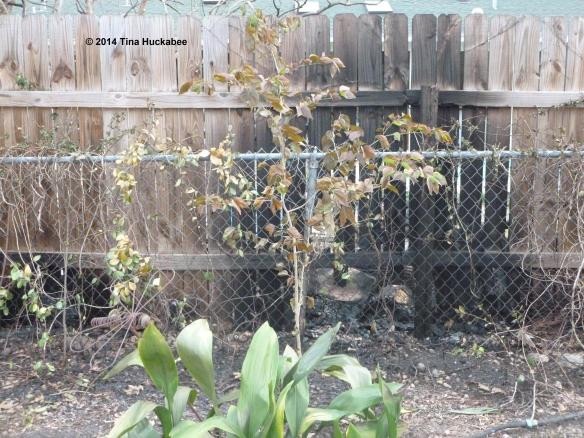
While most other plants returned quickly, it was late spring before the Orchid Tree grew from its roots.
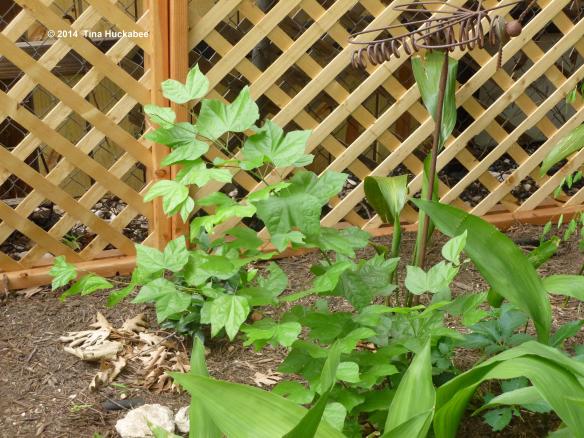
I don’t have photos of this past growing season, but the Orchid Tree enjoyed several bloom cycles.
The heat damage to the Texas Mountain Laurel (Sophora secundiflora) occurred primarily on the right side of the tree.

Eventually, that side of the tree defoliated, though it recovered and there is new growth.
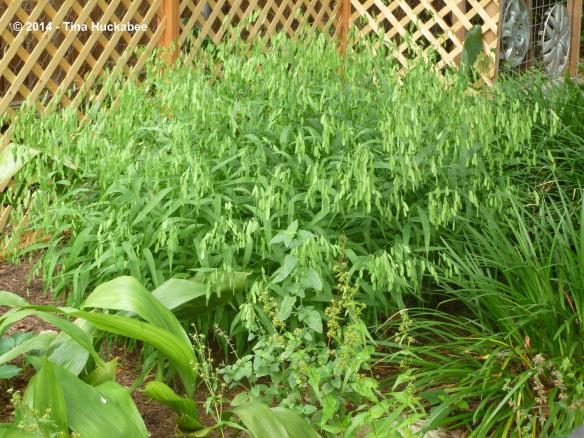
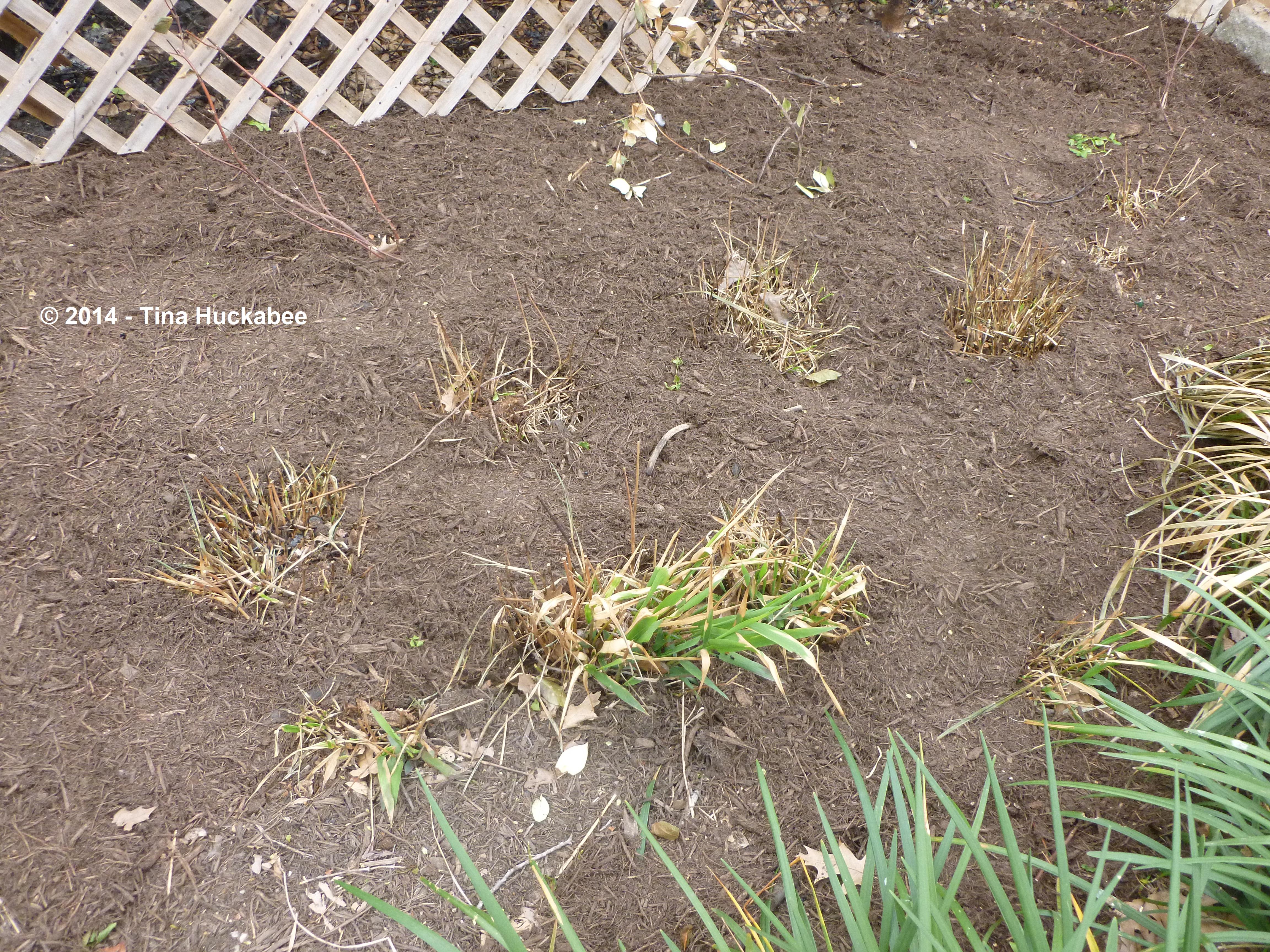
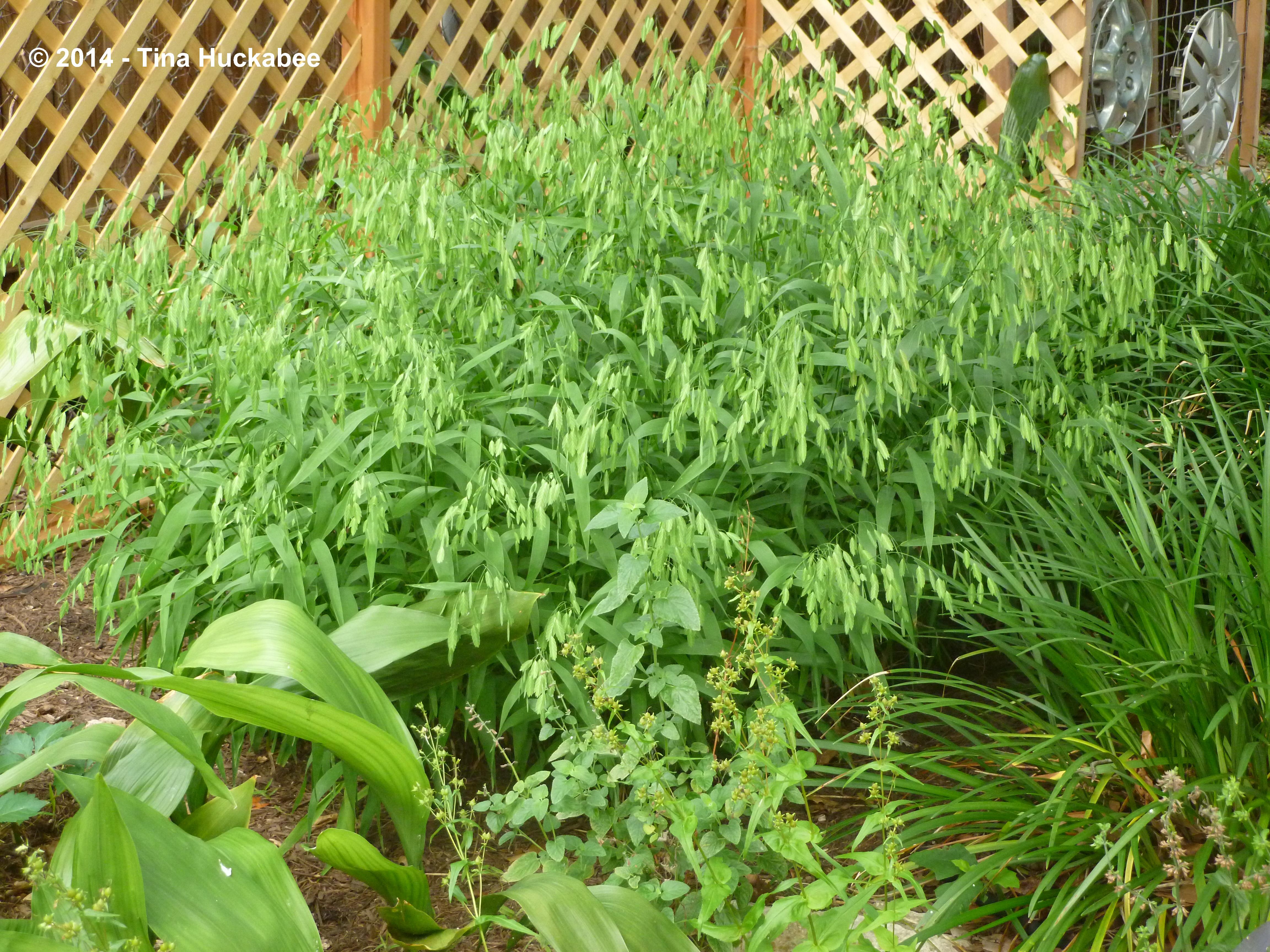
I had pruned the Inland Sea Oats (Chasmanthium latifolium) to the ground prior to the fire, but the early new growth was damaged.

I re-laid my soaker hoses, composted and mulched, plus we experienced good rainfall, so they recovered nicely.

The Shoshana’s Iris wasn’t damaged by the fire, but were on the receiving end of firefighter boots,
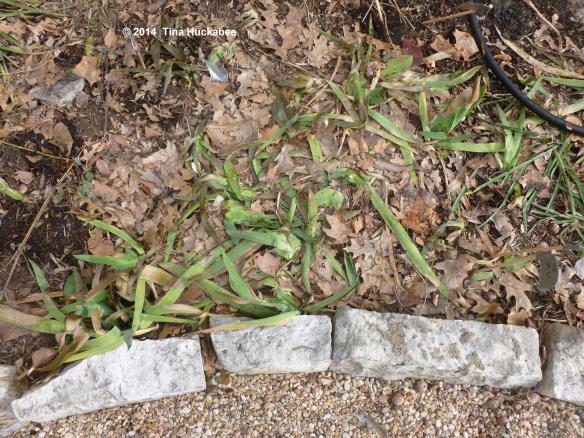
and didn’t bloom in the spring. They have recovered well and I hope to enjoy blooms this spring.

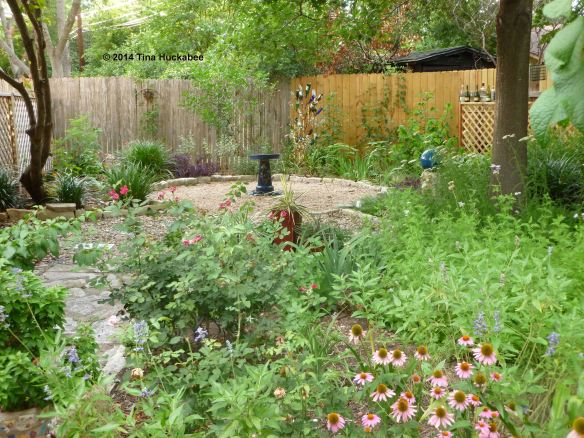
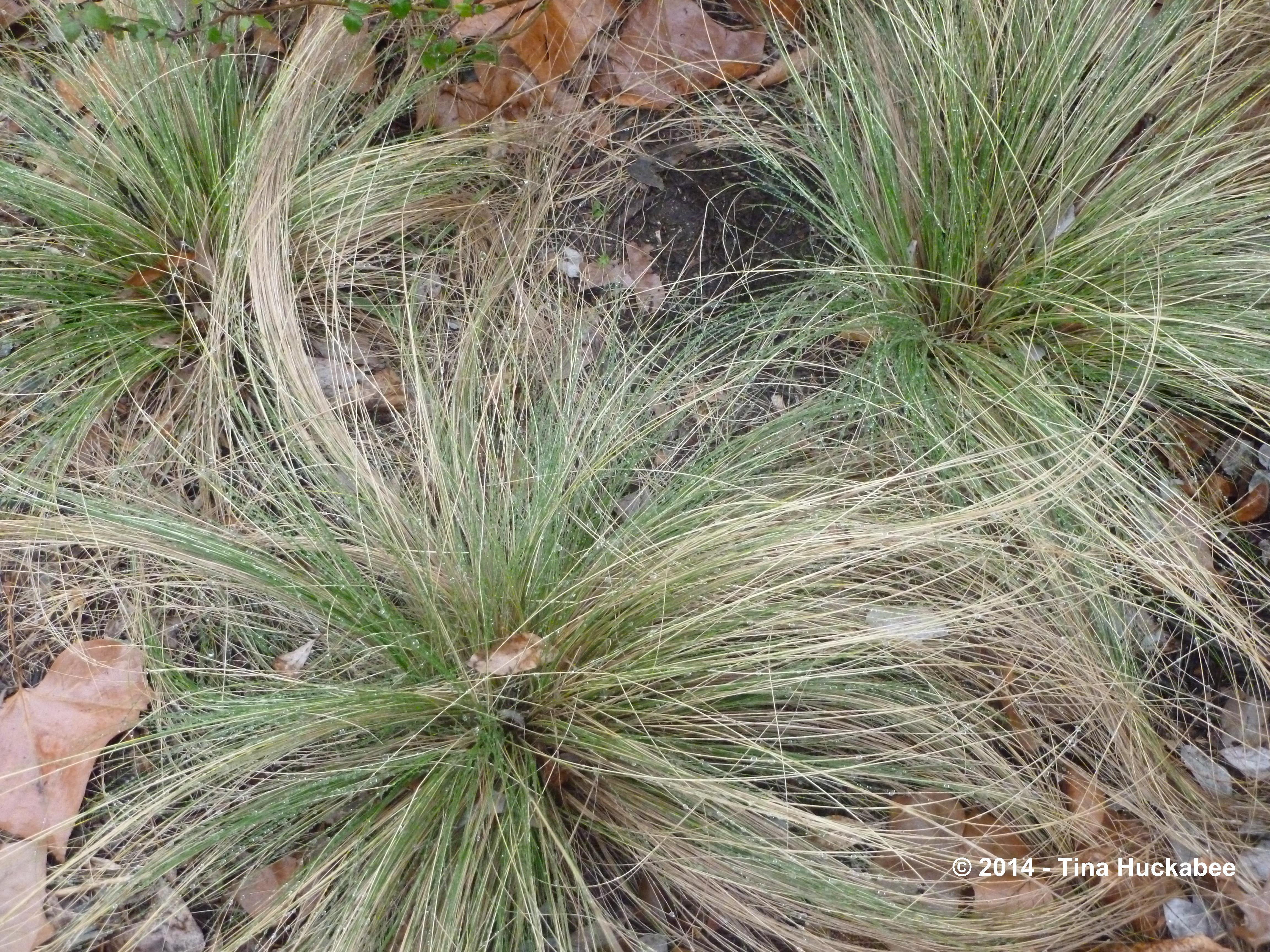
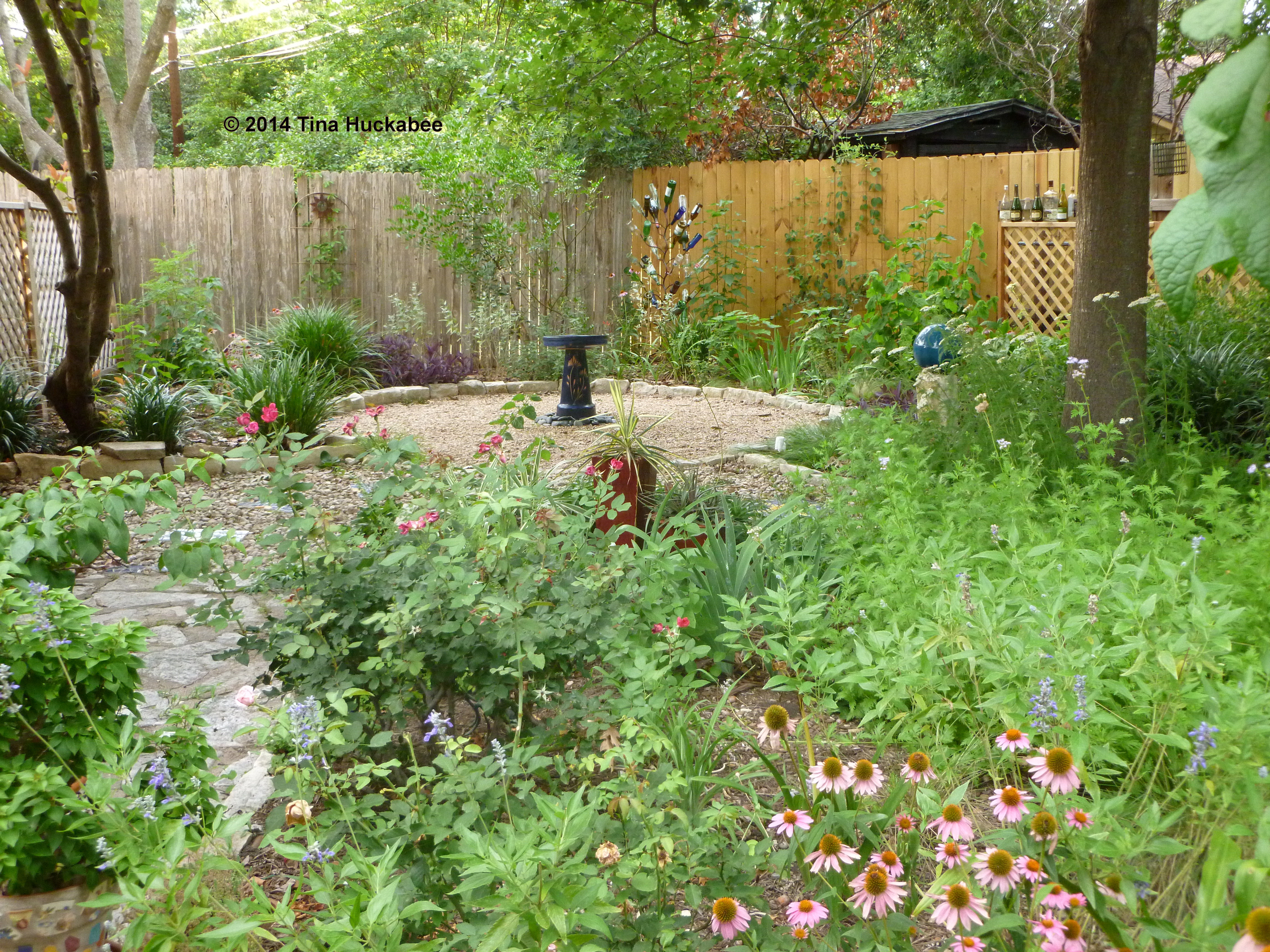
I planted a Coral Honeysuckle (Lonicera sempervirens) on the new corner fence, flanked by four Goldeneye (Viguiera dentata) and they grew and bloomed magnificently. So much so, that I’ve recently removed two of the Goldeneye–they grow too large for that area. I also added some Mexican Feathergrass (Nassella tenuissima), White Tropical Sage (Salvia coccinea) and some Crinum Lily. By early summer, this is what the fire garden looked like:

For now, with the “cold” winter we’ve had, the garden is barren, except for the evergreens.

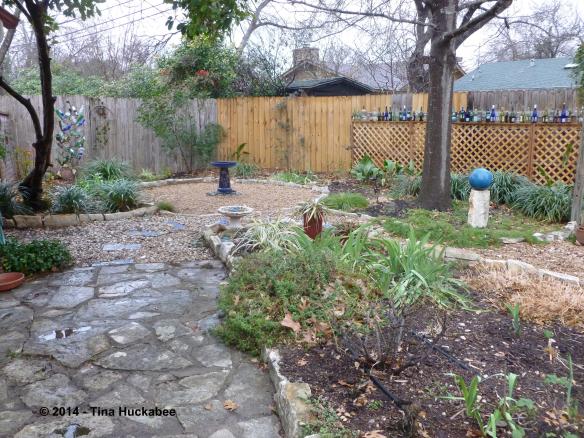
The discoloration between the new and old fence sections annoys me. I added bottles across the top of the lattice screen, in the hopes of distracting from the fire damaged neighbor’s fence and the little bit of the chain link that is visible. Also, as I age, kitsch appeals to me.
Still, I’m grateful that our damage was minor, appreciative for the quick response of the Austin Fire Department and glad to have successfully re-gardened this area.

















 My Gardener Says...