Bloom Day, September 2014

September heralds a change from the blisteringly hot to the merely hot in Austin, Texas. This gardener welcomes that subtle, but fundamental change:  the shorter days, the approaching autumn cool and if we’re lucky, some rainy days ahead.  Thanks to Carol at May Dreams Gardens for hosting this lovely blogging meme celebrating all that flower.

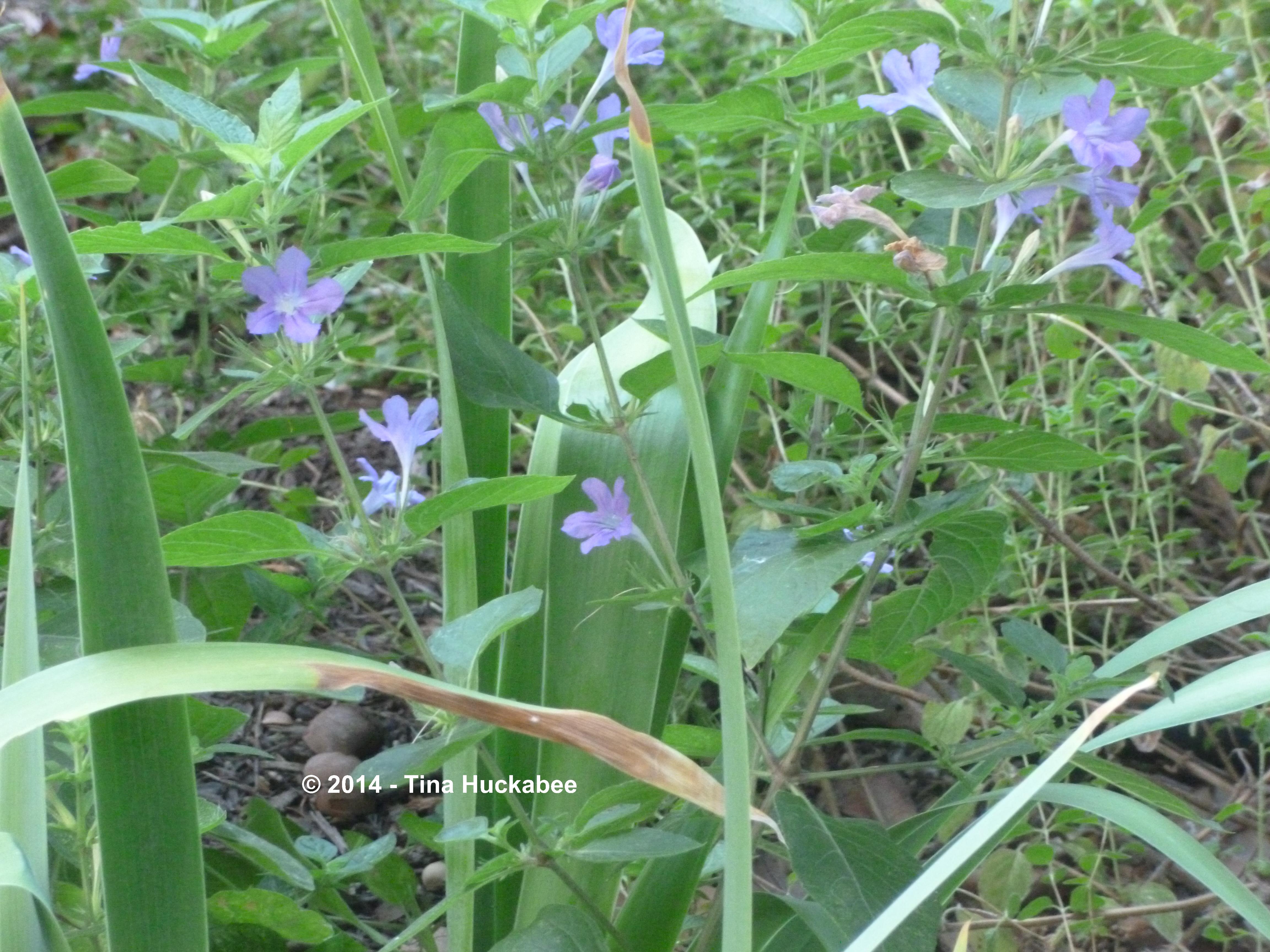
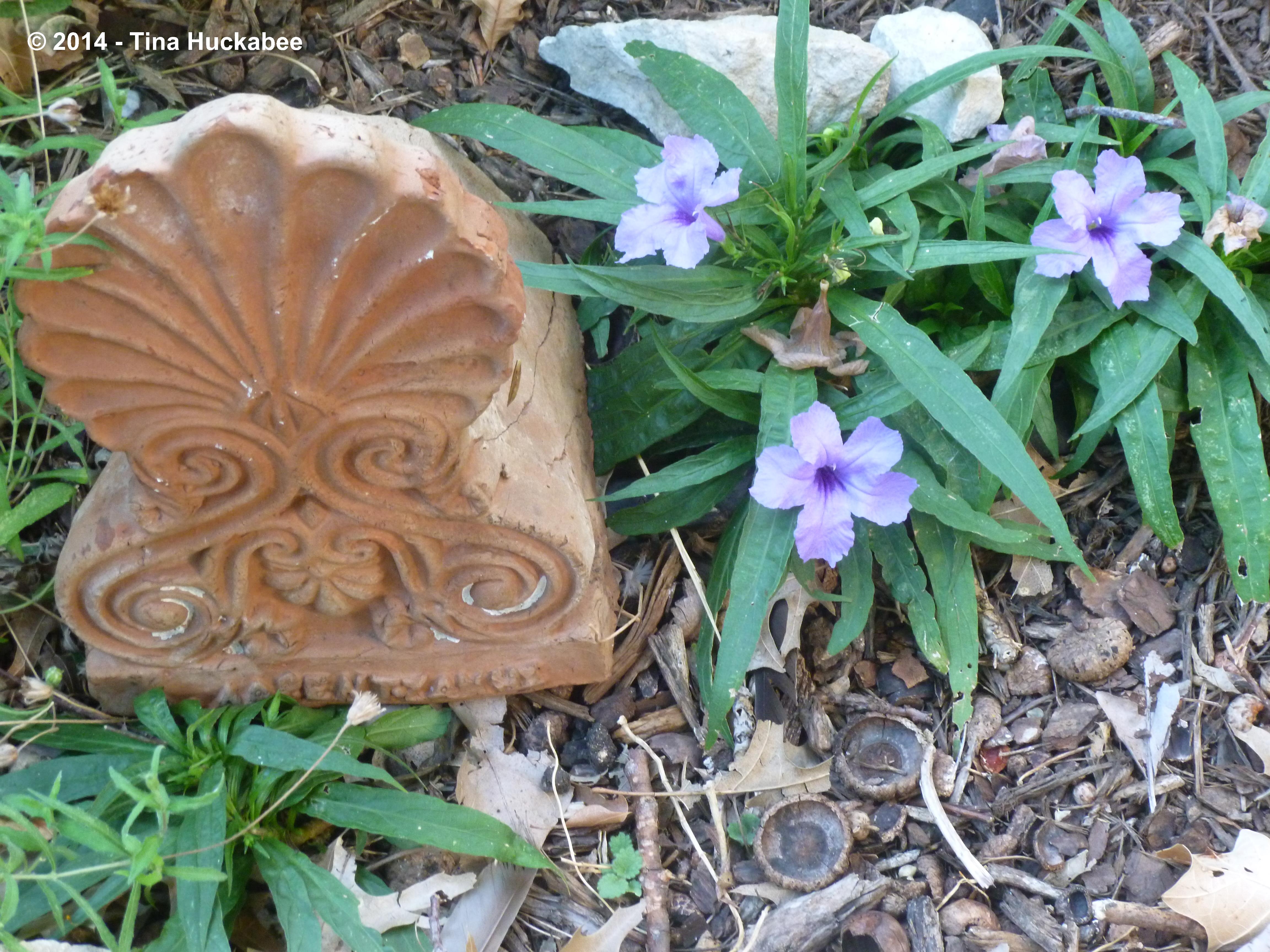
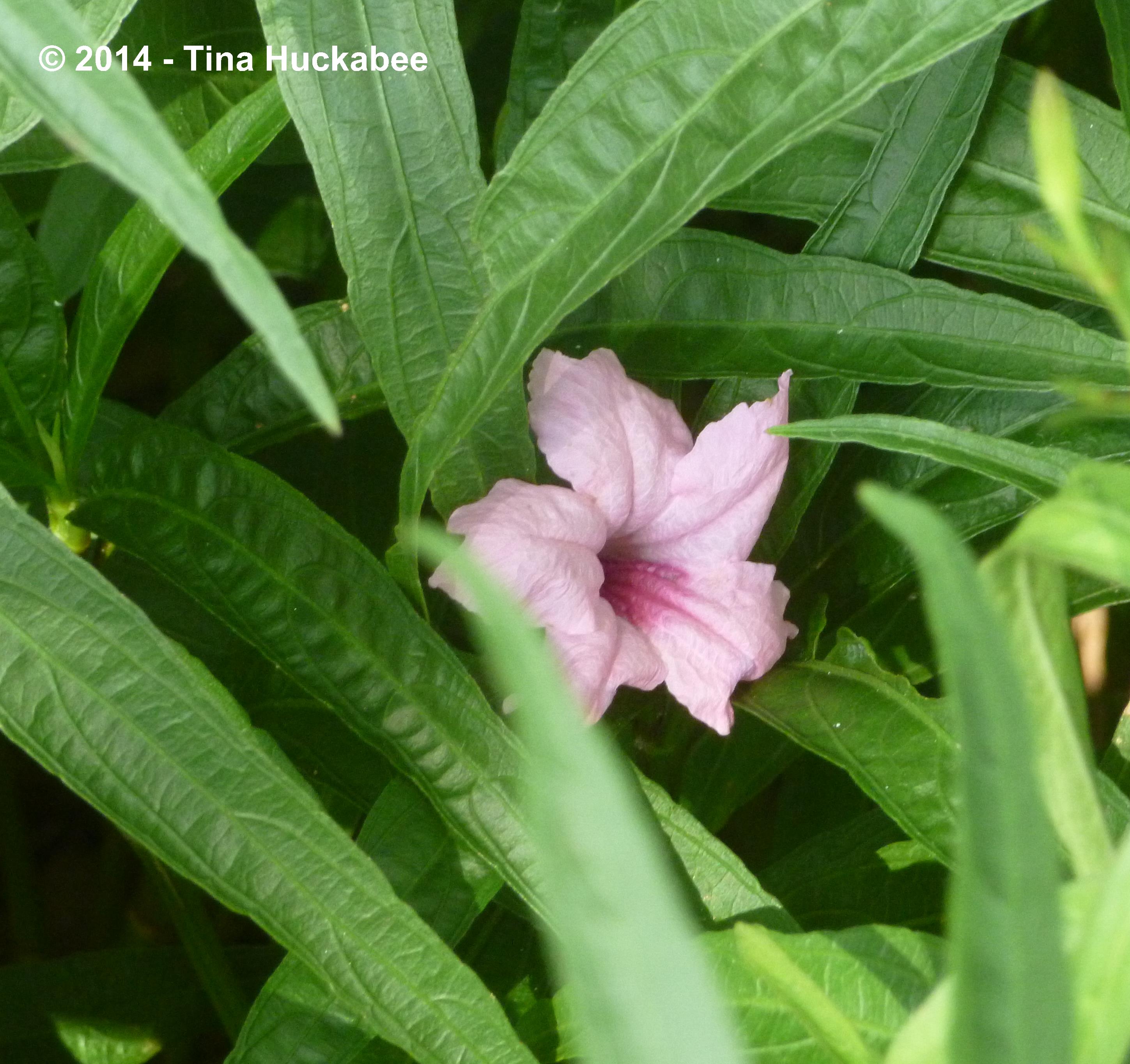
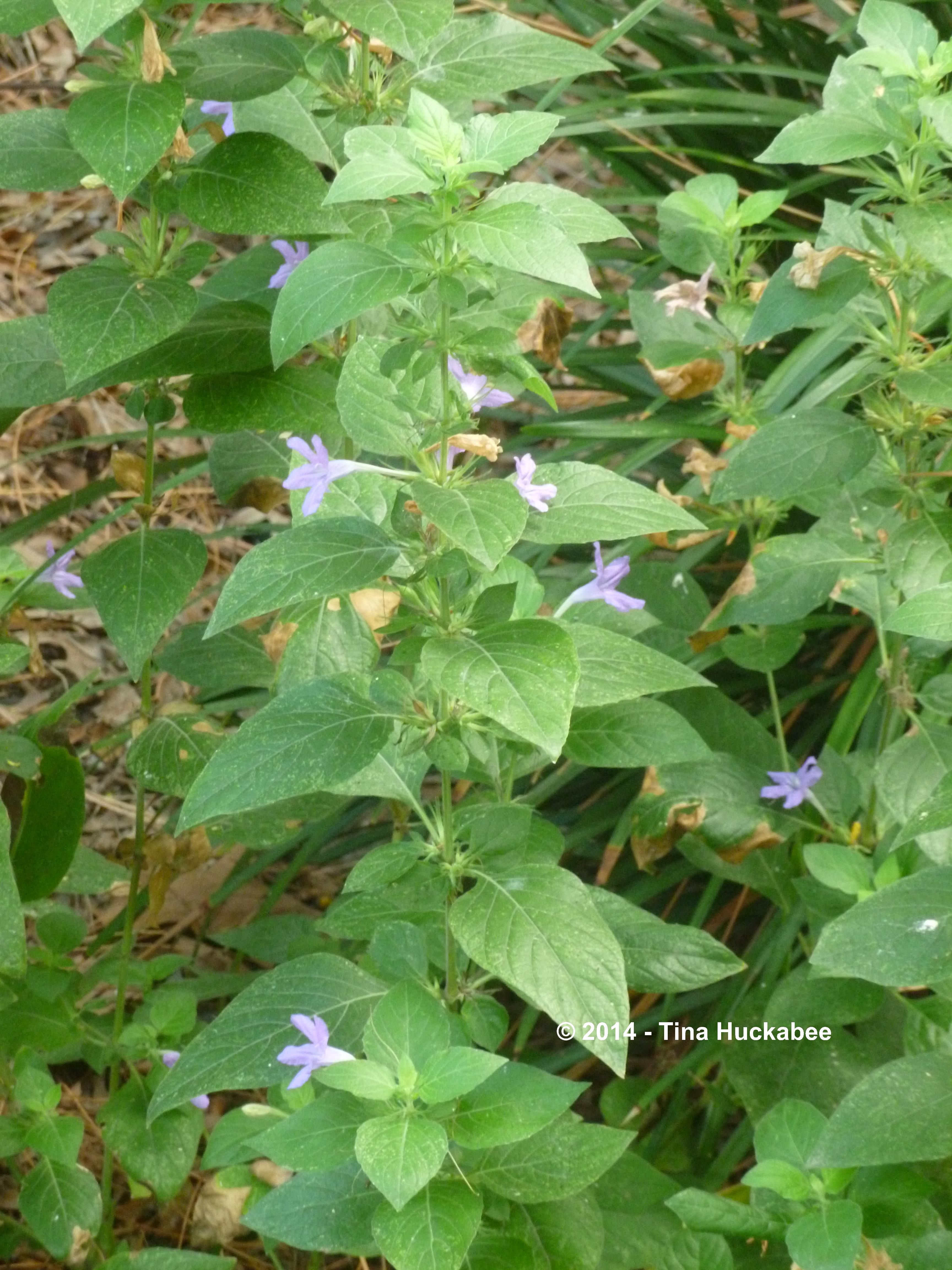
It’s somewhat about the Ruellia this time of year in my gardens.  I grow both a native, Drummond’s Wild PetuniaRuellia drummondiana, like these cuties peeking out through foliage,

P1060988.new

…and these that aren’t  quite so shy.
P1070020.new

P1070097.new

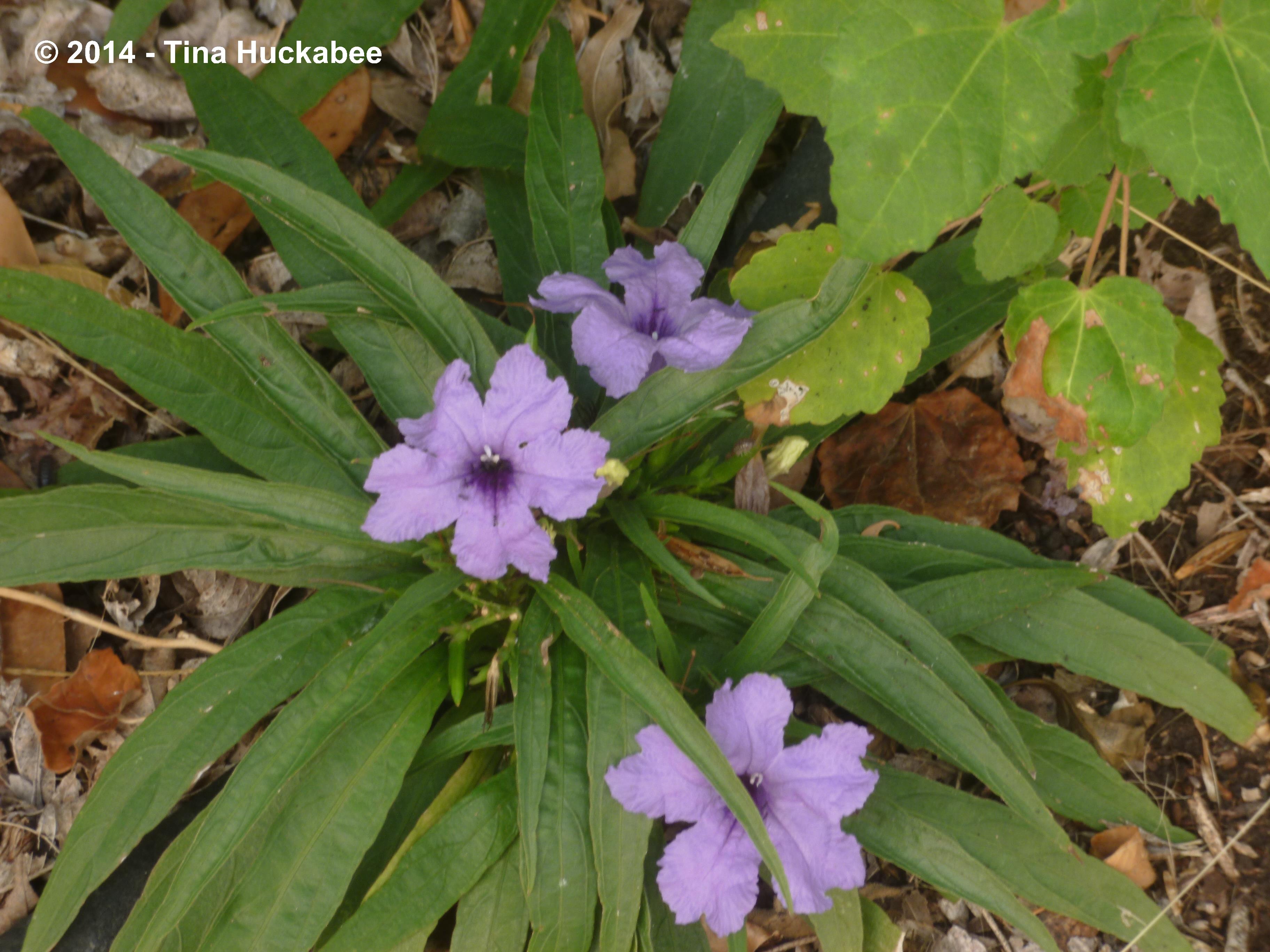
I also grow a well-behaved cultivar, the Katie’s Dwarf Ruellia, Ruellia brittoniana, ‘Katie’s Dwarf’,  blossoming beautifully during the late summer and autumn months.

P1070092.new

P1070094.new

P1070191.new

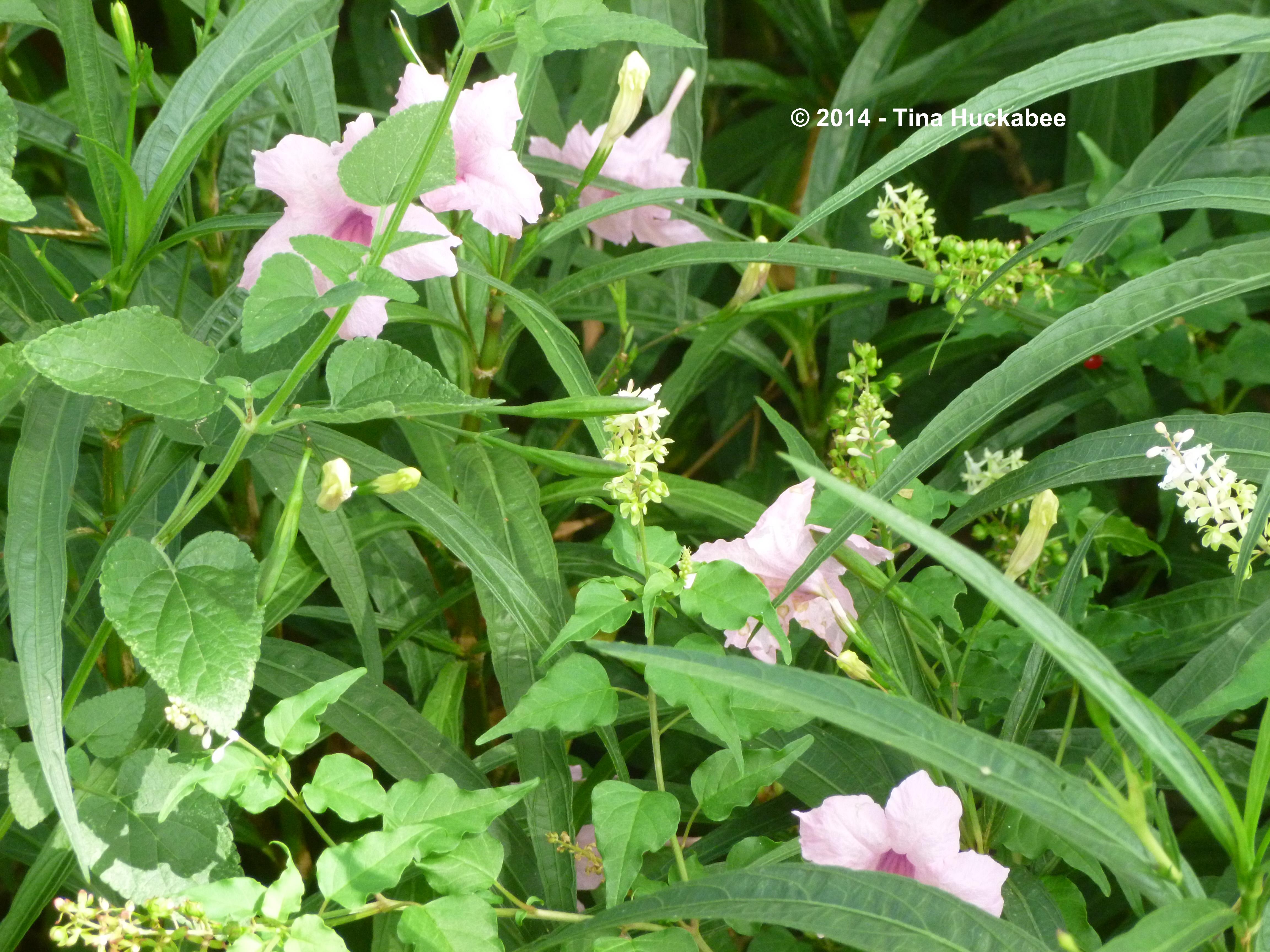
Additionally, a less mannerly variety, the Chi-Chi Ruellia, Ruellia brittoniana ‘Chi-Chi’, makes its home in my gardens.  Here is it nicely co-mingling with the blooming and berrying PigeonberryRivina humilis,

P1070407.new

…and flowering alone.

P1070408_cropped_2898x2728..new

I love the first two Ruellia species and have a complicated relationship with the third.

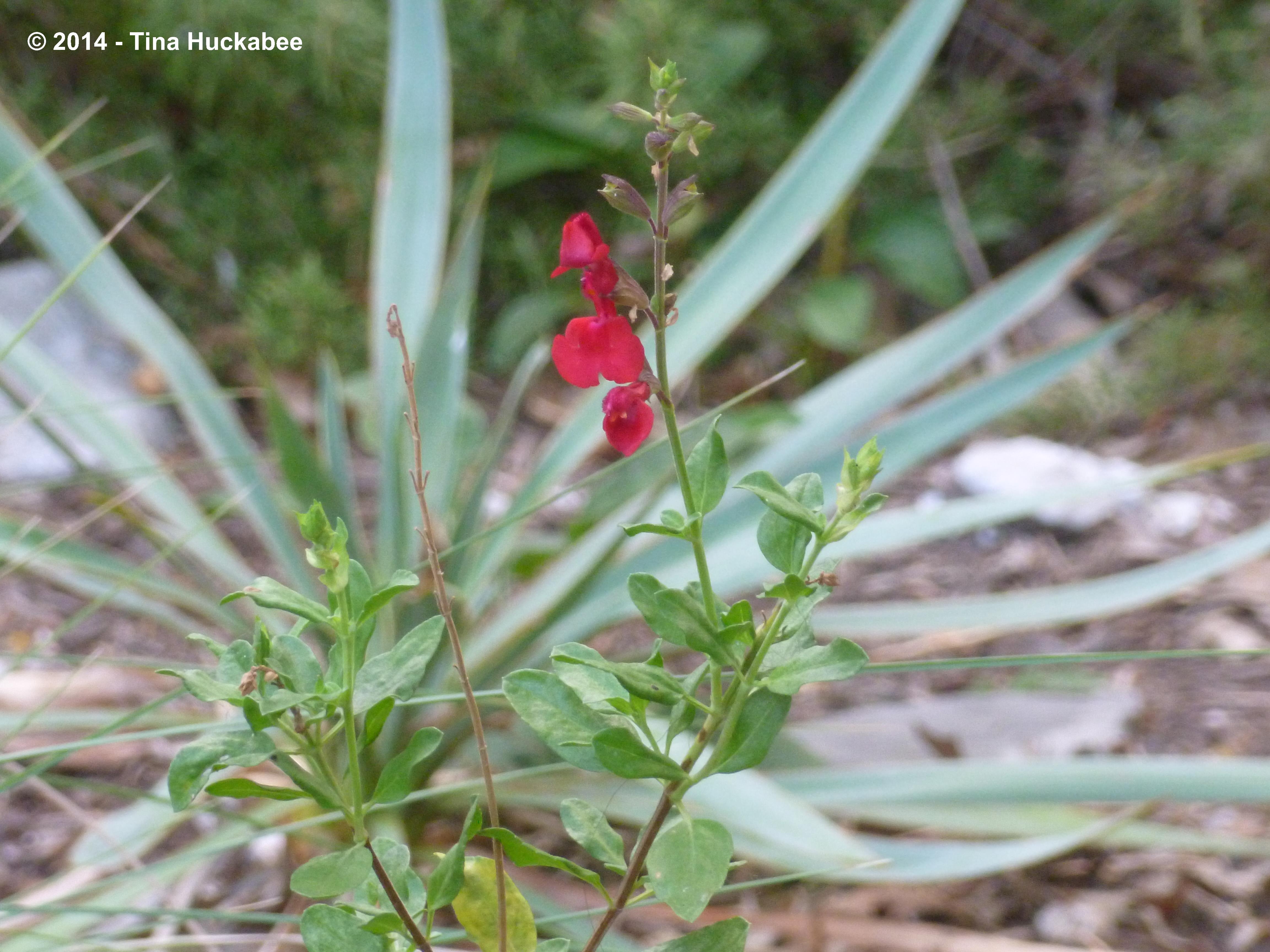
The various Salvia in my gardens, like this red Autumn SageSalvia greggii,

P1070091.new

…really strut their stuff in the fall. Flowers that appear on and off during our hot summer, the blossoms on these woody, native shrubs will consistently impress both pollinators and gardeners throughout our productive autumn months.

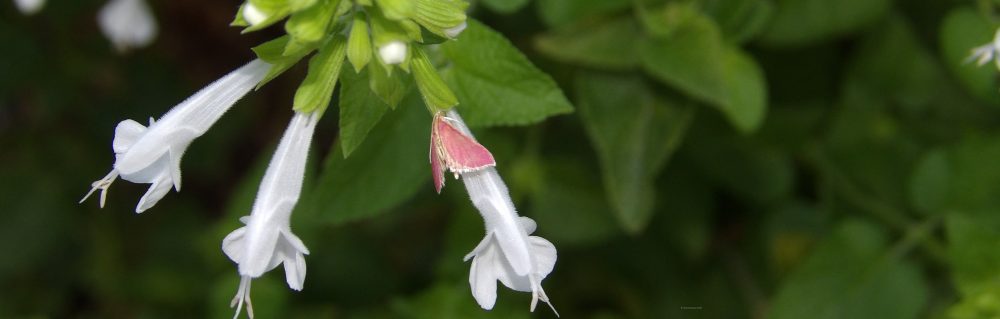
A different salvia, the white Tropical SageSalvia coccinea, was knocked back this past winter with our  late freezes,

P1070014.new

…but are lush with snowy, bee-friendly blooms now and will bee that way until there is a killing frost.

Rock RosePavonia lasiopetala, opens its Barbie Doll Pink blooms each morning, remaining open longer as the days get shorter.

P1070218.new

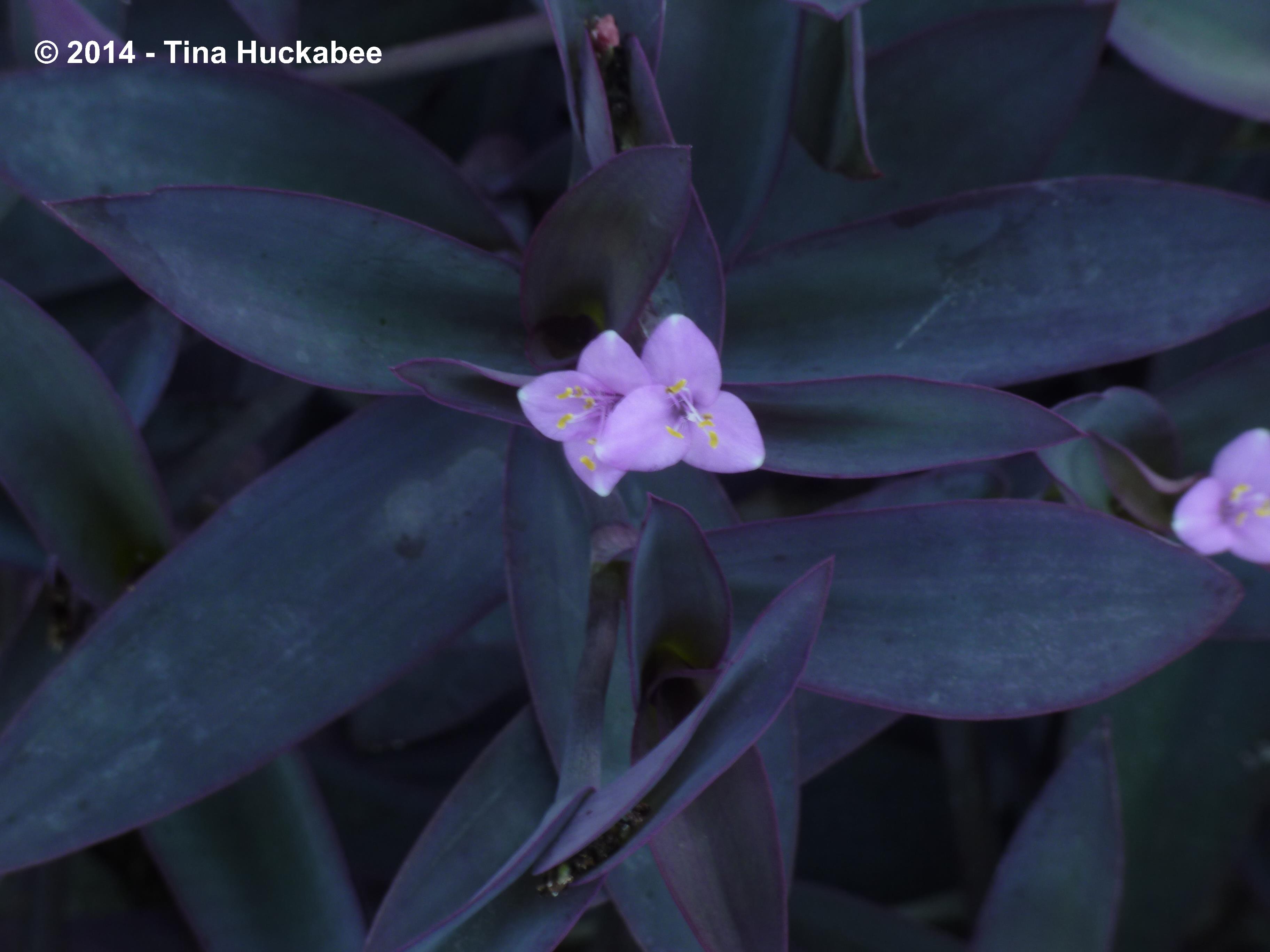
Another perennial with pretty-in-pink blossoms, is the Purple Heart, Setcreasea pallida ‘Purple Heart’.
P1070230.new

I grew up with Purple Heart rampant in my mother’s garden–I have warm memories of playing near stands of this naturalized ground cover with its dramatic purple foliage and charming blossoms.

Sweet Basil produces tiny flowers for pollinators,

P1070245.new

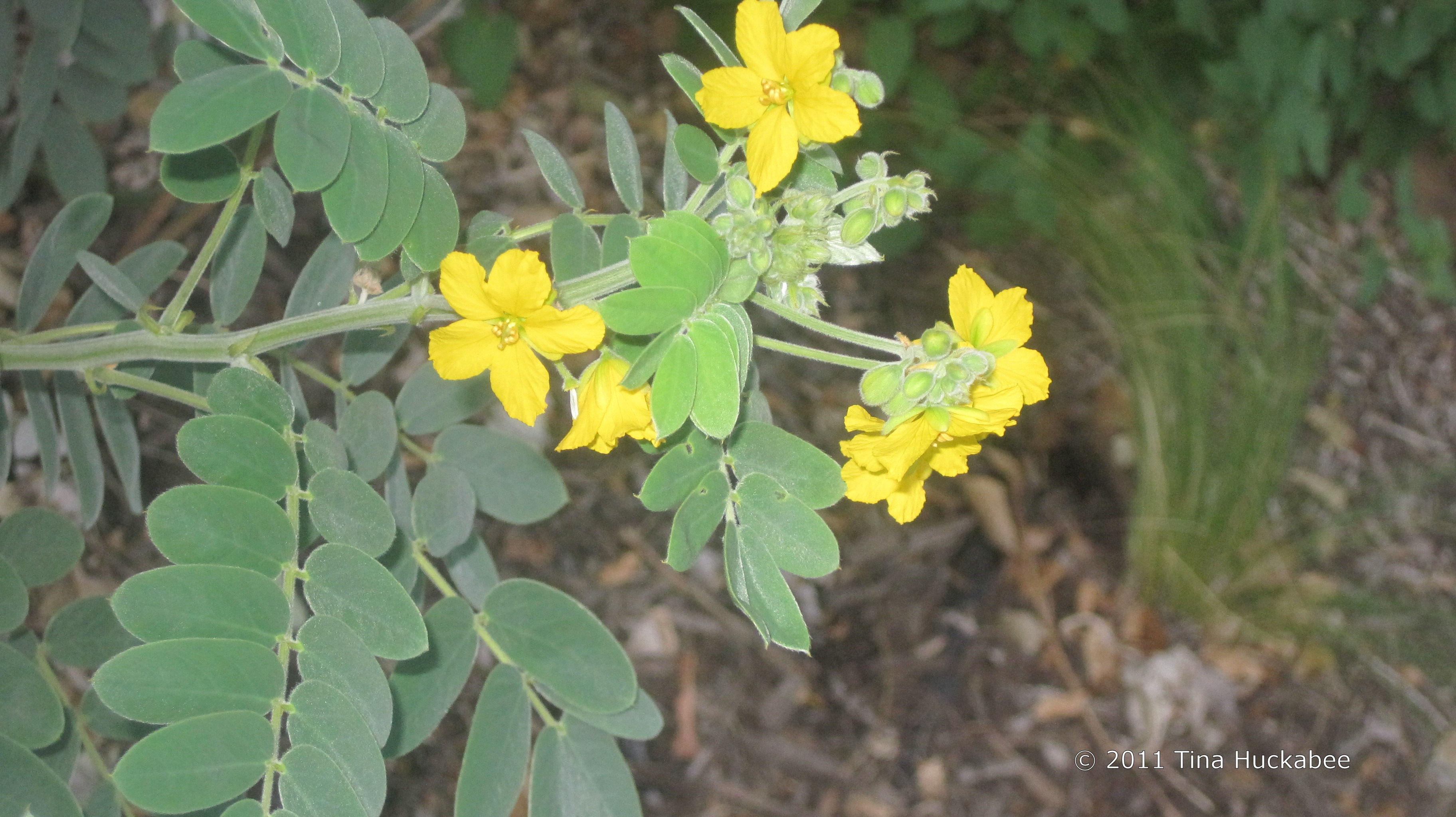
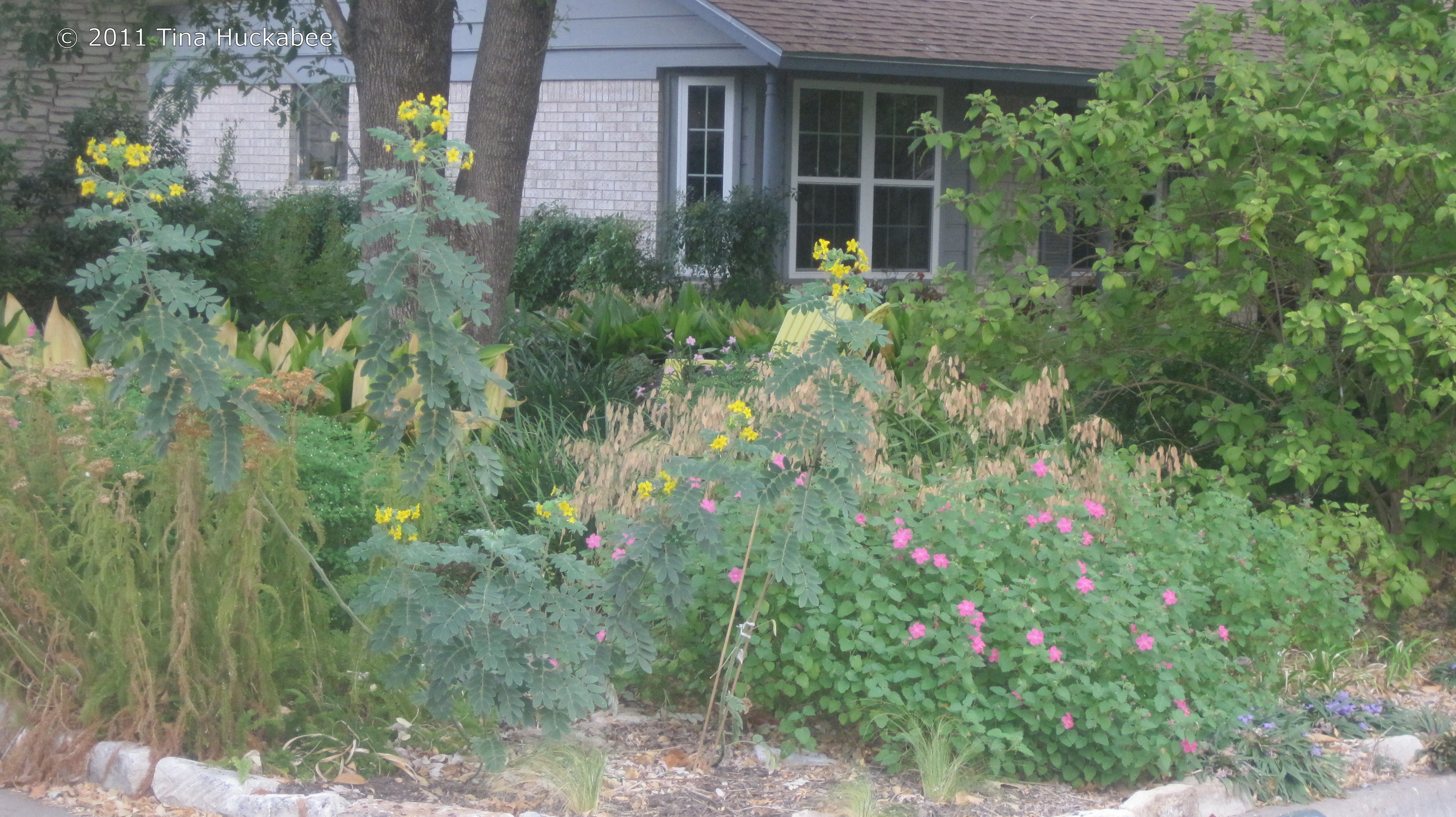
… and the native, wildlife perennial, Lindheimer’s Senna, Senna lindheimeriana, blooms from August into September for the pollinators, then sets seeds for the birds later in fall.

P1070372

P1070361.new

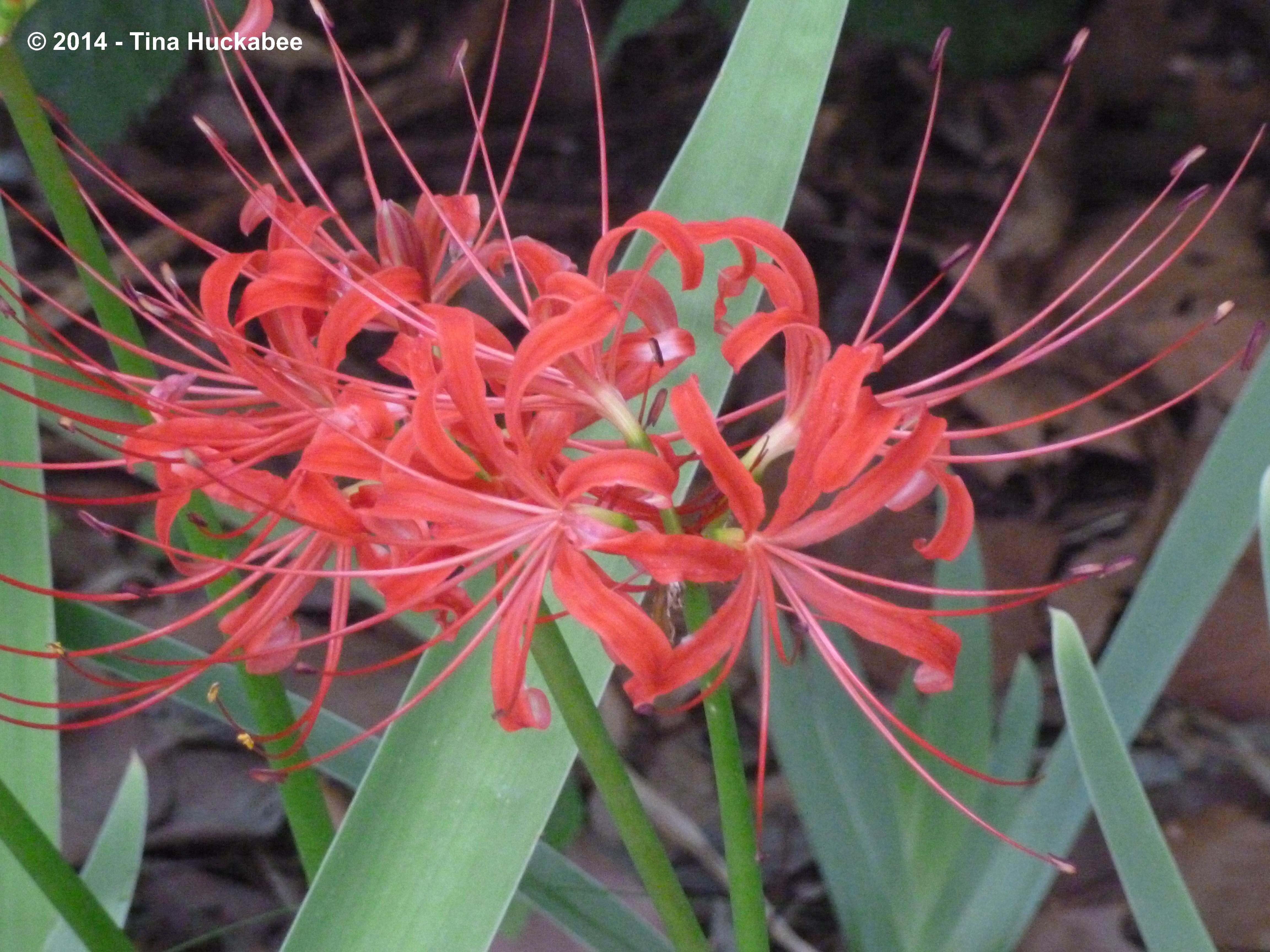
I always forget that I planted these Red Spider Lily bulbs,  Lycoris radiata,

p1070335-newb

…. until they pop up, overnight it seems.
P1070338.new

These are such gorgeous flowers! I don’t know why I can’t remember that the bulbs are in the ground, waiting for the first of the September rains, to grace the gardens with their exotic beauty. The strappy foliage (which emerges after blooming) disappears in the late winter/early spring.  The memory of those exquisite blossoms should stay with me, but I’m always surprised to welcome them again, each September.

Finally, a Monarch butterfly is now visiting my gardens, sipping on his preferred blooms of the Tropical MilkweedAsclepias curassavica.

P1070417.new

My heart lifted to see this North American beauty after all I’ve read about the very serious decline in the monarch butterfly population.

P1070433.new

Go Monarchs!

Here in Austin we enjoy a second, spectacular blooming season, beginning just about now.  Fall blooms abound and there’s more to come!  For today though, check out blooms from everywhere at May Dreams Gardens.

Native Texas Plant Week and Foliage Follow-Up–October 2012

Joining Pam at Digging for Foliage Follow-Up and celebrating Native Texas Plant Week, I’ll focus on some of the lovely Texas plants currently wowing with interesting foliage in my garden.

Or, as in the case of the Big Muhly (Muhlenbergia lindheimeri), showing off its slender foliage and its magnificent inflorescence.  Fall has arrived with the plumes of native grasses entering their full glory.  Sigh.  So beautiful.

This Silver Ponyfoot (Dichondra argentea) augments the brighter green and blooming perennials around it.

Its creeping habit is graceful as it spills over edges and rocks.

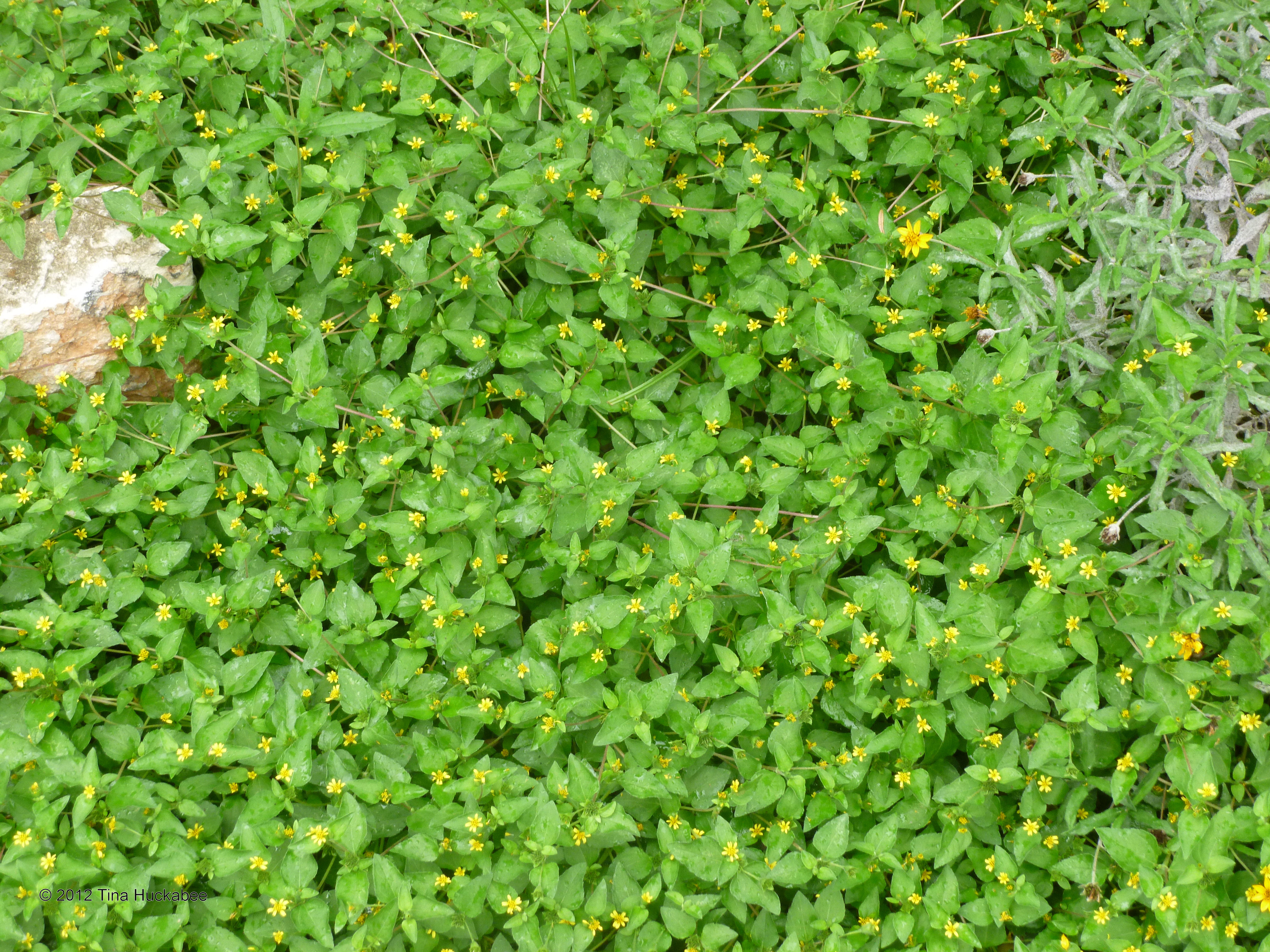
Most people in Texas would consider this plant, Horseherb (Calyptocarpus vialis),

an obnoxious weed.  I’ve found many of these hardy, drought tolerant plants insinuating themselves in cracks between stepping-stones or at the base of raised beds.  I had so many individual mats that I decided to plant as many as possible in a sitting area that was once grass, but has been a mulched area for about ten years.

I planted the left side after some heavy rains last May and the right side, after rains  during the summer. The Horseherb has filled in remarkably well.  Scarily so. I hope I don’t regret have this tough plant so close to a more formal garden.  I’ll need to keep it tidy with a line trimmer, but the area is almost completely shaded, so it won’t need extra water and Horseherb can handle moderate foot traffic.

Inland Sea Oats (Chasmanthium latifolium) is sporting its tawny seeds for fall.

Although the pretty yellow blooms of the Lindheimer’s Senna (Senna lindheimeriana) are all but gone and the seeds are ripening for the birds, I still love the beautiful soft grey-green foliage of this native perennial.

Lindheimer’s Senna is especially nice paired with the bright green, more tropical looking leaves of the ‘Esparanza’ Yellow Bells (Tacoma stans).

The always elegant Mexican Feathergrass  (Nasella tenuissima), softens gardens with its thread-like shimmery green to golden brown leaves.

Years ago, someone shared their White Yarrow (Achillea millefolium) with me.  Yarrow is a favorite of mine because of its beauty and durability.  Best in shade, it grows well in even the driest of summers; its blooms are long-lasting.  By this time of year, I’ve pruned the flower stalks, but the leaves remain lush.

This Retama is about seven years old.  It’s grown tall and has yellow flowers all summer.  The bloom cycle is toward its end, but the delicate, feathery leaves are fetching.

Be STILL my beating heart!  I love Gulf Muhly (Muhlenbergia capillaris).

I love it!  Although my little Muhly is no rival for some of the beauties of this species that I see around Austin, I’m still thrilled that I have some plumage.  Someday, little Muhly, someday!

Glory in both blooms and foliage! And if you live in Texas, happy Native Plants Week!  Wherever you live, try native plants for your garden. For more information about North American native plants, check out the Lady Bird Johnson Wildflower Center site.

Really, does the world need another garden blog????

I’ve resisted the pull for some time–to add my voice to the throngs of garden blogs.  Alas, I’ve given in to the…green side.  I don’t really know if I have anything new or different to add to either the blogosphere or to gardening in general, but I thought I’d give it a whorl (pun intended).  I’m hoping to do what others do–lament the awful heat and drought gripping Texas, post groovy pics about home projects, profile my favorite (or not) plants and discuss the whys and hows of transforming a boring grass home landscape to something vastly more interesting to wildlife and humans.  With a nod to the excellent and informative gardening blogs that I’ve enjoyed for several years, here goes.

So, for my virgin post (I don’t really expect the earth to move), some photos of my newest favorite plant.  Not to  worry, there will be other “newest favorites.”

I’ve been familiar with Lindheimer’s Senna (Senna lindheimeriana) for years, although only planted some in my personal garden about a year ago.  These have grown quite tall (really, a little too tall for the spot they’re in, but I like them and they were great all summer).  I love the soft (a common name for this plant is Puppy dog ears), grey-green foliage and the little flowers are bright and cheery.  Mine are planted in a difficult spot.  The area is bordered by the driveway and street, gets dappled shade most of the day, but receives the hot, blast of the Texas sun after about 3PM.  They’re doing a bit of a lean-thing, but I’m still happy with their performance.

I grew to admire the Lindheimer’s Senna in my job as gardener in the Green Garden at Zilker Botanical Garden and noticed that they seed out regularly, although not so profusely that they become weedy.  A sweet volunteer who was a Habitat Steward gave some seedlings to me to plant in the part of the garden that is certified as a Wildlife Habitat.  Some of her seedlings didn’t make it through our freezes in January/February 2011, but two did and they are lovely now. (No photos of those, you’ll have to visit the gardens!)  I have noticed that they are a bit tricky to transplant as seedlings, though.  I plan to add more of these great plants soon, both to my personal garden and to the Zilker gardens.  Check out the information on these native Texas plants on the NPIN website.