Native Texas Plant Week and Garden Bloggers’ Bloom Day–October 2012

For Garden Bloggers’ Bloom Day and in celebration of Texas Native Plants week, I’m posting some pics of a few currently flowering beautiful native plants in my garden.  Thanks to Carol at May Dreams Gardens for hosting–check out her site to enjoy photos of blooms from many places.
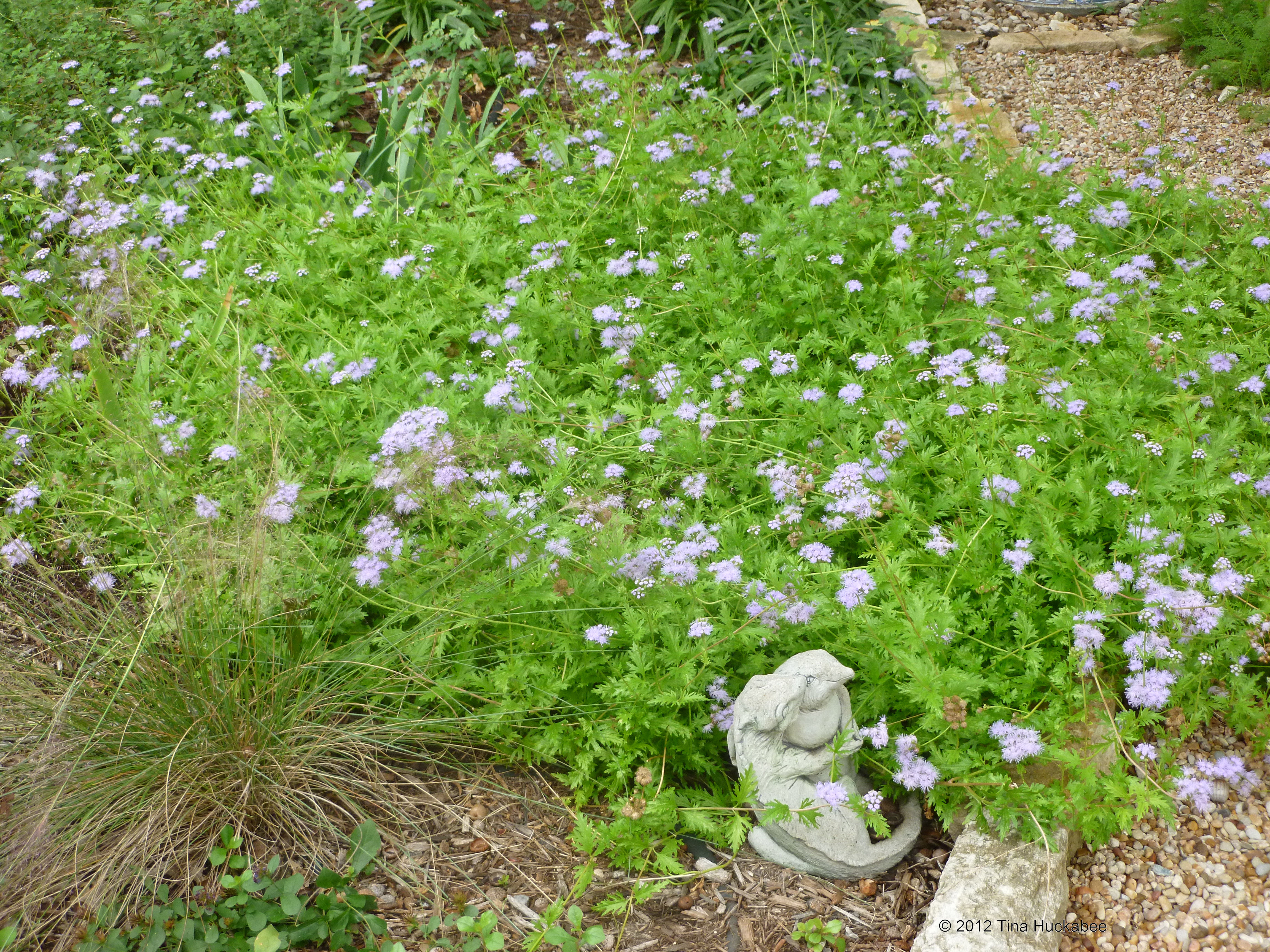
One overview look at a group of Gregg’s Mistflower (Conoclinium greggii),

and a close up of this great native perennial ground cover.  The Gregg’s Mistflower is native to Texas, New Mexico and Arizona.

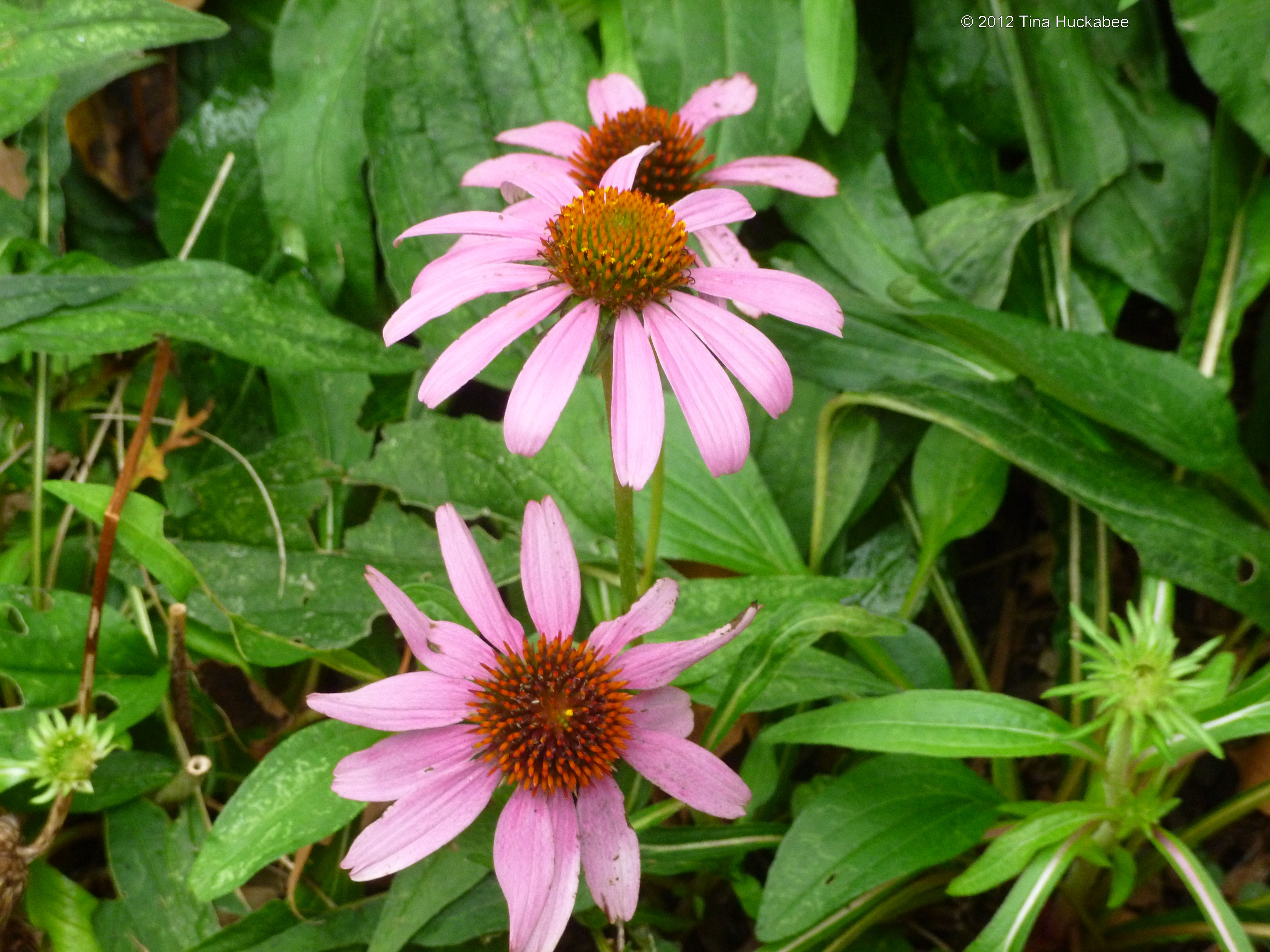
The Purple Coneflower (Echinacea purpurea), is always a winner in my gardens.  Its main bloom period is spring through mid-summer, but I always have some blooms in the fall until a hard freeze ends the glory.
A larger view of another perennial, Blue Mistflower (Conoclinium coelestinum),

and its closeup.

The two mistflower species are related, but they are a little different. It’s difficult to tell from my limited photographic abilities, but the Gregg’s Mistflower is a lighter blue, while the Blue Mistflower is much darker.  Also, the leaf characteristics are different in the two plants.  Both are perennial ground covers with the main blooming period occurring from September through November.  Both are also favorites of the butterflies and bees.

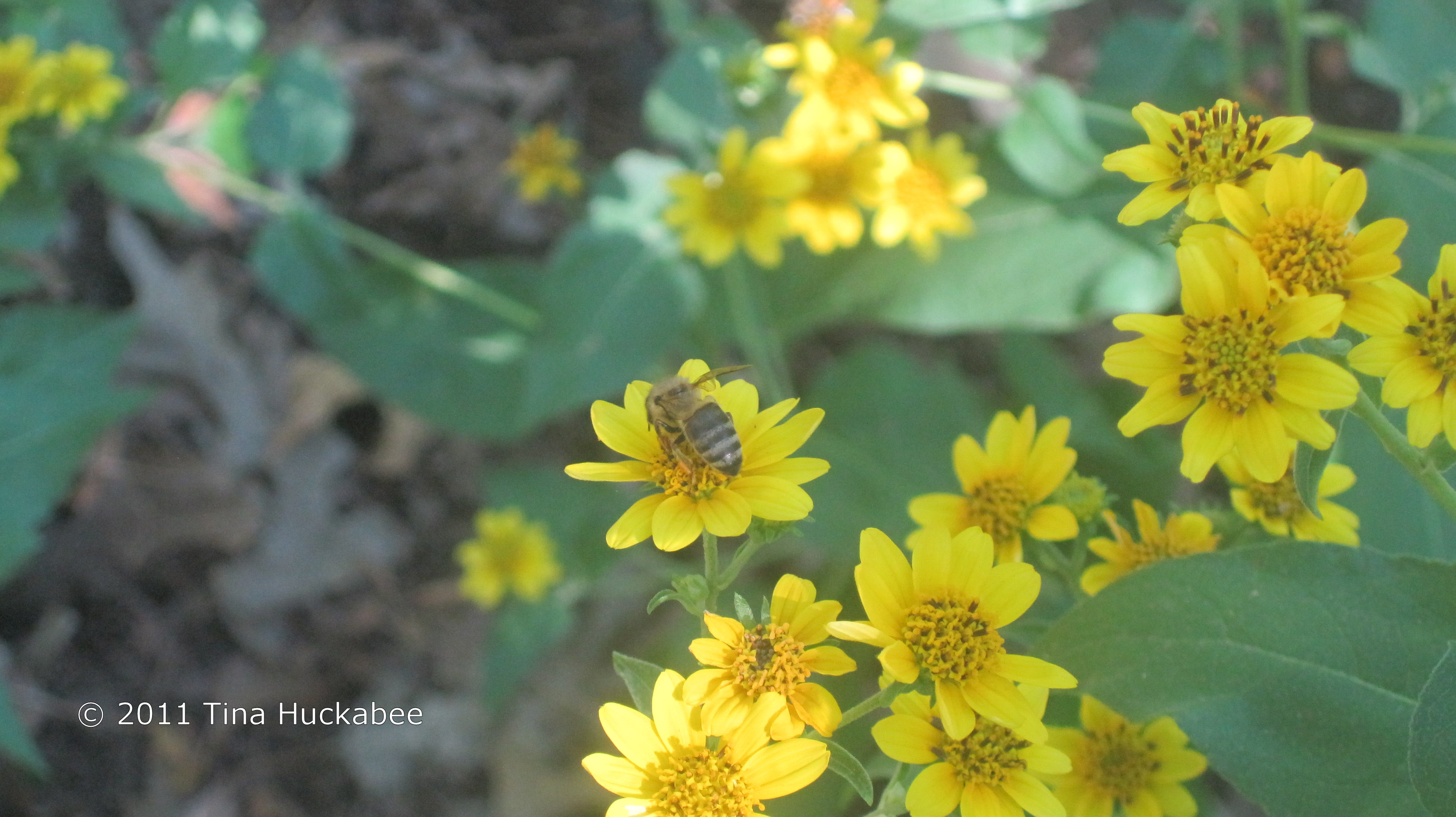
The Goldeneye (Viguiera dentata) brightens the roadsides and my gardens in October.
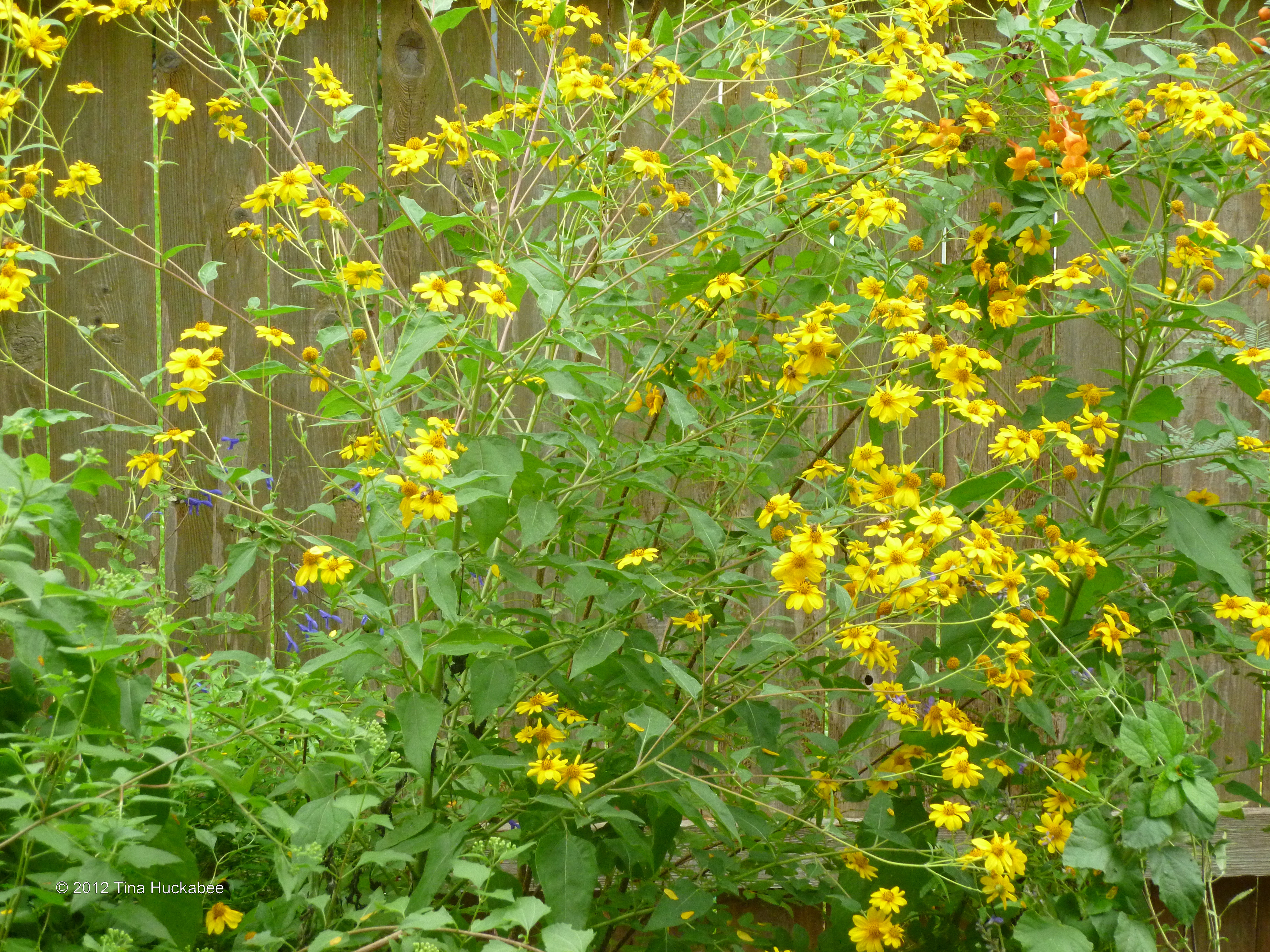
At its peak of beauty now, Goldeneye blooms in the spring and sporadically in the summer months and is an excellent wildlife plant.  It provides for pollinators and birds, alike and it’s pretty for people to enjoy too!

Fall Aster (Symphyotrichum oblongifolium) is a relatively new addition for me.

I’m glad I have a place for this hardy and sweet little aster.

A nice combination of plants:

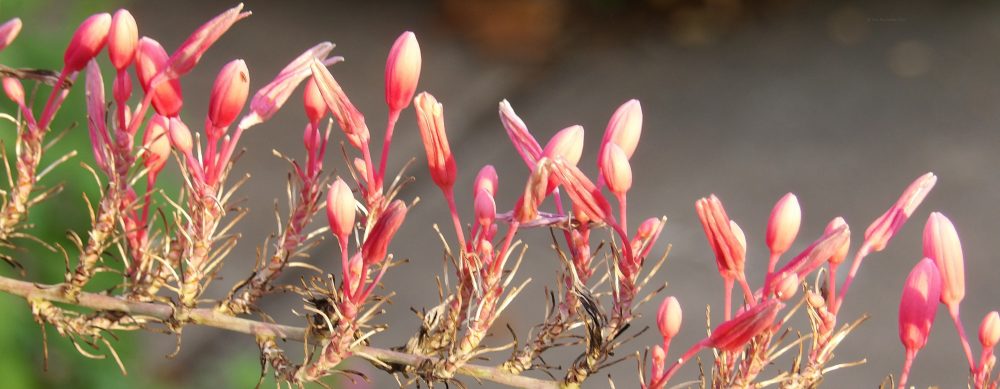
From left to right in the photo above are Mealy Blue Sage (Salvia farinacea), some overhanging blooms from a Red Yucca (Herperaloe parviflora), at the back, some Turk’s Cap (Malvaviscus arboreus var. drummondii), a Pale Leaf Yucca (Yucca pallida), the yellow daisy, Zexmenia (Wedelia texana) and Red Autumn Sage (Salvia greggii).

Another nice mingling of native perennials:

more Coneflower, more Turk’s Cap, more Goldeneye.

The Damianita (Chrysactinia mexicana) is a plant with shocking yellow flowers paired with striking dark, green foliage.
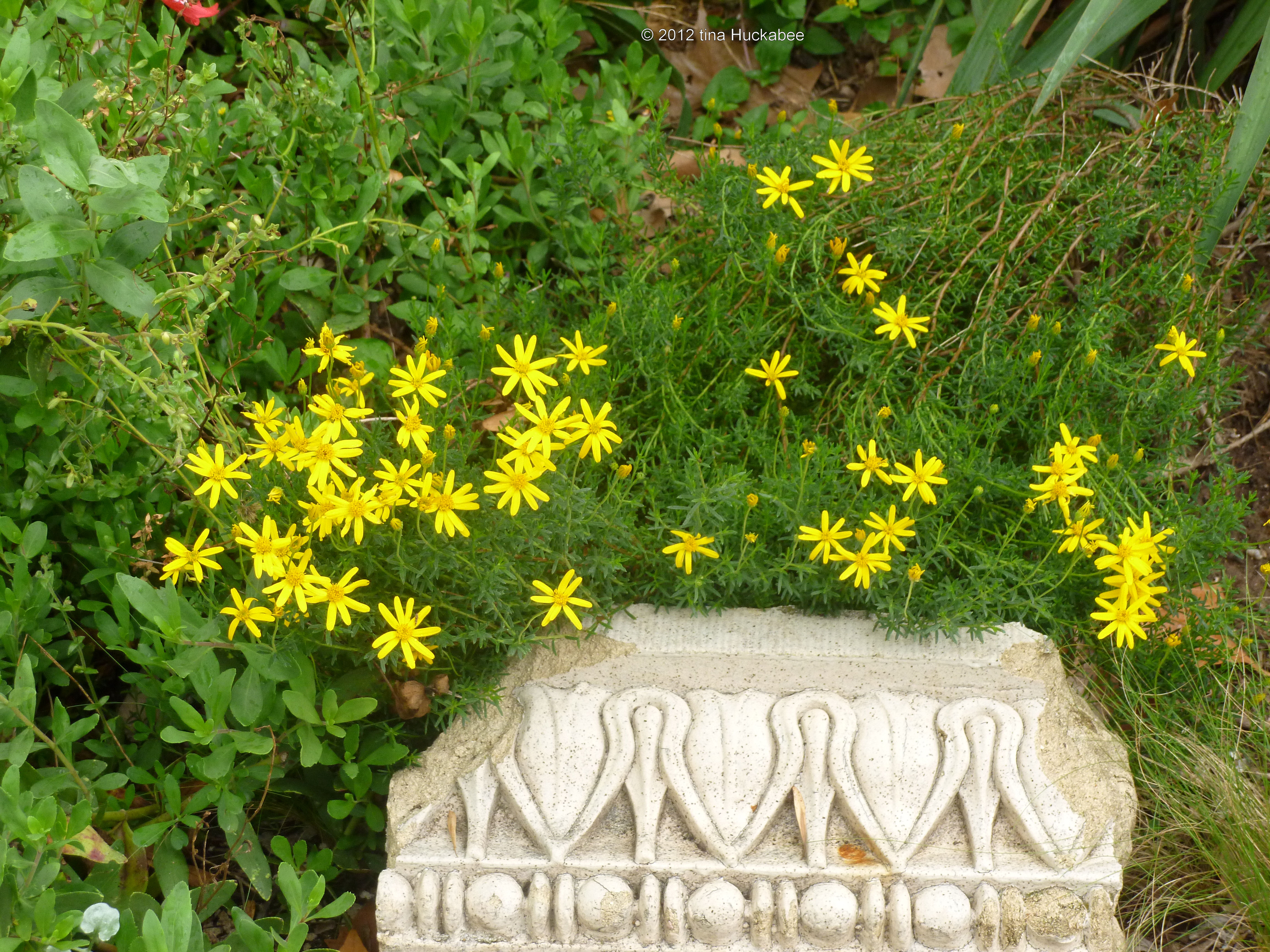
Damianita blooms on and off for the growing season and is native to Central/West Texas and New Mexico.

Texas native plants fit well within the palette of a large mixed perennial garden.

Natives that are blooming are White Autumn Sage (Salvia greggii), Henry Duelberg Sage (Salvia farinacea, ‘Henry Duelberg’), Yellow Bells (Tacoma stans), Big Muhly (Muhlenbergia lindheimeri).

Wherever you live, plant natives in your gardens.  They’re easy, hardy and reliable and attract wildlife to your gardens.

For more information about native plants of North America, check out the Lady Bird Johnson Wildflower Center site.

Go natives!  Go garden bloggers!

Mellow Yellow–Not!

In preparation for Texas Native Plant Week which happens this year from October 16-22, I’m going to profile some of my personal favorites.  Since I have MANY personal favorites, it will be difficult to narrow the list. But, I’ll do ‘m best!

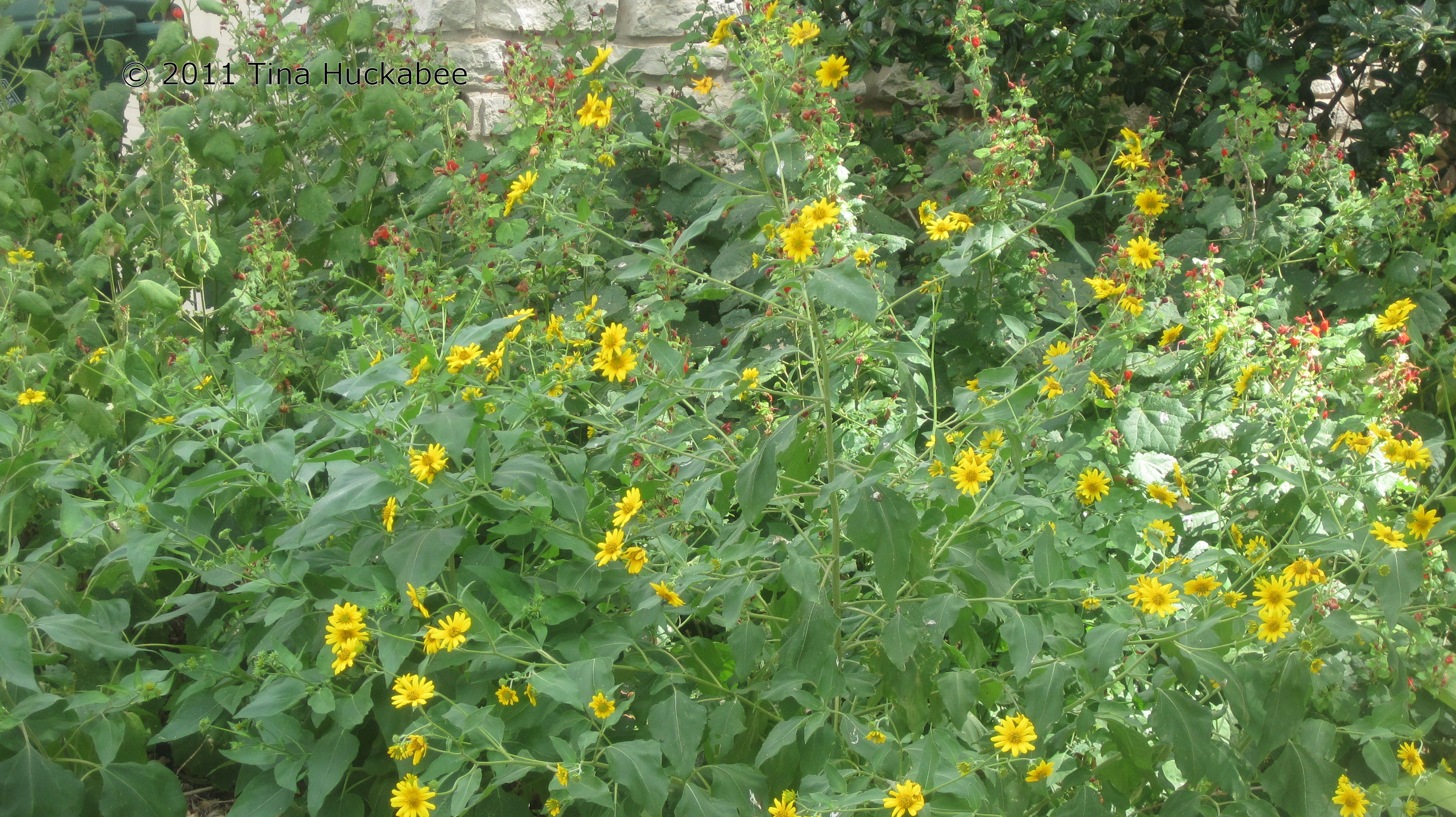
Blooming beautifully during October (even this October) is Goldeneye, (Viguiera dentata).

Goldeneye is a native Texas plant that is common in open fields or wooded areas as an understory.  You’ve probably seen it blooming along the side of a highway–you can’t miss it.  It has brilliant yellow flowers and during its peak bloom time, remarkably showy.  Actually, it blooms sporadically,  beginning in July, but the small flowers aren’t particularly noticeable until its massive bloom in the fall.

If the flowers  look similar to native sunflowers, it’s because they are in the same family of plants, the Aster family.  The leaves are probably also familiar–rather rough and similarly shaped.  Most of the Goldeneye flowers are 1 to 1 1/2 inches wide.  But like many native plants that are pollinated and naturally hybridized, there is some variability.  One of my stands of Goldeneye has tiny (1/2 inch) blooms and blooms earlier than the others.  Another stand has leaves that are about 1/3 larger than the other plants.

Goldeneye is easily grown from seed–just scatter it about either from a commercial seed source, (The Lady Bird Johnson Wildflower Center will host its Fall Plant Sale and Gardening Festival October 14-16 and is a good place to find this plant). Or maybe a nice friend will share seeds or seedlings.  Goldeneye germinates easily and will readily self-sow.  In full sun, it tends to stay a little on the short side (2-3 feet), while in part shade, it grows taller (3-5 feet).   It’s usually multi-branched and can flop onto other plants. Sometimes, a branch will be so heavy as to completely break at the ground.  It is a plant that might require staking.

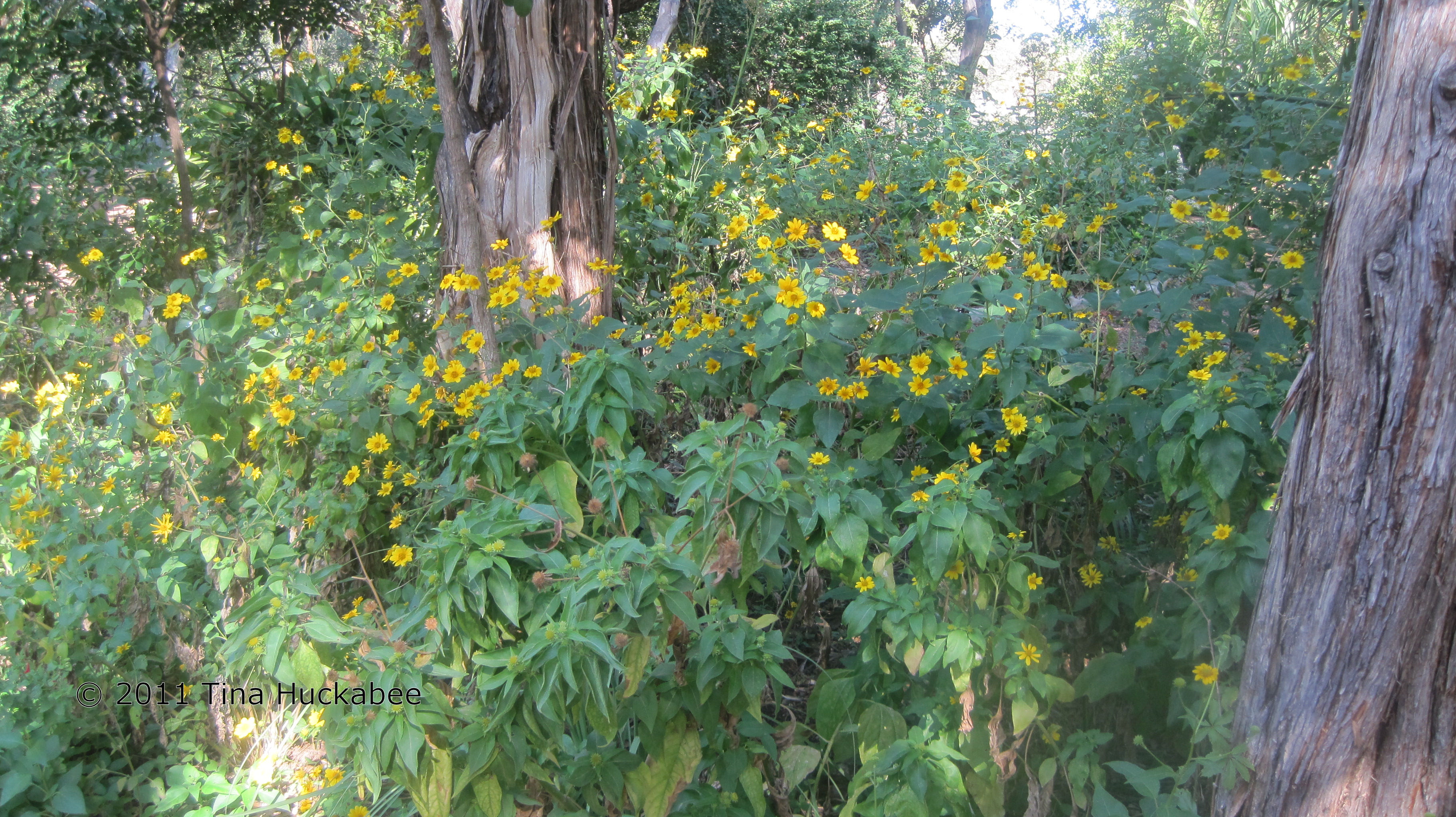
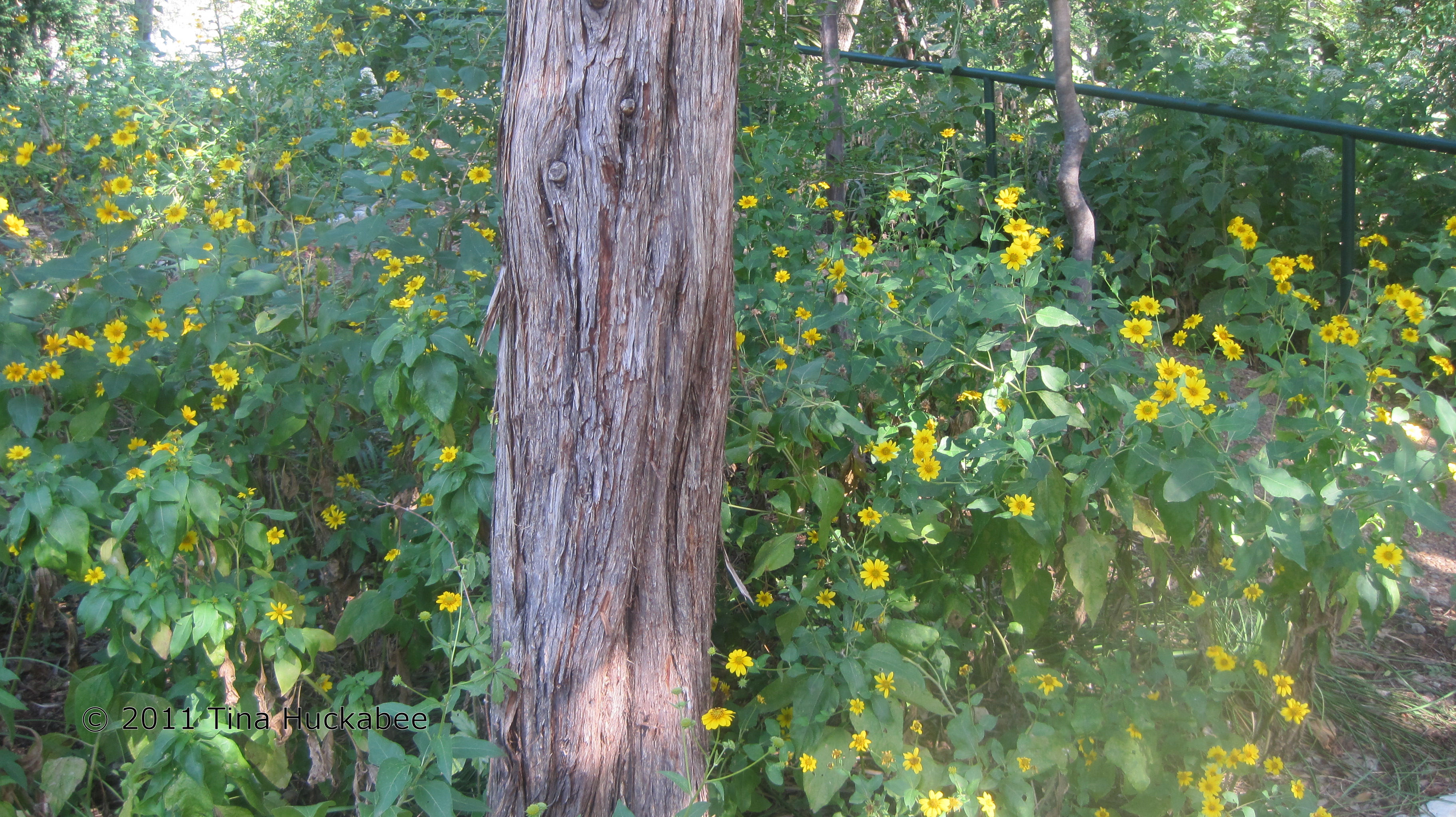
Goldeneye can be placed in the midst of a group of trees to brighten an area.  These photos are from a group in Shay’s Green Garden at Zilker Botanical Gardens.

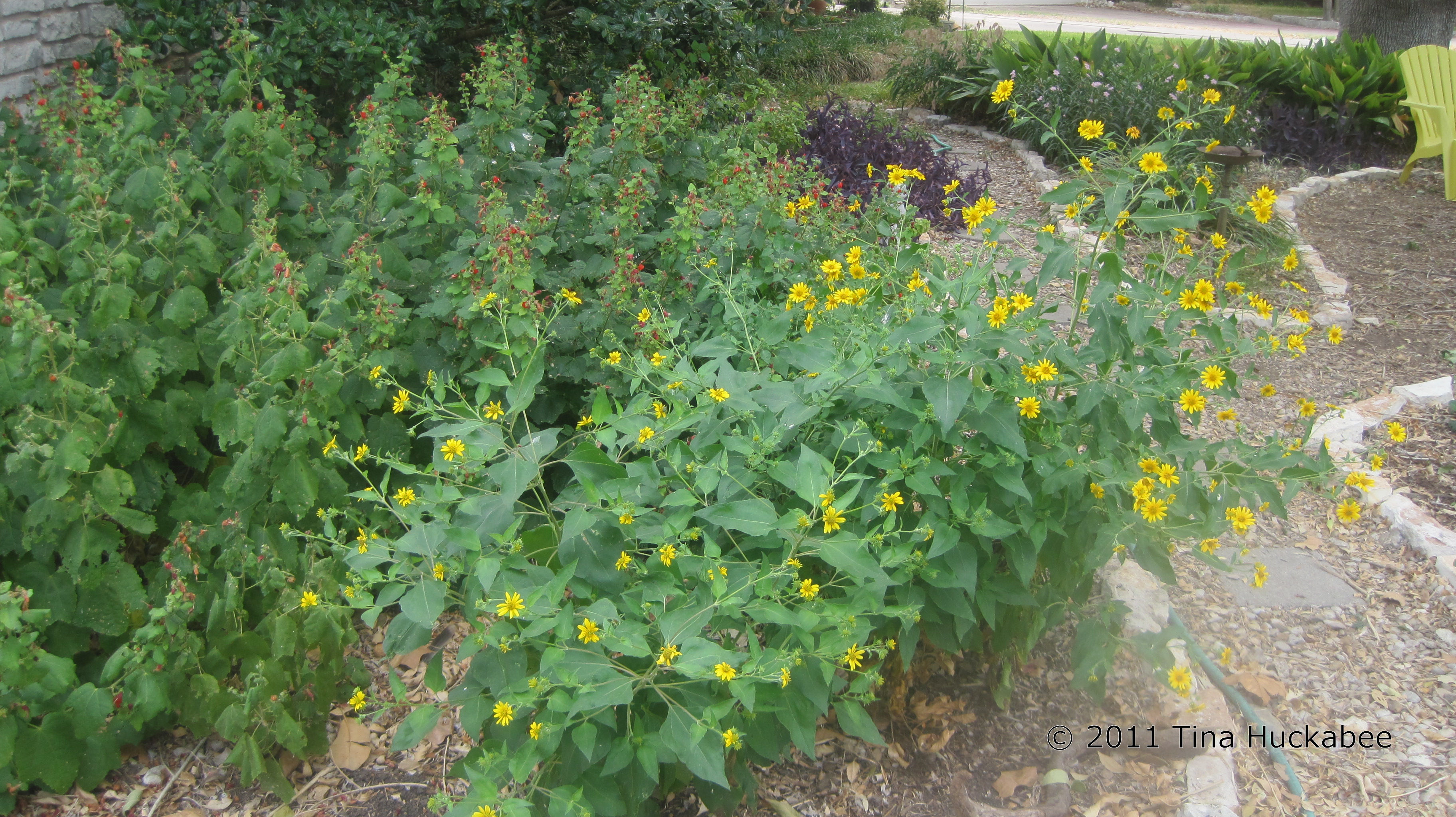
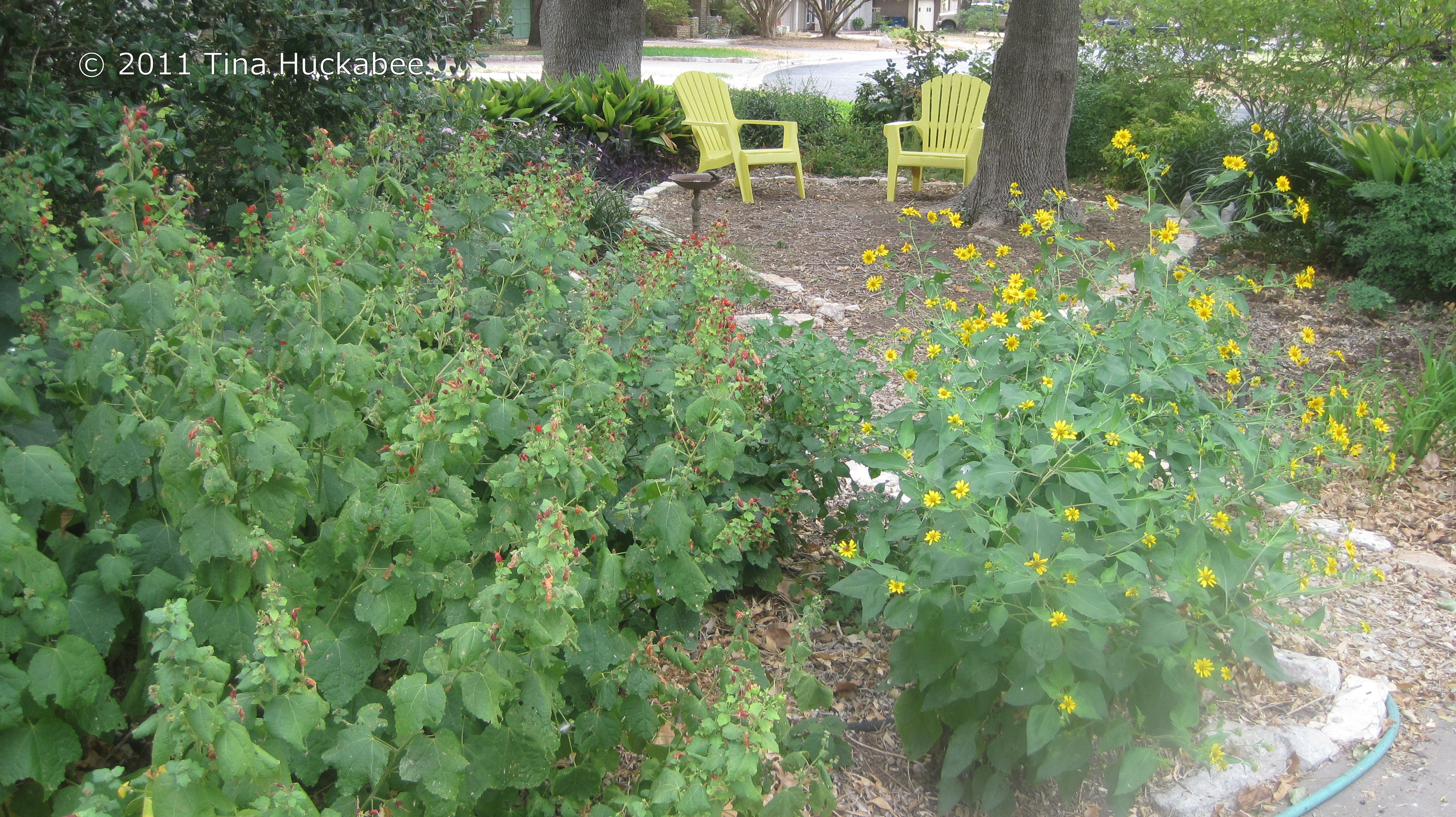
This trio of Goldeneye fronts a stand of Turk’s cap (Malvaviscus arboreus) in my front garden.  My plan was that the Goldeneye would be shorter than the Turk’s Cap.  But the drought has caused all of my Turk’s Cap to be about 1/3 shorter than usual.  I still like the combination though.

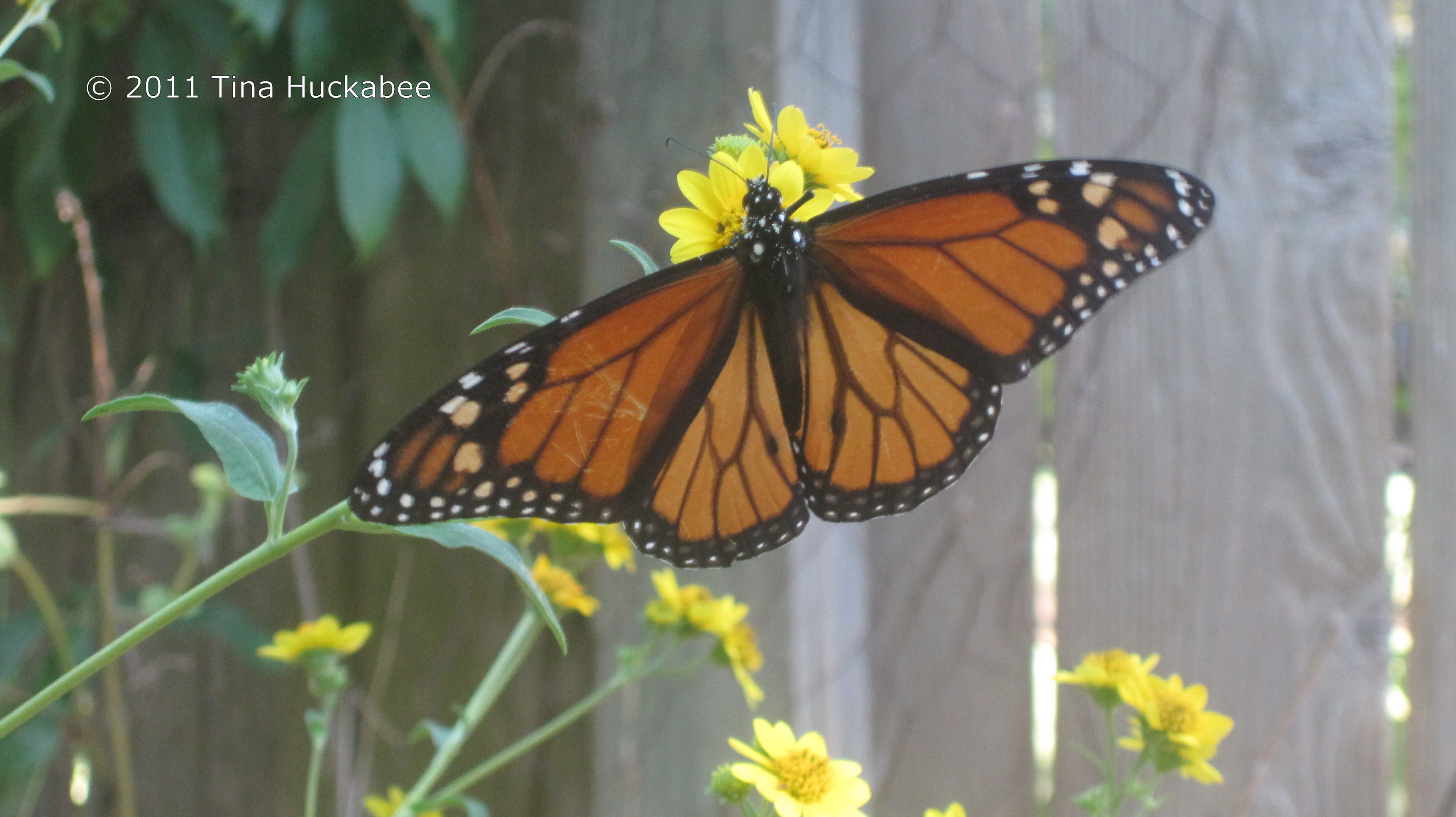
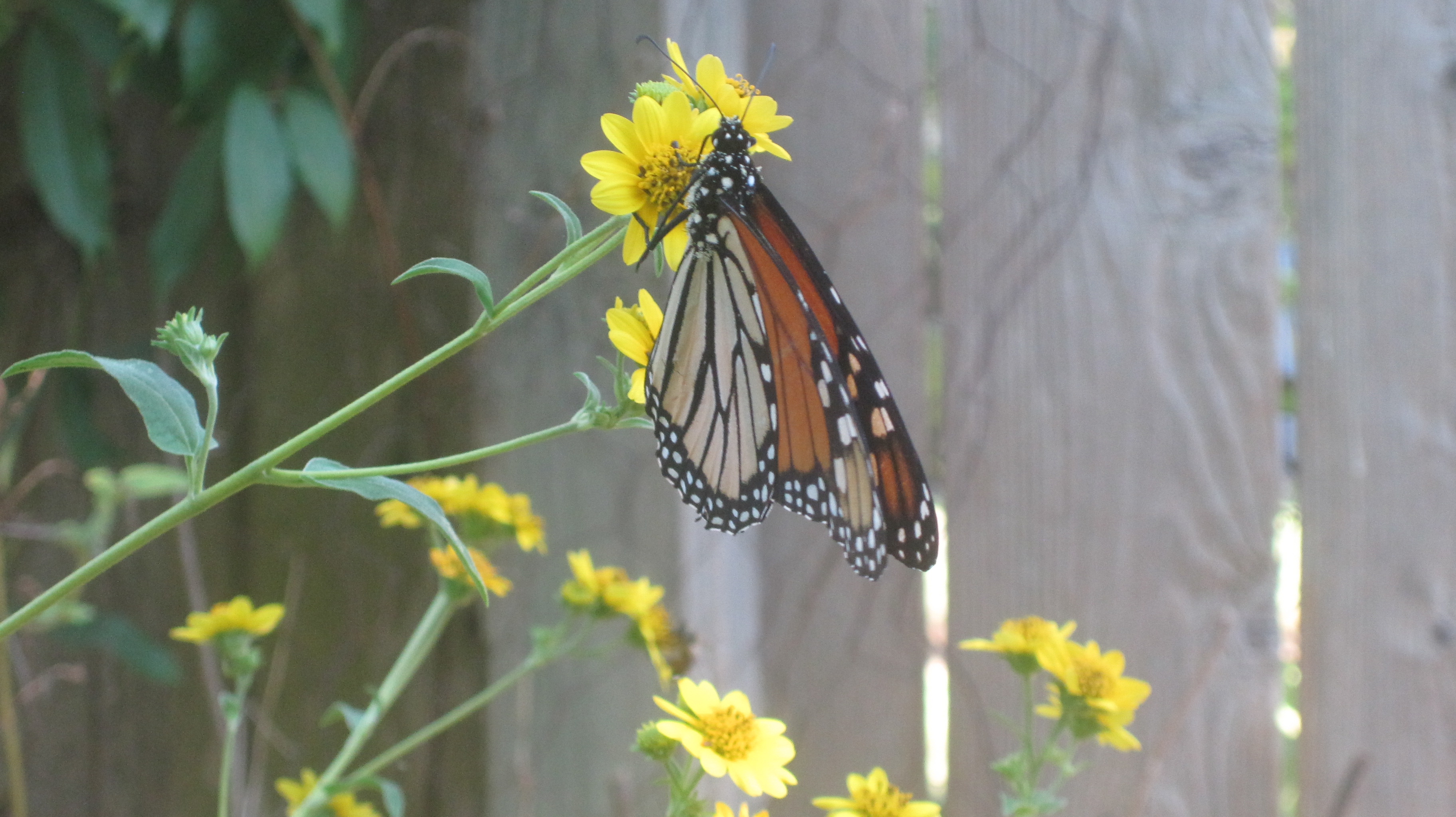
Goldeneye is a host larval plant for two butterflies, Cassius Blue (Leptotes cassius) and Bordered Patch (Closyne lacinia).  It’s also a great nectar plant for other pollinators like this Monarch ((Danaus plexippus),

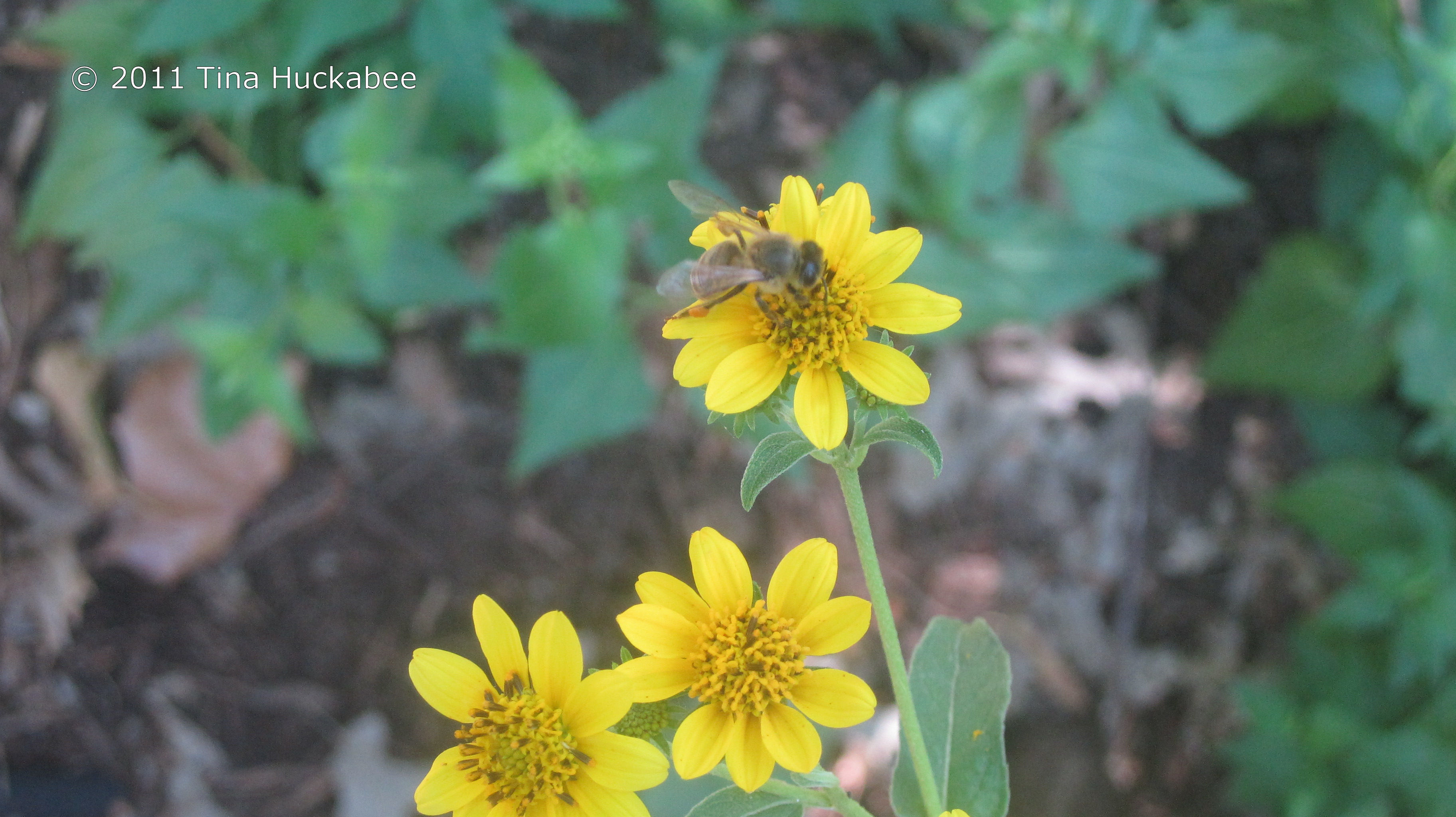
or this little honeybee.

Finches (of all sorts), as well as other birds, also love the seeds and it’s recommended that gardeners let the spent flower stalks stand during the winter for the remaining seeds.  That Goldeneye has “spent” flower stalks means that it isn’t evergreen–it is a herbaceous perennial.  Goldeneye is drought tolerant and easily transplant-able, but according to the NPIN website, not terribly deer resistant.

Goldeneye brightens the fall blooming season with its brilliant yellow flowers, is a great wildlife food source and is an easy, tough plant that every Texas gardener should have!

.