A Parade of Pretties: Bloom Day for March

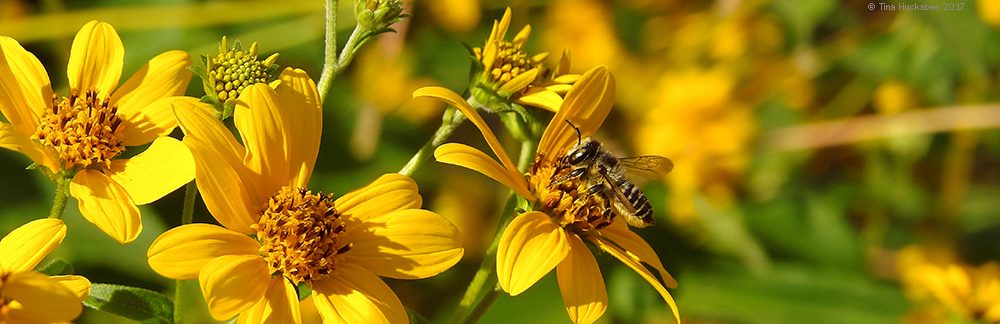
I’m not going to pretend that this post is anything more than a runway fashion show of the botanical kind.  What follows is a shameless and giddy celebration of the the bounty of blooming beauty that is early spring in my Austin, Texas, zone 8b, garden.

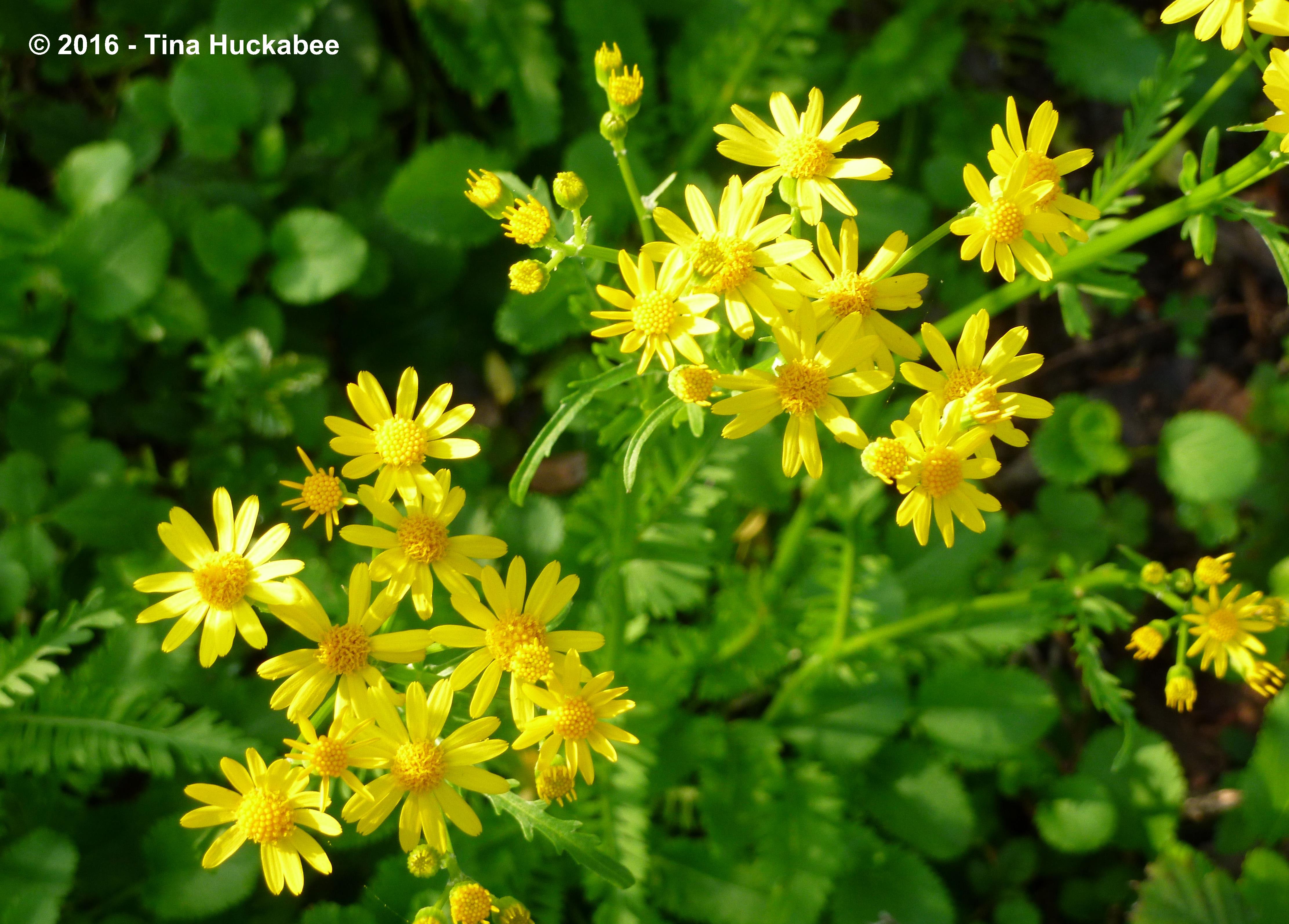
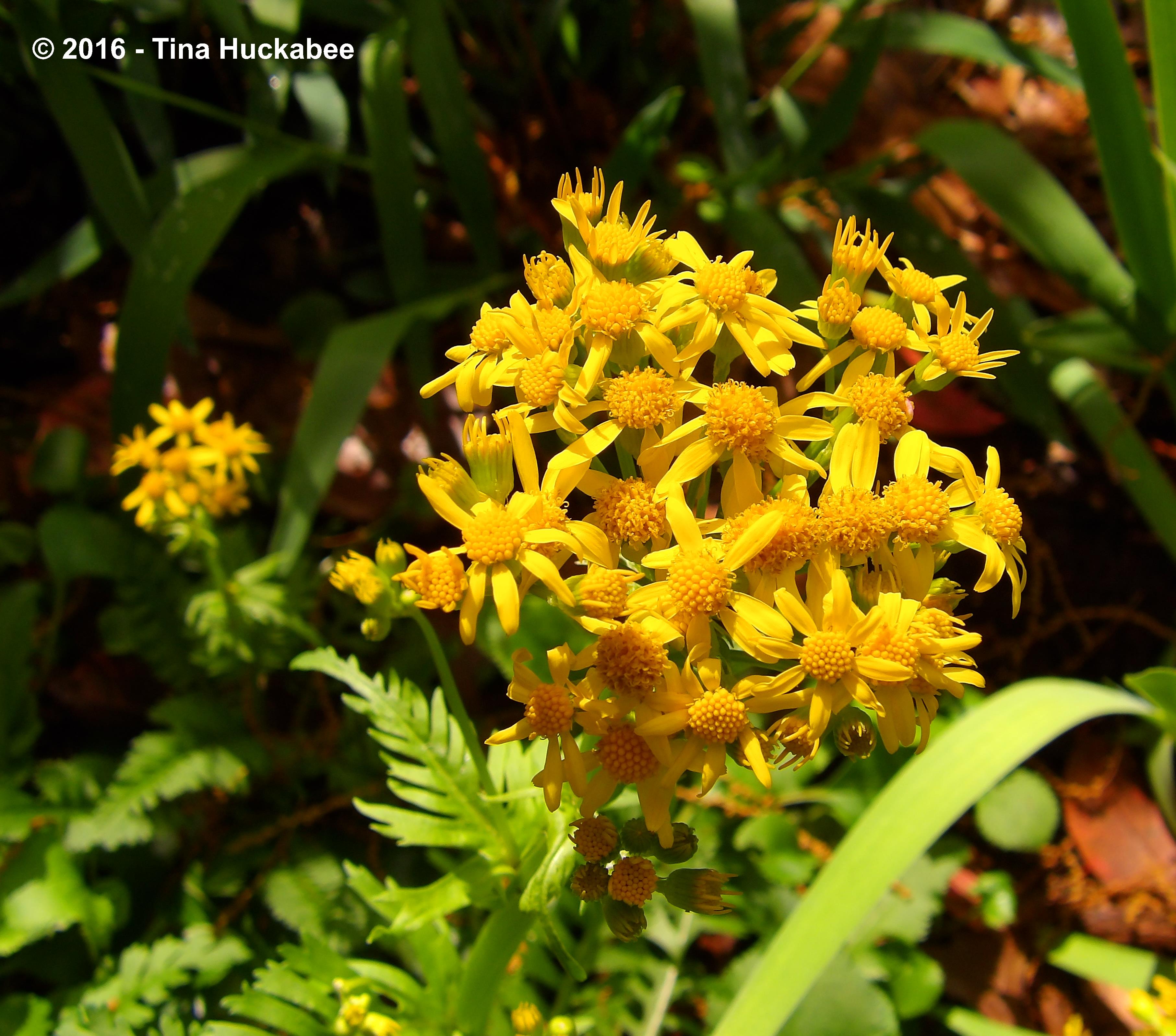
Golden Groundsel, Packera obovata, hit its flowering stride since last profiled  for its beautiful foliage a few weeks ago.
IMGP5034_cropped_3627x3194..new

Slender bloom stalks hold aloft the blasts of brilliant yellow,

IMGP5028.new

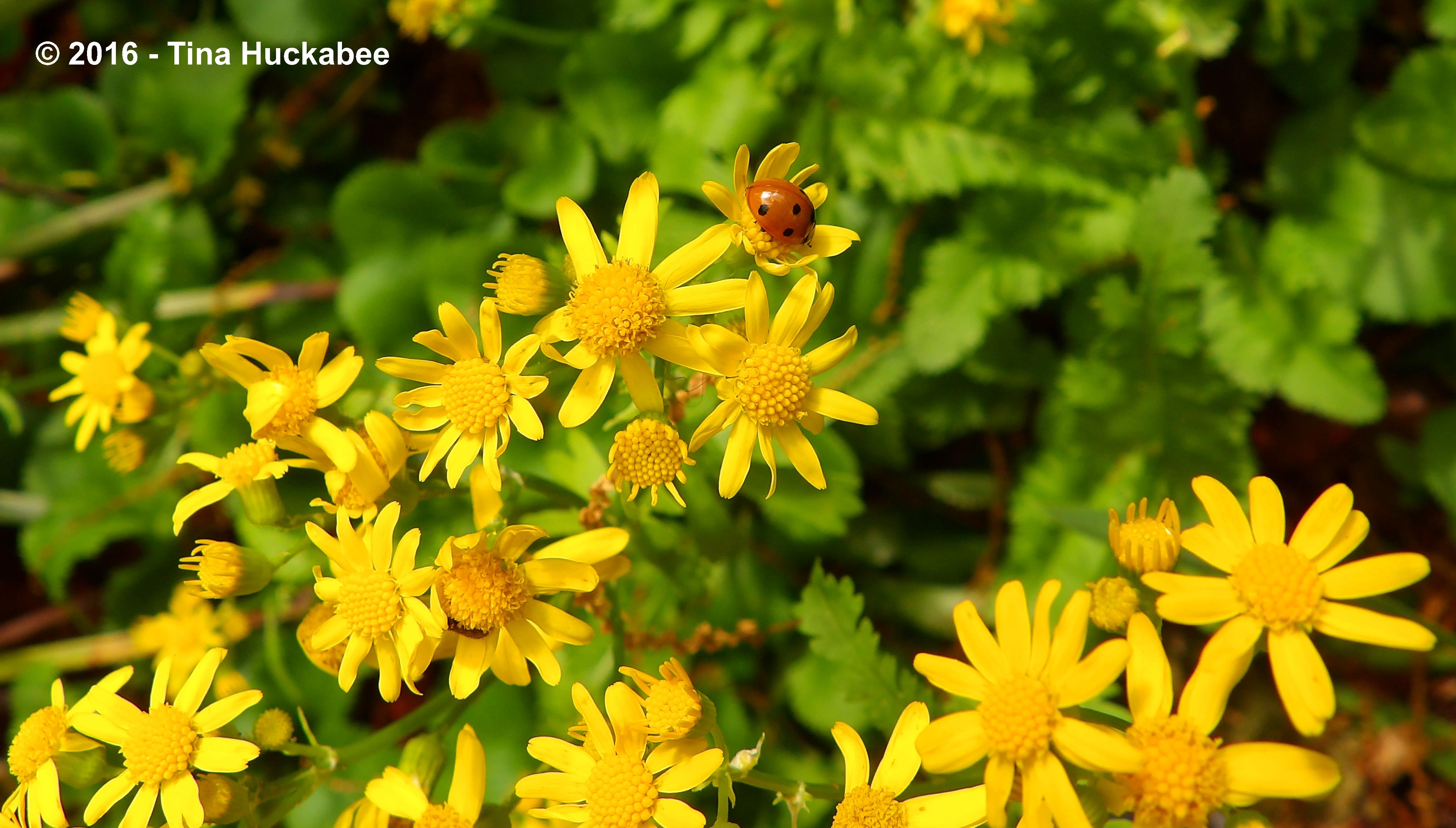
…and the gardener smiles.  Tiny critters of all sorts visit–to rest,
IMGP5031_cropped_4083x2323..new

…and pollinate.

IMGP5188_cropped_3166x3410..new

IMGP5174_cropped_3567x3414..new

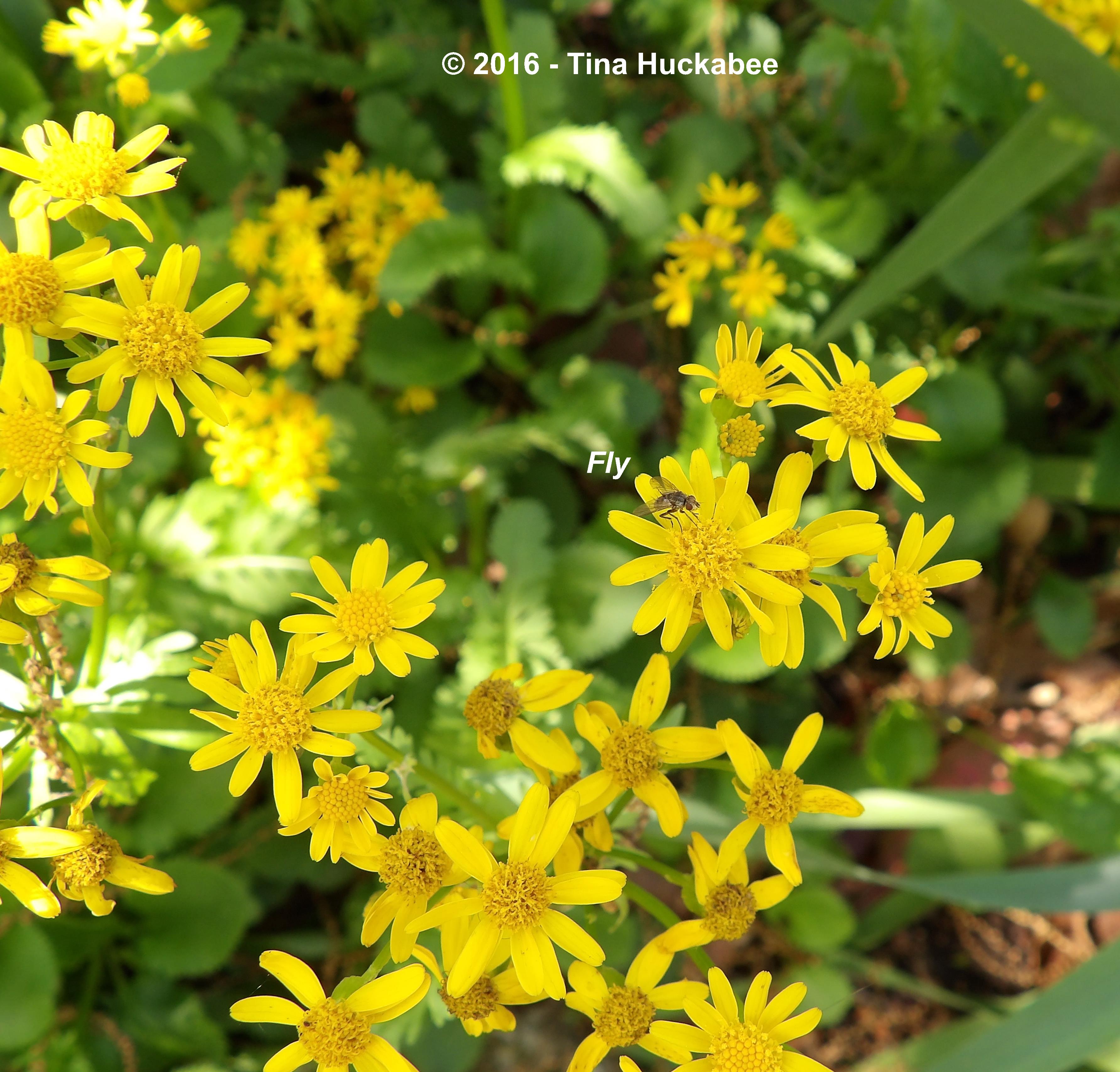
I’m not thrilled when a fly makes its way into my kitchen, but am happy to see it sipping the sweet stuff from the Golden Groundsel.

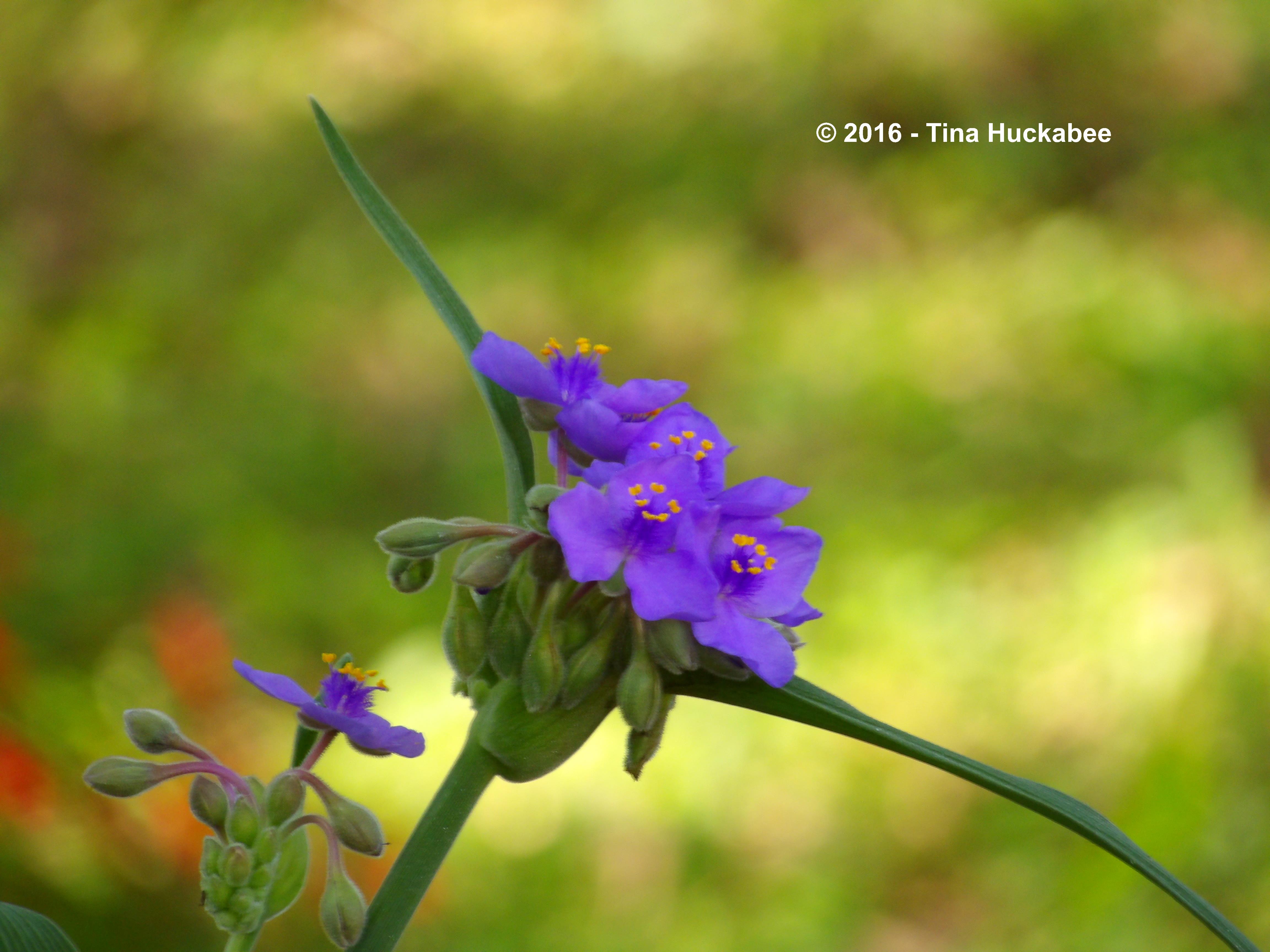
SpiderwortTradescantia, plants are strutting their flower-power and keeping the honeybees busy.

IMGP5007.new

This Giant Spiderwort  keeps company with garden furniture.
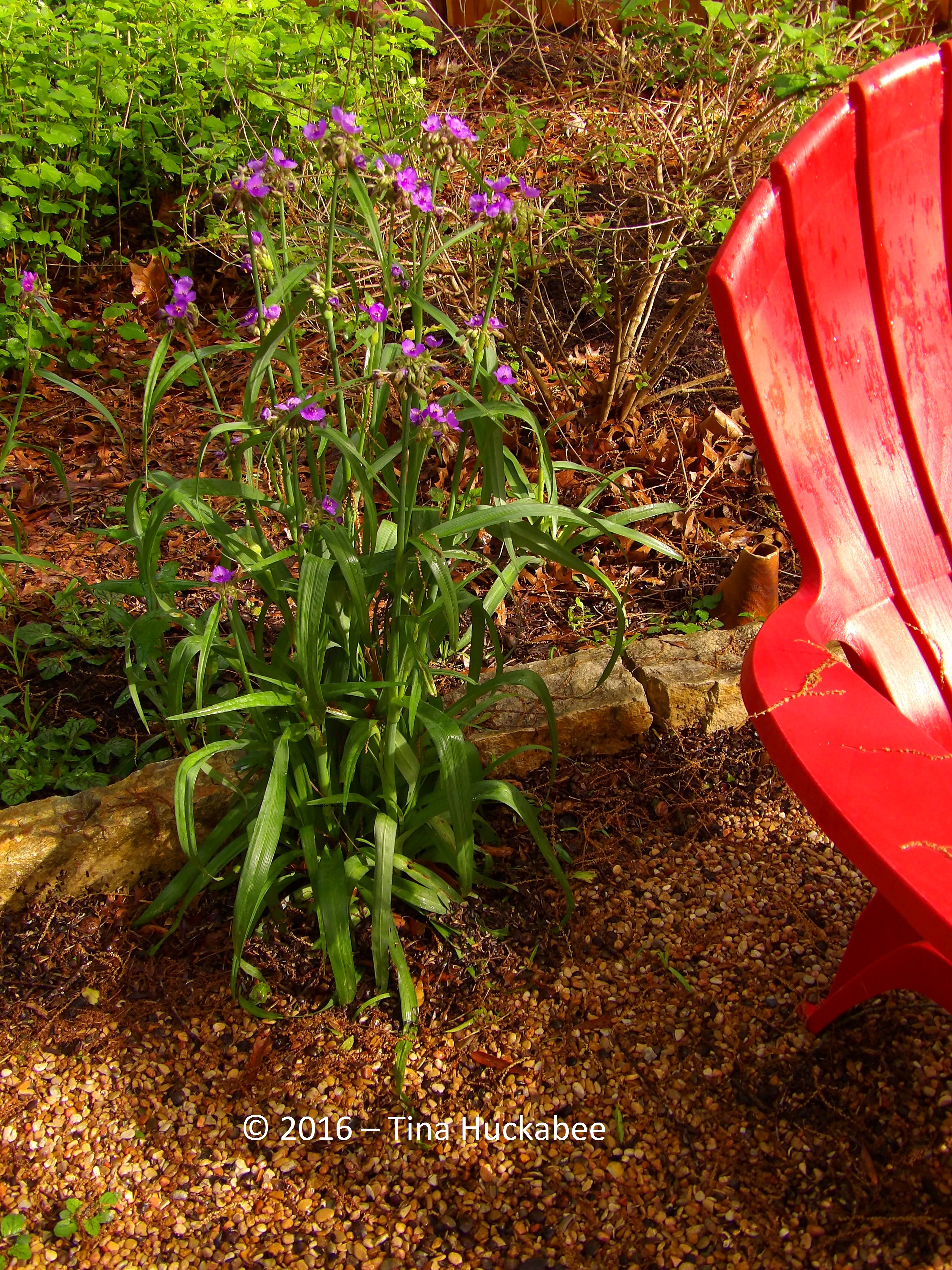
The many Spiderwort clumps my garden enjoy some variability in size and coloration and I suspect that there’s more than one species growing and cross-mingling through the seasons.

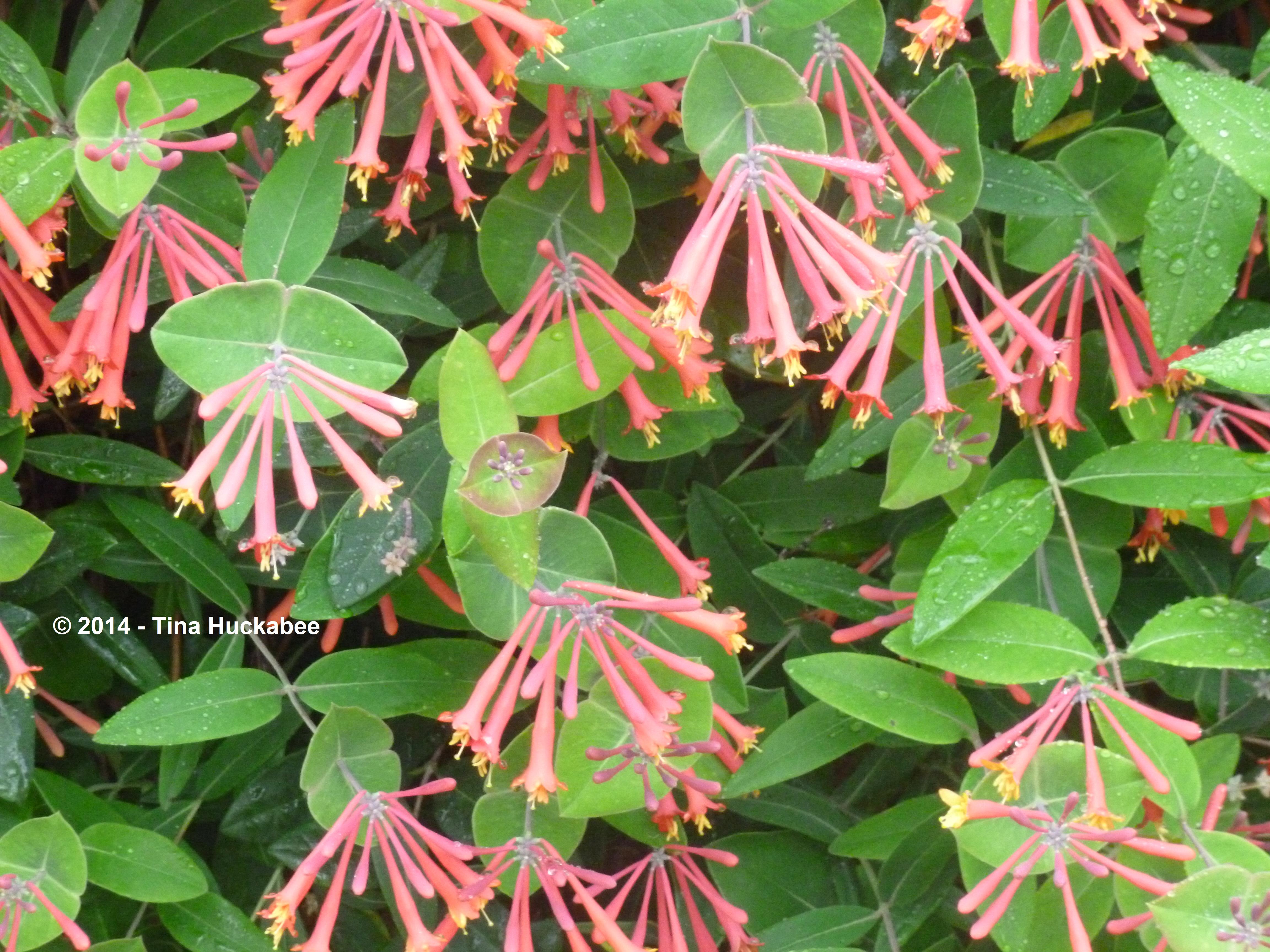
Coral Honeysuckle,  Lonicera sempervirens, a vine hosting dripping clusters of tubular beauty,
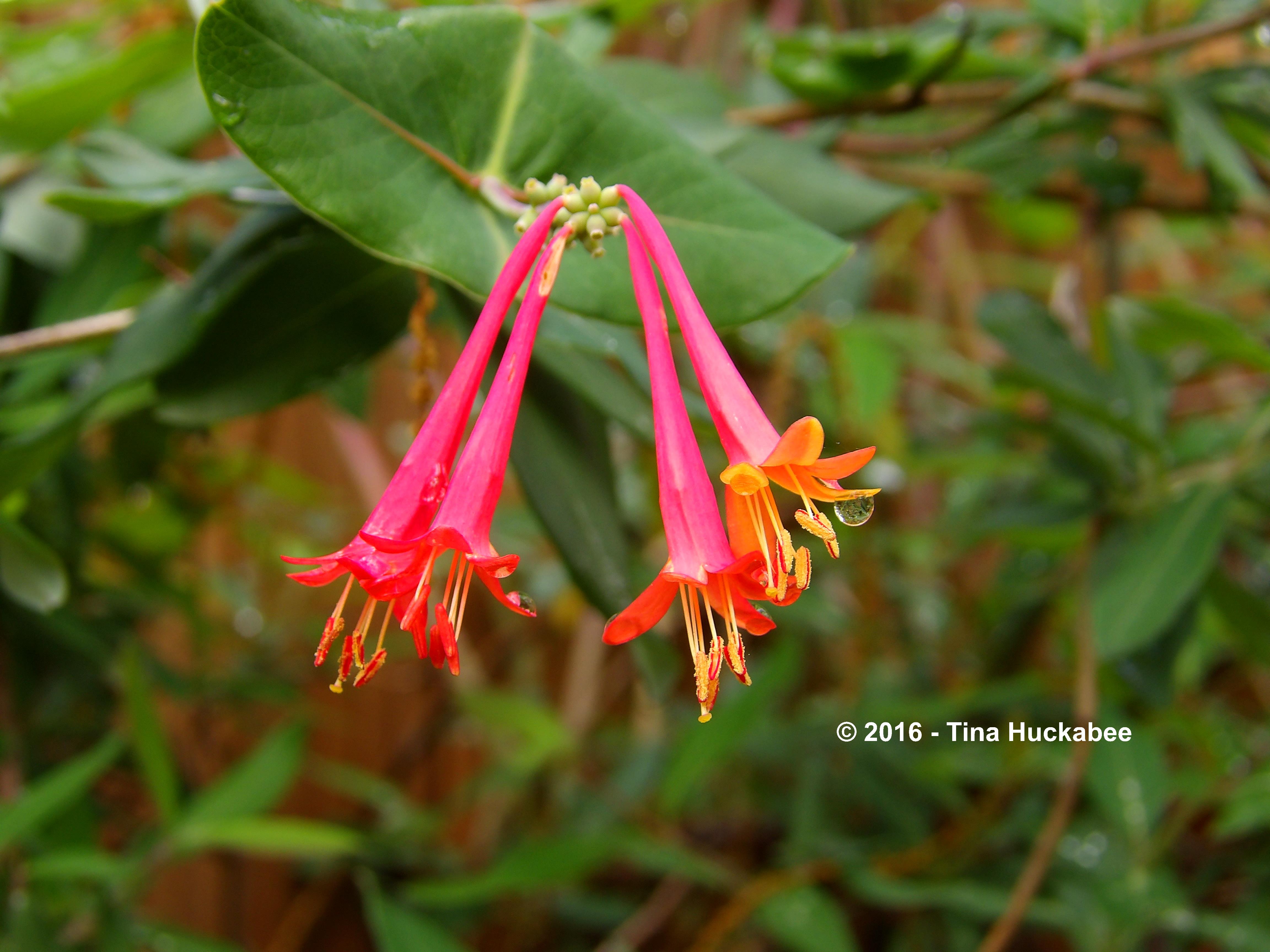
IMGP5017.new

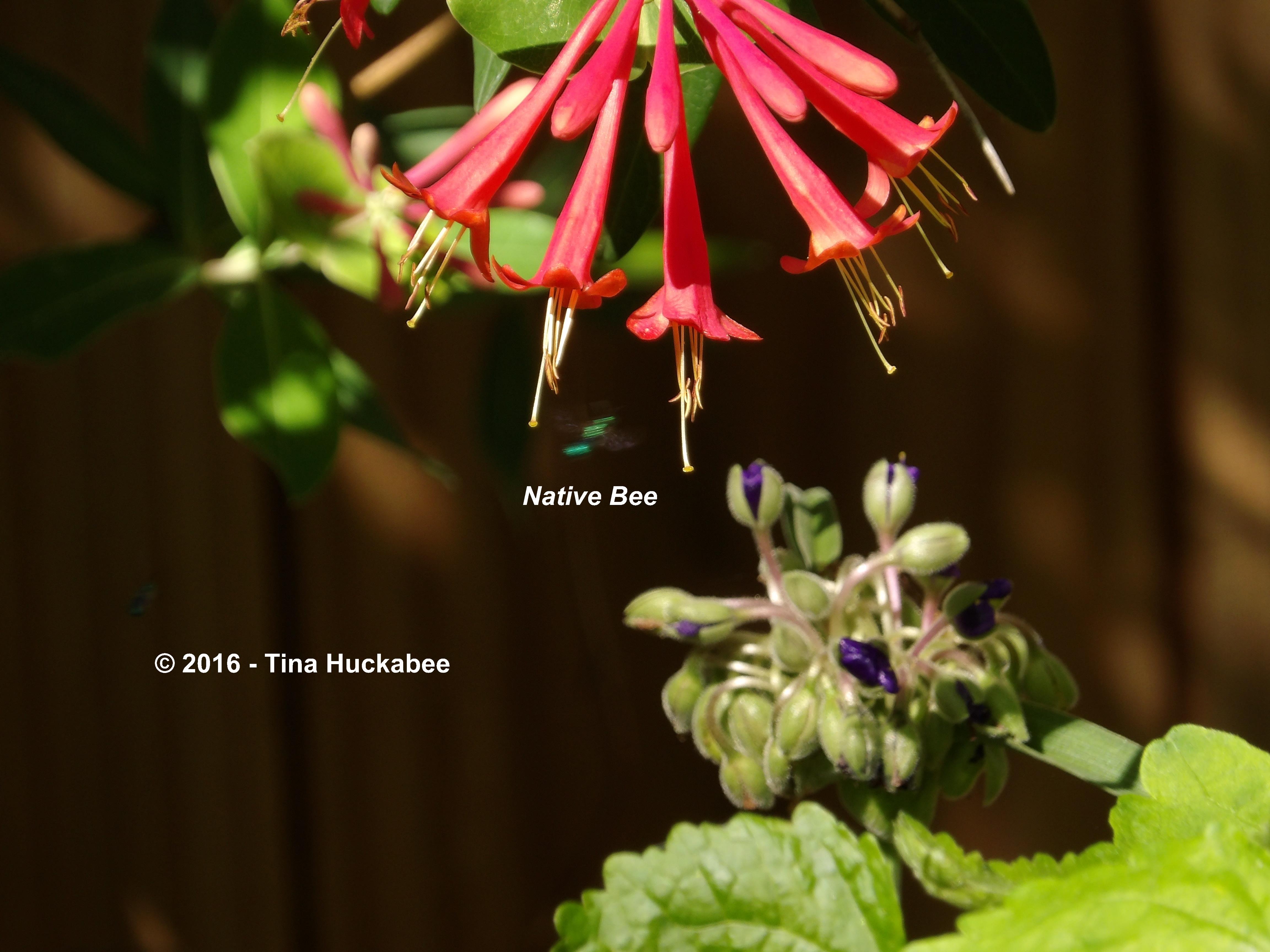
…are surrounded by tiny native metallic bees, which I can only manage a vague photograph of.
IMGP5225.new

Actually, that’s not really true, but you’ll have to wait until my own Wildlife Wednesday on April 6th to see some slightly better photos of one of the stunningly gorgeous and fast-flying metallic wild bees.

This Coral Honeysuckle bloom cluster and the not-quite-open Spiderwort look like they’re trying to reach one another for a smooch.

IMGP5237_cropped_3898x3277..new

Well, it is spring, you know–the season of love!

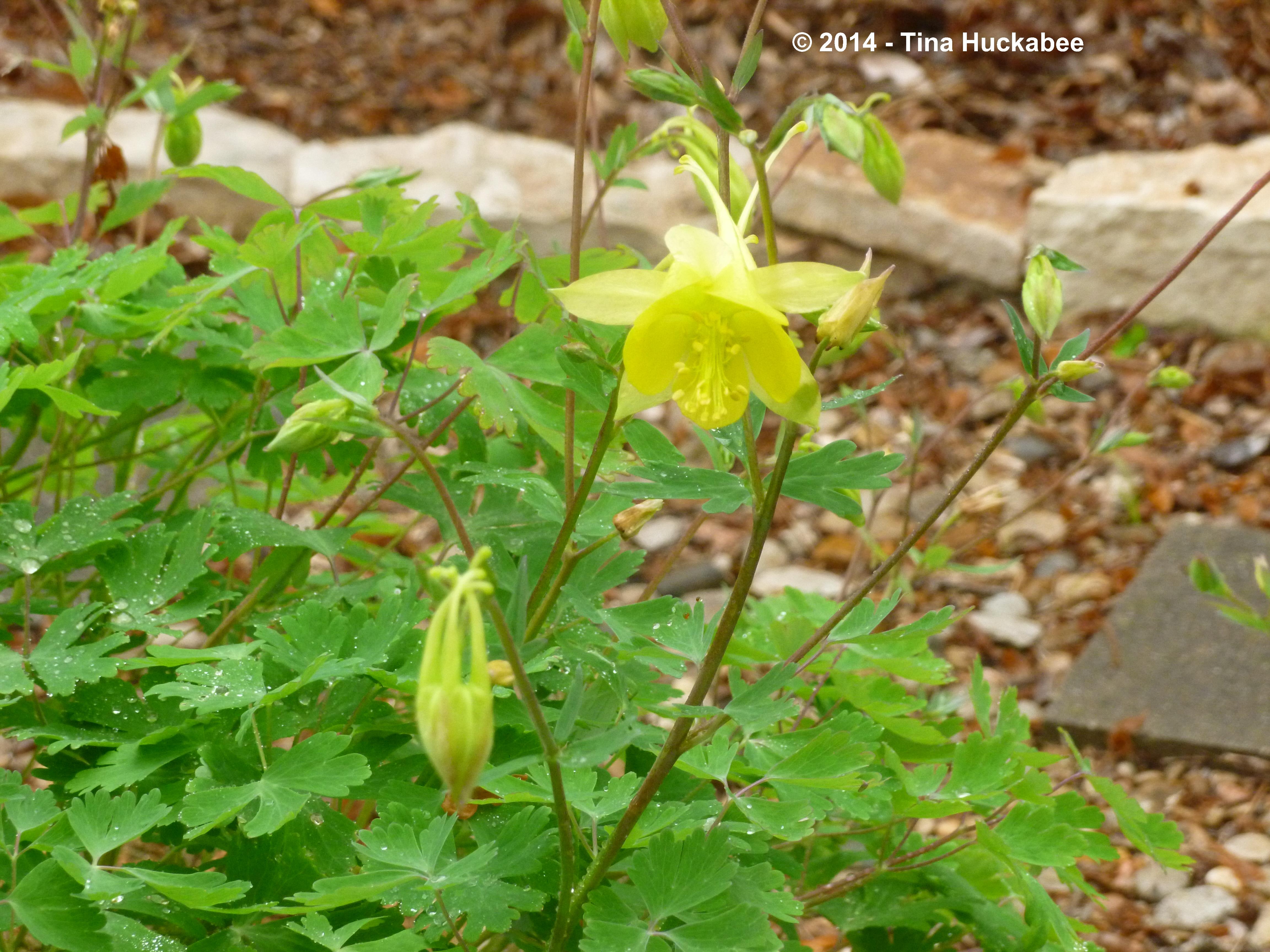
Yellow Columbine, Aquilegia chrysantha var. hinckleyana,
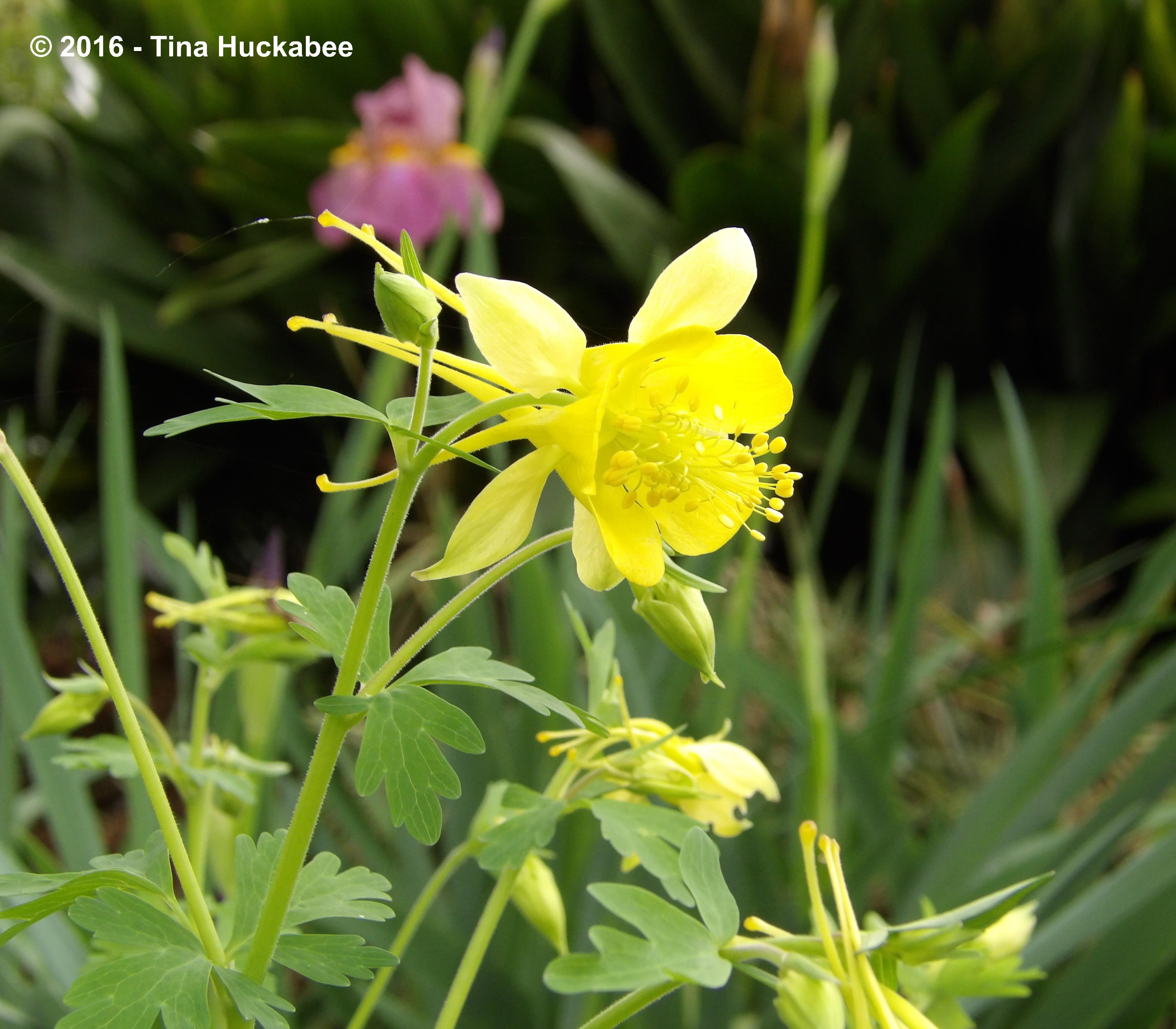
Yellow Columbine with blooming Iris.

Yellow Columbine with blooming Iris.

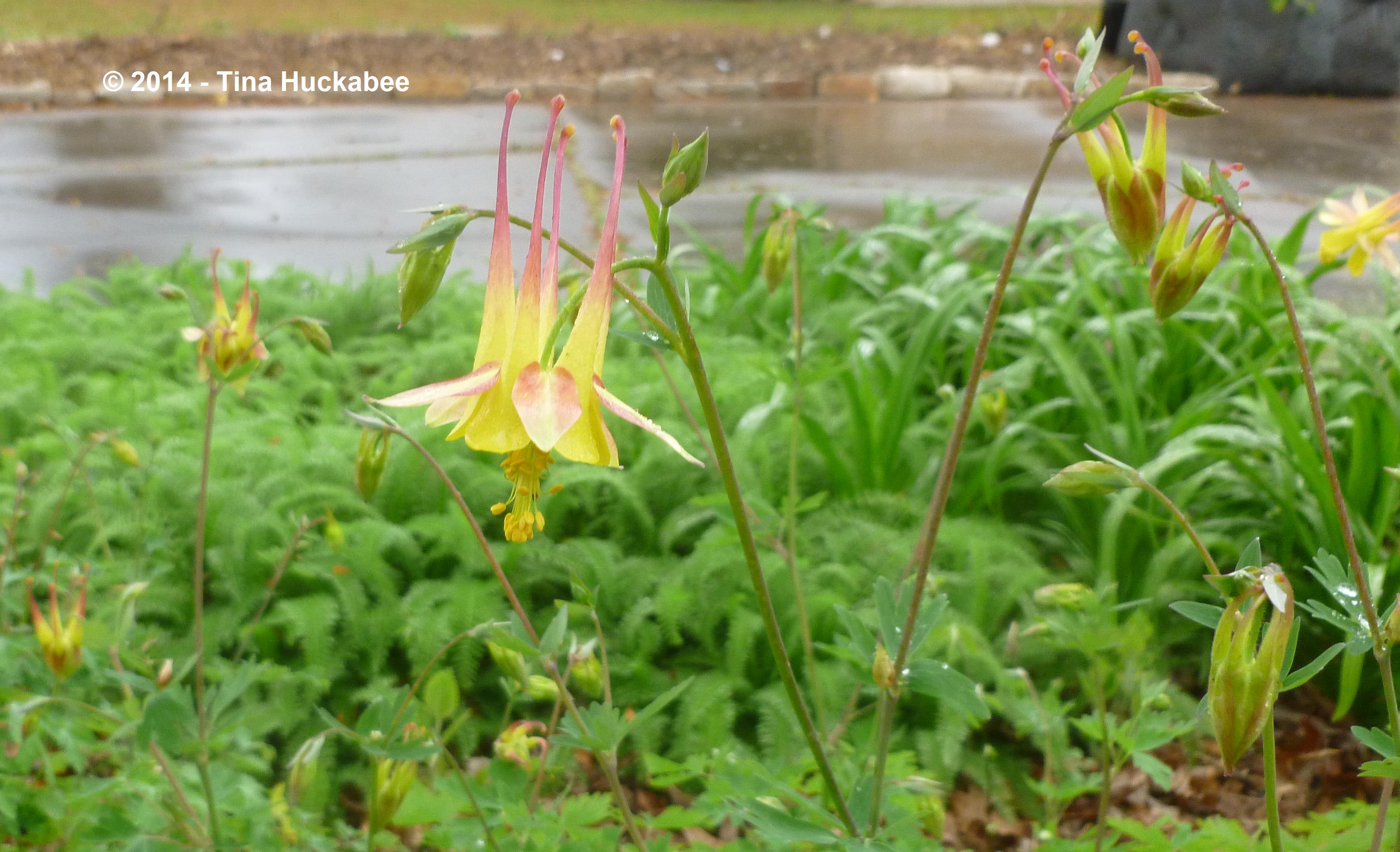
…and the hybrid between A. chrysantha and A. canadensis, pose beautifully and are available for nectaring, too–if you possess the right proboscis, that is.
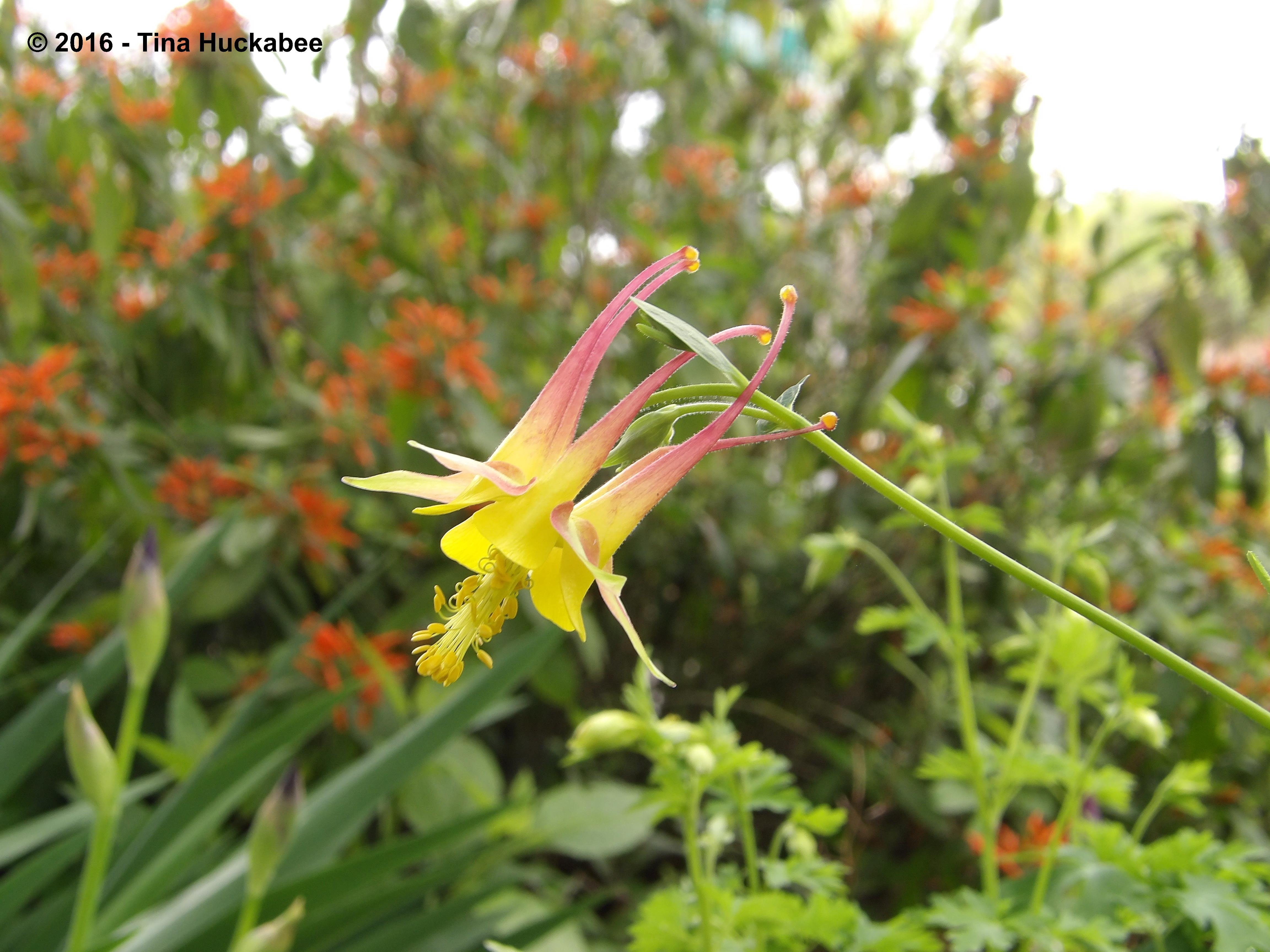
Hybrid Columbine with backdrop of orange blooming Mexican Honeysuckle and unopened Iris.

Hybrid Columbine with backdrop of orange blooming Mexican Honeysuckle and unopened Iris.

Hybrid Columbine with not yet in bloom day lilies and Yarrow.

Hybrid Columbine with not yet in bloom day lilies and Yarrow.

The A. canadensis is a smaller, mostly brick-red columbine.  But when cross-pollination occurs, the flower of the hybrid is typically larger, with more yellow and a blush of red.  Over the years, the columbines in my gardens have hybridized and I’m delighted with nature’s improvisations.

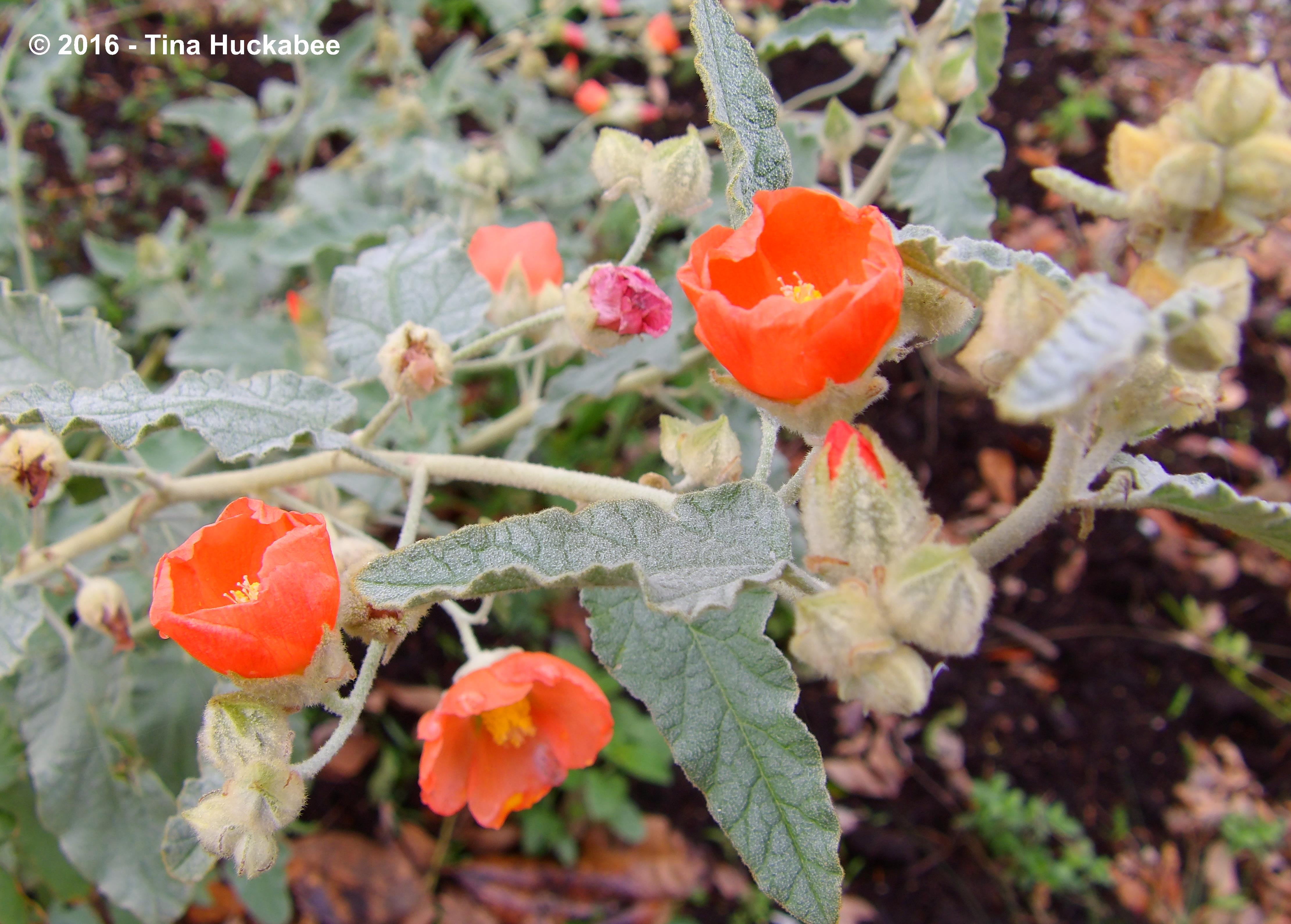
Globe Mallow, Sphaeralcea ambigua, is also open for business,  awaiting interviews from native bees.  So far, it’s been teeny, tiny bees, too fast for this photographer to capture with any competence.
IMGP5044_cropped_4443x3180..new

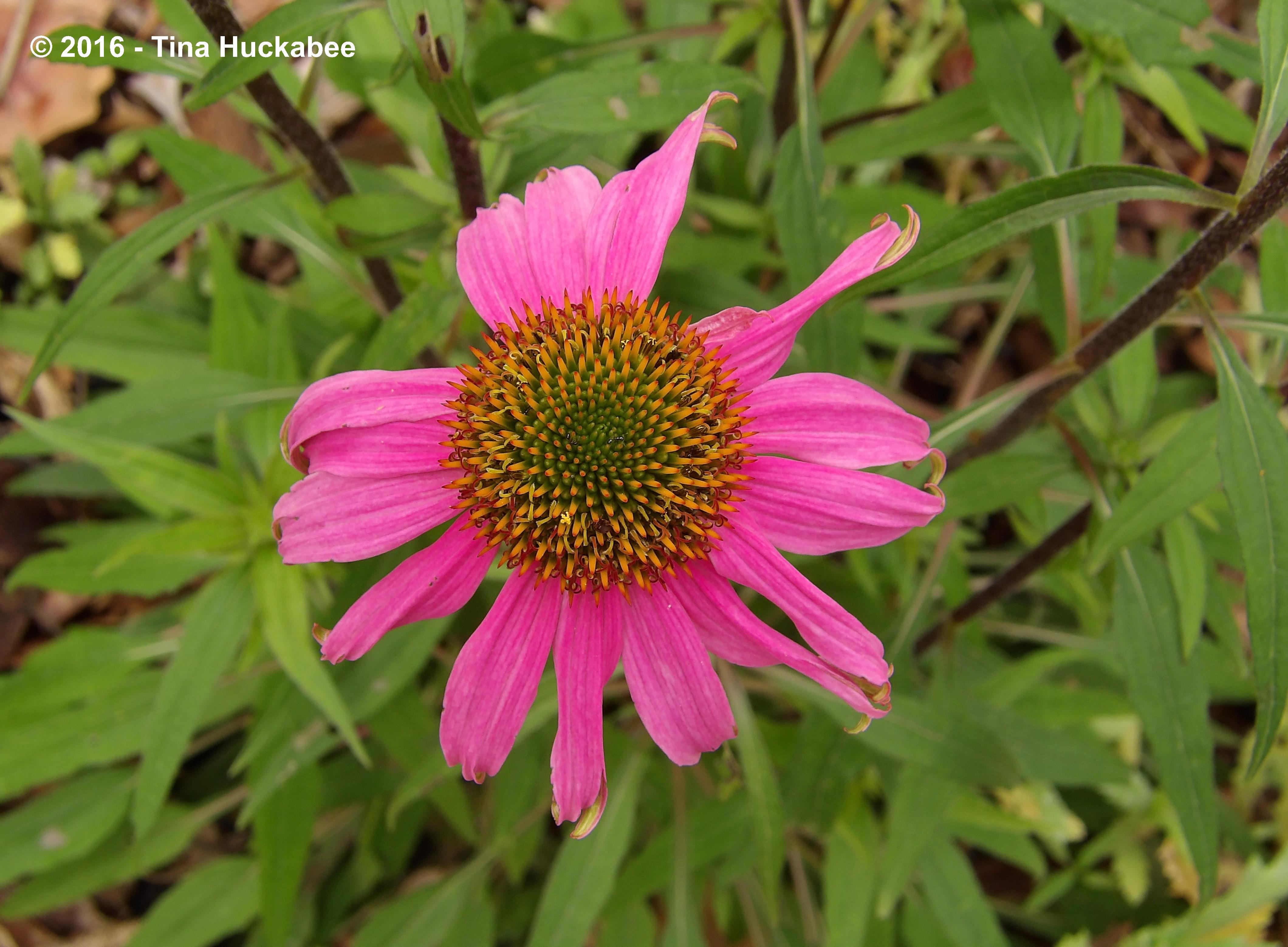
The first blooms of many-to-come Purple Coneflower, Echinacea purpurea, have unfurled their pinky-purple glory, welcoming spring and their lengthy growing season.
IMGP5050_cropped_4240x3116..new

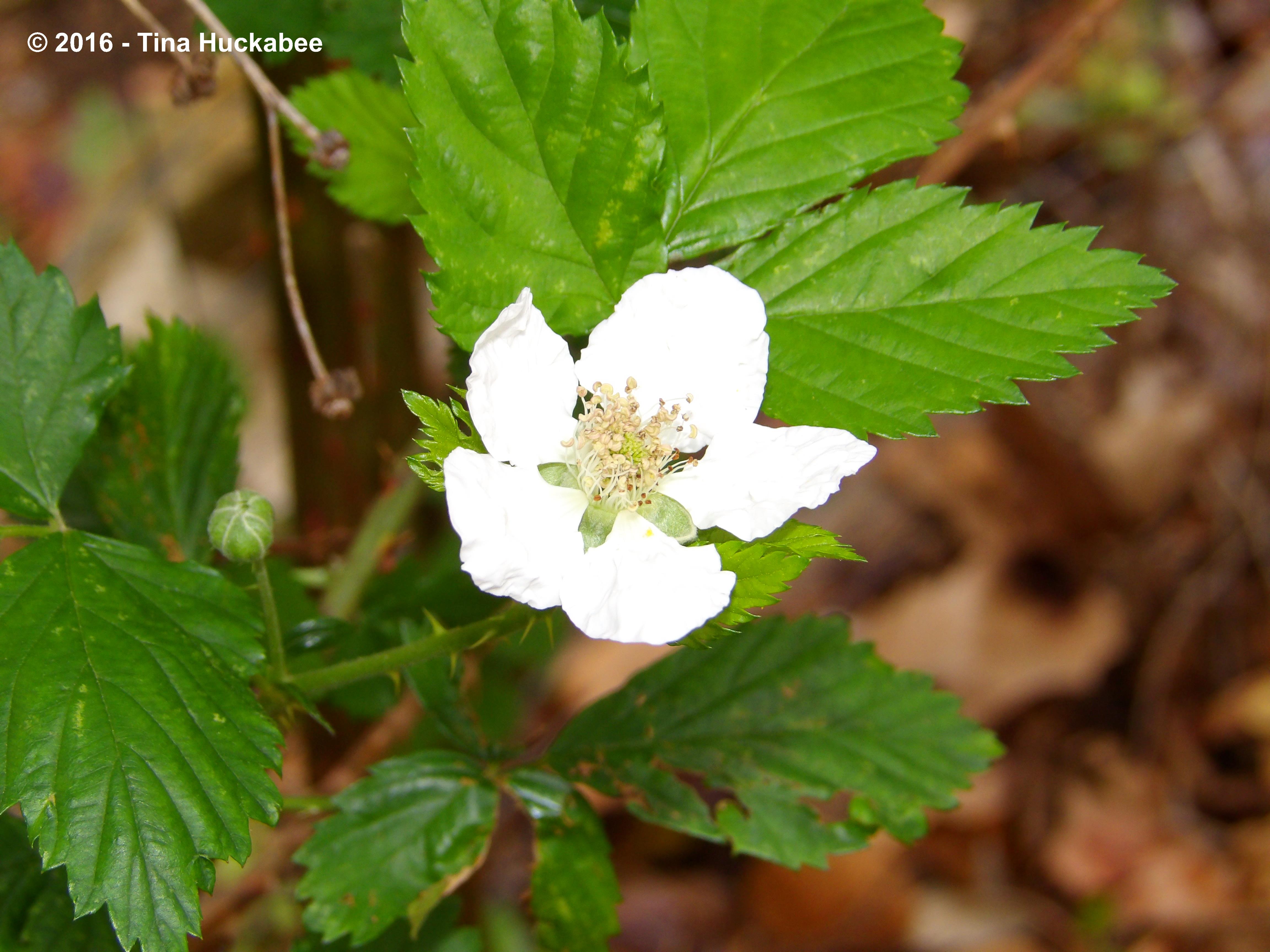
Another first is with this Brazos Blackberry bloom, which heralds more of the same.
IMGP5070.new

Once those flowers are spent, berries will not be far behind.  Yum!  I can taste the blackberries now–as well as the blackberry cobbler.  Bring’em, blooms!

Dancing at the ends of slender bloom stalks all winter and continuing their performance in the spring breezes, the cheery, bouncy Four-nerve Daisy (Hymenoxys), Tetraneuris scaposa,  flowers are nearly non-stop bloomers.

IMGP5043.new

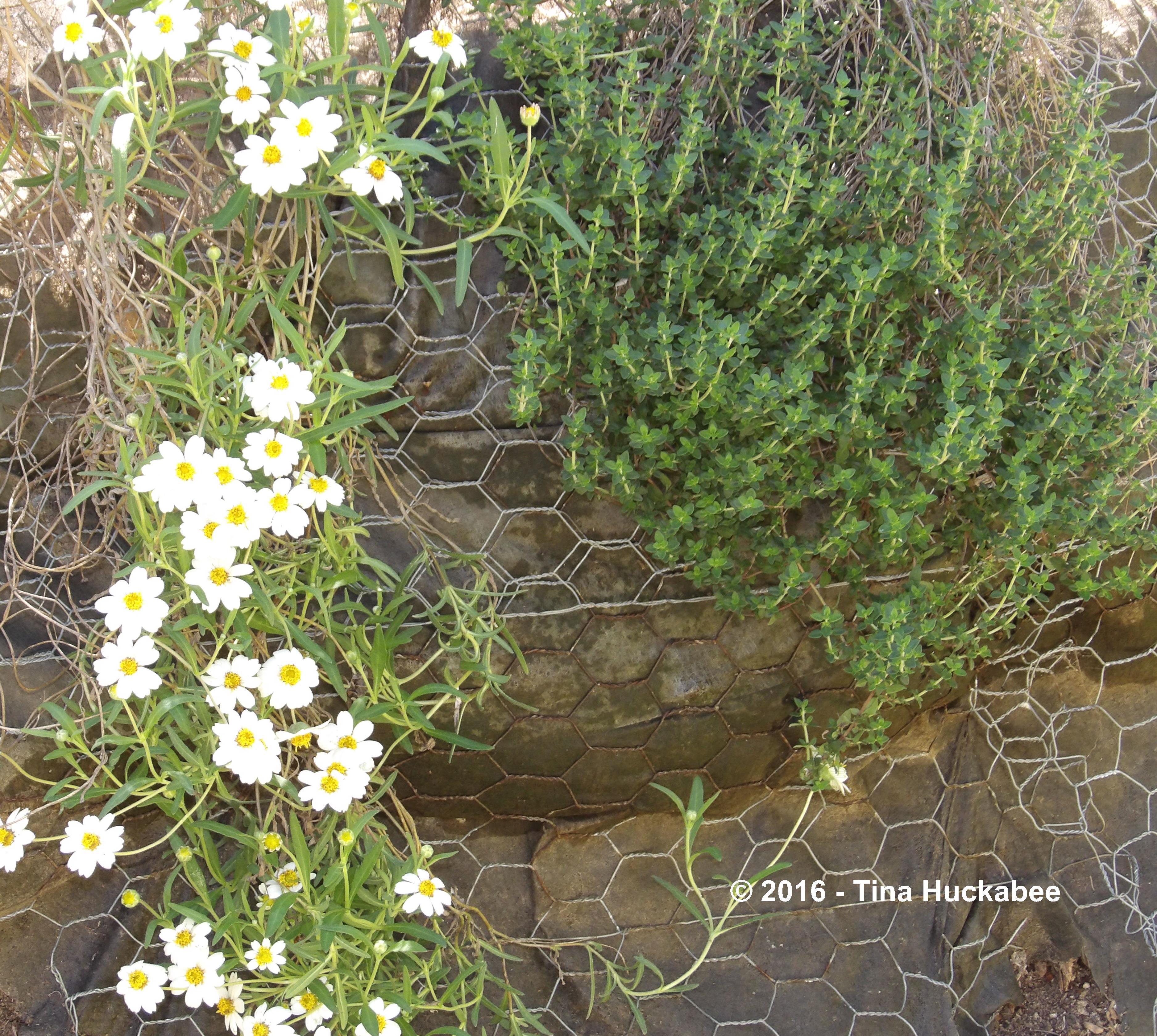
Tired of these tidy, singleton blooms?  How about this cascade of Blackfoot Daisy, Melampodium leucanthum.

IMGP5071.new

A tough Texas native that is best when growing out of poor soil or rock, this one is content and flowering in my Green Tower, which is where I grow veggies and most of my herbs.  The Blackfoot Daisy buddies-up to a thyme plant which also flourishes in the Tower.
IMGP5180_cropped_3750x3359..new

Due to the non-winter this year, Mexican Honeysuckle, Justicia spicigera, wasn’t freeze-knocked to the the ground and thus is blooming with orange abandon this early spring.

IMGP5098.new

Mexican Honeysuckle boasts constant pollinator activity, especially from a variety of bees.
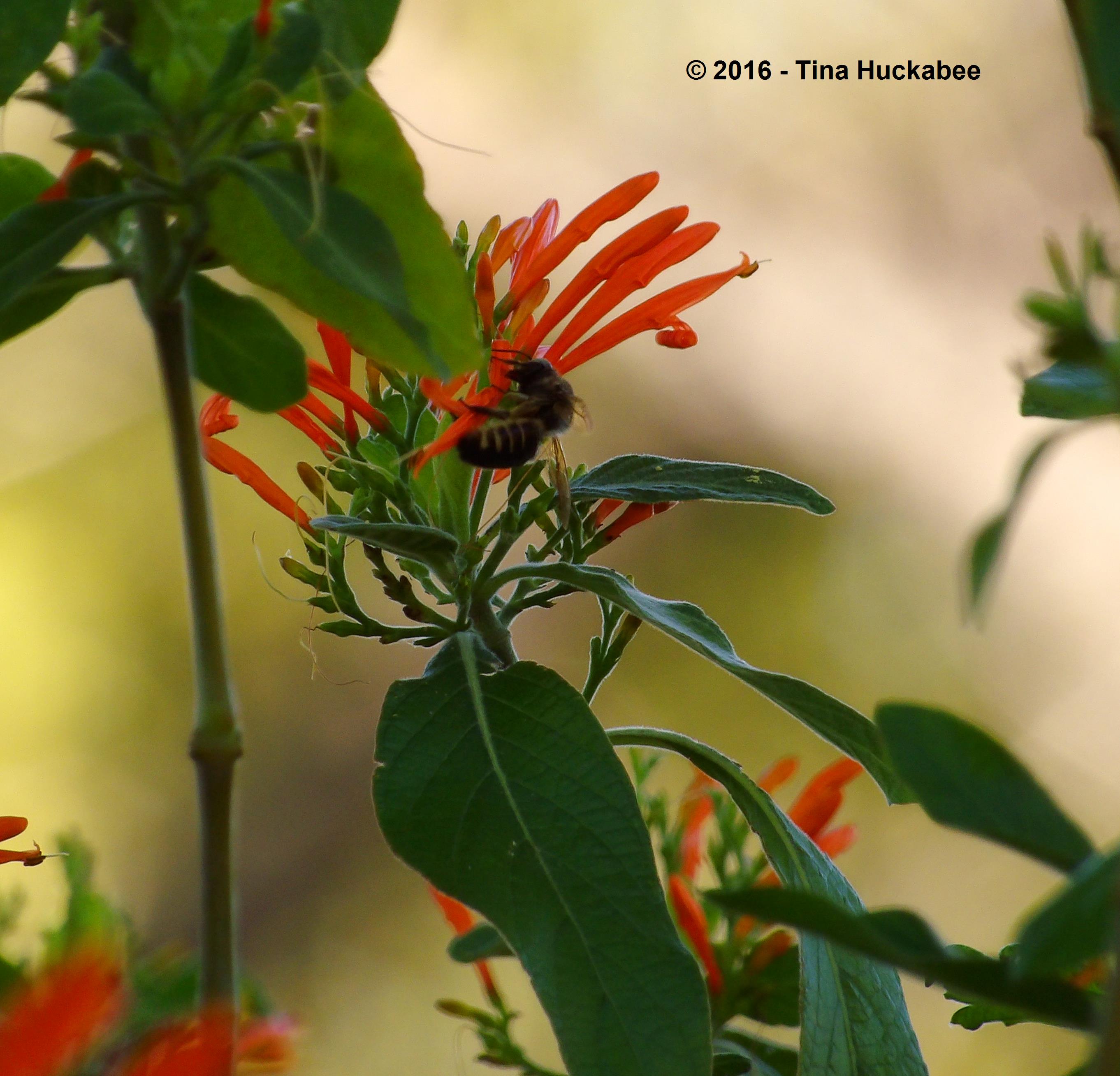
Horsefly-like Carpenter Bee (Xylocopa tabaniformis) works the Mexican Honeysuckle flowers.

Horsefly-like Carpenter Bee (Xylocopa tabaniformis) works the Mexican Honeysuckle flowers.

There’s more where that came from!

IMGP5271_cropped_4552x2747..new

There are too many blooms and not enough time to showcase them all–they’ll just have to participate in another parade!
IMGP5273.new

Thanking Carol at May Dreams Garden for hosting this monthly bloom frenzy known as Garden Bloggers’ Bloom Day.  Share your garden pretties, then click over to her lovely blog to see and learn about blooms from many places.

IMGP5274.new


Right on Time

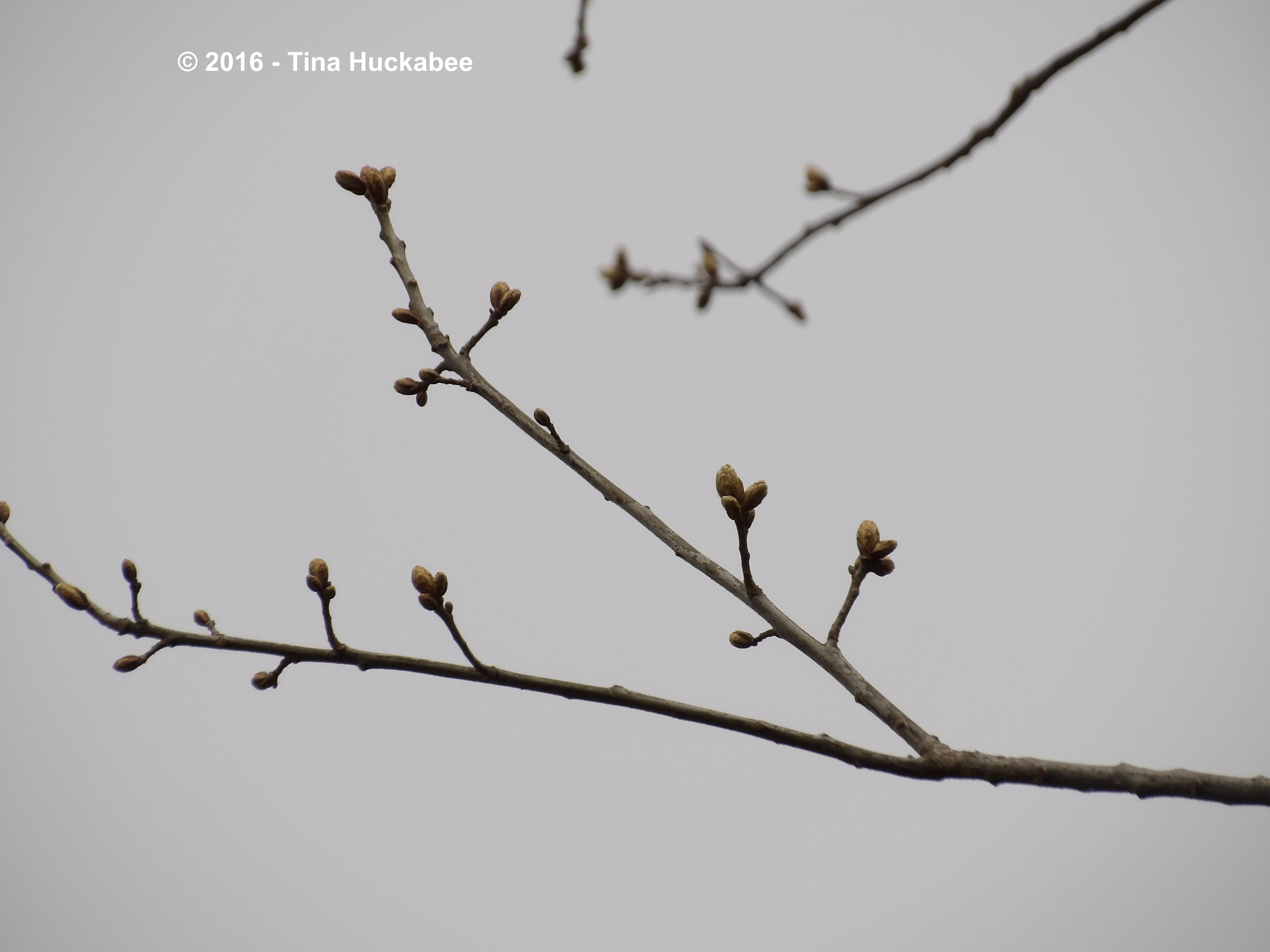
Winter is almost done and was not only late, but a rather ill-mannered no-show in my garden this year.  Here in Central Texas, the trees are flowering and leafing out with abandon, seemingly racing one another to full-fledged foliage.  Even so, the only plants that are weirdly early in my gardens are the Shumard Oaks–they don’t normally flush new growth until the very end of February or beginning of March.

IMGP4651.new

IMGP4652_cropped_4553x3091..new

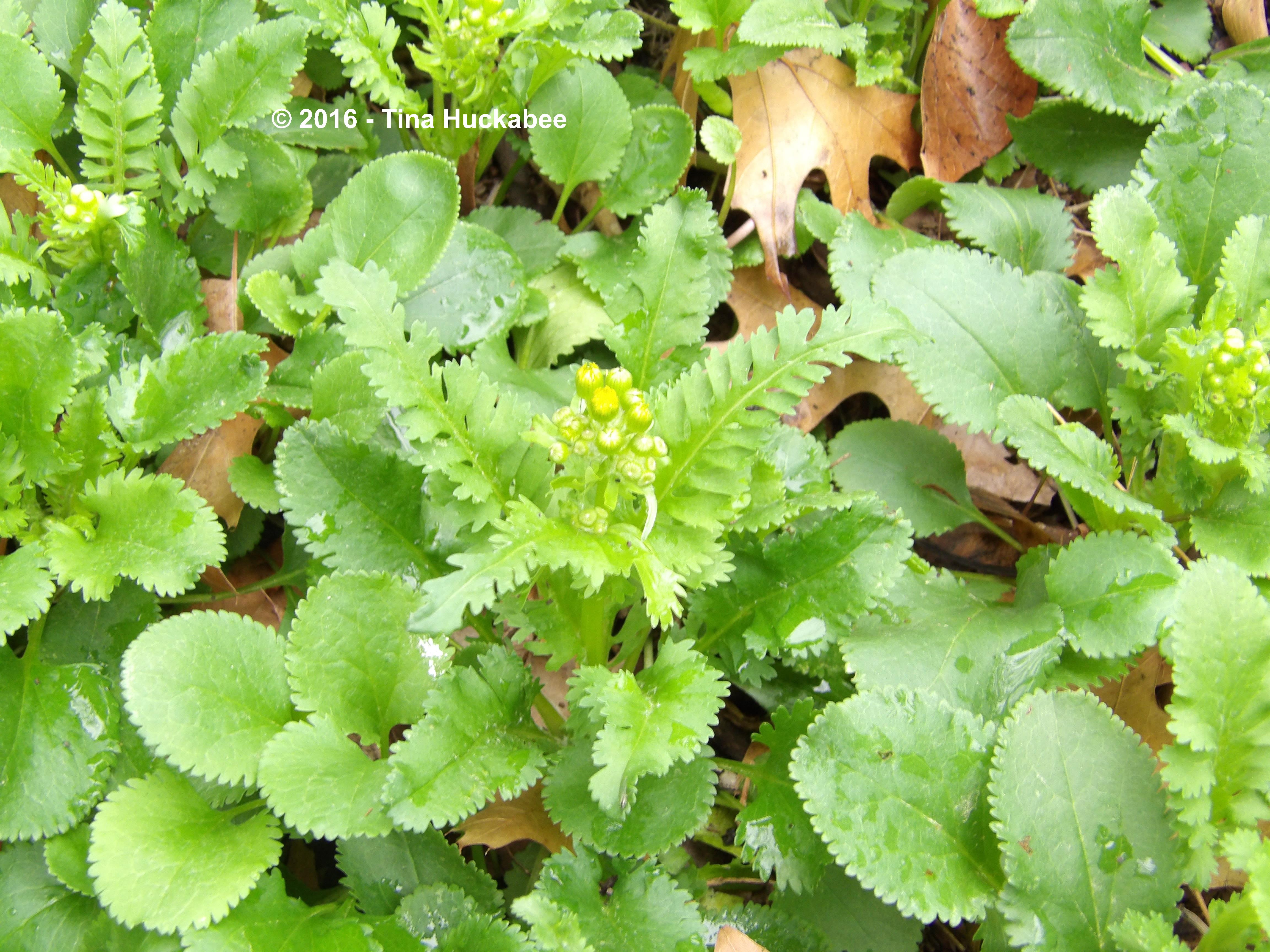
But like an excellent and welcomed dinner guest, the Golden Groundsel, Packera obovata, is right on time in preparation for its flower showOne of our earliest bloomers,  the bloom stalks have arisen and will brighten this shady area in the next few weeks.

IMGP4646.new

While the brilliant flowers are stunning,

20120302_8_cropped_4447x3189..new

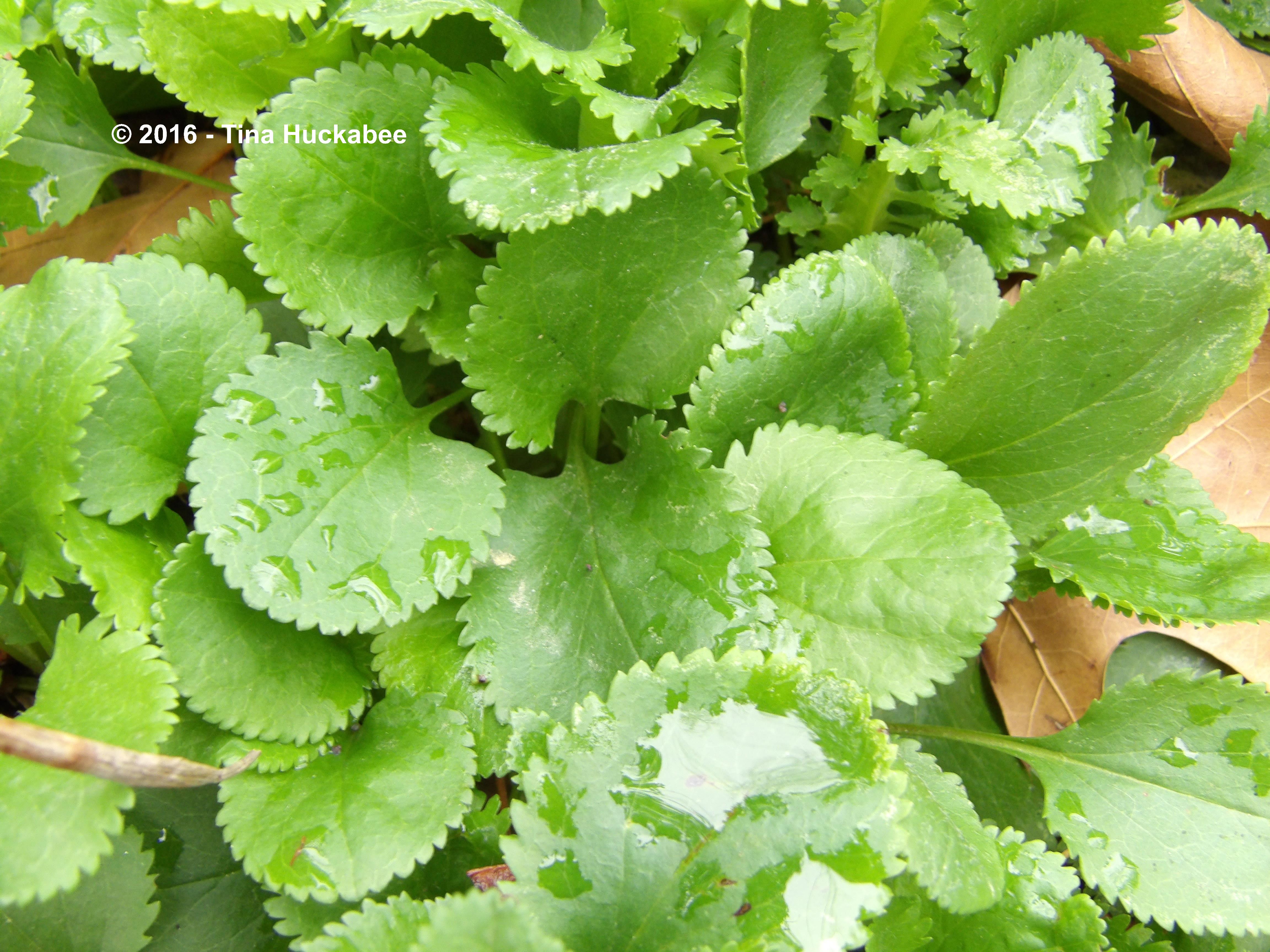
…the foliage of this tidy, woodland wildflower is what I find most appealing about this North American beauty.  Evergreen and ever-lush, the plant forms a colony of finely serrated, ovate leaves and those make up the  “staple” foliage of the plant, year round.

A sprinkling of rain in the last 24 hours is the only rain for the past month.

A sprinkling of rain in the last 24 hours is the only rain for the past month.

IMGP4638.new

As the plant prepares for flowering, the foliage connected to the bloom pedicels develops a more fern-like, deeply serrated character.

IMGP4645.new

IMGP4642.new

The two-fer foliage quality of this wildflower is captivating.

IMGP4647.new

My colony of Golden Groundsel hasn’t spread much in the  5 or 6 years that I’ve grown this plant and I’ve had no good luck in transplanting newer clumps-with-roots to other places.  But it’s a happy and hardy filler in this spot,

IMGP4643.new

IMGP4641.new

…and a handsome ground-cover throughout the year.

IMGP4633.new

Perhaps the blooms will be up and running in time for Garden Bloggers’ Bloom Day in March!

In celebration of February foliage, thanks to Christina’s lovely Creating my own garden of the Hesperides.   Check out her Garden Bloggers’ Foliage Day meme for a look at foliage from many gardens.

Wildflower Wednesday, March 2014

I don’t quite know how I’ve missed this wildflower party before now, given my appreciation for wildflowers and native plants in general, but while reading Shirley’s most recent post at Rock-Oak- Deer, I realized her excellent profile of wildflowers was part of a bigger picture.  Duh.

Thanks to Gail at clay and limestone for hosting the monthly celebration of wildflowers of all sorts.  Though it’s my first post and a day late for this month, I’m in.

My Golden Groundsel (Packera obovata), is blooming and so cheery on this gloomy, wet day.  It’s an early blooming, tough little shade-loving perennial which  brightens up a woodland setting.

P1030054.new

For more information about Golden Groundsel, check out the Lady Bird Johnson Wildflower Center’s Native Plant Database page.

I have Spiderwort (Tradescantia occidentalis) popping up all over my gardens.

P1030056_cropped_2479x1898..new

P1030058.new.new

The original couple of transplants were pass along plants gifted to me, so I’m not entirely positive that what I have is the S. occidentalis, though I think it is.  Check out the pages on Spiderworts or Tradescantia in the Native Plant Database and see for yourself how many are native  and available throughout North America.

The Columbines are finally starting their spring show–later this year than in the last few years.  I  have both the Yellow Columbine (Aquilegia chrysantha var. hinkleyana),

P1030061.new

and the native Wild Red Columbine (Aquilegia canadensis),

P1030065_cropped_2990x1867..new

plus hybrids of the two.

P1030063_cropped_3475x2115..new

Finally, the Coral Honeysuckle (Lonicera sempervirens) is in total bloom mode.

P1030066.new

P1030067.new

So far, we don’t have many butterflies or hummingbirds, but no doubt they’ll find this plant soon and feast, feast, feast.  This is a must-have vine for any gardener wishing to provide a food source for a variety of critters, insects and birds alike.

Thanks again  to Gail at clay and limestone for this chance to focus on and appreciate the  plants we have, native to where we live.