Greens, Blues, Greys

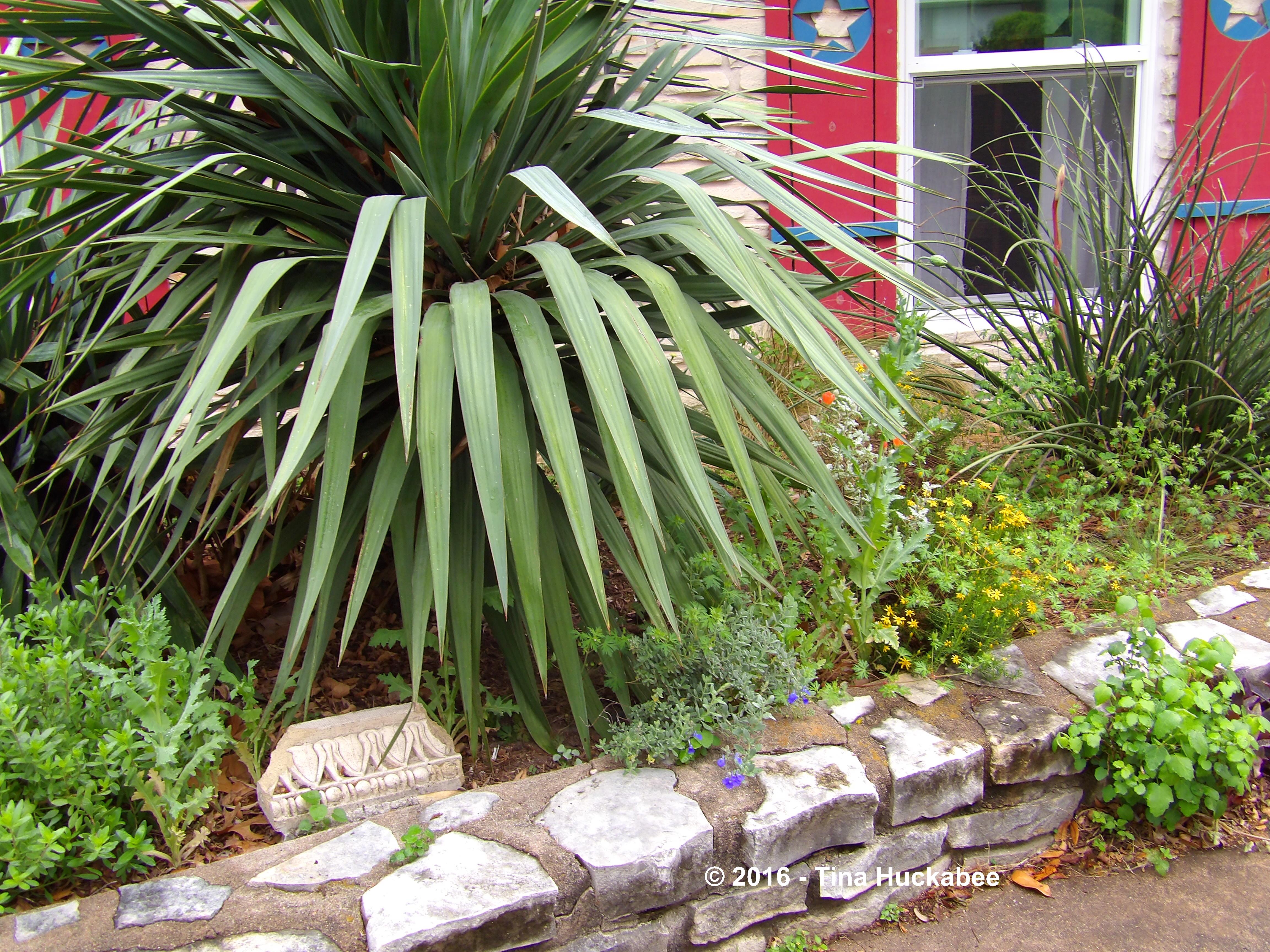
I’m enjoying lovely leafiness which has come into its own in a bed adjacent to the  front entrance of my home.   Let’s take a wide view to get the bearings of this raised bed.

IMGP6164.new

IMGP6165_cropped_4553x2775..new.new

I planted the Soft Leaf Yucca, Yucca recurvifolia and the Red YuccaHesperaloe parviflora as anchor plants in this bed because they are both evergreen and grow to respectable sizes.  Most of the other plants are smaller shrubs or groundcover-type perennials: some are evergreen, some are herbaceous perennials, and a couple are annuals.  There are also some other native perennials, a smaller yucca, and a native perennial grass, all located out of view of these photos.

Reminding me of tiny hands that are spread wide, I’m pleased with the deeply lobed foliage of this little annual/bi-annual thing, a native Wild Geranium, Geranium carolinianum.  It was a gift from birds, or maybe, the wind, but grows well with other pretty-leafed plants.

Tiny, dark green and fragrant leaves of Damianita, combine with soft, frilly poppy leaves, complement the ornate leaves of Wild Geranium.

Tiny, dark green and fragrant leaves of Damianita, combine with soft, frilly poppy leaves, complement the ornate leaves of Wild Geranium.

I noticed one Wild Geranium in the garden a few years ago, left it to seed, and each late winter, more return.  I like its sprawling nature, lacy foliage, and sweet, tiny blooms.  I’ll pull up all of the individuals soon because a few seeds left assure plants for next spring, but many seeds left guarantee too many future Wild Geraniums–much more weeding work–and who wants that?

The Wild Geranium foliage clamors for well-deserved attention underneath the Red Yucca,

IMGP5135.new

…while a seedling Mexican Feathergrass, Nassella tenuissima echoes the spray of the Red Yucca.

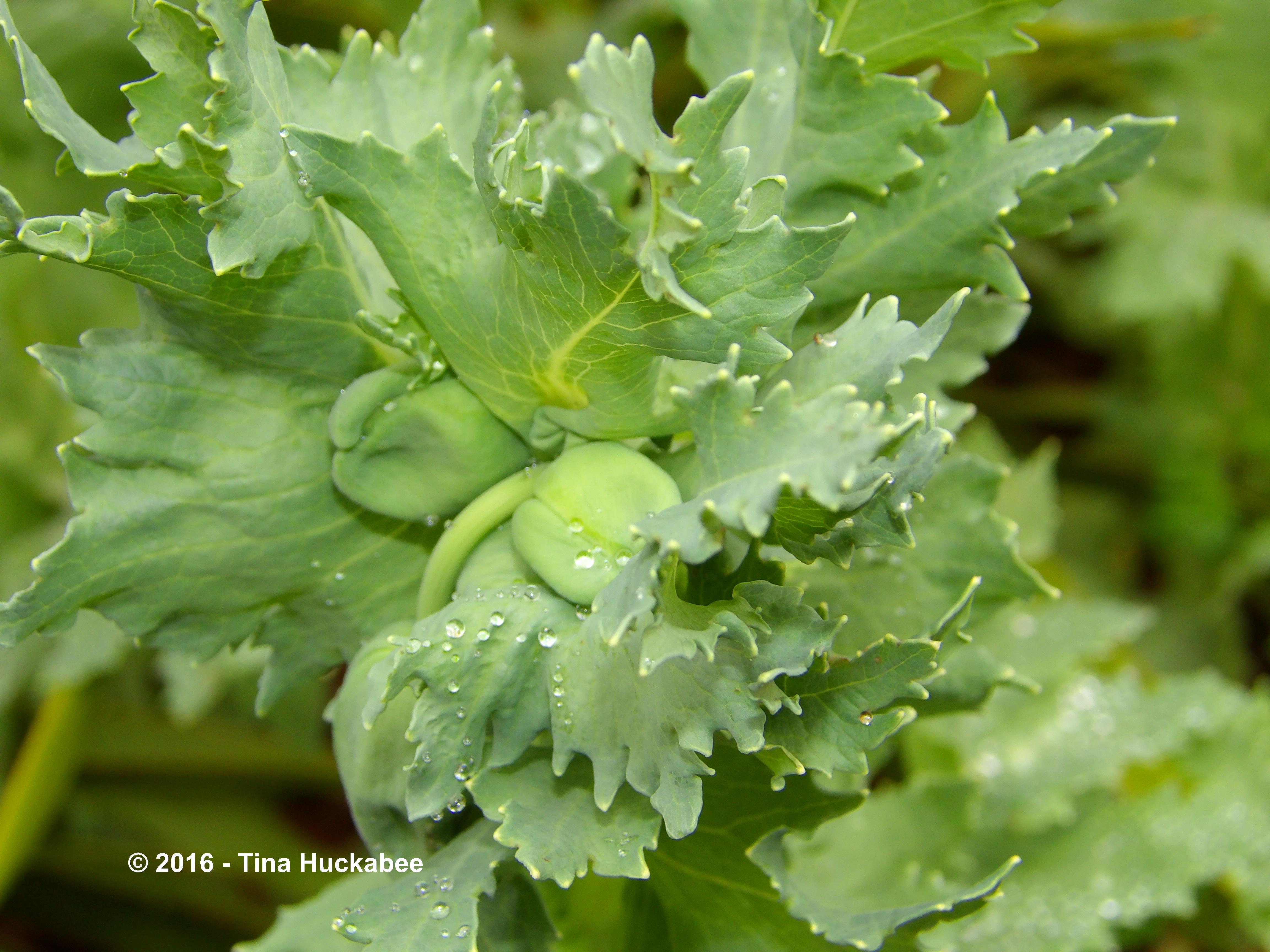
This extravagant set of leaves belongs to another spring annual, a member of the Papaver family, seeds of which were generously gifted to me last year by TexasDeb of the charming  Austin Agrodolce.
IMGP6160.new

Poppies popped in my spring garden for many years, seeds of which were given to me by a German friend long ago, but over time they’d declined and last year I had few poppies to ooh and aah over.  The new poppy seeds from Deb were a timely and quite welcomed gift.  With or without raindrops, I love the scalloped edges of poppy foliage, either alone,

IMGP6159.new

…or in concert with other interesting foliage.  This one poppy certainly holds its own alongside the petite grey leaves of  Germander Sage, Salvia chamaedryoides, the Wild Geranium, and blooming DamianitaChrysactinia mexicana–as well as the points of the Soft Leaf Yucca, bearing down on the rest.

IMGP6153.new.new

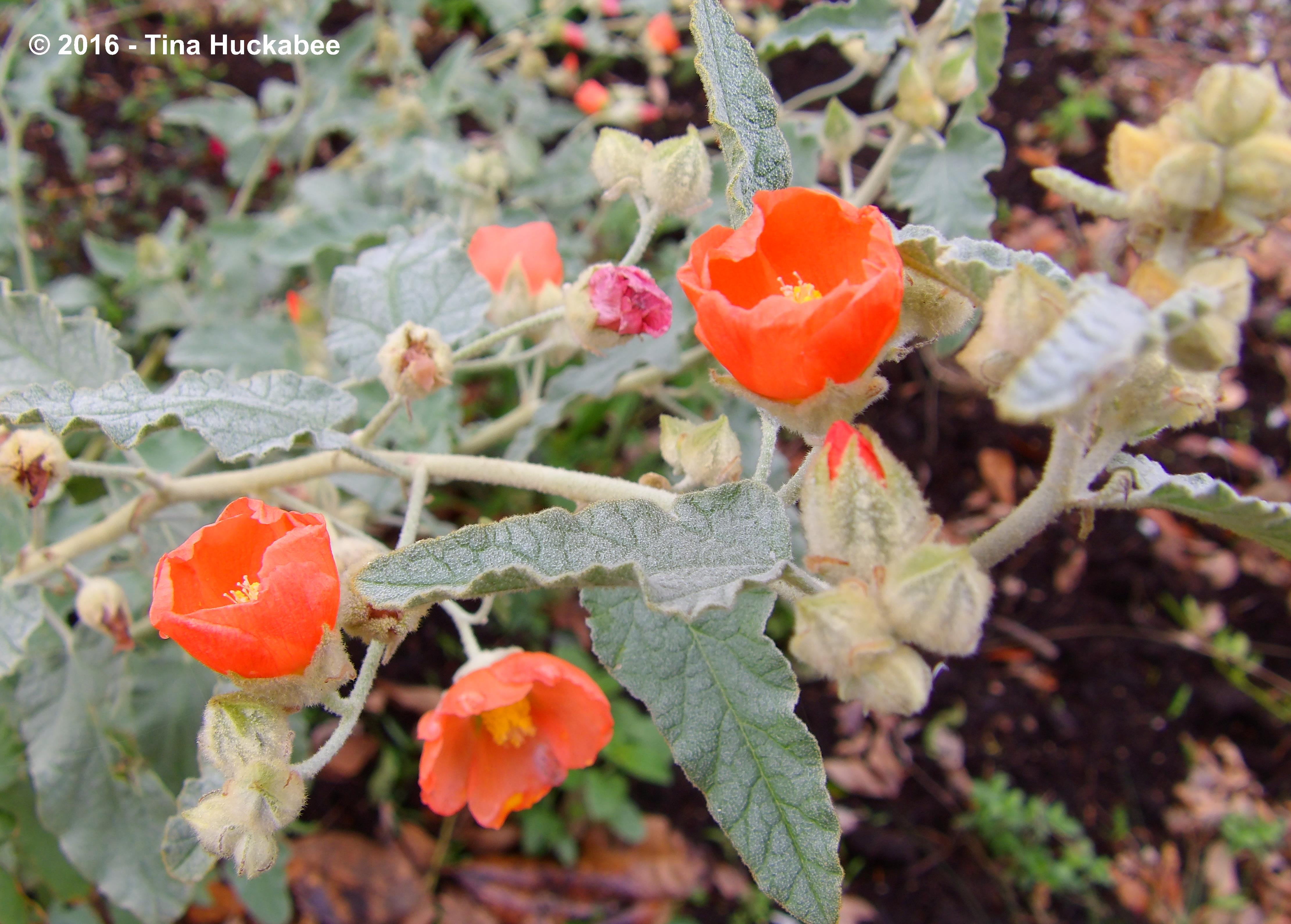
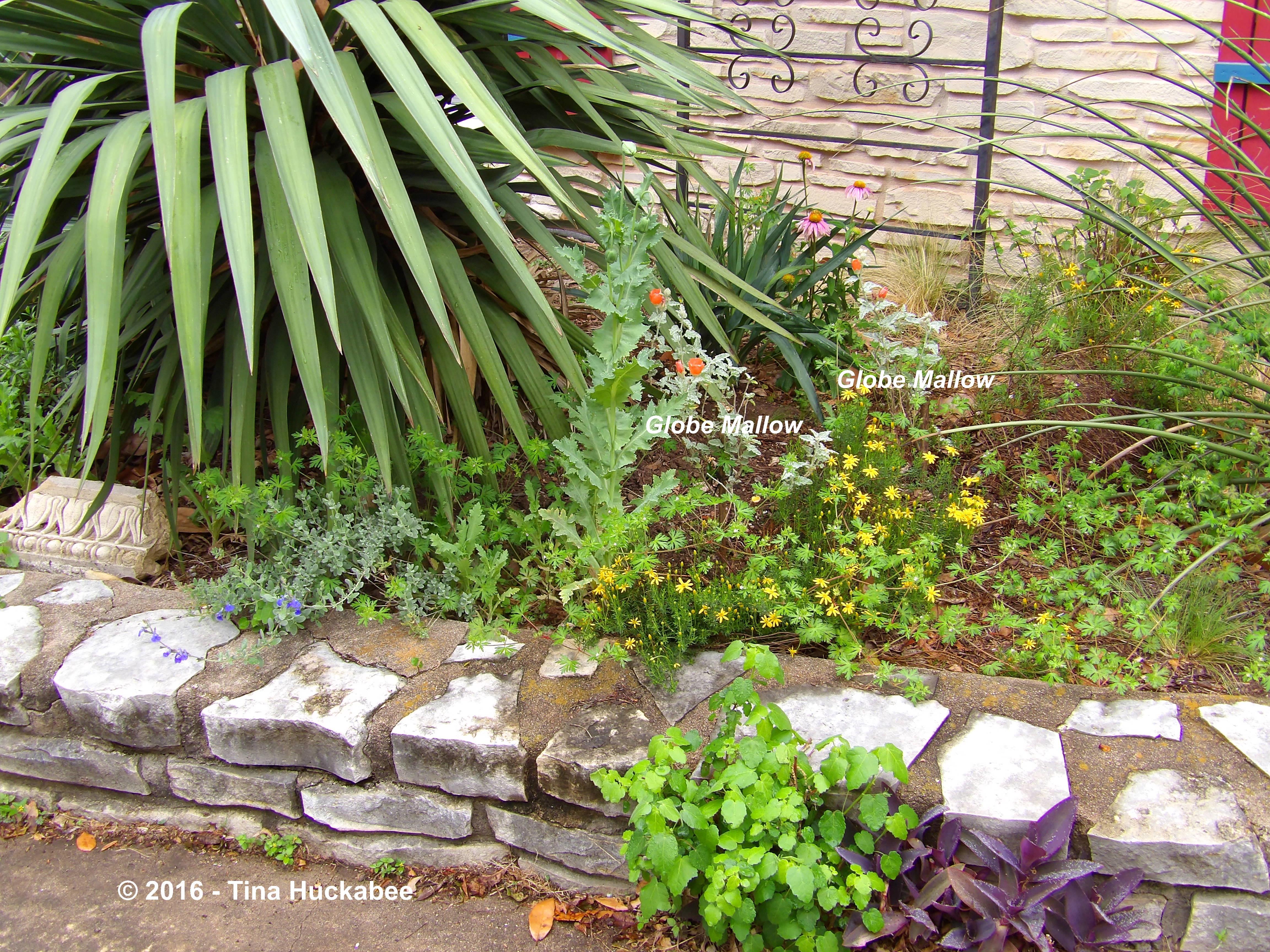
A wider look includes both newly planted Globe MallowSphaeralcea ambigua allowing for some silvery leaf action,
IMGP6162.new.new

…not to mention a couple of orange beauty blooms.

IMGP6158.new


The Germander Sage was an impulse purchase, but I like it–the blue flowers and grey-green leaves are hard to beat.  It’s hardy and easy to grow–a requirement in my garden–and it’s definitely a water-wise addition to this sunny, dry bed.

IMGP6157.new

IMGP6154.new


The sunshiny blooms of the Damiantia almost steal the show from their foliage host and plant partners.

IMGP6151.new

IMGP6155.new

Almost, but perhaps, not quite.

Tidy, smooth leaves of the not-in-bloom Rock Penstemon, Penstemon baccharifolius contrast in form and shape with matte, wavy poppy leaves.

IMGP5139.new


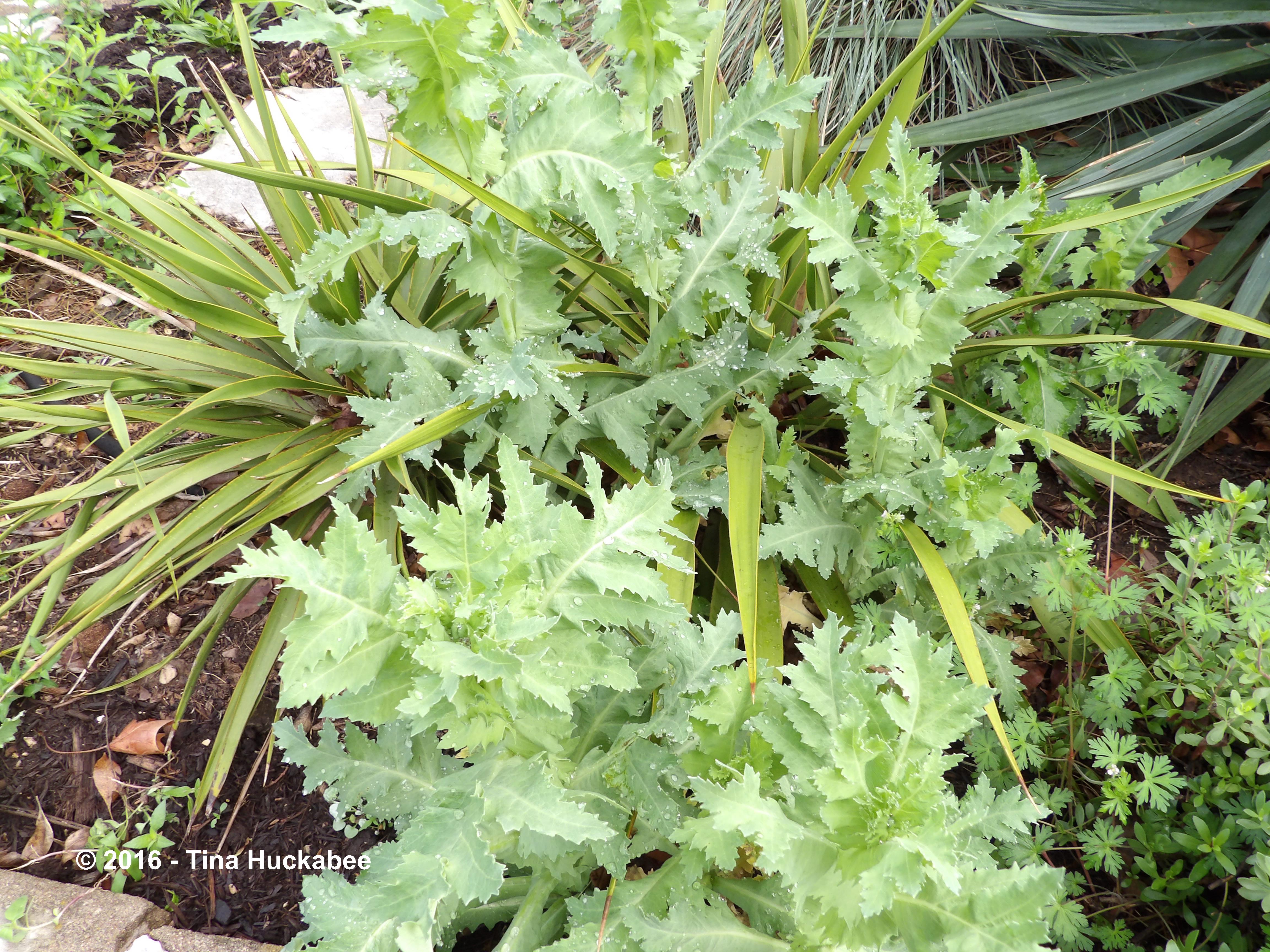
Spiky Twistleaf Yucca, Yucca rupicola appear to reach out from frilly poppy foliage, giving fair warning of their pointy ends as I lean into the garden to weed or photograph.
IMGP5140.new

I’m always poked–somewhere–by those ends. Always.

And from another angle,

IMGP5258.new

…blue-green Soft Leaf Yucca, minty-green poppy foliage, and vivid green Twistleaf Yucca are a verdant combination worthy of any celebration of green in the March garden.

This Green Anole certainly approves–of the straps of the Soft Leaf Yucca, if not of the photographer’s intrusion,

IMGP5261.new

…while his bigger buddy looks askance at me.  Does he know how well he reflects the colors of the Soft Leaf Yucca?  Or, is it the other way around?IMGP6271.new

In celebration of the foliage in the March garden, many thanks to Christina and her lovely Creating my own garden of the Hesperides.   Check out her Garden Bloggers’ Foliage Day for a look at foliage in many gardens, from many places.
 

A Parade of Pretties: Bloom Day for March

I’m not going to pretend that this post is anything more than a runway fashion show of the botanical kind.  What follows is a shameless and giddy celebration of the the bounty of blooming beauty that is early spring in my Austin, Texas, zone 8b, garden.

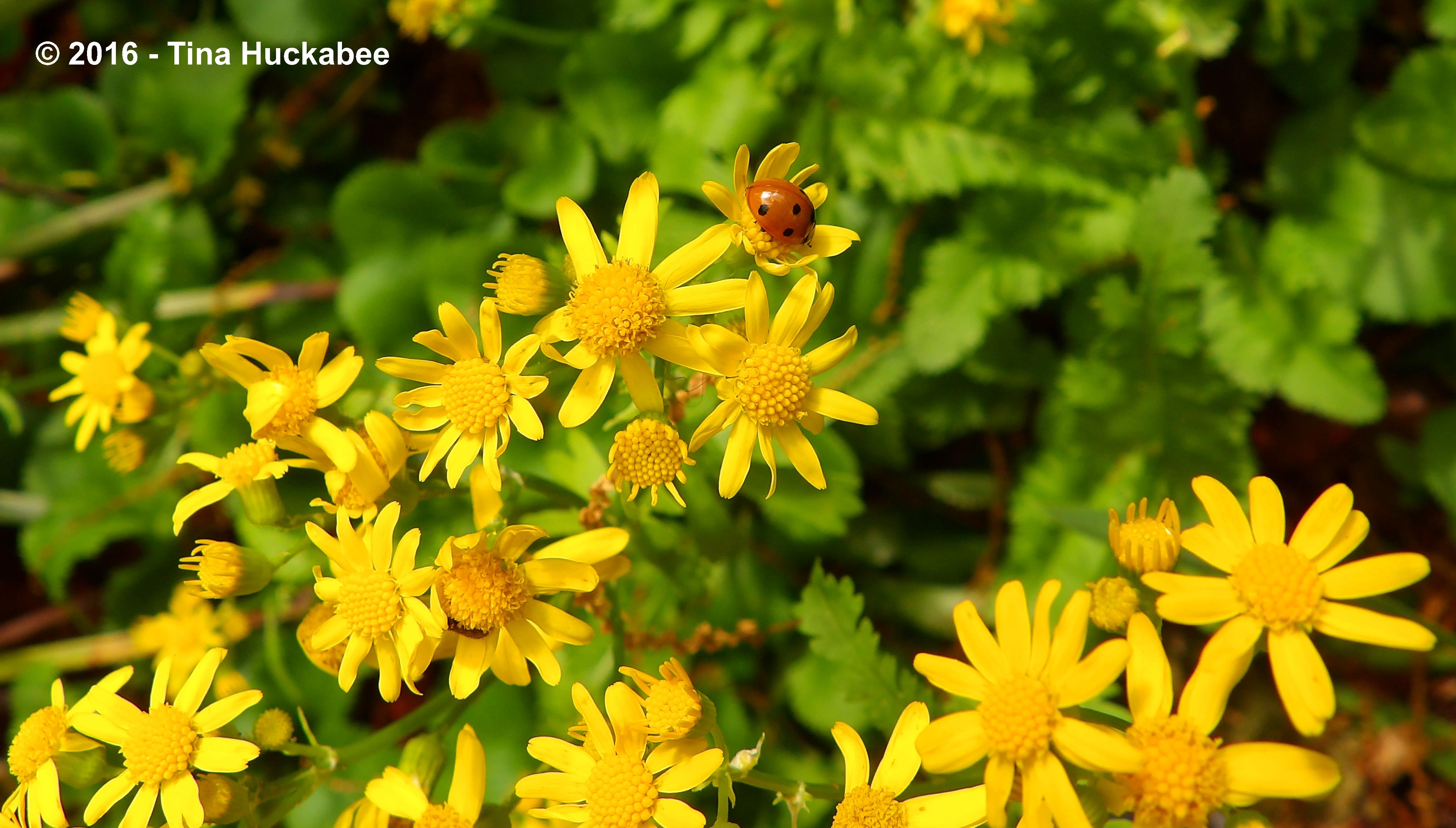
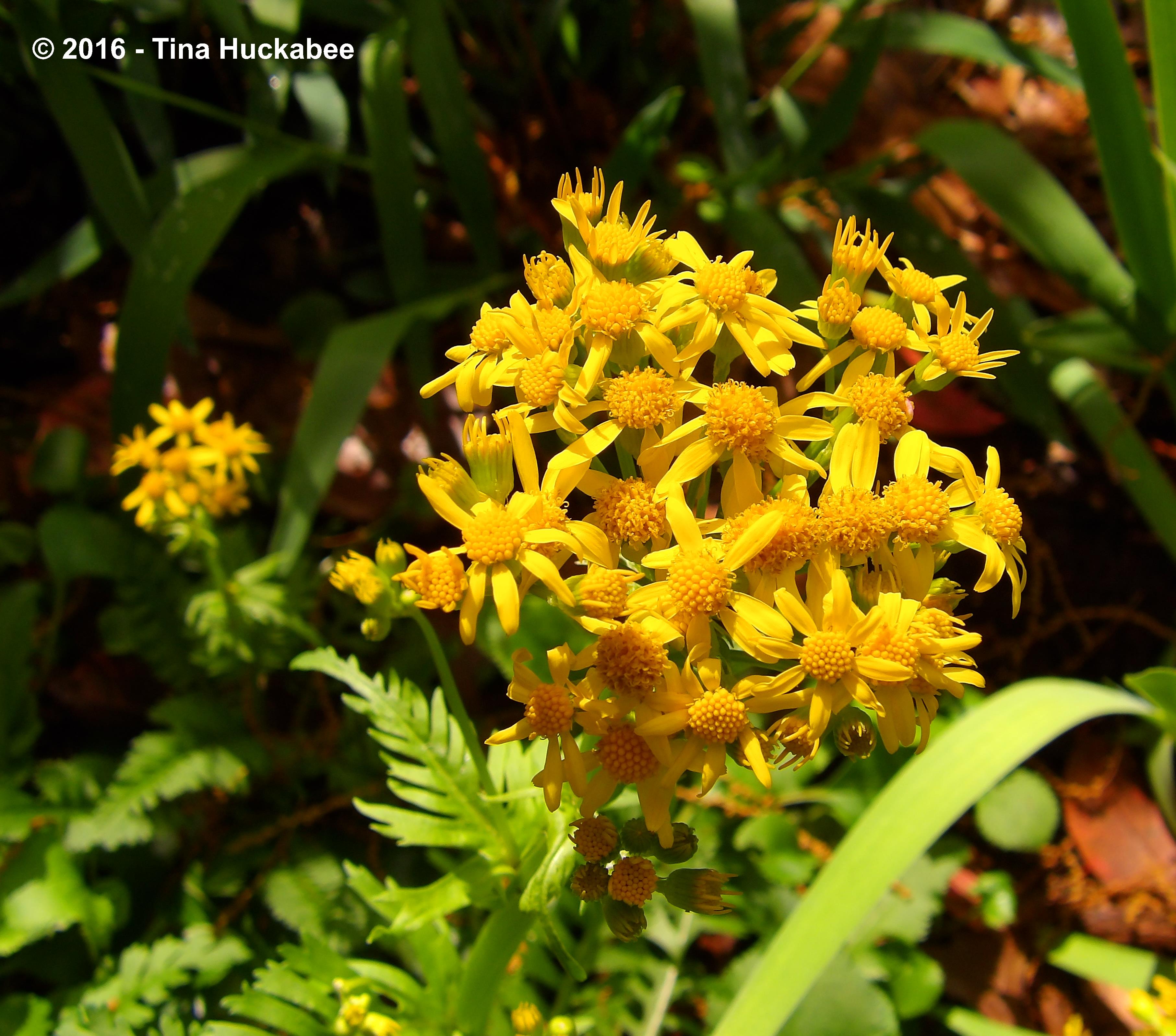
Golden Groundsel, Packera obovata, hit its flowering stride since last profiled  for its beautiful foliage a few weeks ago.

IMGP5034_cropped_3627x3194..new

Slender bloom stalks hold aloft the blasts of brilliant yellow,

IMGP5028.new

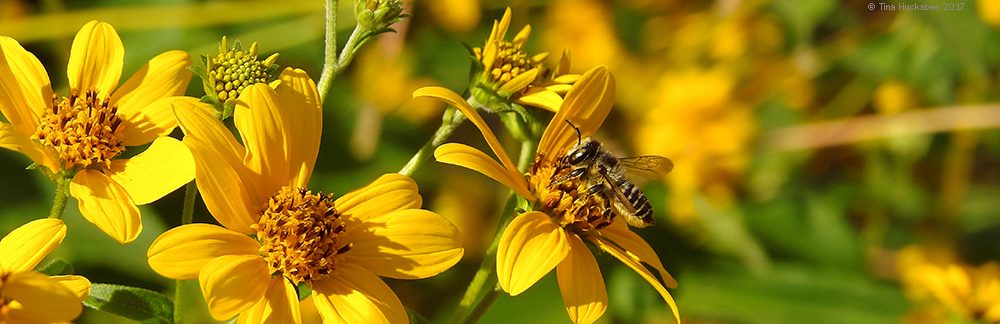
…and the gardener smiles.  Tiny critters of all sorts visit–to rest,

IMGP5031_cropped_4083x2323..new

…and pollinate.

IMGP5188_cropped_3166x3410..new

IMGP5174_cropped_3567x3414..new

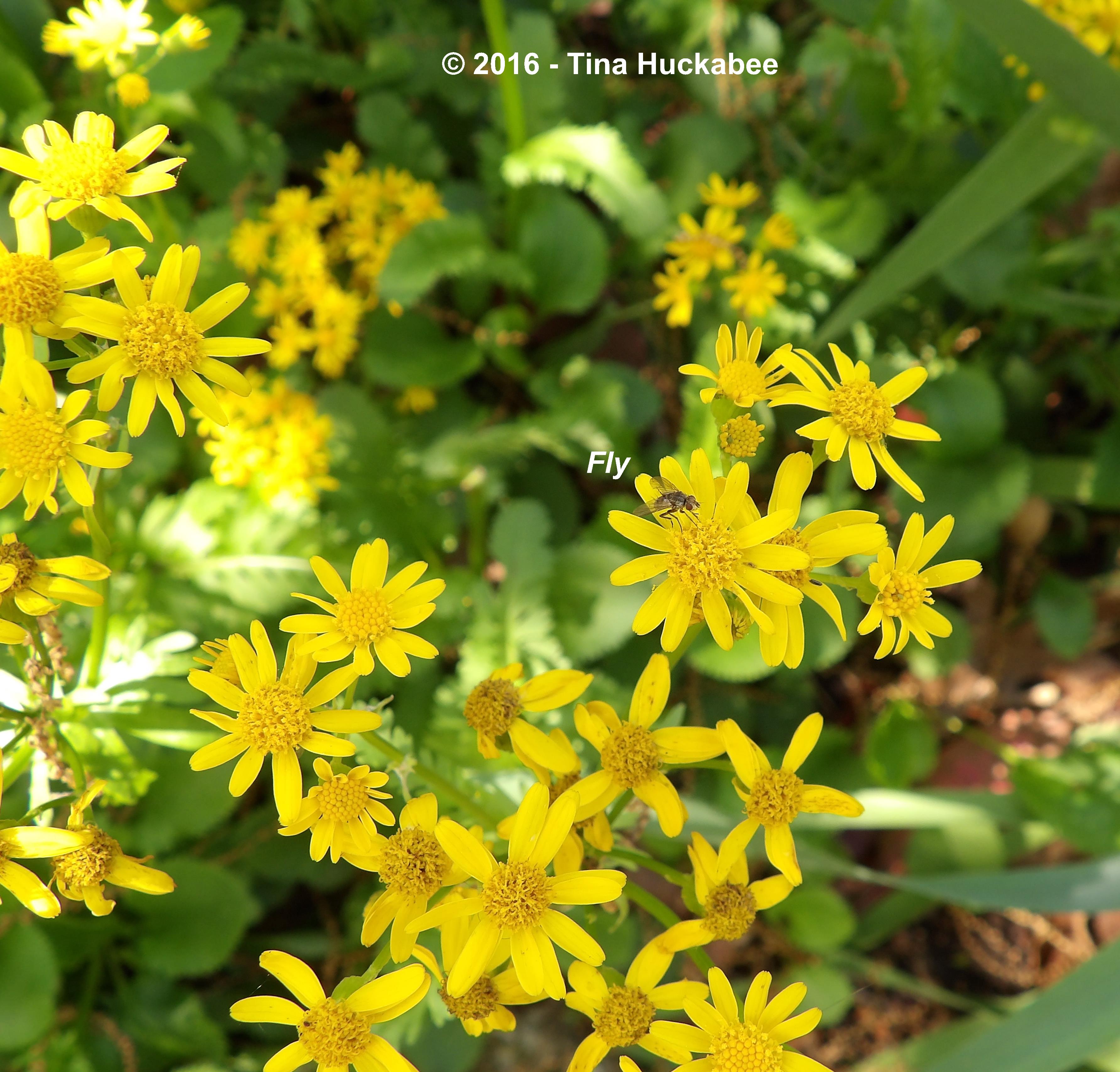
I’m not thrilled when a fly makes its way into my kitchen, but am happy to see it sipping the sweet stuff from the Golden Groundsel.

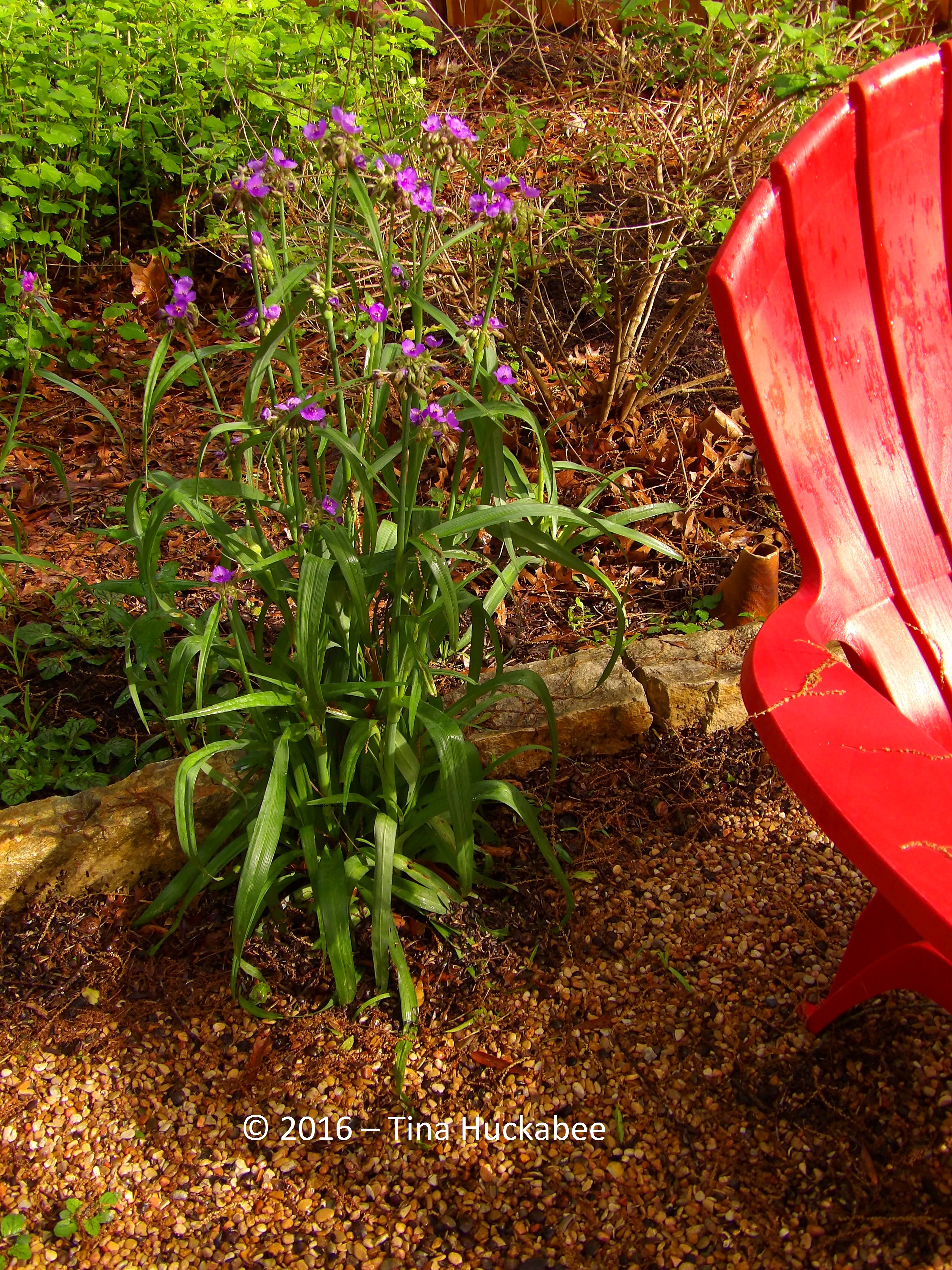
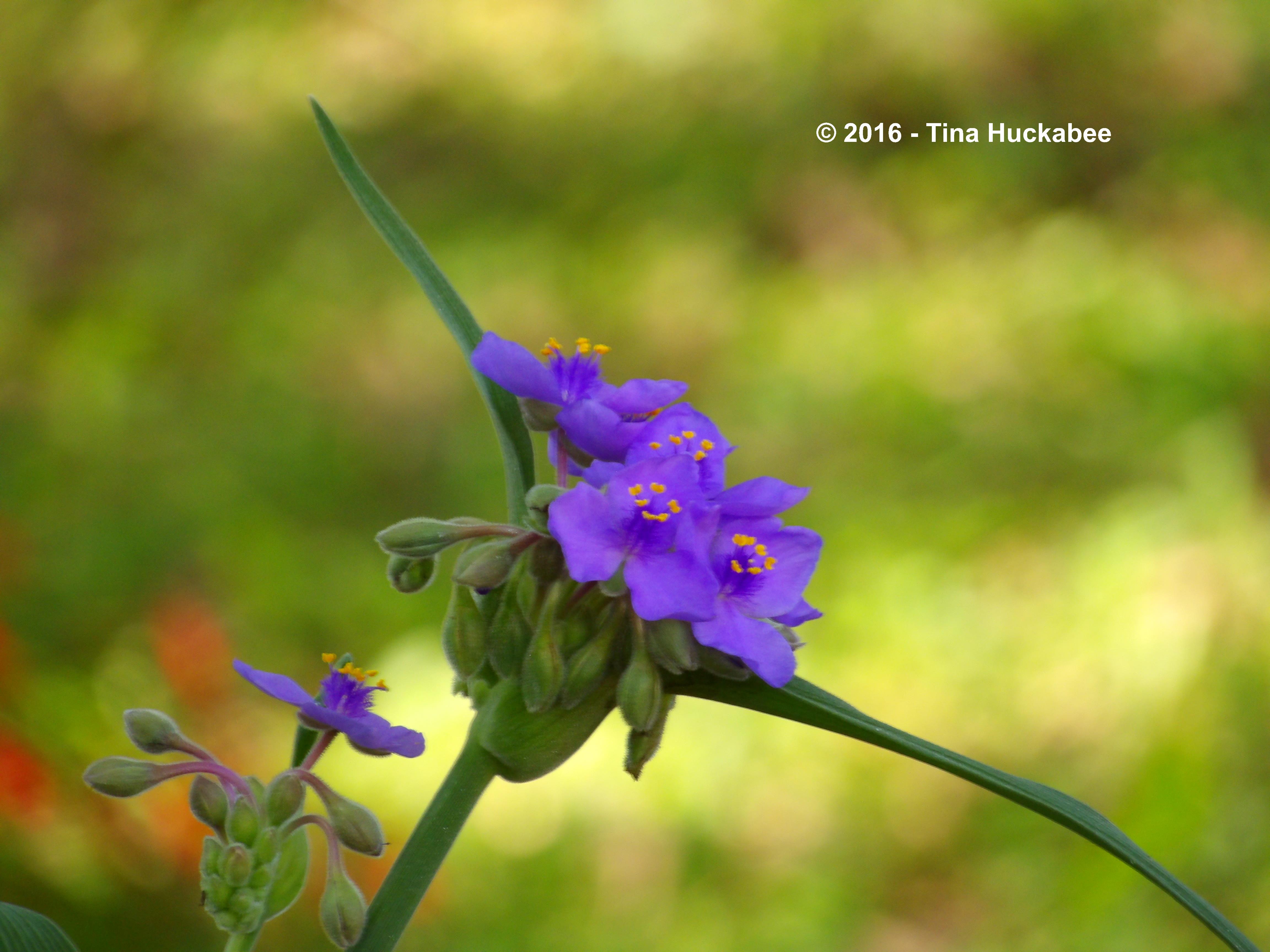
SpiderwortTradescantia, plants are strutting their flower-power and keeping the honeybees busy.

IMGP5007.new

This Giant Spiderwort  keeps company with garden furniture.

The many Spiderwort clumps my garden enjoy some variability in size and coloration and I suspect that there’s more than one species growing and cross-mingling through the seasons.

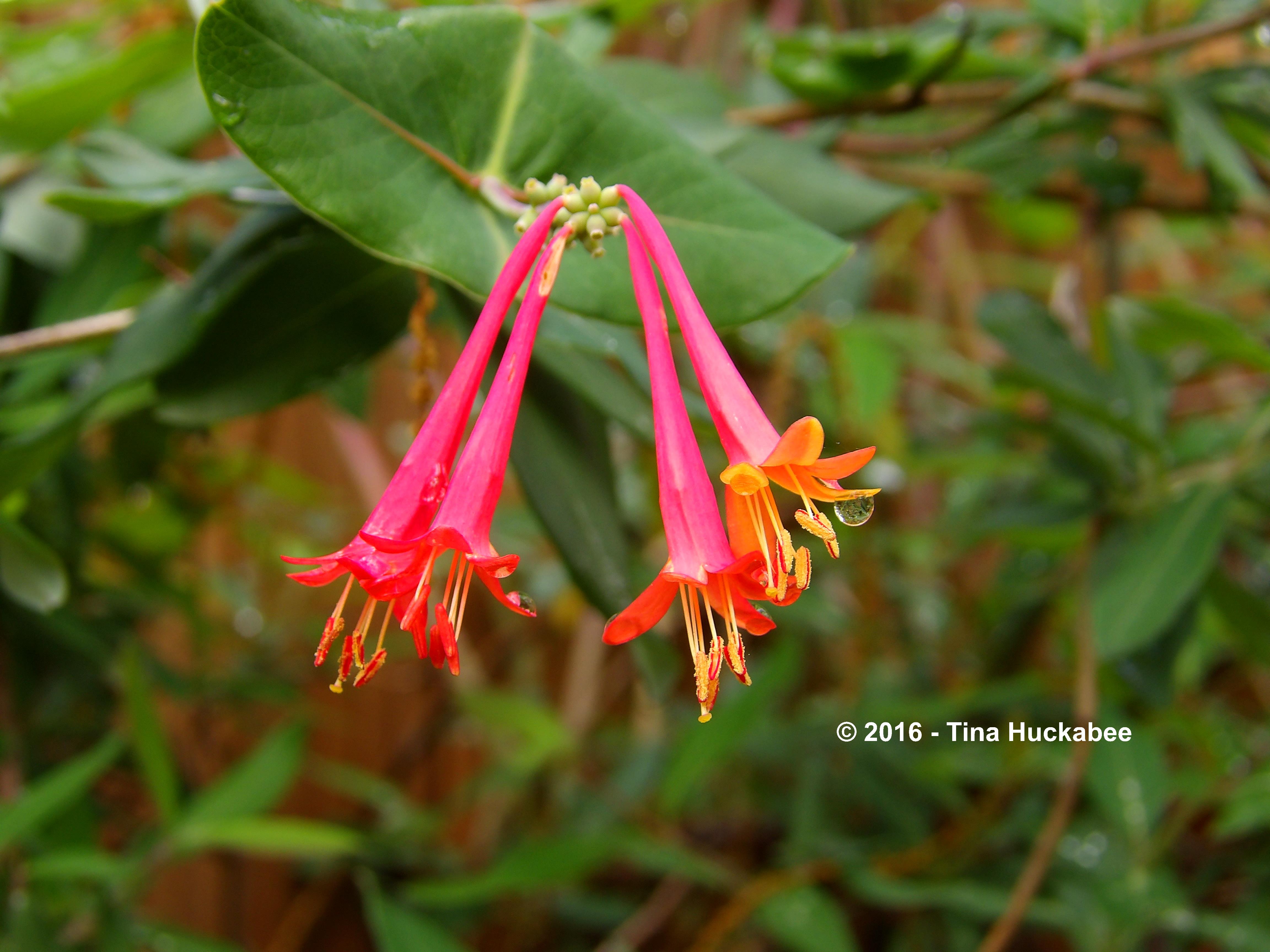
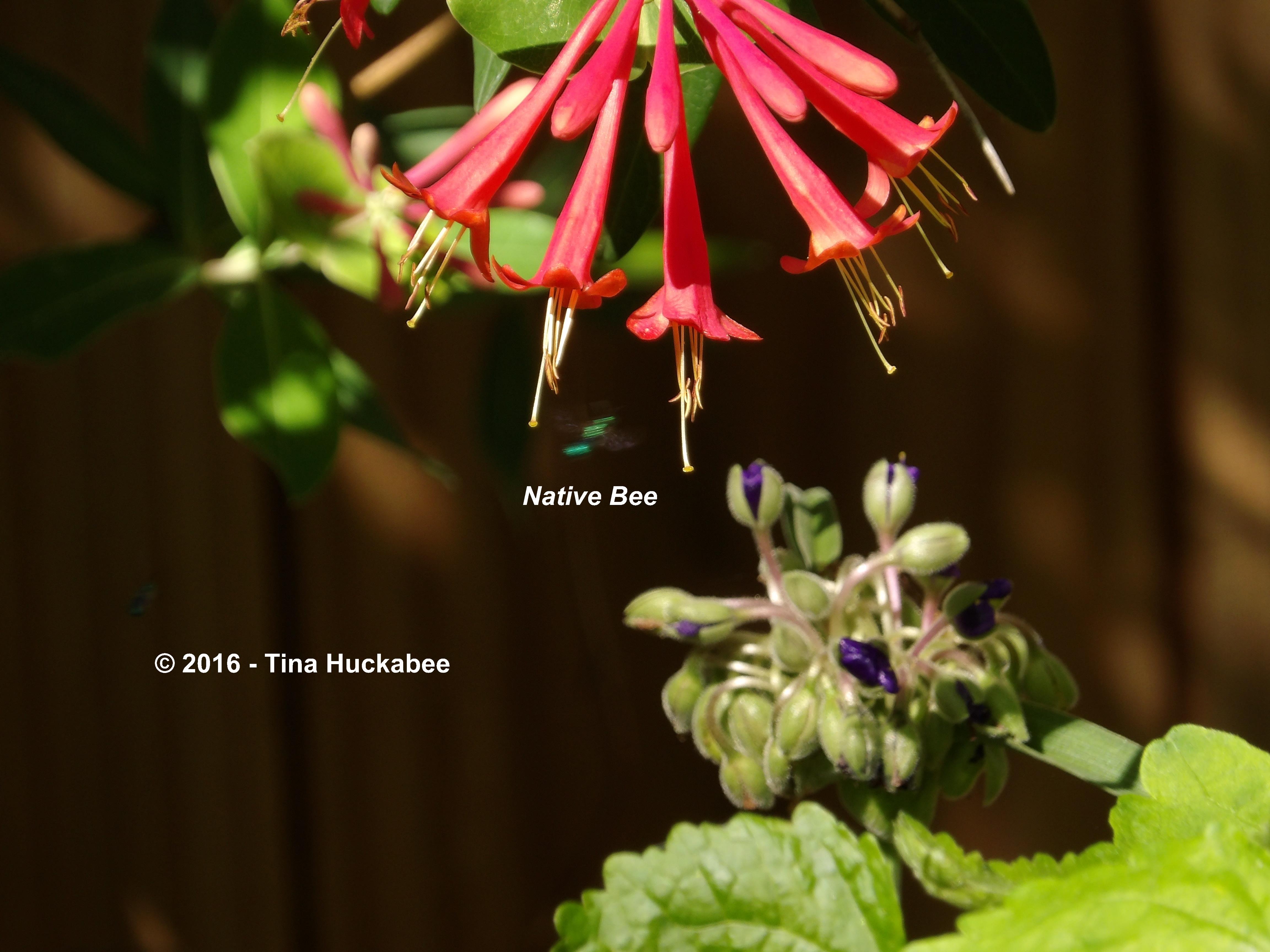
Coral Honeysuckle,  Lonicera sempervirens, a vine hosting dripping clusters of tubular beauty,

IMGP5017.new

…are surrounded by tiny native metallic bees, which I can only manage a vague photograph of.

IMGP5225.new

Actually, that’s not really true, but you’ll have to wait until my own Wildlife Wednesday on April 6th to see some slightly better photos of one of the stunningly gorgeous and fast-flying metallic wild bees.

This Coral Honeysuckle bloom cluster and the not-quite-open Spiderwort look like they’re trying to reach one another for a smooch.

IMGP5237_cropped_3898x3277..new

Well, it is spring, you know–the season of love!

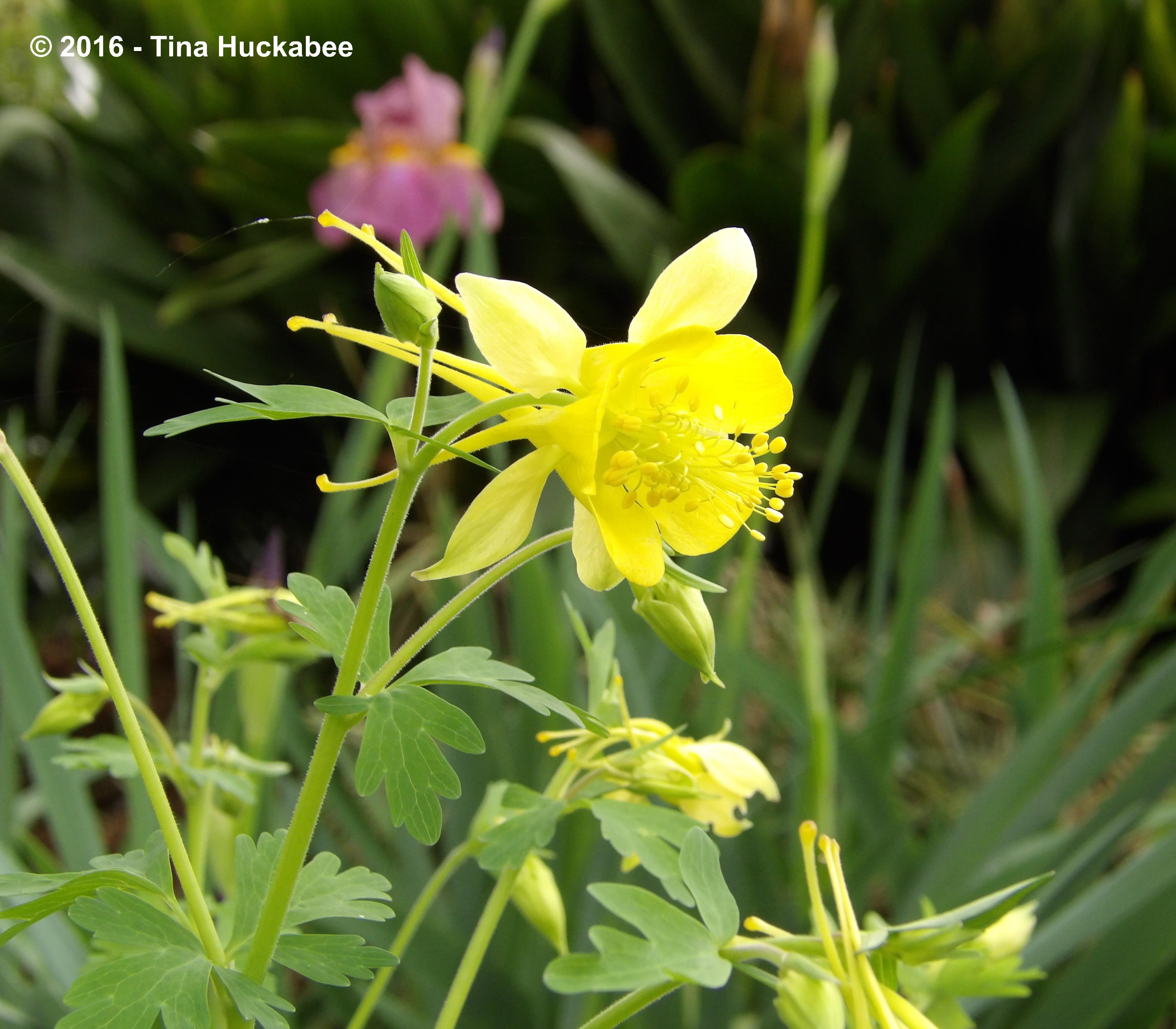
Yellow Columbine, Aquilegia chrysantha var. hinckleyana,

Yellow Columbine with blooming Iris.

Yellow Columbine with blooming Iris.

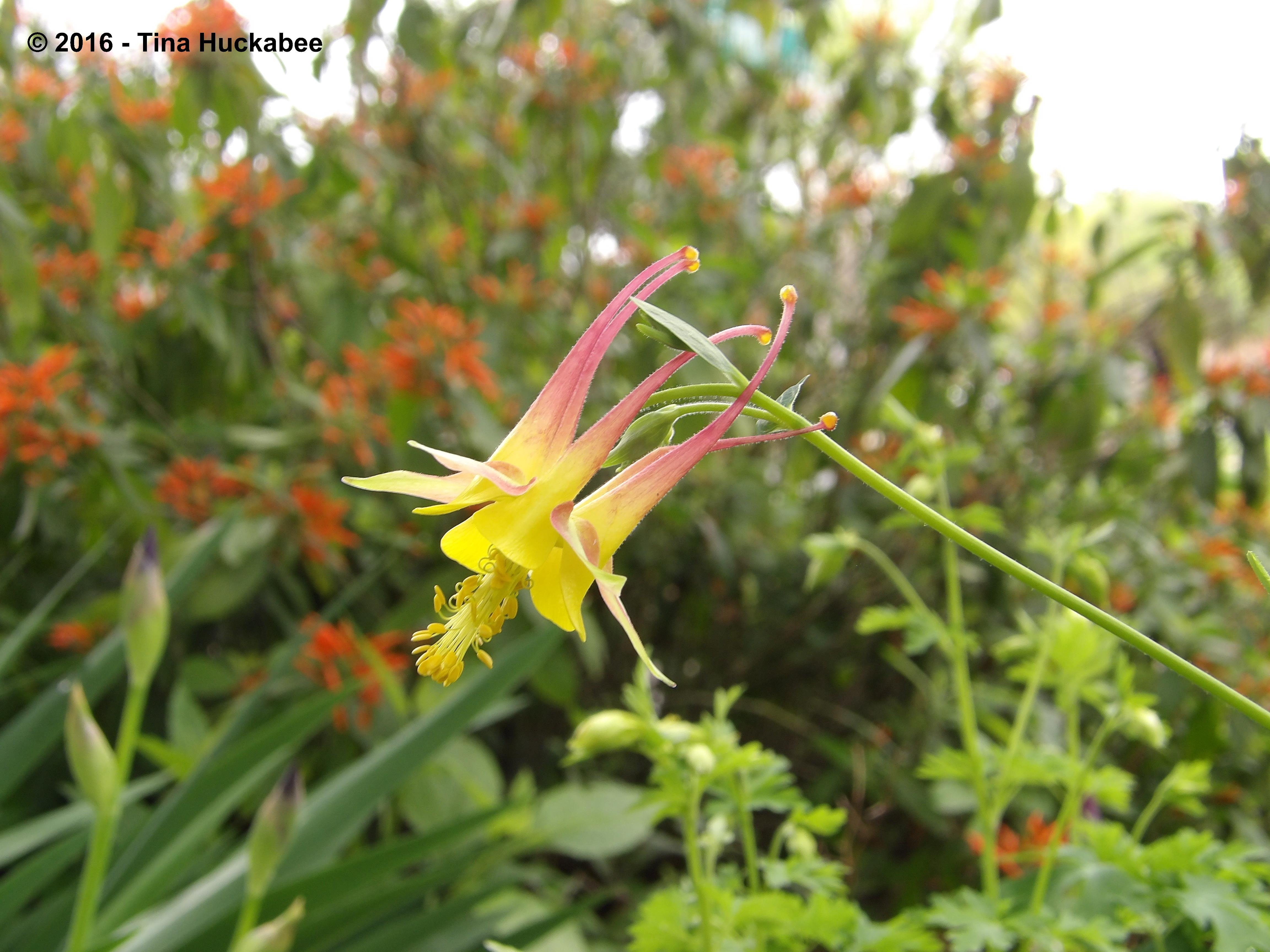
…and the hybrid between A. chrysantha and A. canadensis, pose beautifully and are available for nectaring, too–if you possess the right proboscis, that is.

Hybrid Columbine with backdrop of orange blooming Mexican Honeysuckle and unopened Iris.

Hybrid Columbine with backdrop of orange blooming Mexican Honeysuckle and unopened Iris.

Hybrid Columbine with not yet in bloom day lilies and Yarrow.

Hybrid Columbine with not yet in bloom day lilies and Yarrow.

The A. canadensis is a smaller, mostly brick-red columbine.  But when cross-pollination occurs, the flower of the hybrid is typically larger, with more yellow and a blush of red.  Over the years, the columbines in my gardens have hybridized and I’m delighted with nature’s improvisations.

Globe Mallow, Sphaeralcea ambigua, is also open for business,  awaiting interviews from native bees.  So far, it’s been teeny, tiny bees, too fast for this photographer to capture with any competence.

IMGP5044_cropped_4443x3180..new

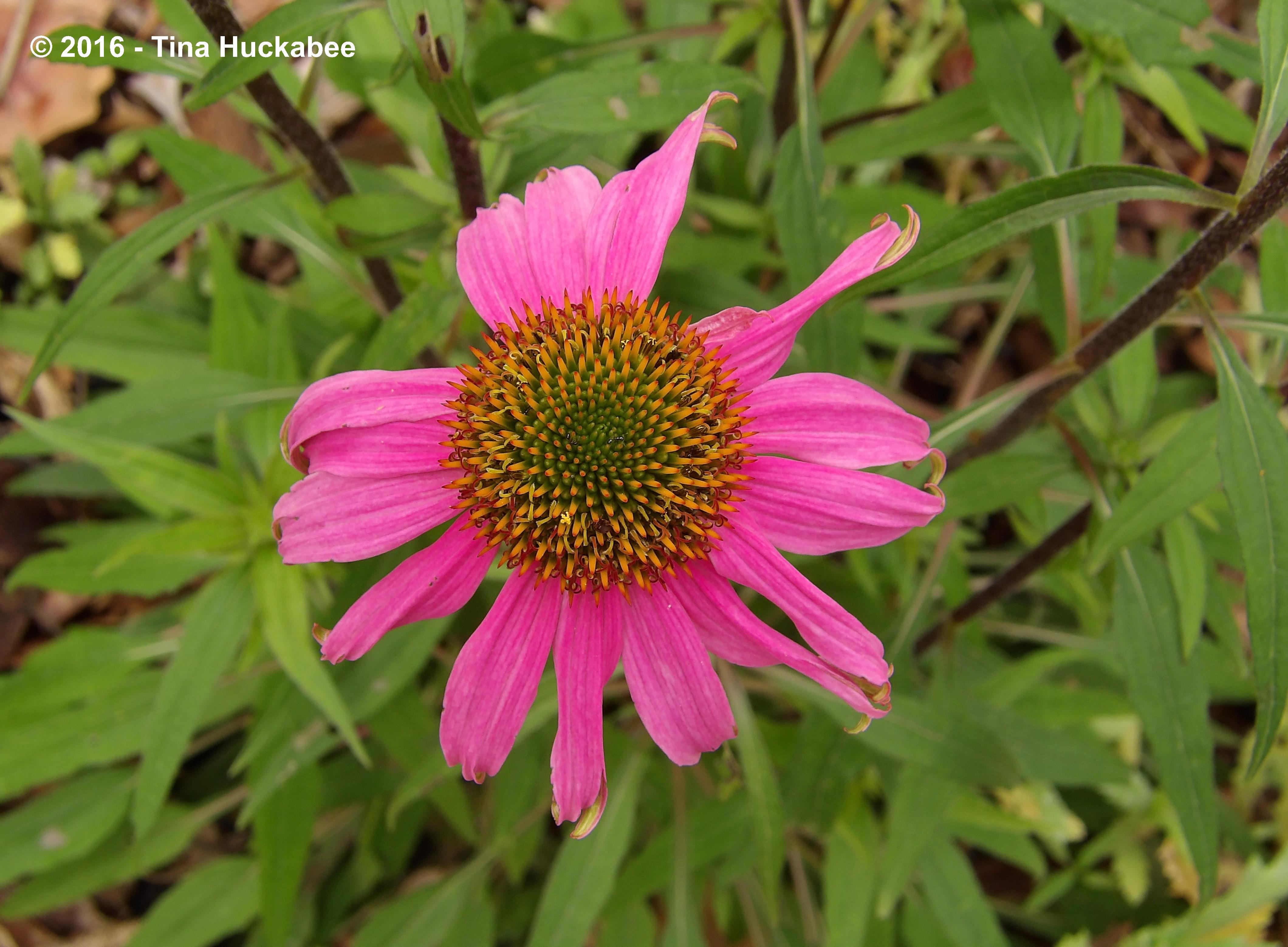
The first blooms of many-to-come Purple Coneflower, Echinacea purpurea, have unfurled their pinky-purple glory, welcoming spring and their lengthy growing season.

IMGP5050_cropped_4240x3116..new

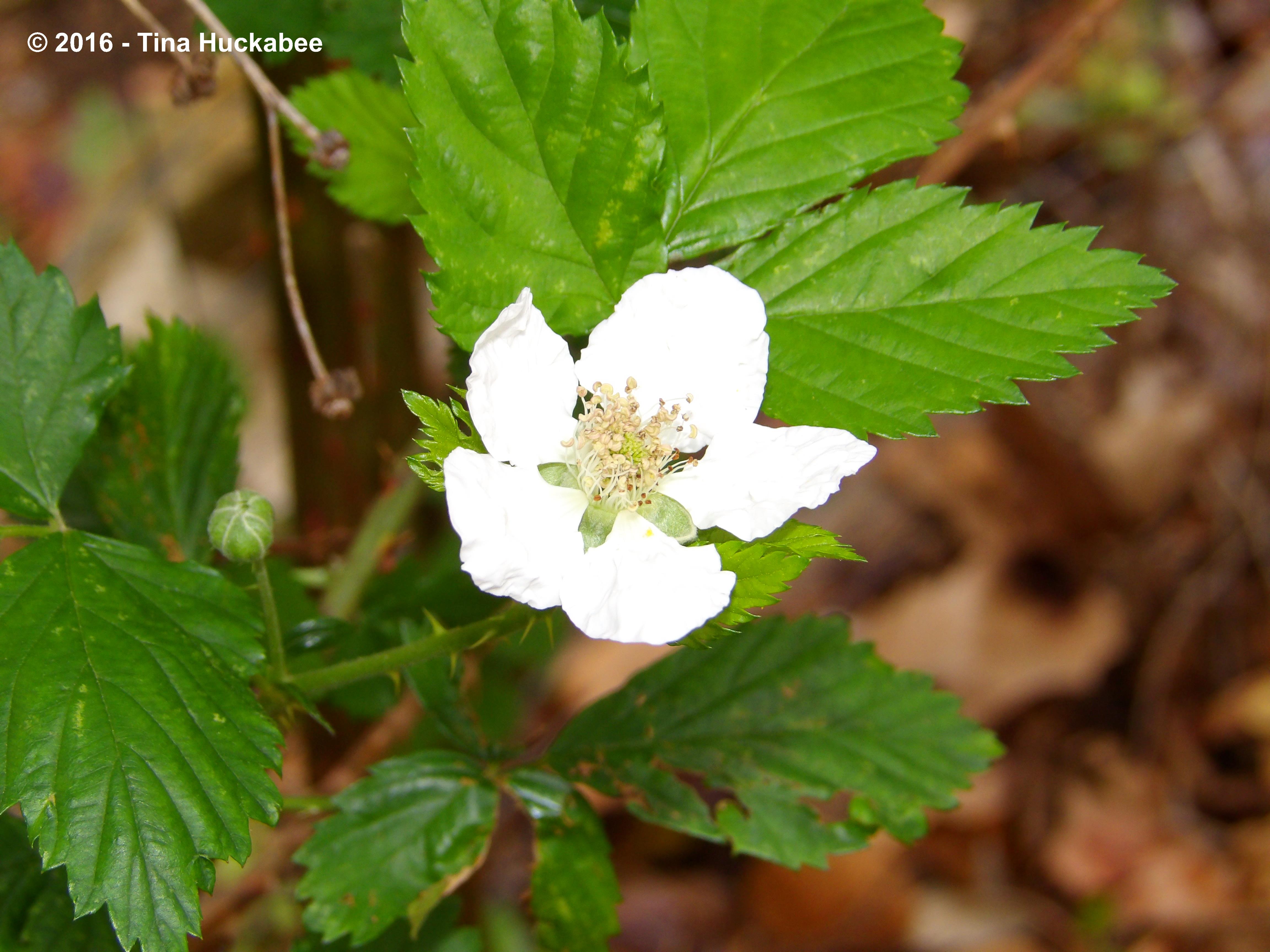
Another first is with this Brazos Blackberry bloom, which heralds more of the same.

IMGP5070.new

Once those flowers are spent, berries will not be far behind.  Yum!  I can taste the blackberries now–as well as the blackberry cobbler.  Bring’em, blooms!

Dancing at the ends of slender bloom stalks all winter and continuing their performance in the spring breezes, the cheery, bouncy Four-nerve Daisy (Hymenoxys), Tetraneuris scaposa,  flowers are nearly non-stop bloomers.

IMGP5043.new

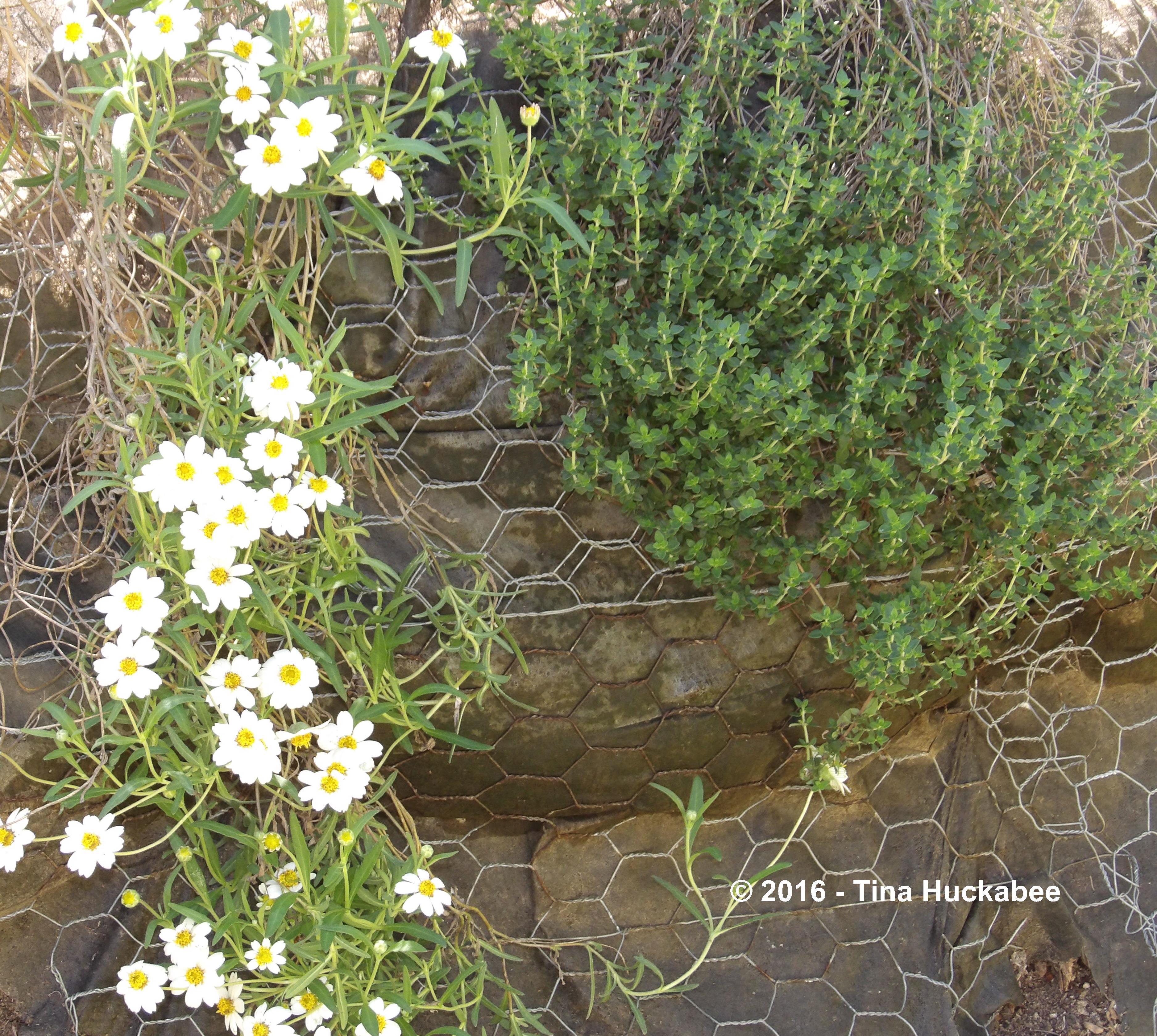
Tired of these tidy, singleton blooms?  How about this cascade of Blackfoot Daisy, Melampodium leucanthum.

IMGP5071.new

A tough Texas native that is best when growing out of poor soil or rock, this one is content and flowering in my Green Tower, which is where I grow veggies and most of my herbs.  The Blackfoot Daisy buddies-up to a thyme plant which also flourishes in the Tower.

IMGP5180_cropped_3750x3359..new

Due to the non-winter this year, Mexican Honeysuckle, Justicia spicigera, wasn’t freeze-knocked to the the ground and thus is blooming with orange abandon this early spring.

IMGP5098.new

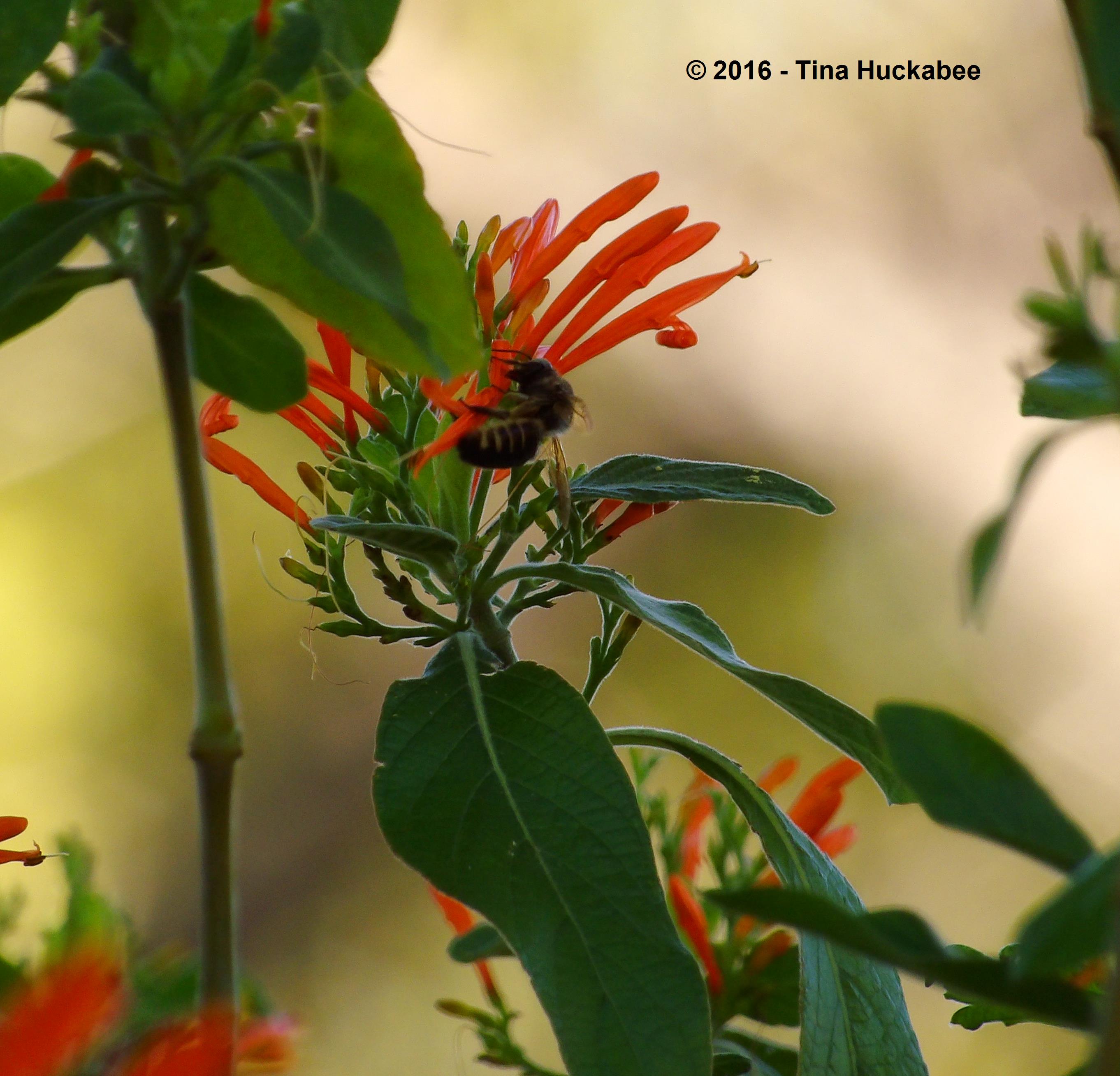
Mexican Honeysuckle boasts constant pollinator activity, especially from a variety of bees.

Horsefly-like Carpenter Bee (Xylocopa tabaniformis) works the Mexican Honeysuckle flowers.

Horsefly-like Carpenter Bee (Xylocopa tabaniformis) works the Mexican Honeysuckle flowers.

There’s more where that came from!

IMGP5271_cropped_4552x2747..new

There are too many blooms and not enough time to showcase them all–they’ll just have to participate in another parade!

IMGP5273.new

Thanking Carol at May Dreams Garden for hosting this monthly bloom frenzy known as Garden Bloggers’ Bloom Day.  Share your garden pretties, then click over to her lovely blog to see and learn about blooms from many places.

IMGP5274.new


Bloom Day, December 2014

Celebrating blooming things with Carol of May Dreams Gardens on this last Garden Bloggers’ Bloom Day of 2014, I’d like to share some currently flourishing flowers from my gardens.  It’s been mild here in Austin, Texas, though a few light frosts have come our way, none were significantly cold enough to dampen the blossoming spirit.

Wonderful native perennials continue strutting their blooming stuff late this growing season. Two native salvia species are providing nice nectar sources for passing bees and butterflies and a color show for the resident gardener.   The Tropical SageSalvia coccinea, 

IMGP3068.new …brightens the garden with its scarlet blooms, while Henry Duelberg salviaSalvia farinacea, ‘Henry Duelberg’ provides spikes of blue.

IMGP3062.new

IMGP3065.new


Planted near to those two perennials is a group of  Texas Craglily, Echeandia texensis.  

IMGP3086.new There are few blooms left, but many seed pods readying for future golden lily loveliness.

Some of my GoldeneyeViguiera dentata, still bloom. IMGP3053.new

IMGP3054.new IMGP3055.new

I don’t really think I need to add anything to that!  These individuals face west and receive the warmth of the afternoon autumn sun.

A few Turk’s Cap, Malvaviscus arboreus, flowers grace the gardens as well.

IMGP3057.new I don’t recall ever seeing this plant bloom so late before–I’m not complaining.

Native to areas west of Texas, but not specifically Austin, is the Globe Mallow, Sphaeralcea ambigua.   

IMGP3051.new IMGP3099.new

In my gardens it’s a reliable cool season bloomer–at least through the beginning of summer.  The one mature Globe Mallow in my gardens is beginning a nice bloom production and that’s likely to happen throughout winter.

IMGP3101.new

There are always a few Purple Coneflowers, Echinacea purpurea, charming the gardens. This one is planted with an unknown variety of basil-in-bloom,IMGP3046.new

IMGP3047.new

…which I’d know the name of if I’d bothered to keep the tag.  Ahem.

And here, Coneflower is partnered with the equally sweet Four-nerve Daisy or Hymenoxys, Tetraneuris scaposa.

IMGP3049.new IMGP3050.new

I love native Texas plants.

As for the non-natives, well, they’re pretty cool, too.  The Firecracker or Coral PlantRusselia equisetiformis, requires a hard freeze to knock it back.

IMGP3059.new Obviously that hasn’t happened yet.

IMGP3063.new

IMGP3064.new

I feel good about this plant–it has such a tropical look, but in reality it’s water-wise and tolerant of the cooler season.

Roses are responding in kind to our temperate December by blossoming again. Whoop!

IMGP3107.new

IMGP3108.new

Glorious in vibrant red are these blooms of the Old Gay Hill rose.

Finally, the Potato VineSolanum laxum, has entered its bloom time.  This vine twines up one side of my swing beam and blossoms primarily in the cool months here in Austin. It’s a timid vine in my garden, never growing too large.    I forget about it during our long, warm  growing season–it’s there, but unimpressive. Once the temperatures cool, its lovely clusters of dainty, creamy-bell flowers provide interest for my honeybees, still foraging on warm afternoons.

IMGP3128.new

IMGP3131.new

Enjoy whatever blooms you have–indoors or out.  Then check out the many bloom posts by visiting May Dreams Gardens.