Bloom Day, July 2015

Summer has arrived:  sun, perspiration; heat, perspiration; gardening, perspiration–you get the drift.  It’s July in Central Texas and that means heat, but it also means blooms, and plenty of them.  Today is also Garden Bloggers’ Bloom Day and I’m thanking Carol at May Dreams Gardens for hosting this monthly tribute to blooms in the garden.

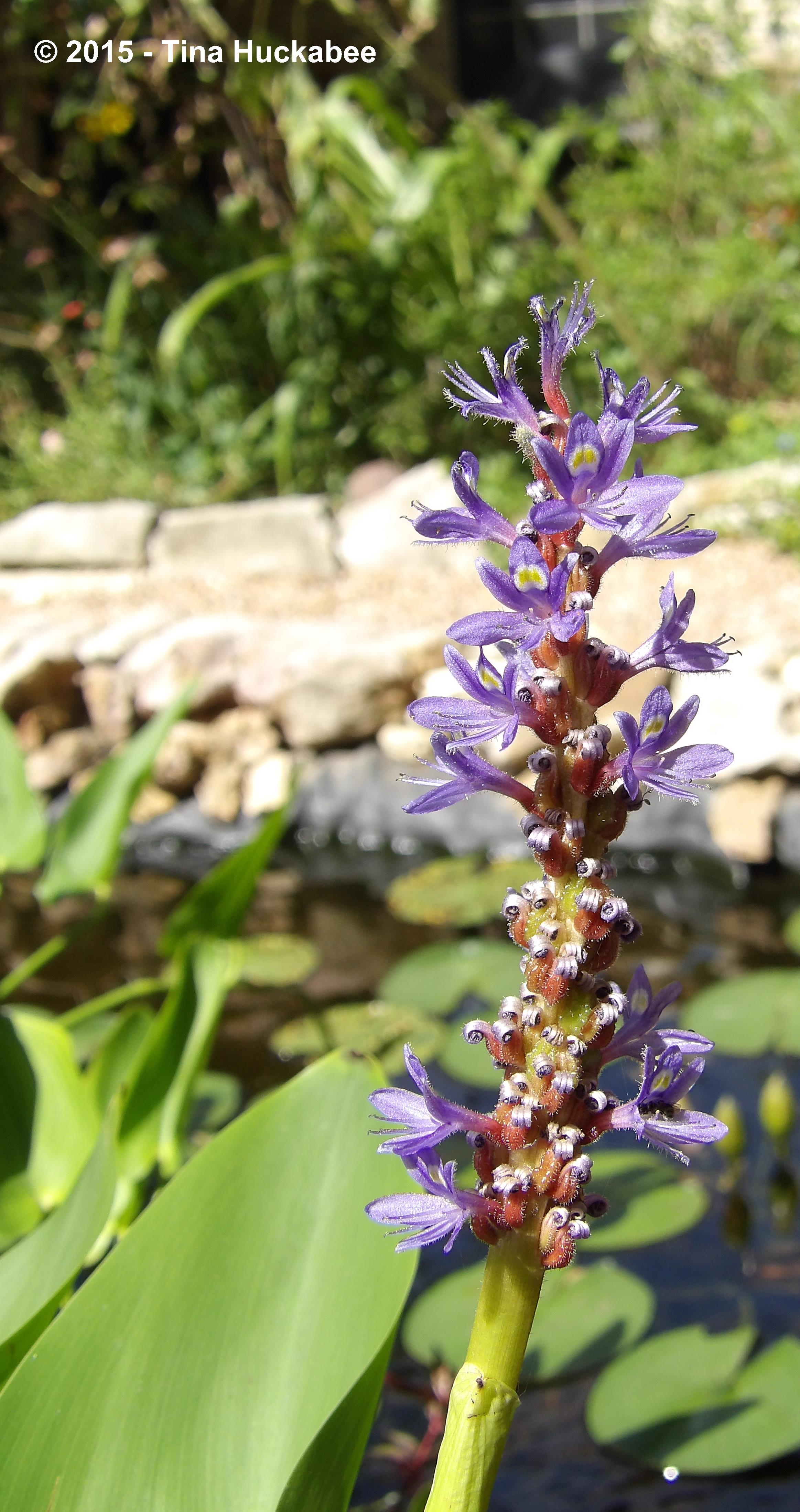
The pond cools my gardens and it’s at its best during the summer months.   This native Pickerel Rush, Pontederia cordata, spikes purple flowers, each lasting for days.

IMGP9361_cropped_2525x3127..new

IMGP9380_cropped_2326x4397..new

A variety of pollinators feed on the blooms and the spikes are favorites of dragonflies and damselflies–during the blooming,

IMGP9629_cropped_2401x2613..new

…and afterwards. Pickerel Rush likes shallow water and this one is planted in the bog section of my pond.

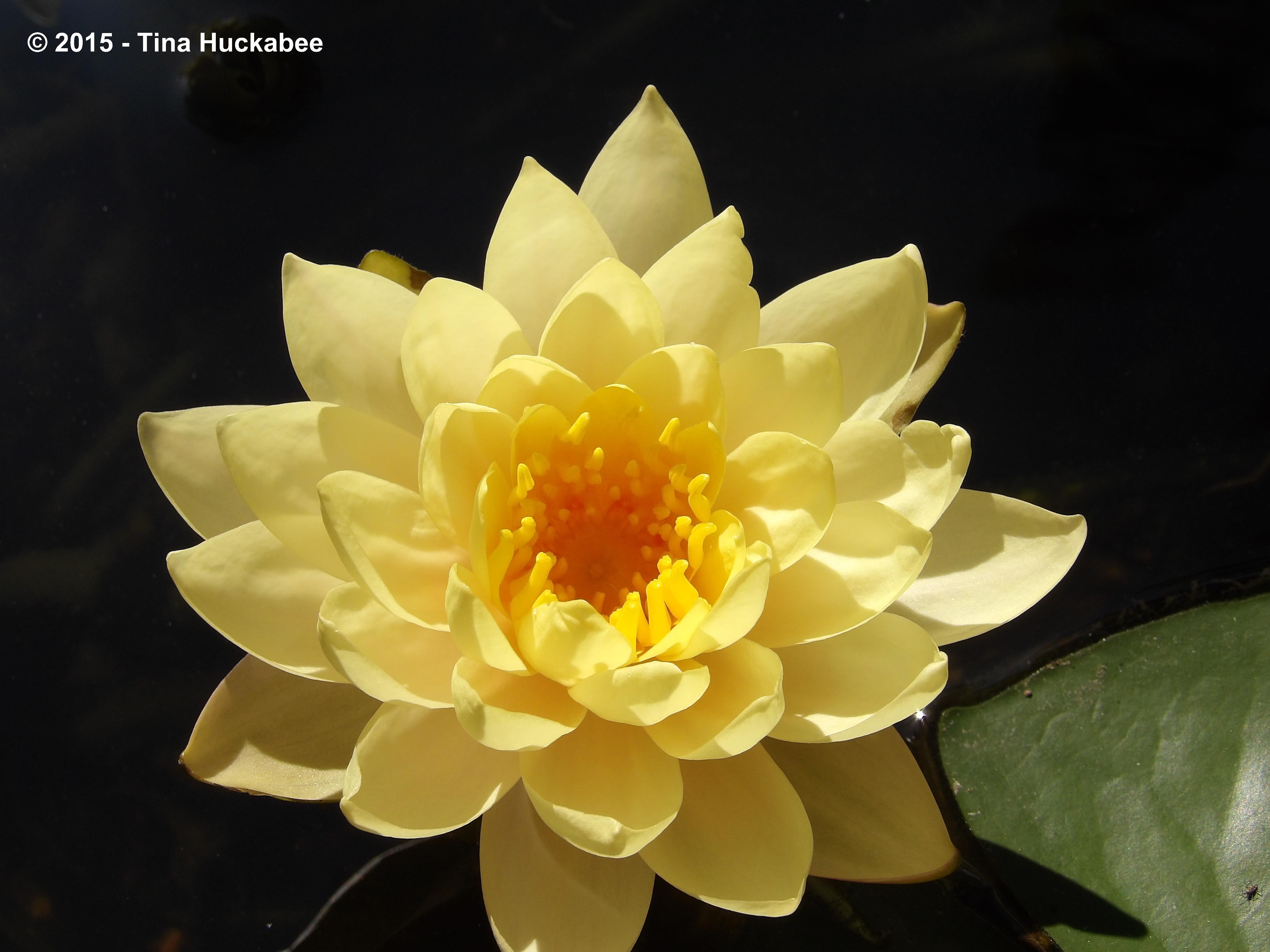
This Claude Ikins water-lily graces the pond with cheery yellow flowers.  When I’m standing in the water for some sort of pond maintenance, I stick my nose into one of these sunny blooms and I’m rewarded with a fresh and fruity fragrance.

IMGP9595.new

There are usually several flowers blooming at any given time during our long growing season.

IMGP9596.new

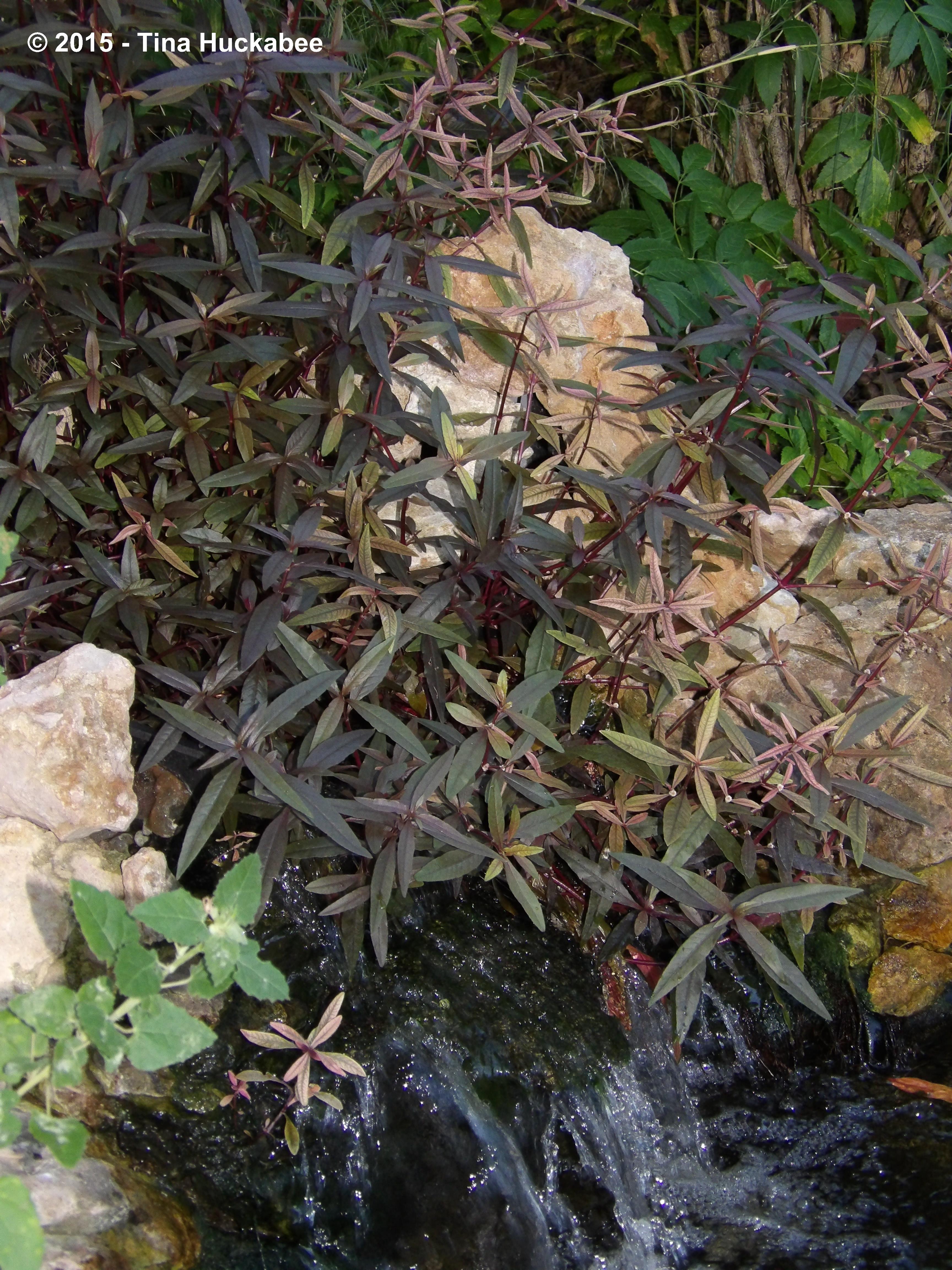
Ruby Red Runner, an Alternanthera hybrid, functions as a filter plant for the waterfall.  The flower is a small inflorescence situated at the leaf axil,

IMGP9631.new

…and is cute, but it’s not what attracts the eye to this plant.  That’s reserved for the beautiful foliage.

IMGP9601.new

What’s blooming in your garden this GBBD?  Enjoy, share, and check out May Dreams Gardens to see  July lovelies from other gardens!

Bloom Day, June 2015

Thanking Carol at May Dreams Gardens for the opportunity to share blooms, I’m joining in with a few of my own June picks and pics!  May was a wet month in my garden–17 inches wet–and many of my plants have enjoyed foliage growth, but are lagging behind in flower production.

Additionally, this week of June 15–21 is Pollinator Week, which is promoted by Pollinator Partnership, a nonprofit educational organization dedicated to the advocation and protection of pollinators.  Pollinators of all sorts–bees, butterflies, moths, bats and birds–are required for much of our food production and are vital to a healthy ecosystem. Of course home gardeners know this and those of us who honor blooms are keenly aware of the synchronicity of those blooms and their pollinators.

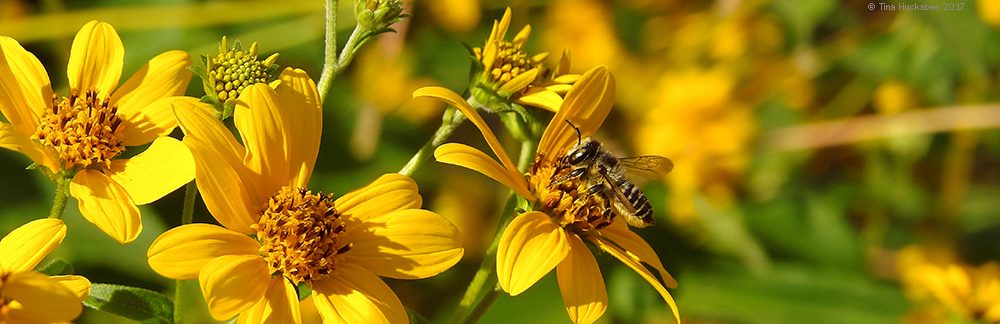
This Horsefly-like Carpenter Bee, Xylocopa tabaniformis,  is a common visitor to my gardens.

IMGP8570.new.new

Here, she contentedly works the bloom of a Engelmann or Cutleaf DaisyEngelmannia peristenia.  Most of the blooms in my gardens attract something in the pollinator category–whether I get it in photo form, or not.

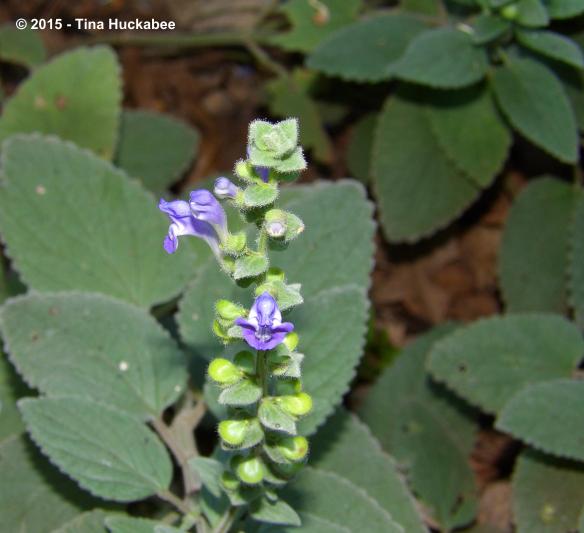
Heartleaf SkullcapScutellaria ovata, a great friend to the above bee species, maintains its grey-blue garden invasion, though it’s past its blooming peak for this year.
IMGP8506_cropped_3645x3327..new

It combines well with other blooming perennials, including Turk’s CapMalvaviscus arboreus var. drummondii.

IMGP8504.new

Turk’s Cap has grown tall and the foliage is lush.  The flowers are finally appearing in great numbers–tardy for this long-flowering native shrub.

IMGP8577.new

I’m so glad it’s blooming and I’m sure the hummingbirds are too.

Coral Honeysuckle, Lonicera sempervirens, are gracing the garden with a second flush of tubular beauty on this hardy vine.

IMGP8638.new


With lots of rose action for this June Bloom Day, the Knock-Out rose delivers its usual stellar standards of bloom quality.

IMGP8533_cropped_3663x3345..new

IMGP8536.new


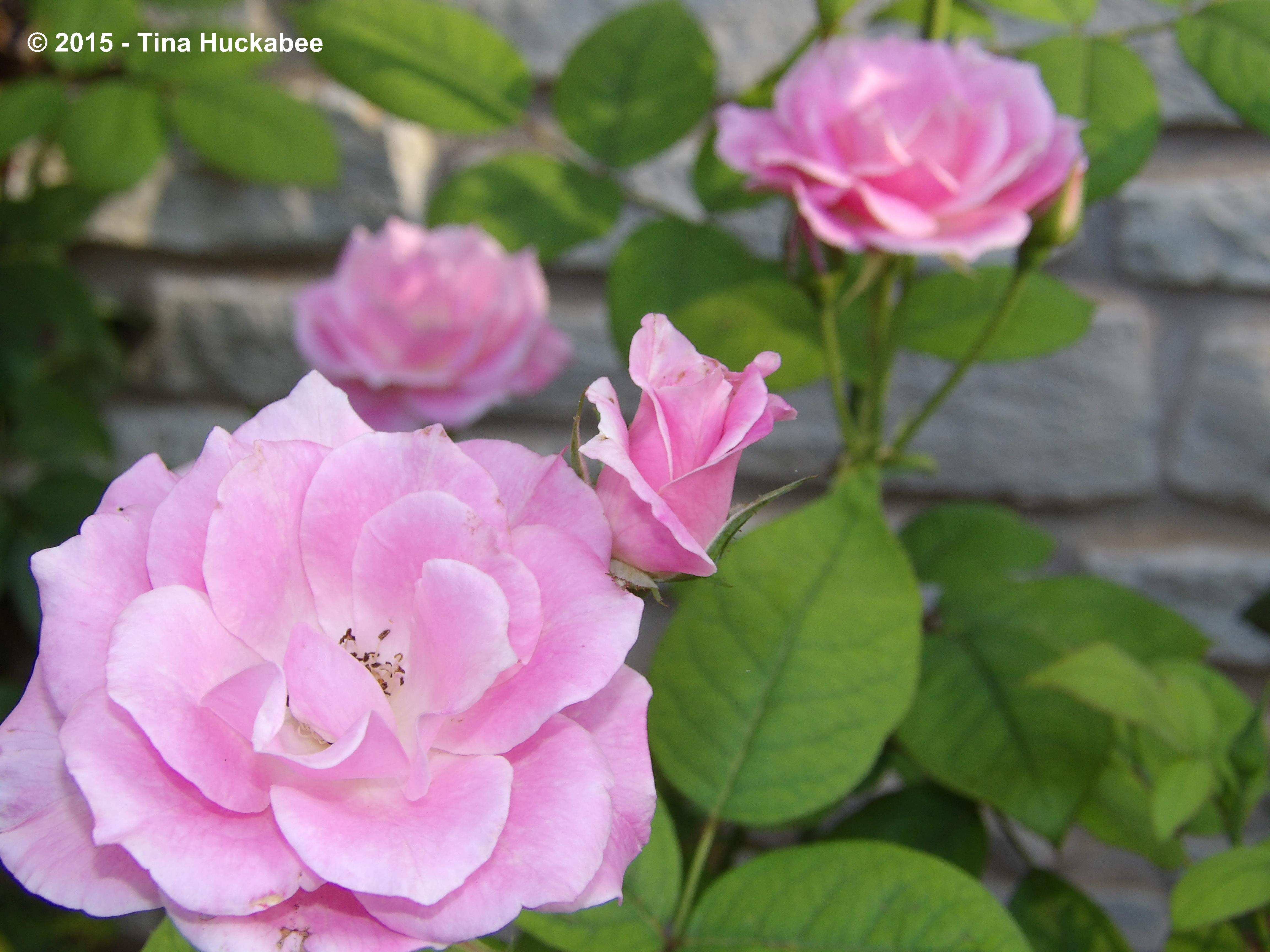
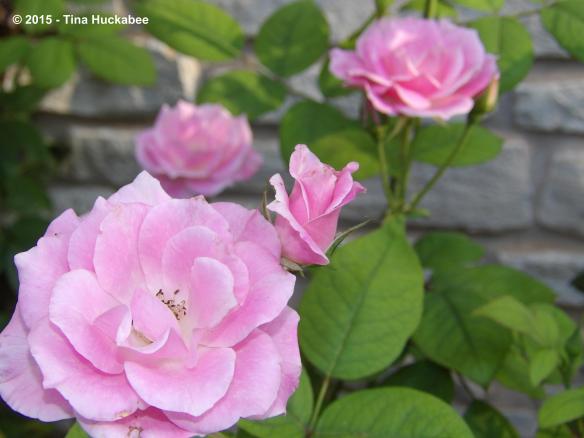
Subtler blooms open on the old Jackson and Perkins pretty-in-pink, Simplicity rose.
IMGP8544.new

There are two Simplicity shrubs remaining from the seven planted before I moved into this house in 1985.  Tough and beautiful roses, I thank the former owners for their choice.  While I’ve never observed native bees at either of these two rose plants, honeybees, butterflies, and moths are frequent visitors.

Continuing the pink parade are the blooms of the Red YuccaHesperaloe parviflora, flower stalkswhich are not red at all,

IMGP8564.new


… and Rock Rose, Pavonia lasiopetala,

IMGP8540.new

IMGP8547.new


… and WinecupCallirhoe involucrata,

IMGP8643.new


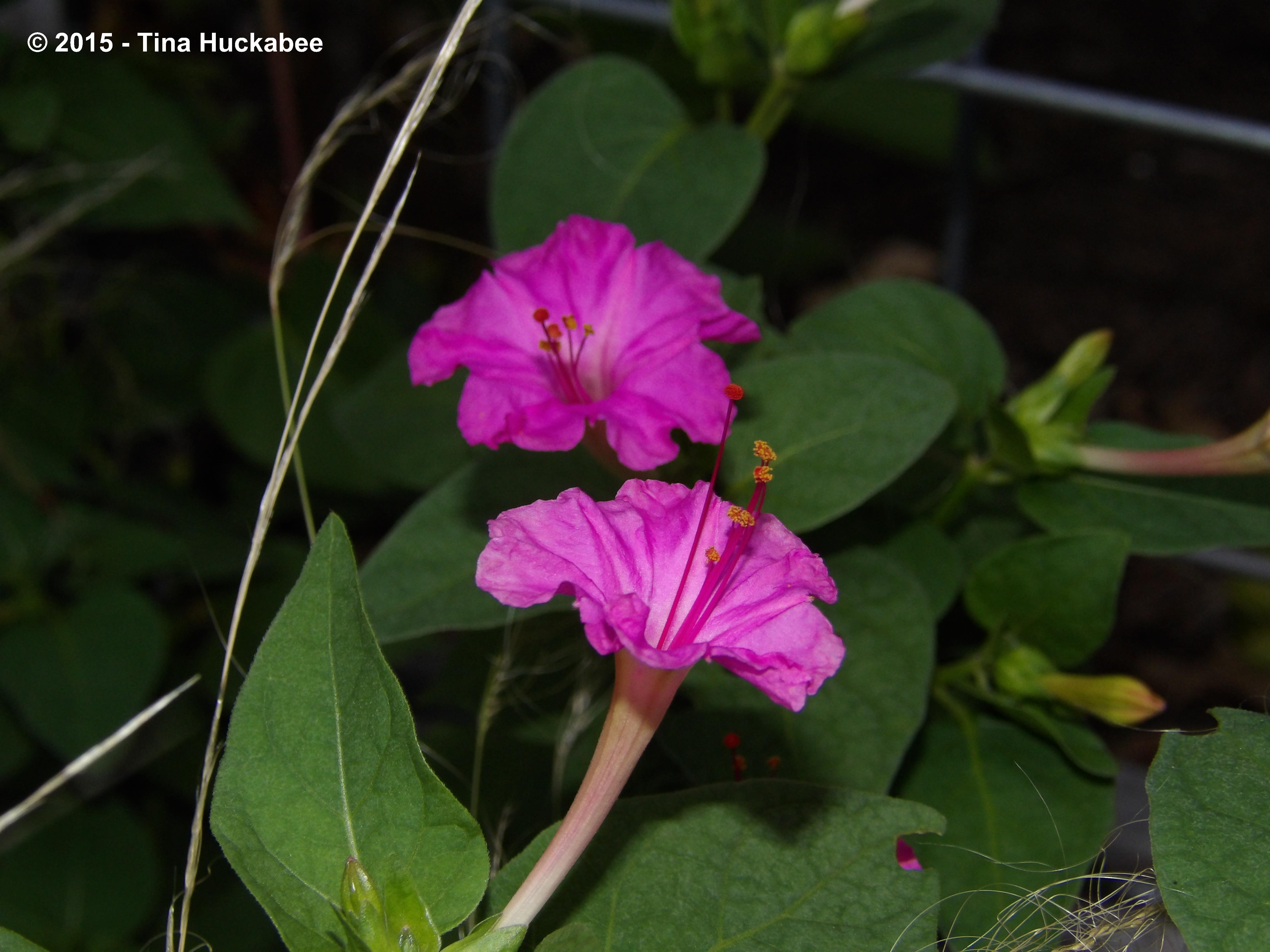
…and Four O’ClocksMirabilis jalapa,

IMGP8641.new


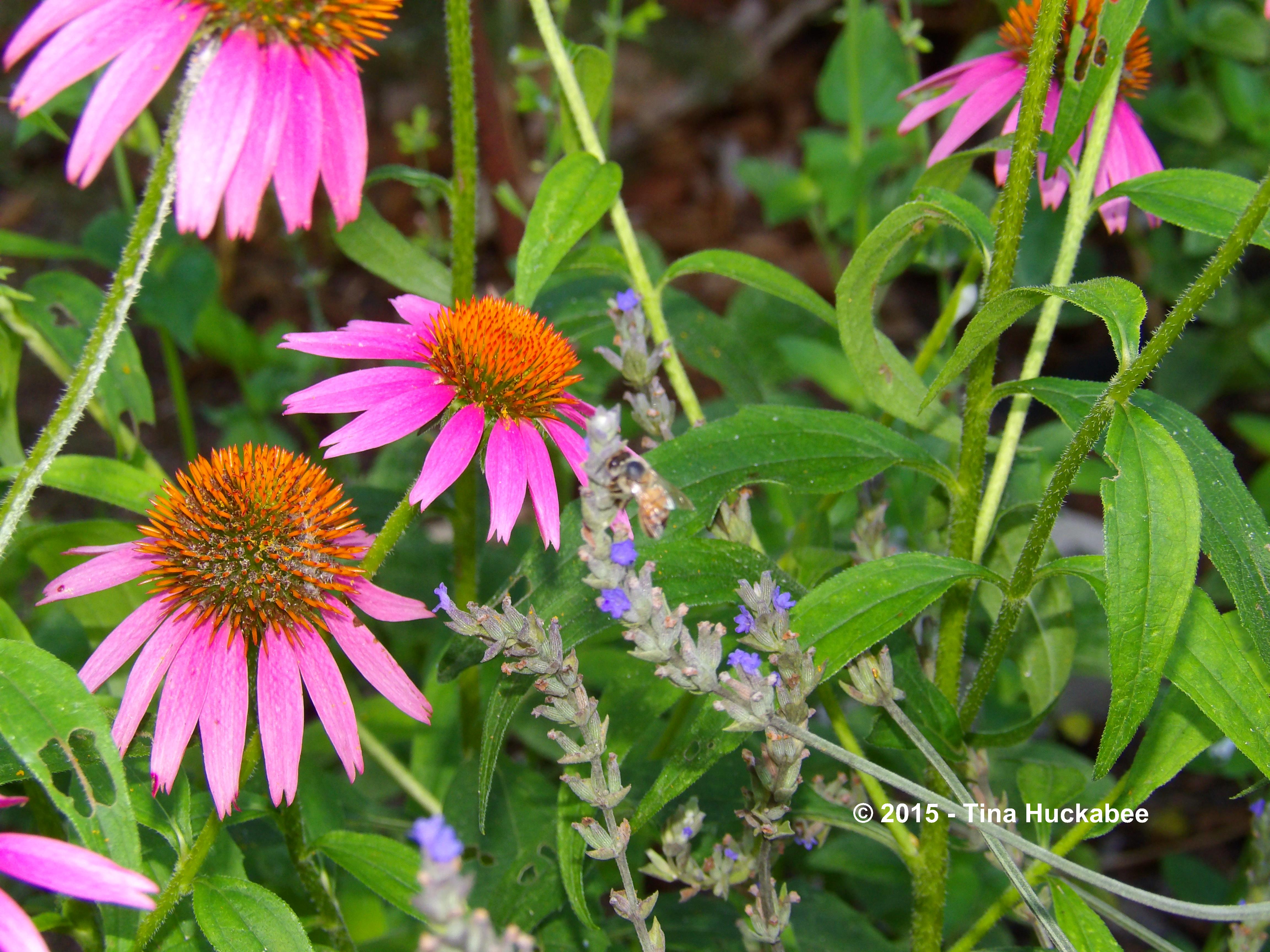
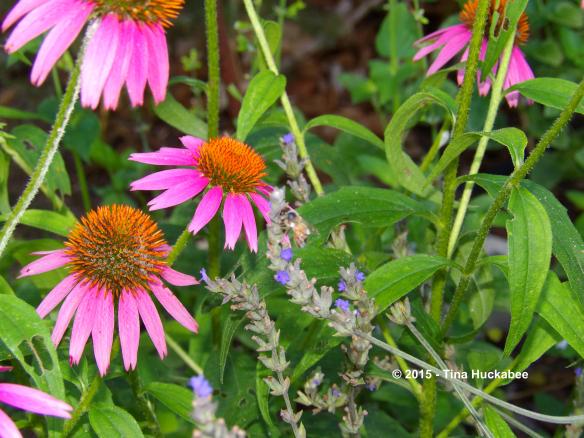
…and the pink-to-my eyes, Purple ConeflowerEchinacea purpurea.

IMGP8512.new

IMGP8537.new

Coneflowers are convivial and play nicely with everyone in the garden.  They are constantly friended by a variety of butterflies, like this skipper.

IMGP8633.new


…and make good garden buddies to many other plants, like lavender.
IMGP8560.new

I wish I could remember the name of the lavender variety.  It’s a wise gardener who keeps plant labels. Alas, I’m not always a wise gardener and sometimes lose my labels to  the jumble of my supply and equipment shelves–or to the compost pile. The lavender variety that grows in my garden accepts the twists-n-turns of Central Texas’ extremes of drought-n-flood.

Shaking up the pink and adding some orange crush to the garden is the unknown passalong variety of daylily blooms that are now unfurling their glory each morning.

IMGP8648.new

Welcome to summer!

What gorgeous flowers do you have in the garden this June?  Please share and then pop over to May Dreams Gardens for a look at blooms from around the world.  And if you don’t have flowers that attract a variety of pollinators, check out your local nursery and purchase some plants or seeds–herbicide and pesticide free–to give pollinators a place to thrive.
 

Bloom Day, April 2015

Welcome to the April edition of Garden Bloggers’ Bloom Day, hosted by Carol of May Dreams Gardens.  There are so many blooms in my April garden and so little time to profile all of the flowers, so I’ll focus on a few, mostly native Texas lovelies.

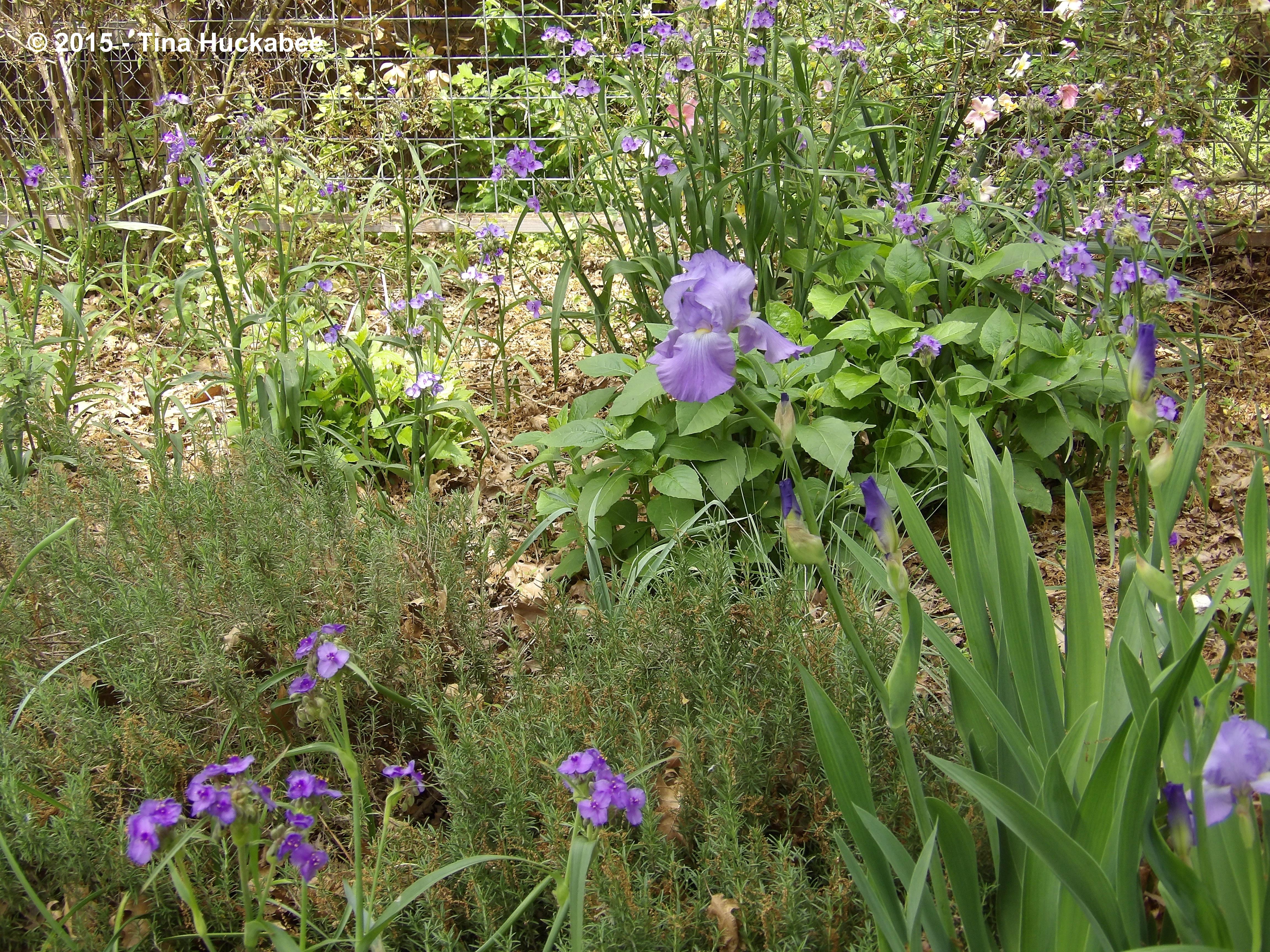
The purples have taken control of my gardens–holding the garden hostage with their beauty.  Included in the violet-hued blooming coup are several varieties of non-native Iris and native Texas perennial wildflowers.IMGP6881.new

IMGP6727_cropped_4276x3032..new

I have scads of Spiderwort, Tradescantia, sspclumps which have spread willy-nilly throughout my beds.  They vary in size, color, and petal form, but all are pretty in purple and pollinator-attracting.

IMGP6726_cropped_2802x3299..new

IMGP6791.new

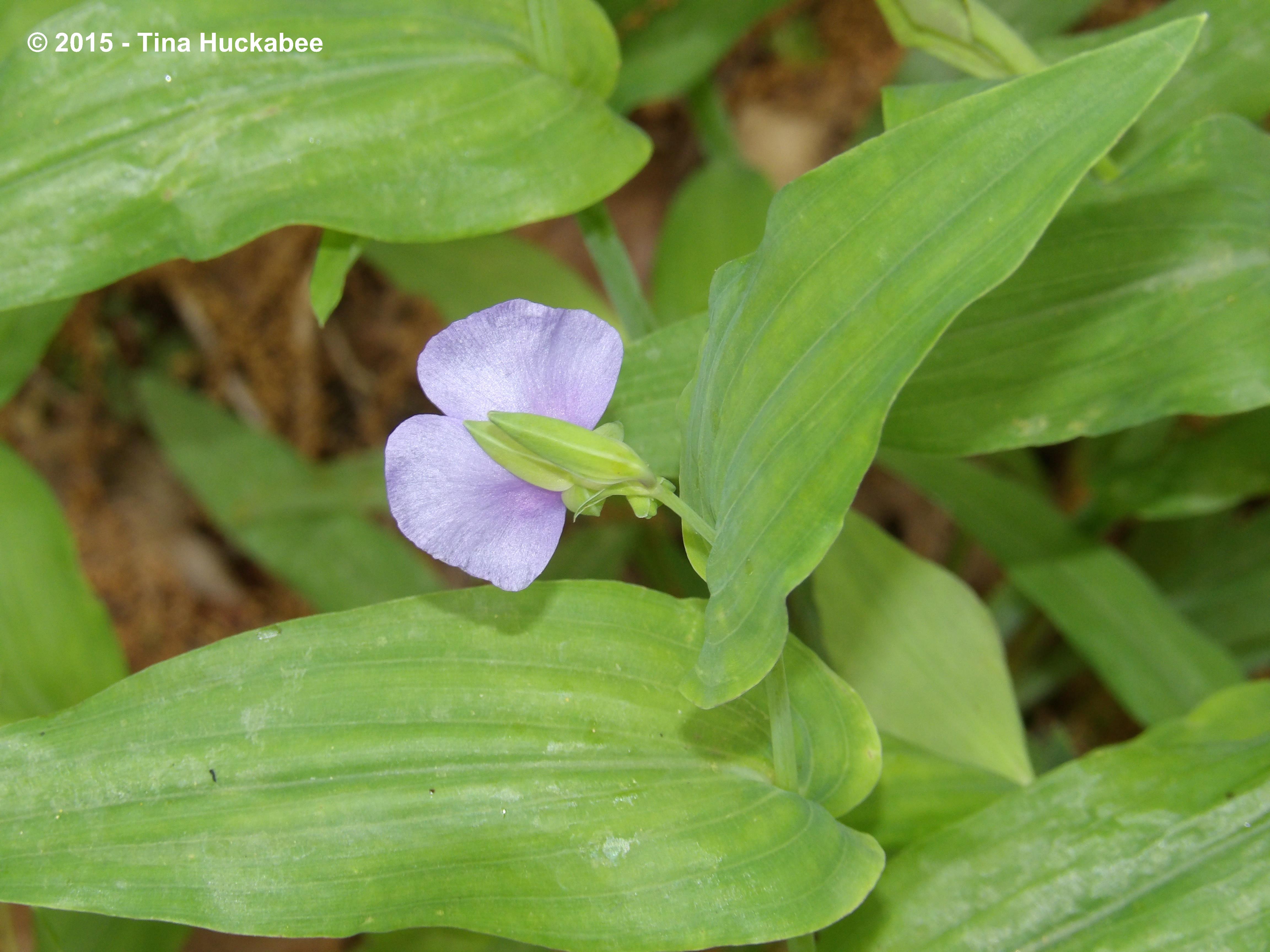
A relative of the Spiderwort, this dainty False Dayflower, Tinantia anomala, displays a delicate spring lilac.

IMGP6793.new It’s a nice companion to the Spiderwort and like its taller kin, was a surprise gift in my garden.

IMGP6794.new

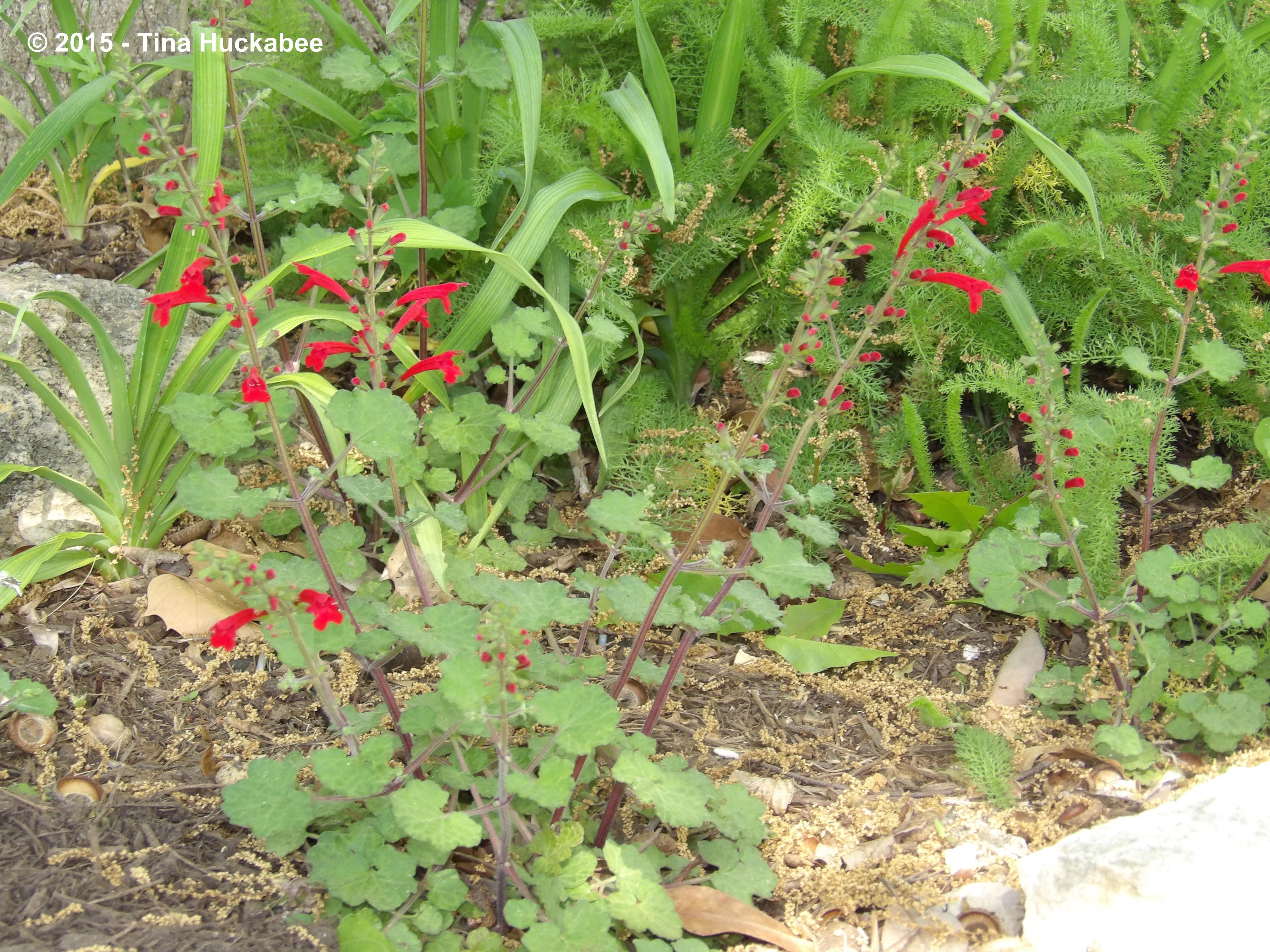
Cedar SageSalvia roemeriana, is a blast of red-hot gorgeousness in spring and is flowering a bit earlier than typical for this shade-loving perennial.

IMGP6822.new

IMGP7049.new

It’s certainly no shrinking salvia in the garden.

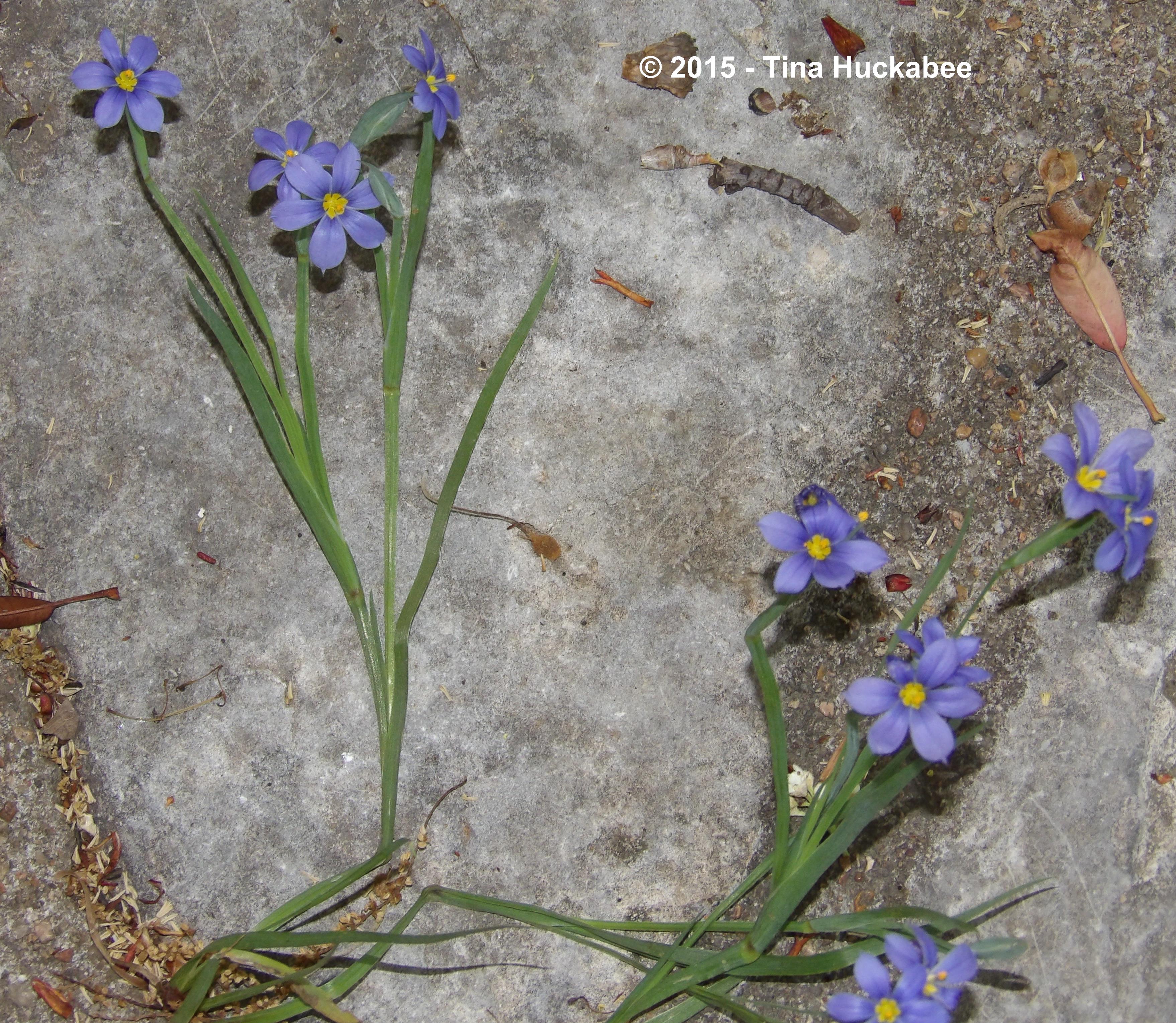
This darling Blue-eyed Grass, Sisyrinchium chilense, popped up in a crack in my patio and is blooming along just fine in its mortar mulch.

IMGP6830_cropped_3516x3060..new

I’m only guessing at this identification–I didn’t buy it in either seed or container plant form.  It’s definitely a blue-eyed beauty, though.

Native Texas Columbines are spring favorites.  The Yellow ColumbineAquilegia chrysantha var. hinckleyana, 

IMGP7047.new

IMGP6913.new

…and the smaller, less flamboyant Wild Red ColumbineA. canadensis,IMGP6589.new

…and the natural hybrids of the two that occur when both are planted together over the course of a few seasons.

IMGP6912.new IMGP7285.new

IMGP6815.new

I love ’em all!

Lyreleaf SageSalvia lyrata, is at the peak of its beautiful spring blue flower spikes.  Or is the color purple?  Or maybe more of a lavender?  Whatever it is, it’s welcome in my garden.

IMGP7021_cropped_3733x3170..new

Lyreleaf Sage is a good choice for a shade-tolerant ground cover and is attractive year-round.IMGP7233.new

Coral Honeysuckle vineLonicera sempervirens, is a blooming monstrosity!

IMGP6904.new

But no one can doubt the beauty and pollinator zing it adds to a gardenIMGP6749.new

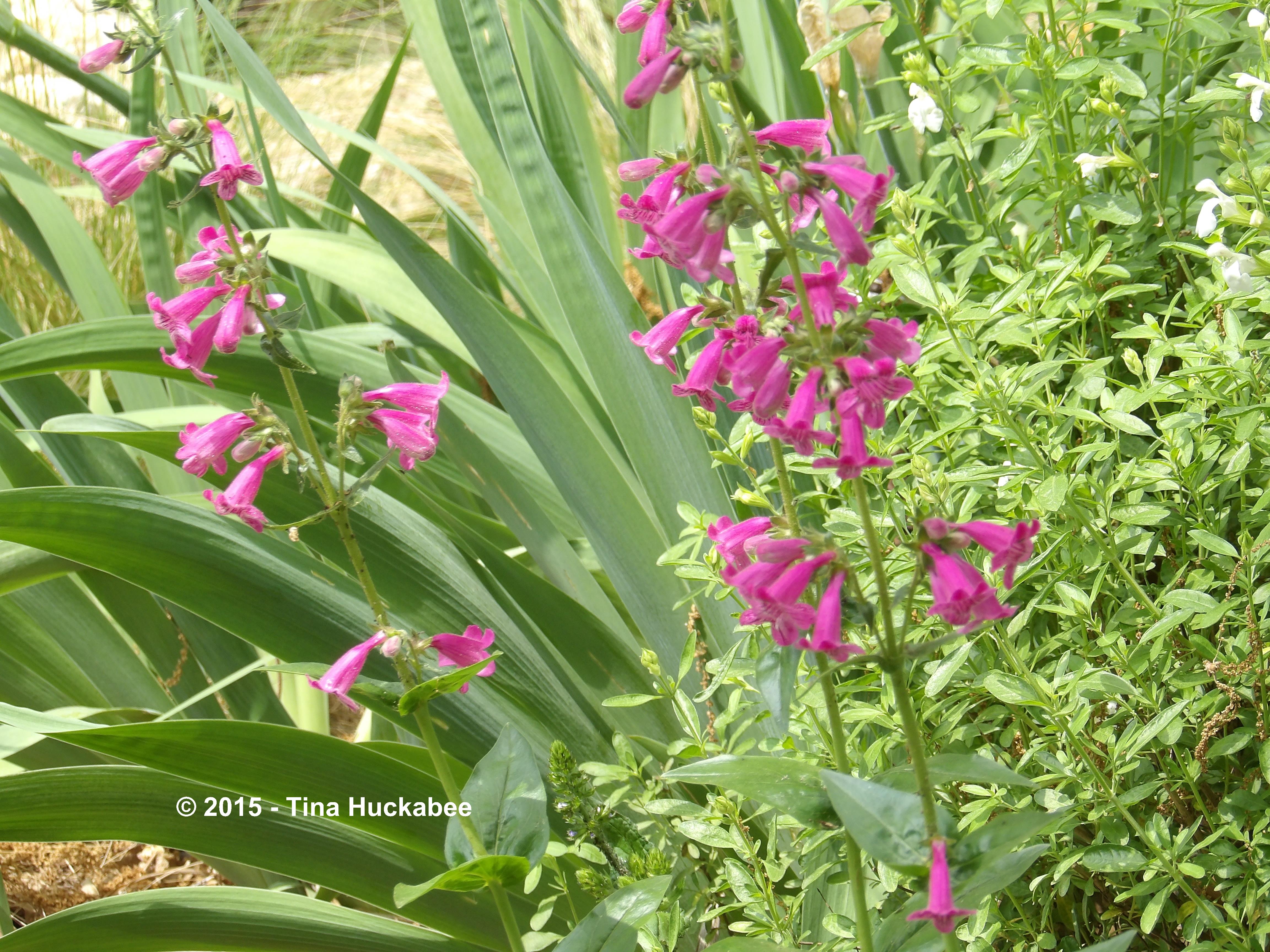
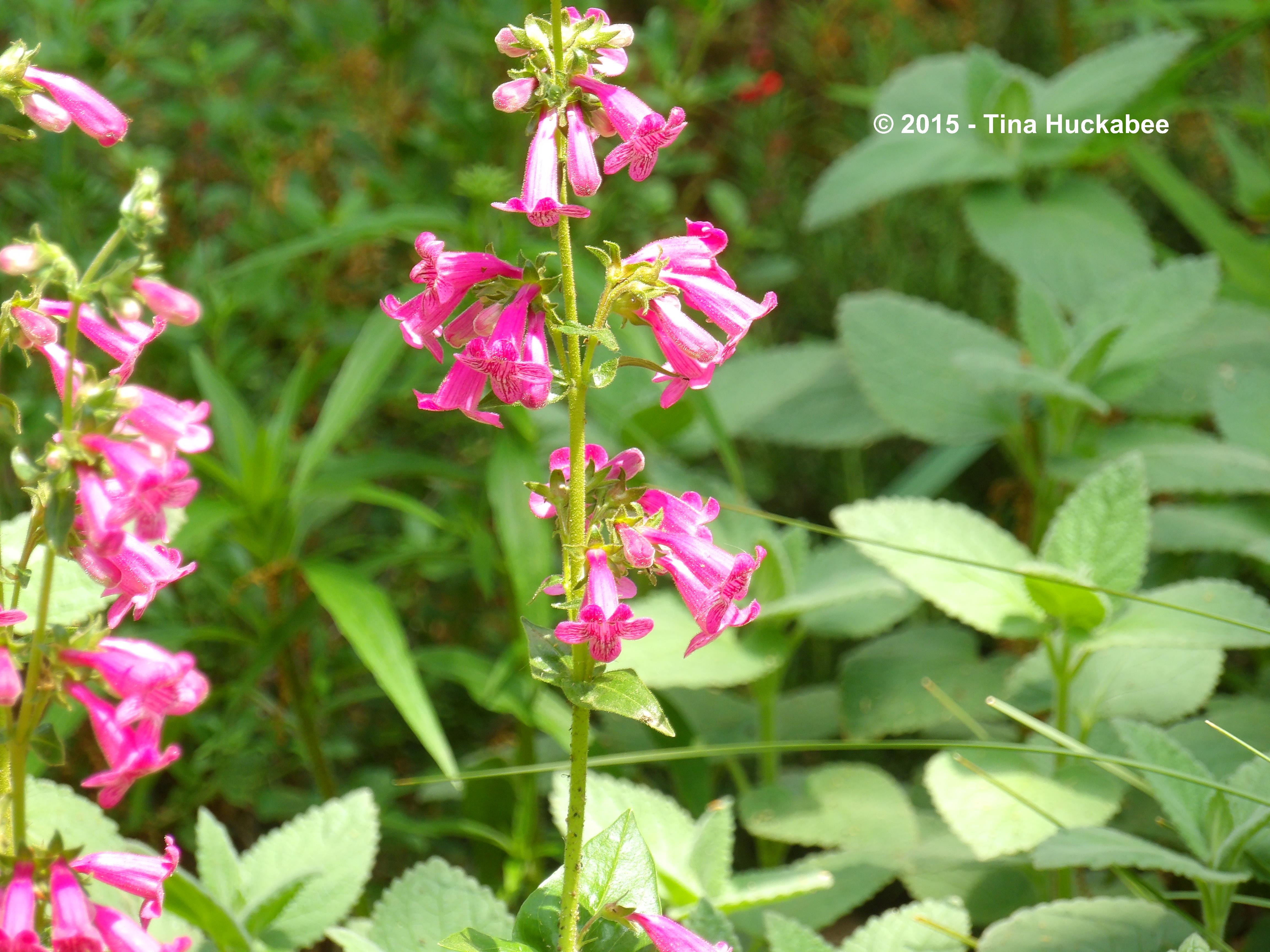
Hill Country PenstemonPenstemon triflorus, stands as s a fuchsia sentinel in my early and mid-spring garden.

IMGP6880.new IMGP6894.new


This one is perhaps a hybrid between the P. triflorus and P. cobaea.  The tag at the Lady Bird Johnson Wildflower Center was labeled P. triflorus, but  it’s never quite looked like my others.  It sports larger blooms and foliage in an overall taller plant, plus the coloring is variegated.

IMGP6837.new IMGP7011.new

Nonetheless, like my other Hill Country Penstemon plants, I appreciate its good looks, long flowering time, and purpose as an excellent pollinator plant.

IMGP7009.new

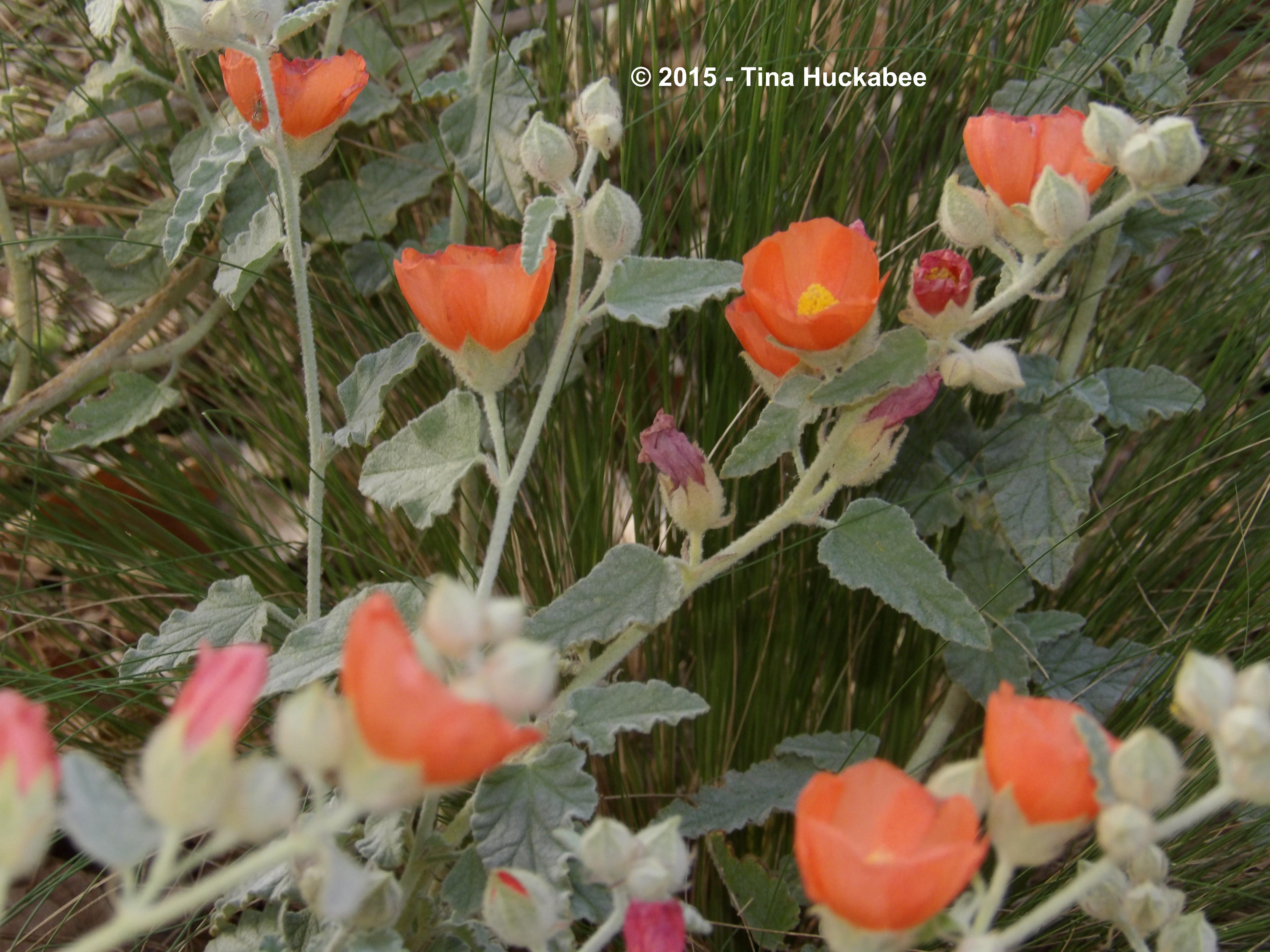
Not native to Central Texas but instead, to West Texas and New Mexico is the Globe Mallow,  Sphaeralcea ambigua.  

IMGP7088.new Hot, dry, and sunny makes this mallow happy and I’m glad I have ONE spot that it’s happy in.  Doesn’t it look happy to you?

IMGP7087.new Happy April GBBD–check out other gorgeous April bloom happenings at May Dreams Gardens.