Native Texas Plant Week and Foliage Follow-Up–October 2012

Joining Pam at Digging for Foliage Follow-Up and celebrating Native Texas Plant Week, I’ll focus on some of the lovely Texas plants currently wowing with interesting foliage in my garden.

Or, as in the case of the Big Muhly (Muhlenbergia lindheimeri), showing off its slender foliage and its magnificent inflorescence.  Fall has arrived with the plumes of native grasses entering their full glory.  Sigh.  So beautiful.

This Silver Ponyfoot (Dichondra argentea) augments the brighter green and blooming perennials around it.

Its creeping habit is graceful as it spills over edges and rocks.

Most people in Texas would consider this plant, Horseherb (Calyptocarpus vialis),
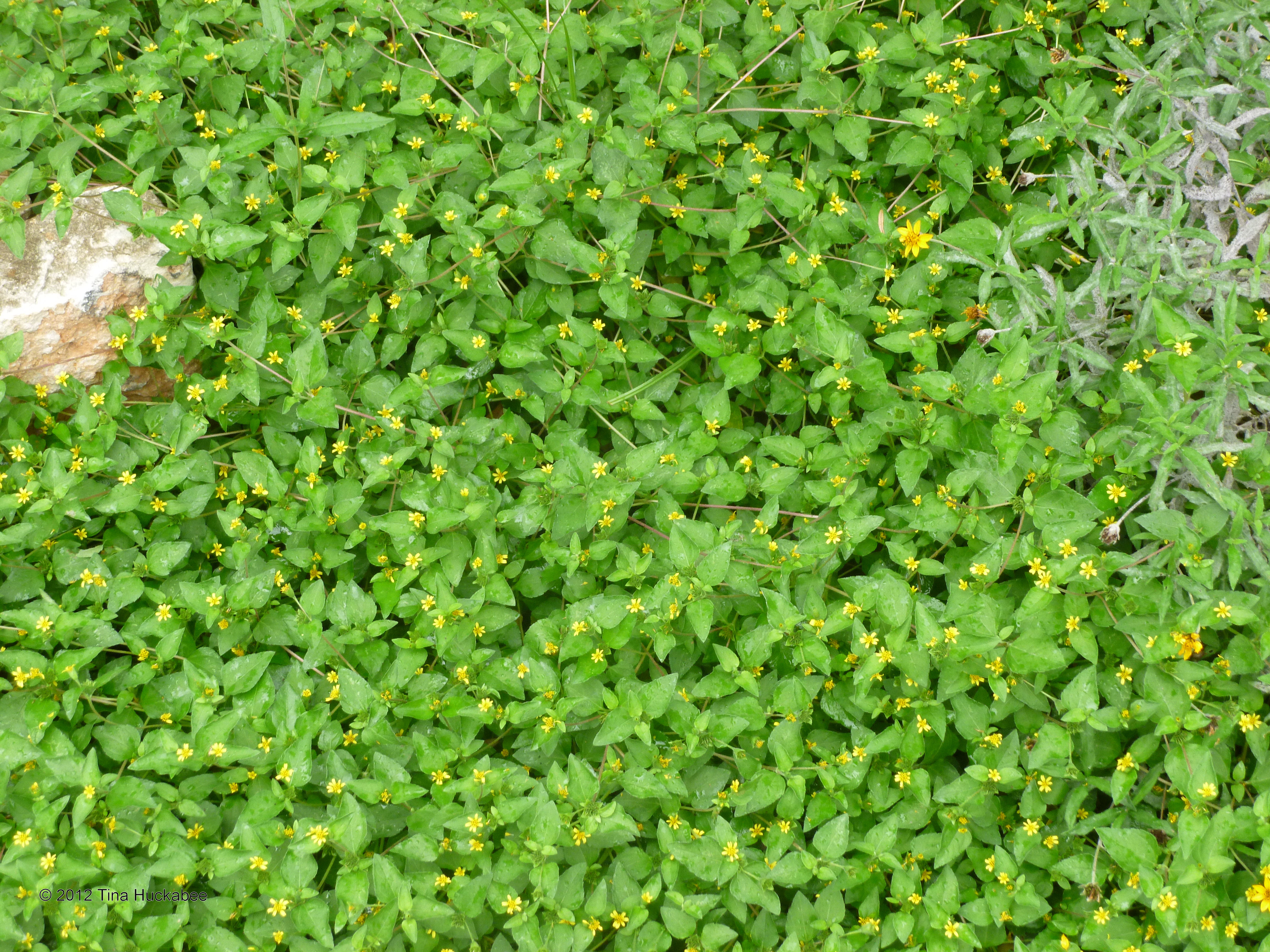
an obnoxious weed.  I’ve found many of these hardy, drought tolerant plants insinuating themselves in cracks between stepping-stones or at the base of raised beds.  I had so many individual mats that I decided to plant as many as possible in a sitting area that was once grass, but has been a mulched area for about ten years.

I planted the left side after some heavy rains last May and the right side, after rains  during the summer. The Horseherb has filled in remarkably well.  Scarily so. I hope I don’t regret have this tough plant so close to a more formal garden.  I’ll need to keep it tidy with a line trimmer, but the area is almost completely shaded, so it won’t need extra water and Horseherb can handle moderate foot traffic.

Inland Sea Oats (Chasmanthium latifolium) is sporting its tawny seeds for fall.

Although the pretty yellow blooms of the Lindheimer’s Senna (Senna lindheimeriana) are all but gone and the seeds are ripening for the birds, I still love the beautiful soft grey-green foliage of this native perennial.

Lindheimer’s Senna is especially nice paired with the bright green, more tropical looking leaves of the ‘Esparanza’ Yellow Bells (Tacoma stans).

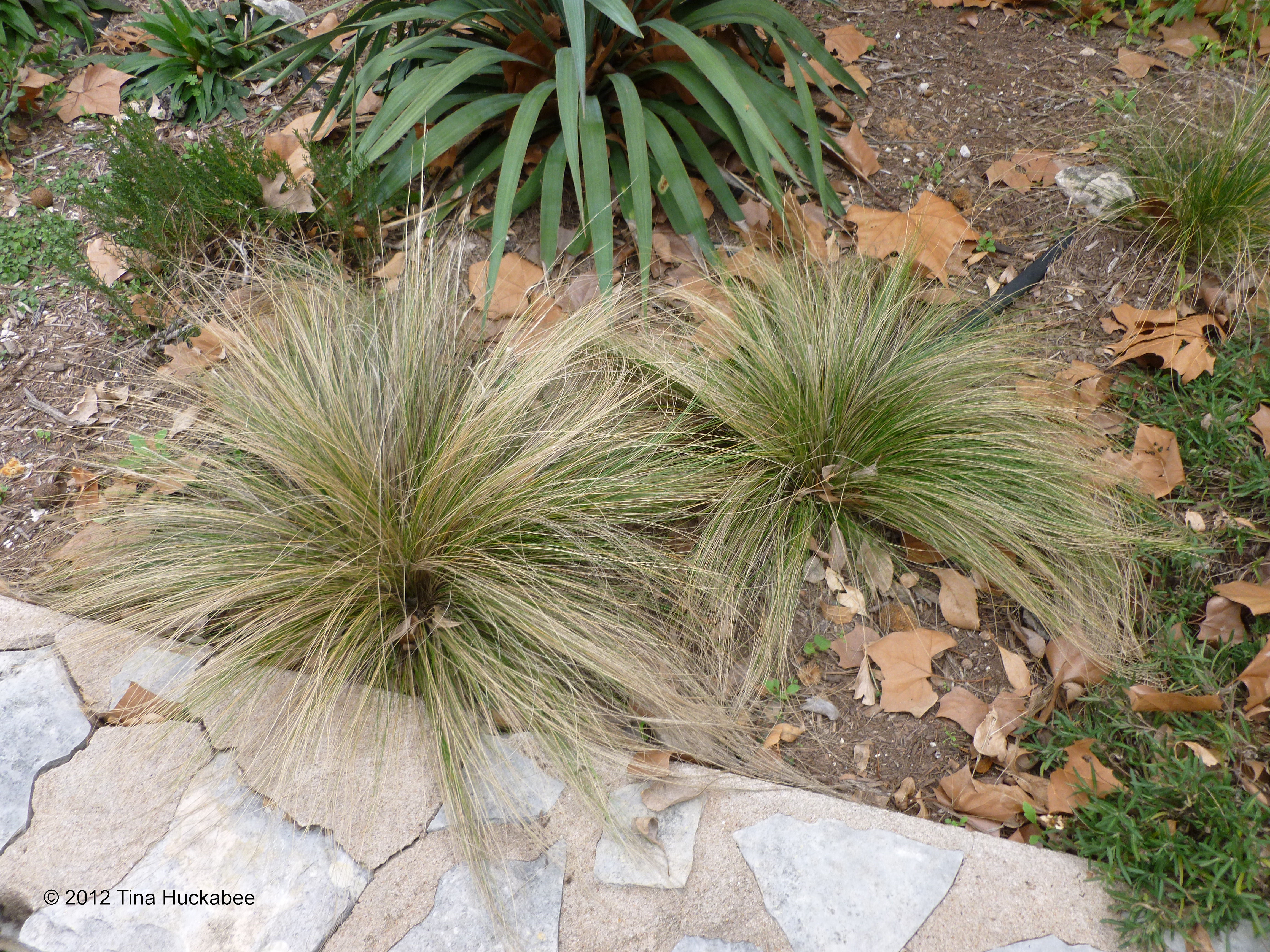
The always elegant Mexican Feathergrass  (Nasella tenuissima), softens gardens with its thread-like shimmery green to golden brown leaves.

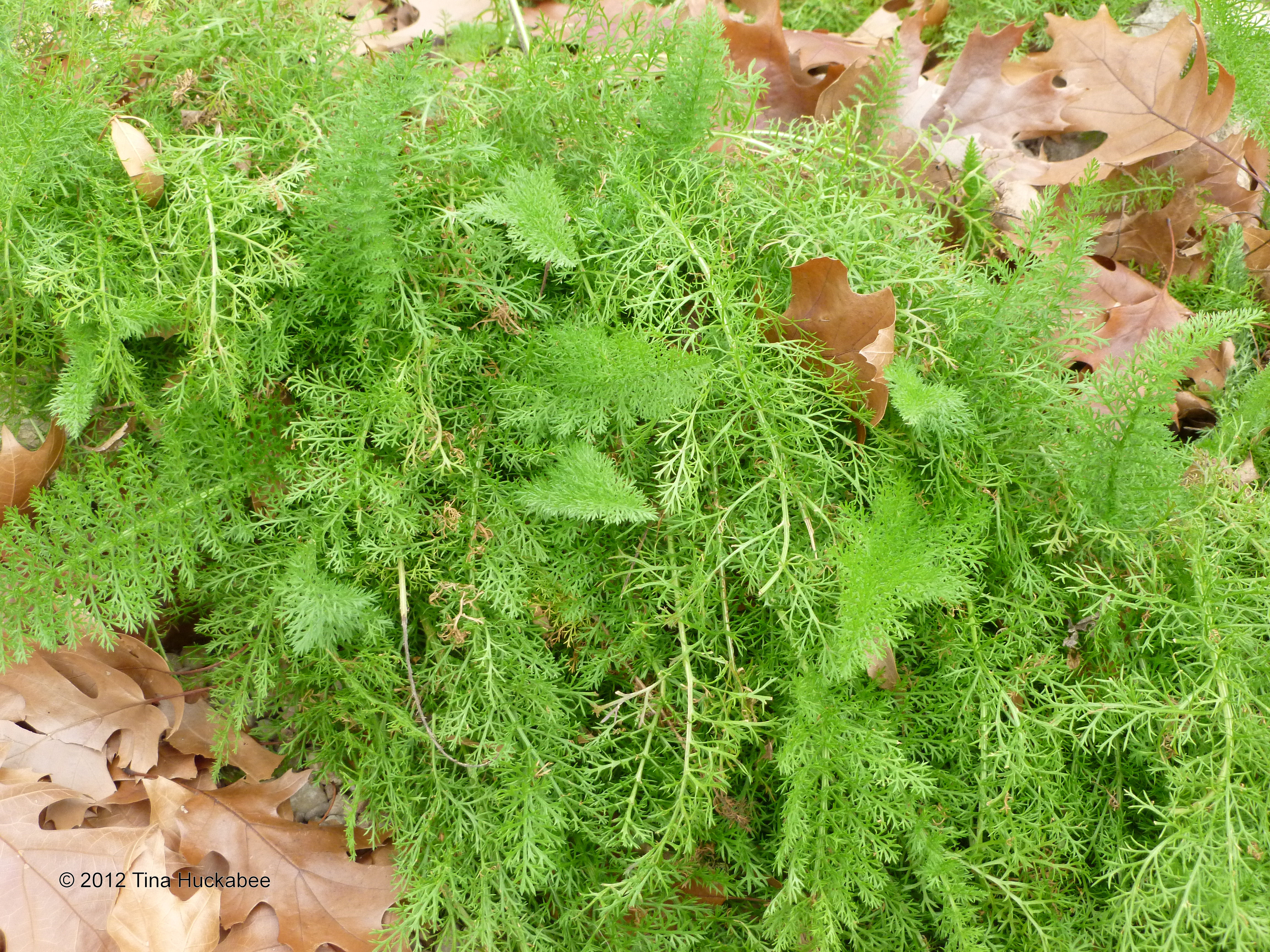
Years ago, someone shared their White Yarrow (Achillea millefolium) with me.  Yarrow is a favorite of mine because of its beauty and durability.  Best in shade, it grows well in even the driest of summers; its blooms are long-lasting.  By this time of year, I’ve pruned the flower stalks, but the leaves remain lush.

This Retama is about seven years old.  It’s grown tall and has yellow flowers all summer.  The bloom cycle is toward its end, but the delicate, feathery leaves are fetching.

Be STILL my beating heart!  I love Gulf Muhly (Muhlenbergia capillaris).

I love it!  Although my little Muhly is no rival for some of the beauties of this species that I see around Austin, I’m still thrilled that I have some plumage.  Someday, little Muhly, someday!

Glory in both blooms and foliage! And if you live in Texas, happy Native Plants Week!  Wherever you live, try native plants for your garden. For more information about North American native plants, check out the Lady Bird Johnson Wildflower Center site.

Foliage Follow-Up–February 2012–Good Nandinas

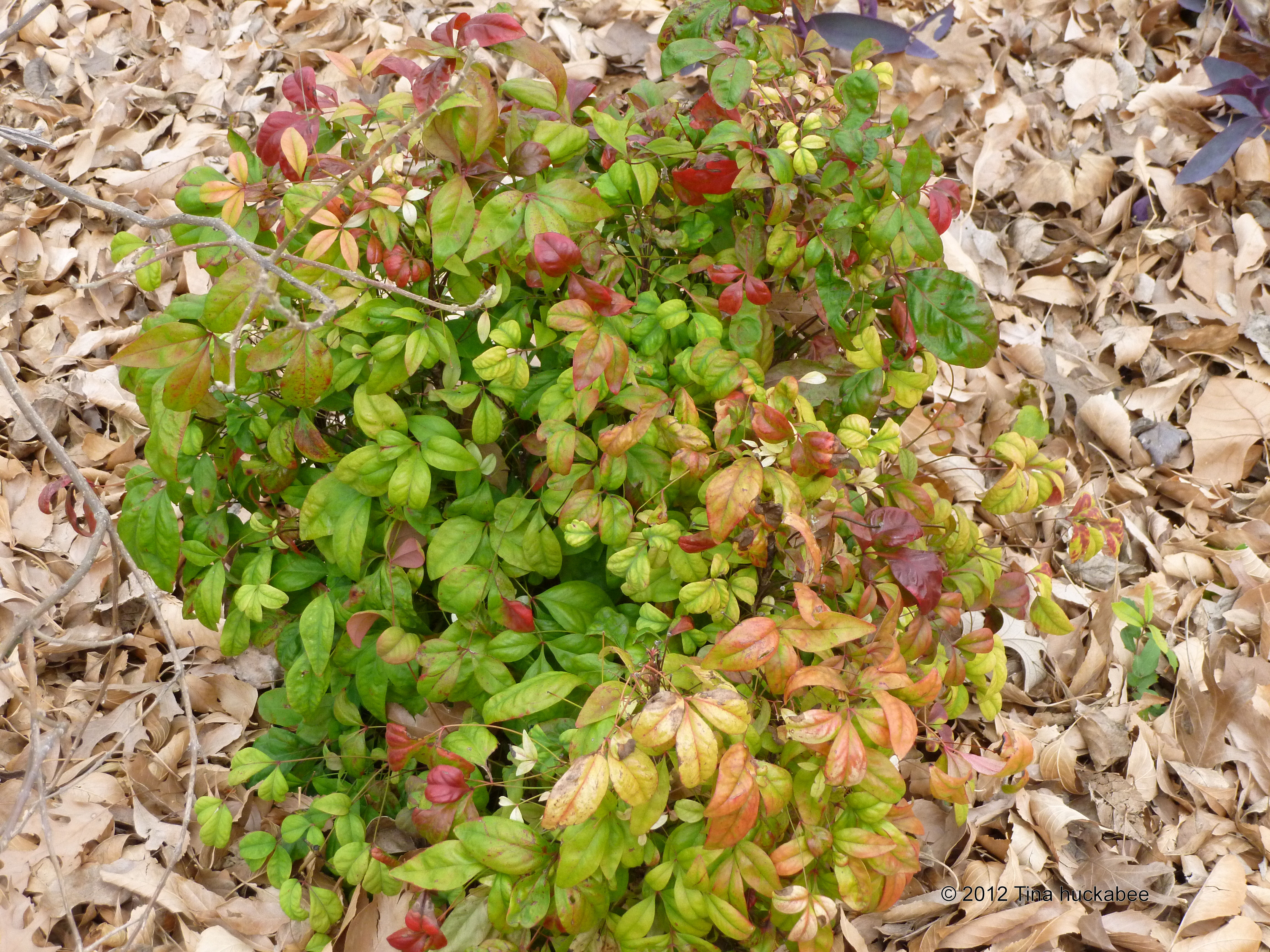
One of my favorite plants for nice winter foliage here in mild Austin, Texas is the Nandina domestica (Atropurpurea ‘Nana’).  Nandinas are not native to North America, but are originally from Asia.  The Nana variety is a dwarf (it gets about two feet tall) which doesn’t produce berries, but is grown for its dwarf habit, hardiness in the home/commercial landscape and its foliage.  Because the Nana doesn’t develop berries, it’s not considered an invasive plant in Central Texas, unlike its brethren with berries.

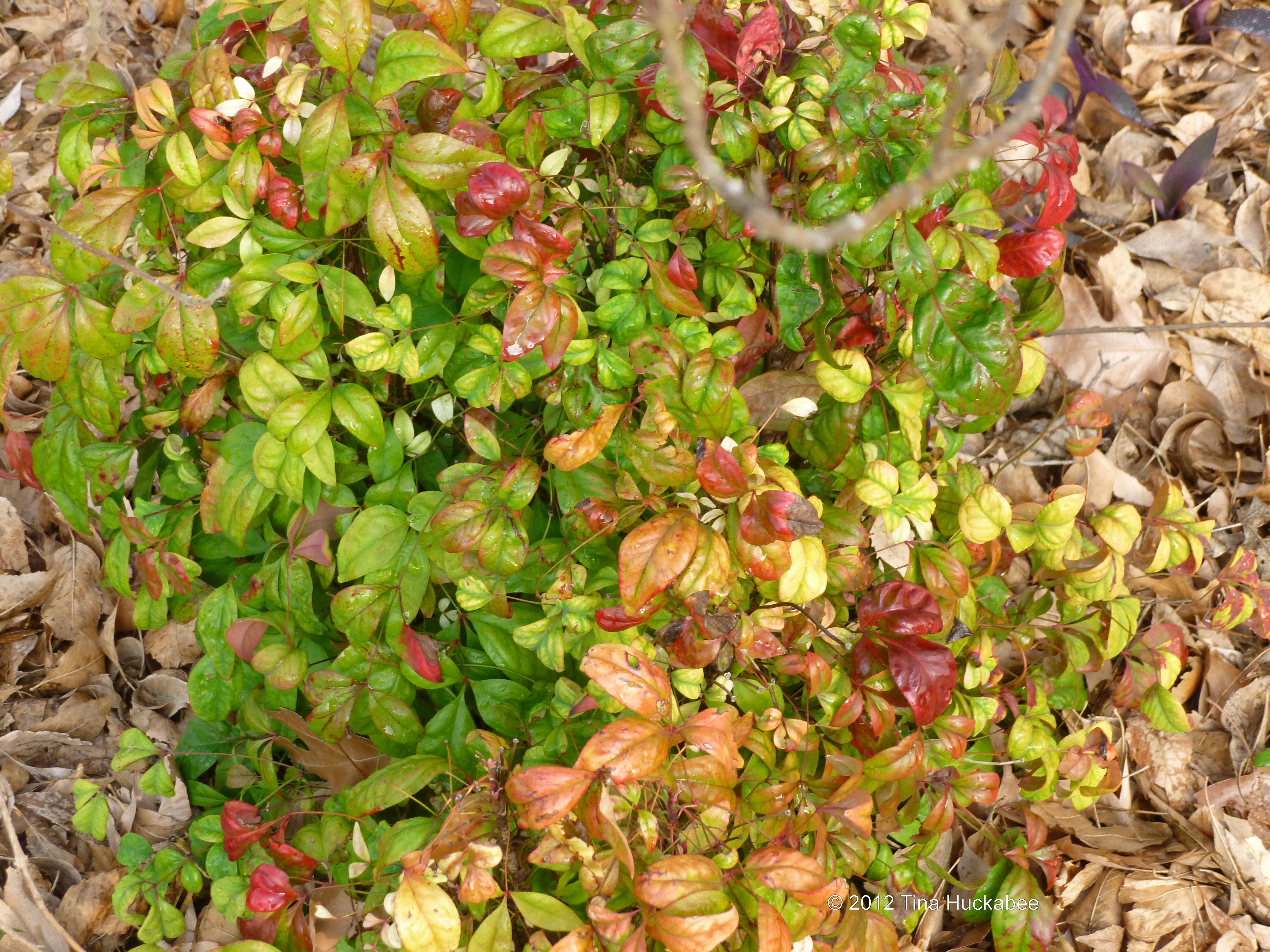
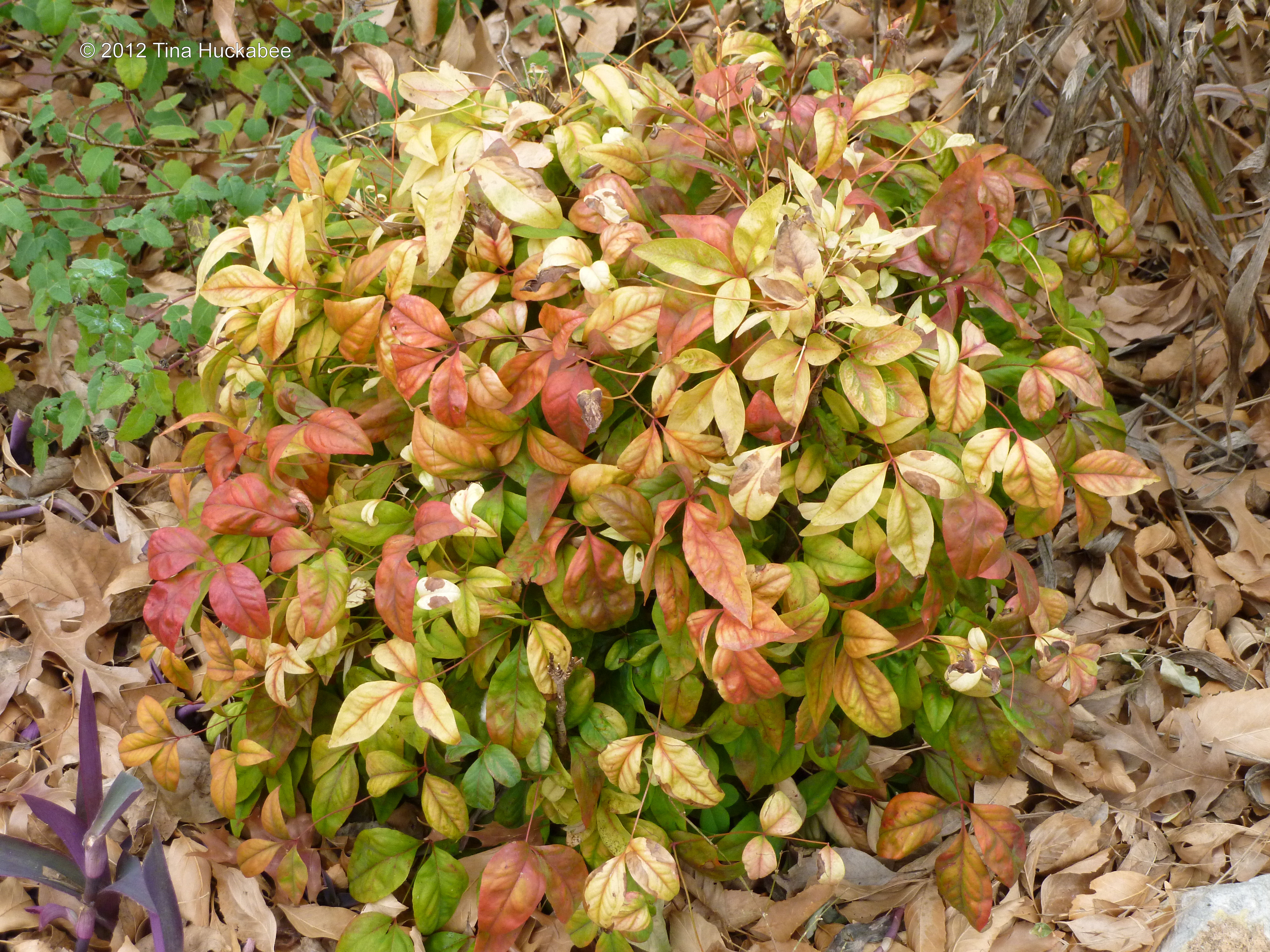
Nana Nandinas can be quite striking in the winter.  During the fall and winter, the Nana’s leaves turn colors ranging from green to yellow to rust to deep red and burgundy.  There’s even a little orang-y/coral-ly thing going on sometimes!

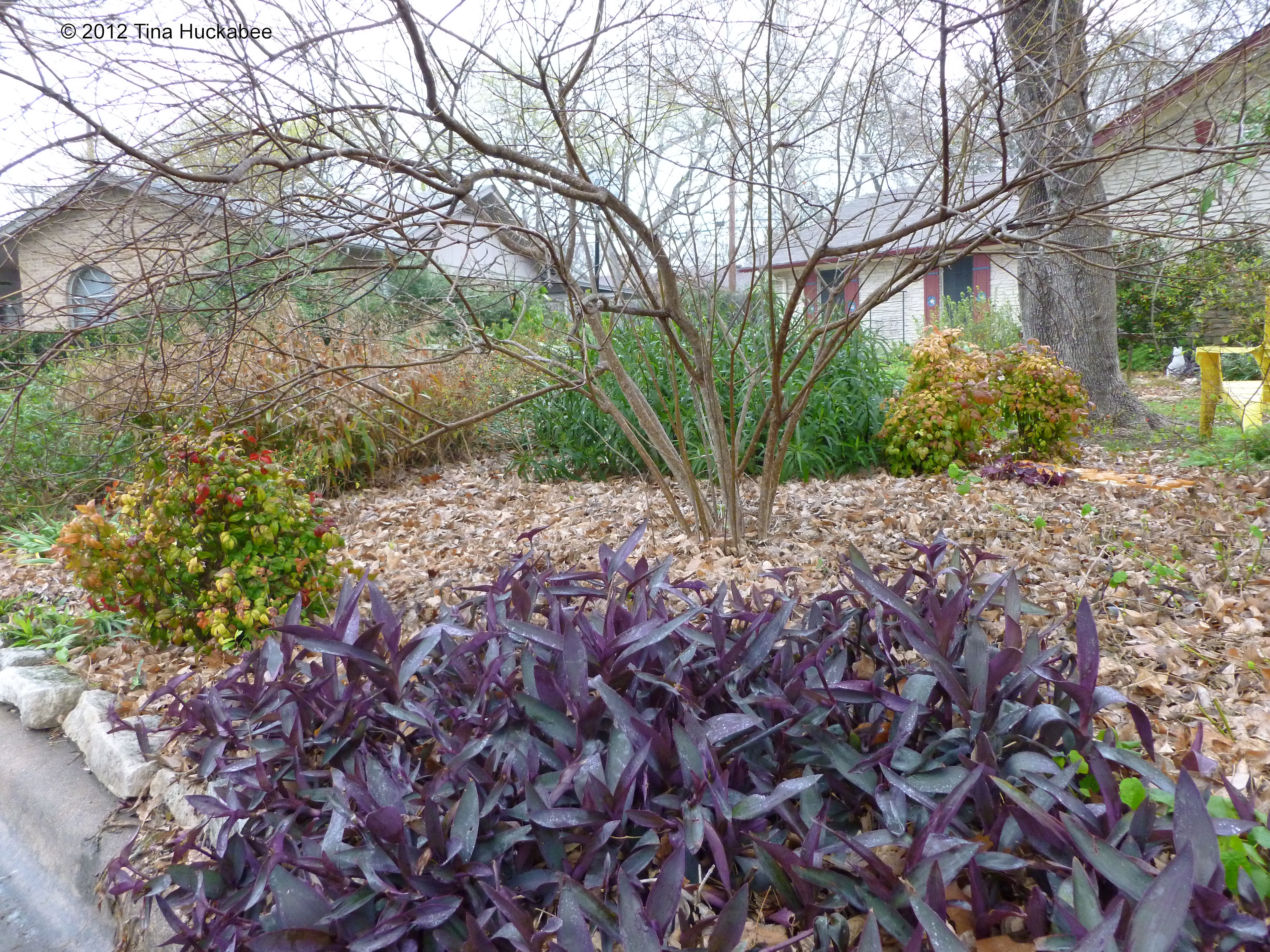
All of the Nanas in my personal gardens are in shade for most of the year, receiving full sun only once the deciduous trees have dropped their leaves. Unfortunately, my plants don’t turn the striking red coloration that shrubs in full sun do.  This Nana belongs to some nice neighbors and is absolutely stunning, I think.

My Nanas have bits of red here and there, but tend to be less dramatic in their coloring, though still attractive and they provide good contrast to evergreens during the winter months.

The Nana Nandina is a hardy plant which doesn’t require that much effort.  This Nana  is at the edge of a street/sidewalk and brightens this spot beautifully.

In my gardens, I water sparingly and they perform well in our hot summers. During the growing season, the Nana Nandina is nondescript looking, so I like to plant them alongside showy perennials like Turk’s Cap.  This is what one Nana looked like in October planted with a Turk’s Cap,

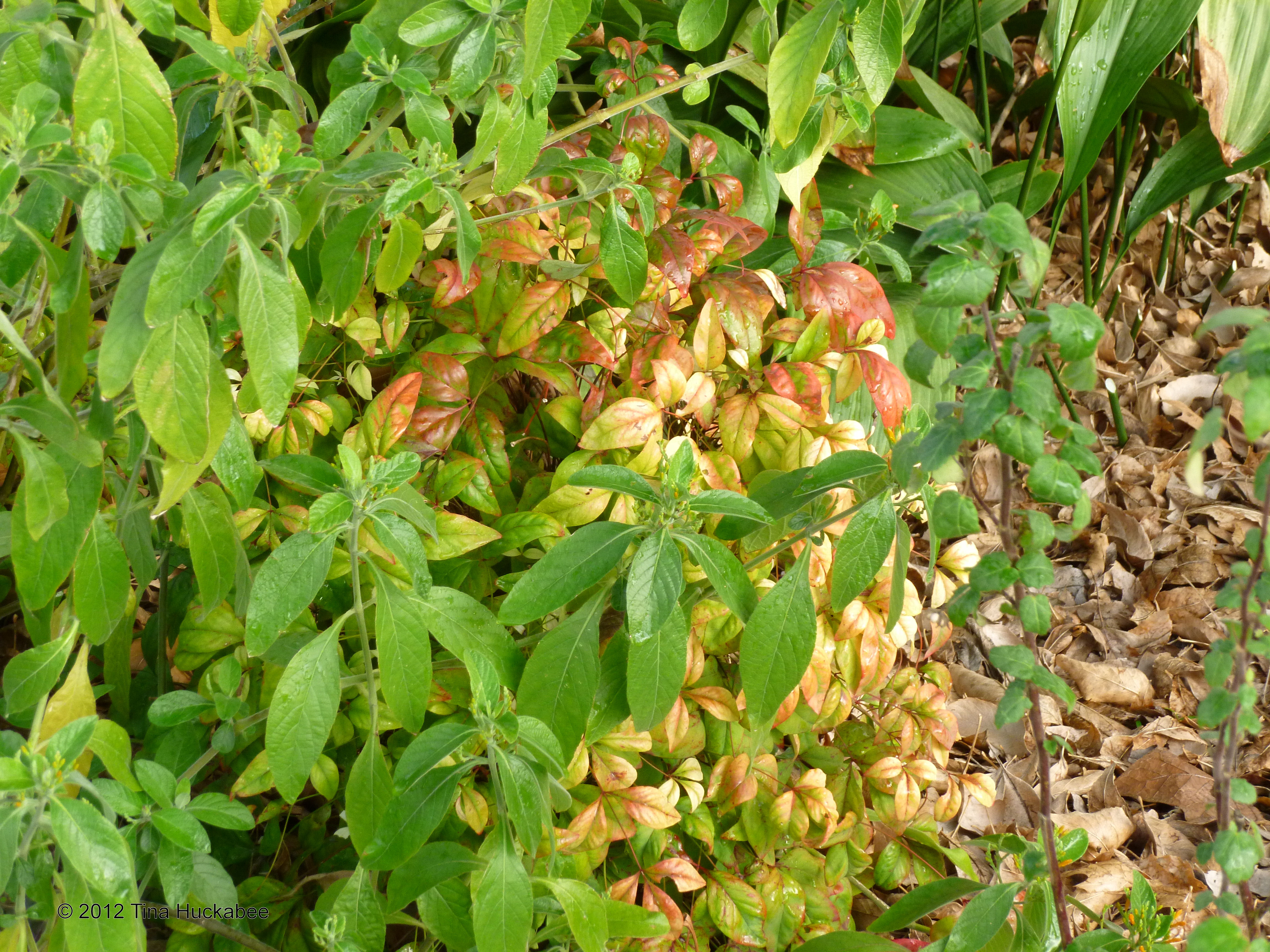
and here it is now.

I haven’t cut this Mexican Honeysuckle (Justicia spicigera) back yet, so the Nana is peeking out from under and behind its overgrowth.  But had the Mexican Honeysuckle succumbed to a hard freeze, the Nana would be colorful and provide structure in this spot.

I recommend the Nana Nandina as a great plant for the home gardener because of its hardiness, form and especially its gorgeous winter foliage.  It’s also non-invasive and that’s always a consideration for the gardener to make.

For more information about invasive plants in Texas and the Austin area, check out  Texas Invasives.org.  This site has a great deal of information about problems that invasive plants cause and solutions to those problems.  It also has links to other sites for lists of plants which are not appropriate for our area and for alternatives that gardeners should use instead.

Thanks to Pam at Digging for hosting Foliage Follow-Up this February 2012.

Foliage Follow-Up–January 2012–A Bit of This, A Bit of That

Typically in January, there are few blooms to grace the garden (even in sunny Texas).  There are interesting and beautiful examples of foliage though, more noticeable and appreciated during this less bloom-centered time of year.  Pam of Digging hosts Foliage Follow-Up and I’m happy to play along this month!

I love the ‘Nana’ Nandina in winter.  It doesn’t produce berries, so it’s considered an “okay,” non-invasive plant for Central Texas.  The more sun it receives, the richer the performance of red, burgundy and plum.


The leaves of the Columbine (Aquilegia, sp.) are at their loveliest in the winter. The bright green leaves can be covered with ice one day, emerging fresh and untainted after the ice melts. Columbine are always a touch of verdant spring in the winter.

The wispy, silver Mexican Feather Grass (Nassella tenuissima) accompanies the Soft Leaf Yucca (Yucca recurvifolia) beautifully.

Another harbinger of lush spring and summer is the pass along Yarrow (Achillea millefolium).  The Latin name evokes the shape of the leaves.

The Pigeonberry (Rivina humilis) is all but gone in my gardens, except for this one.  It developed the burgundy leaf color after the light freezes and still sports berries.  Where are those pigeons and doves?

Another pass along plant,Oxalis, is a plant that I always forget about during our long summers.  It’s dormant during the warm season, emerging in fall with the cool and the rain.

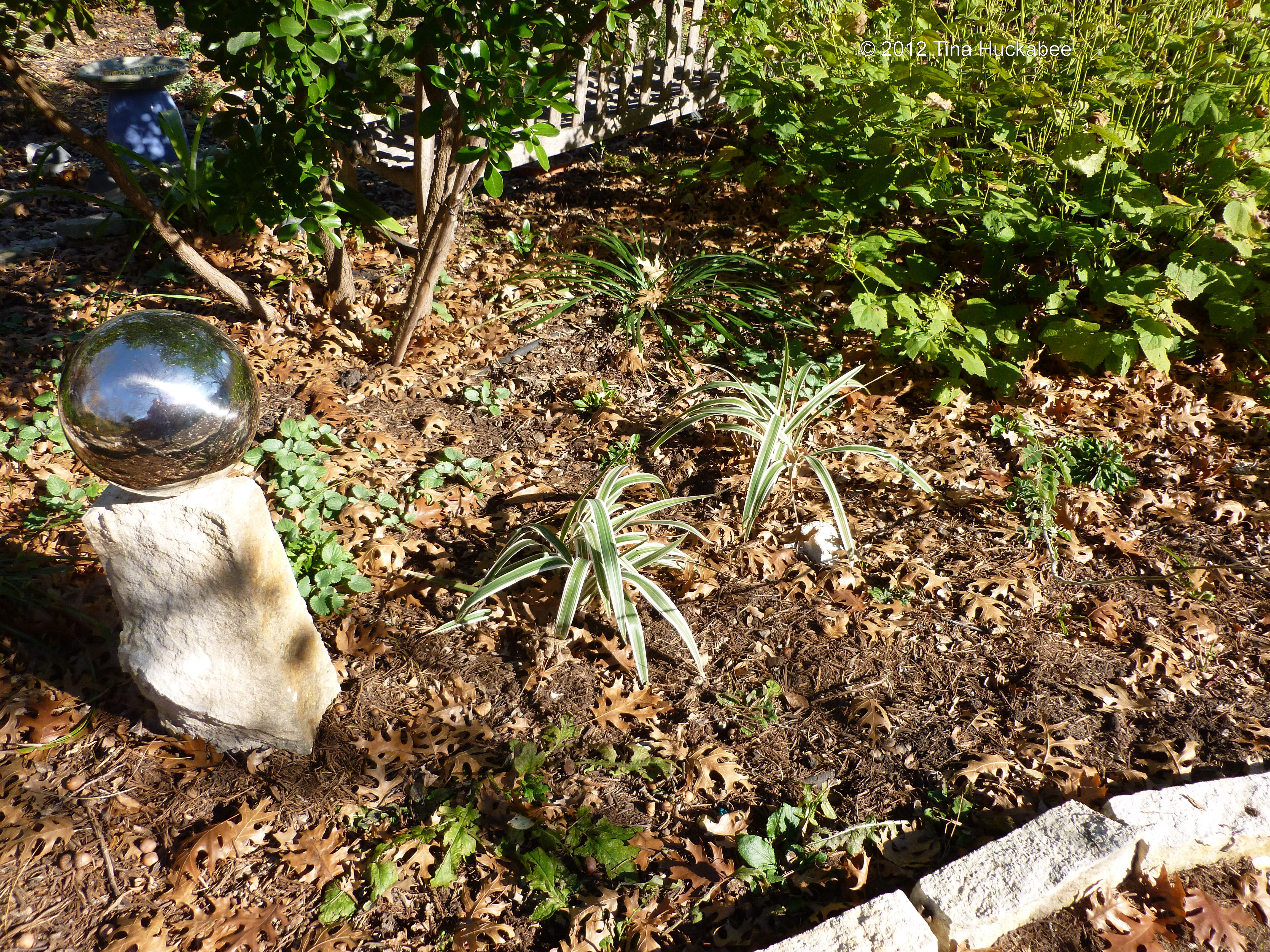
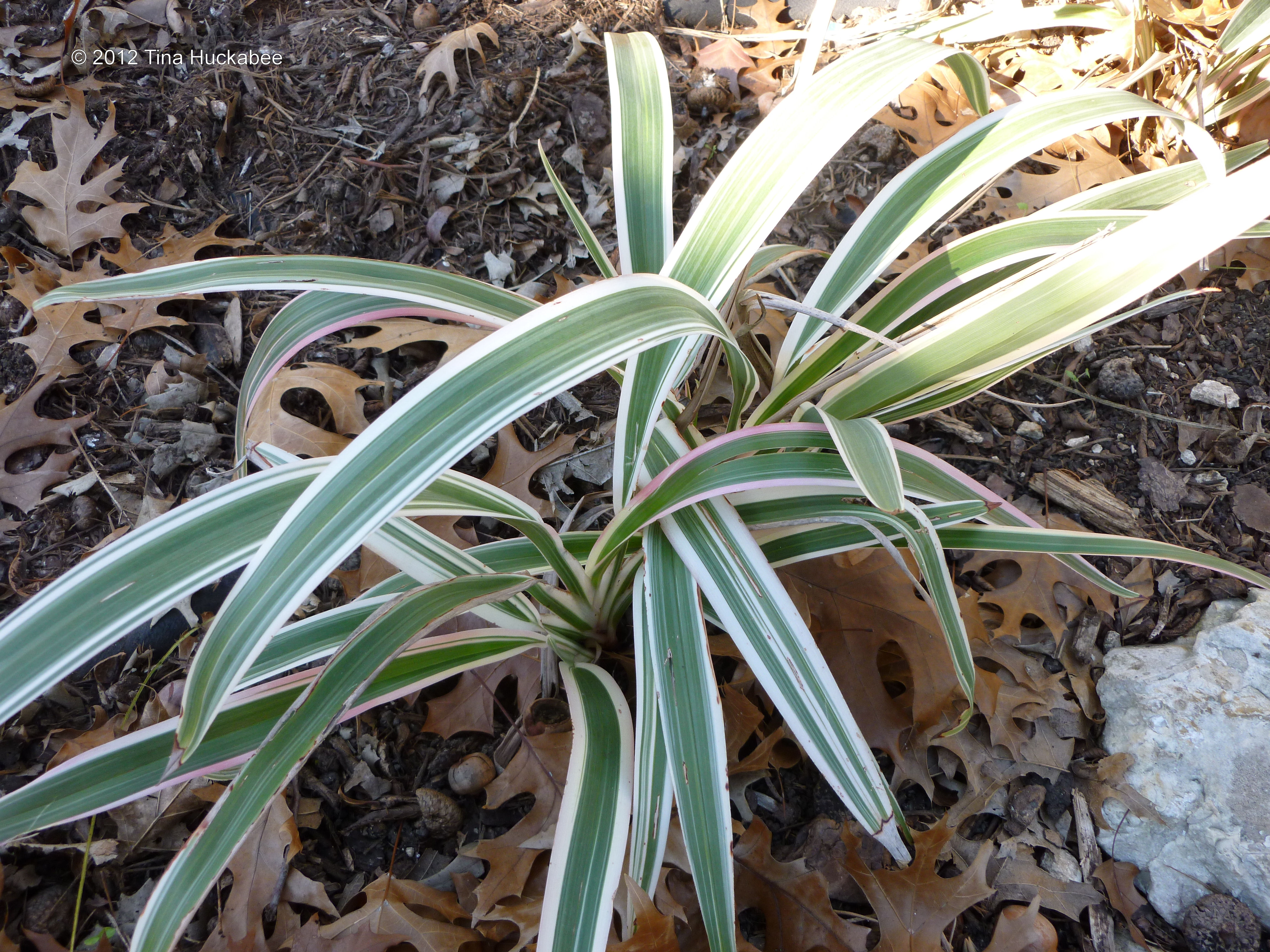
The Variegated Flax Lily (Dianella tasmanica ‘Variegata’) will brighten my gardens with its variegated leaves until there is a very hard freeze.

It’s showcasing a little bit of pink in some formerly white stripes and I assume that occurred after  the light freezes we’ve had.

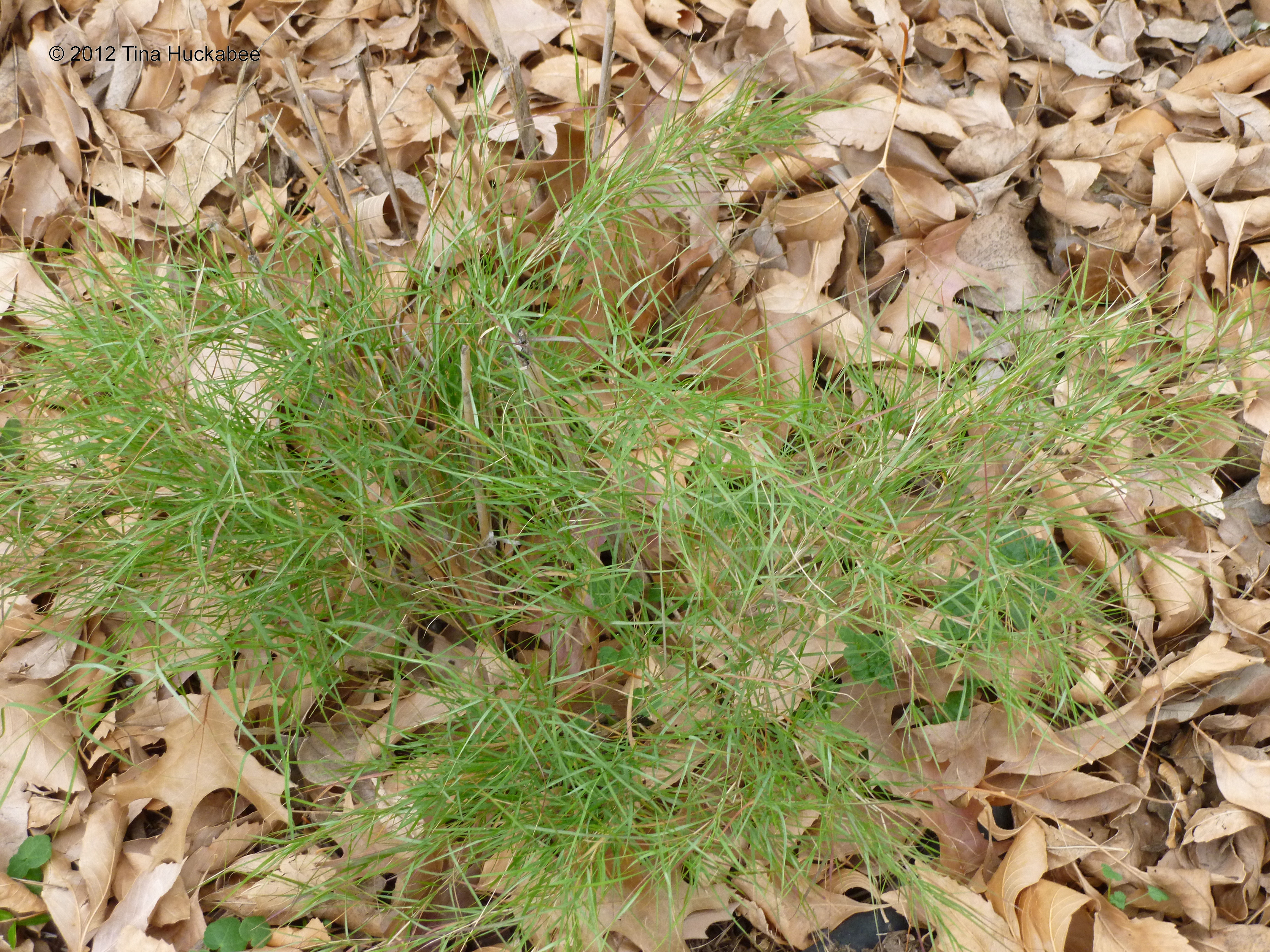
Bamboo Muhly (Muhlenbergia dumosa) is so pretty–soft, graceful and elegant.  This little one survived an early June transplant and the long, hot summer and is on its way to becoming a nice specimen in the garden.

This Bamboo Muhly crowns the Ruby Red Runner (a biological filter plant) in the pond fountain for a double whammy of groovy foliage during this (so far) mild winter.

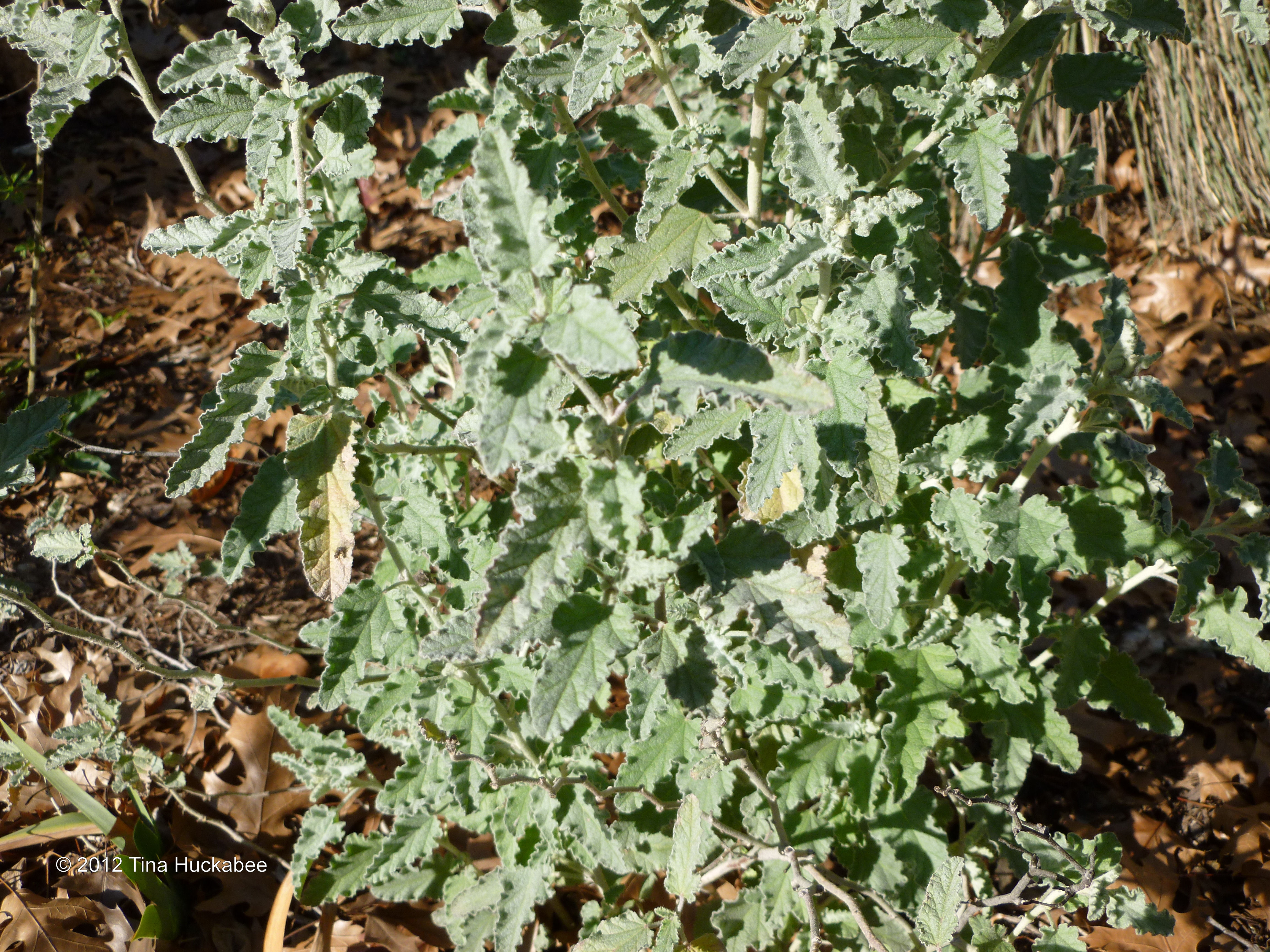
Finally, I’ll end with the plant that I opened with for Bloggers’ Bloom Day, the Globe Mallow (Spaeralacea ambigua).

I love the color and frill of the leaves which are sensual to the touch with their velvety texture.  And I think the blooms are lovely, lovely.

Sorry, Pam, I can’t resist blooming things.