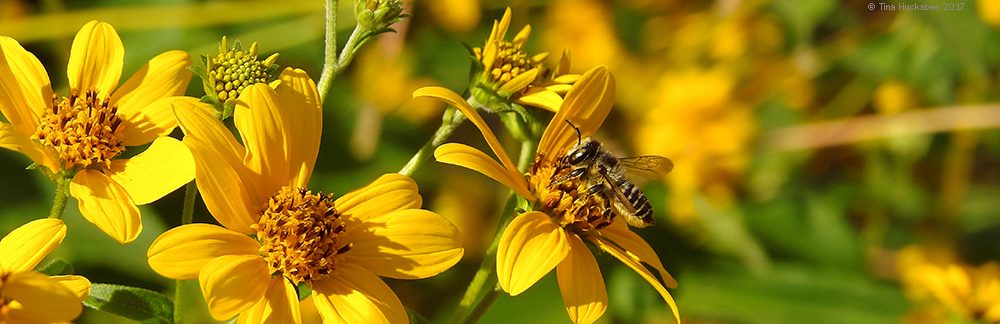
I would usually post nice photos of the currently stellar-in-the-garden foliage to mark the monthly foliage fanfare that is Garden Bloggers’ Foliage Day, but since it’s also National Pollinator Week in the U.S., I’d like to remind gardeners everywhere to look beyond mere surface of leaf beauty to something deeper, and even profound, in the garden.
In my garden this month, there are certain leafy greens that are being munched.
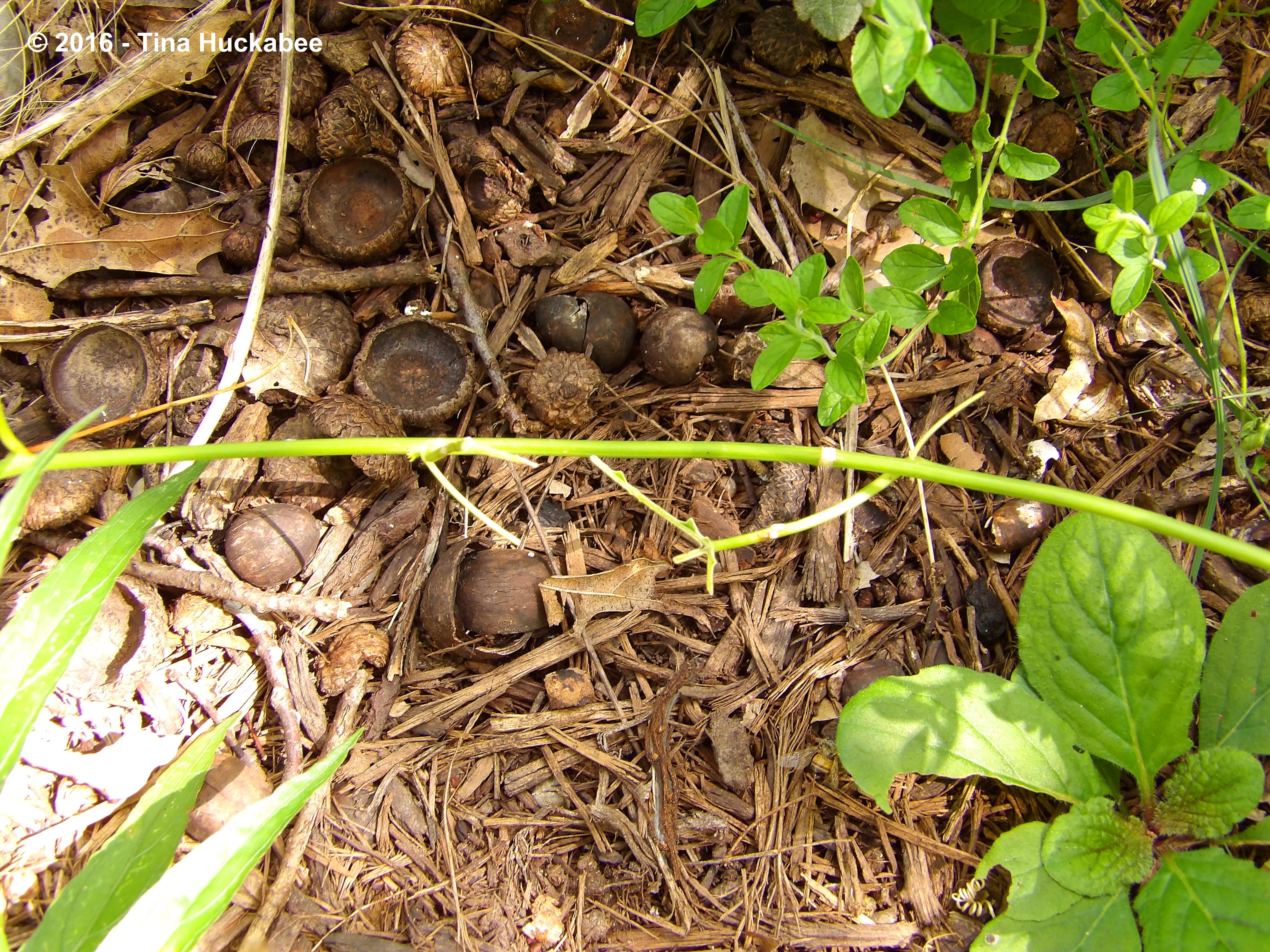
The stripped remains of Maypop foliage
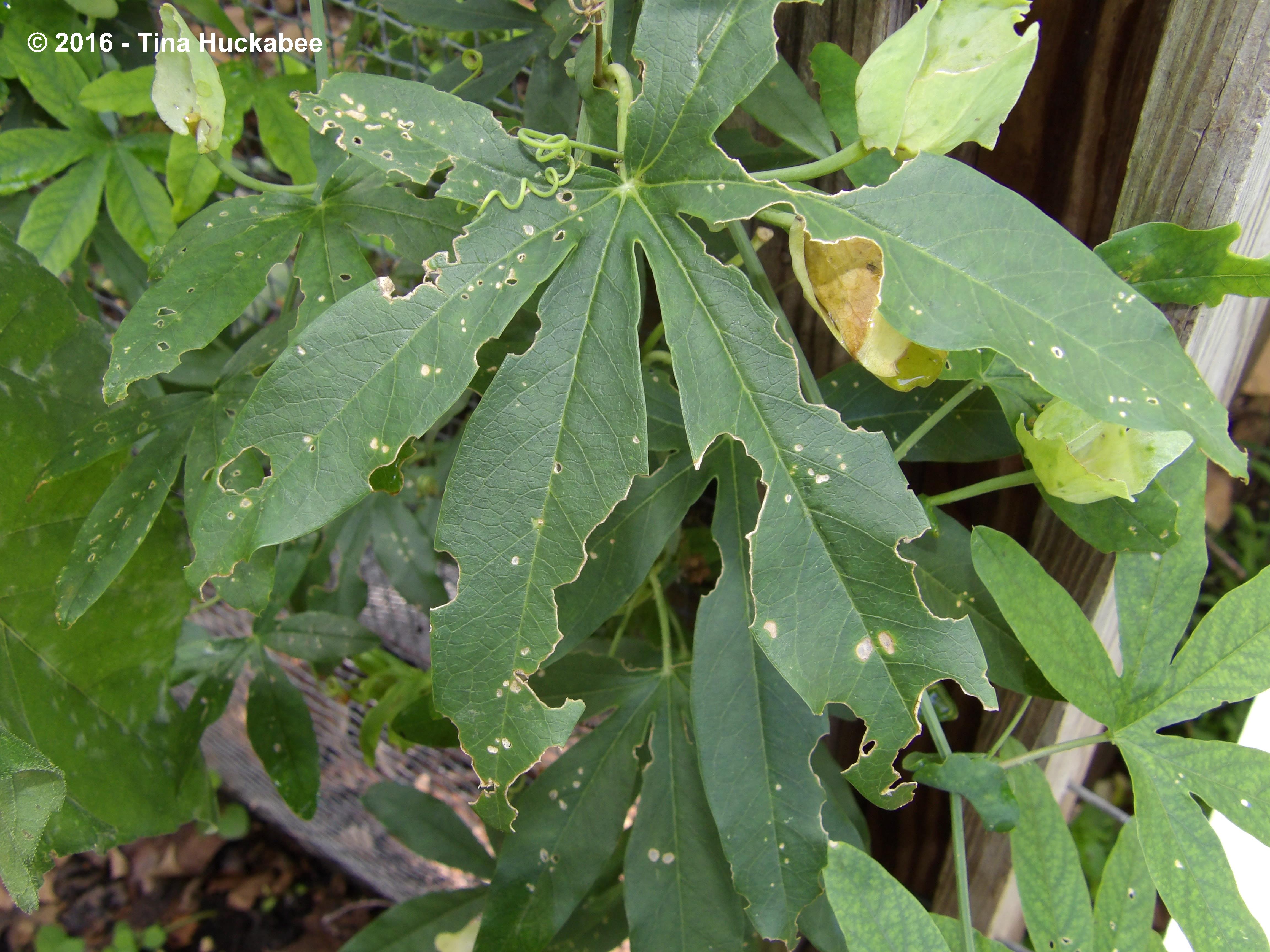
Chewed foliage of Blue passion-flower
Oh my!! Should I fret? Should I swear? Should I throw in the trowel and give up gardening entirely? Or instead, should I celebrate the life cycle of pollinators who lay their eggs on host plants and then accept that at certain times during the growing season, some of my plants’ foliage will be less than flawless because of insect-eating damage?
I think I’ll go with that plan.
The host plants of many pollinators (butterflies and moths species in particular) serve as ready-made food bars where the leaves and stems host the incubation period of the eggs, and then once hatched, are munched by the larvae. Eventually, the larvae, after consuming their fill of the required greens, morph in their beautiful adult stage.

A newly emerged Black Swallowtail
Yes, fennel foliage is fabulously beautiful in June’s sunshine.

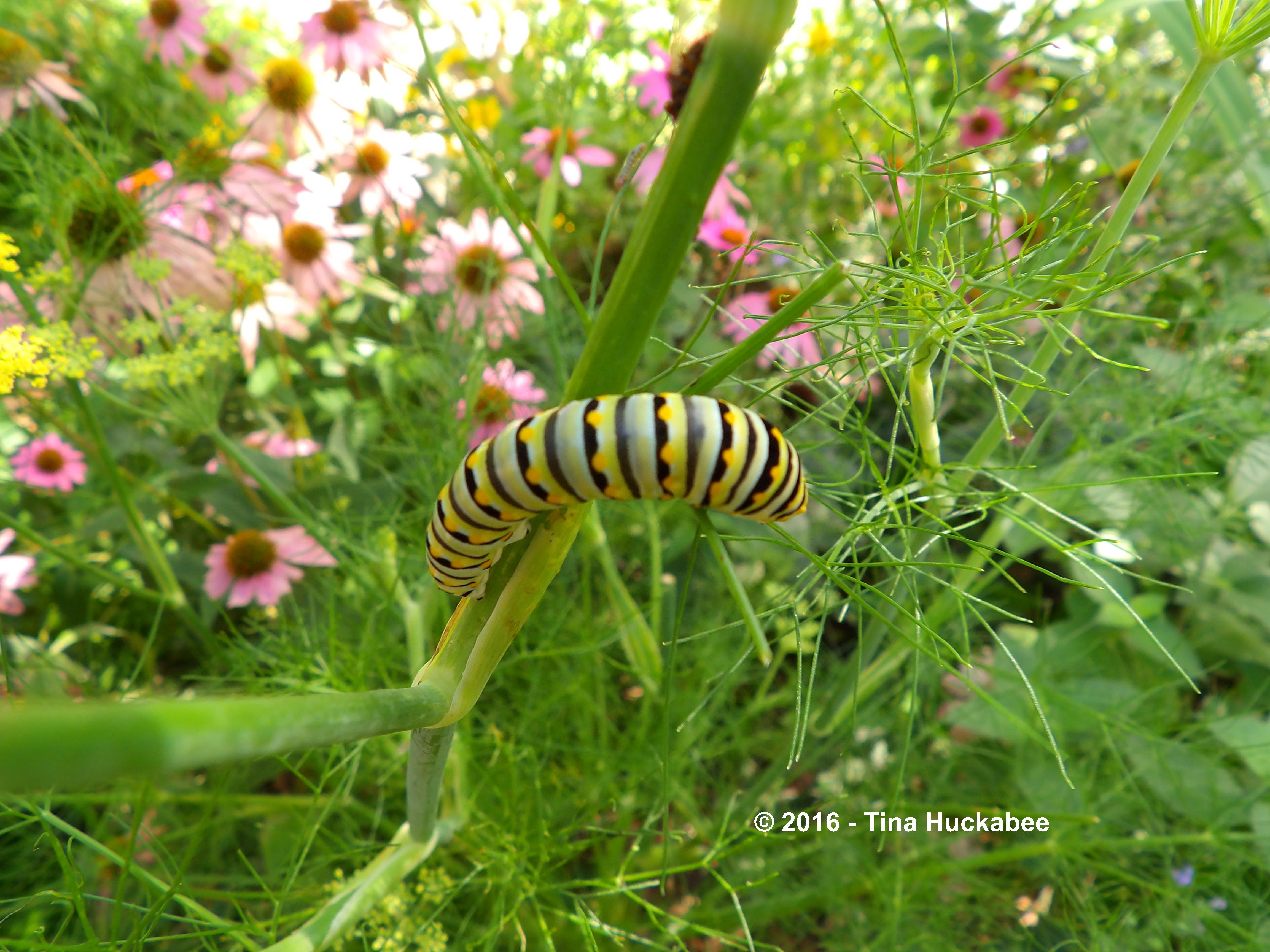
But so are the Black Swallowtail, Papilio polyxenes, caterpillars that are devouring contentedly.

A mid instar Black Swallowtail larva


Eventually, that hungry, hungry caterpillar will morph into this:
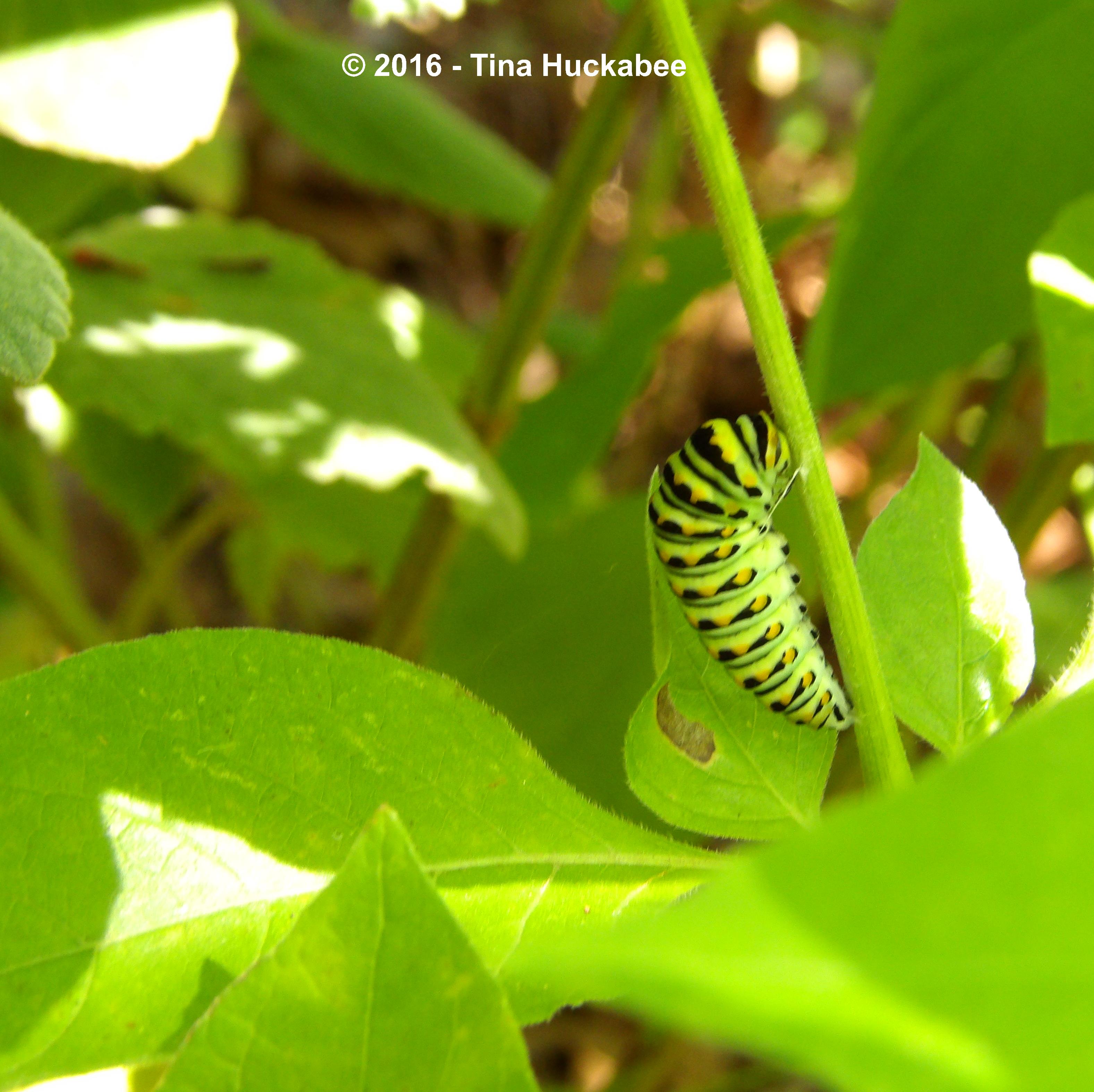
A Black Swallowtail in “J” formation. Finished with eating and growing, it’s time to morph into the adult stage
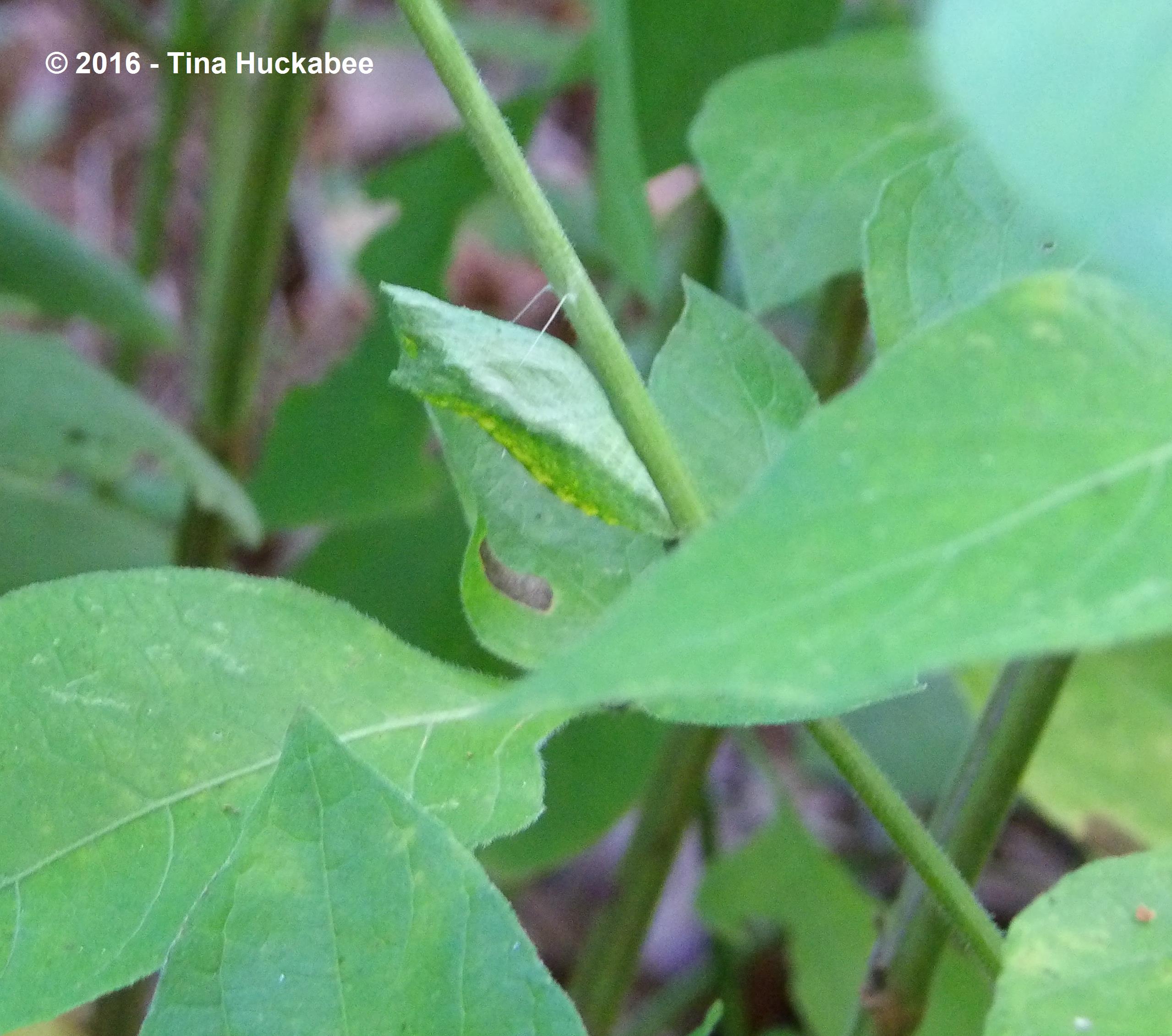
The same pupa, 24 hours later–in full chrysalis mode
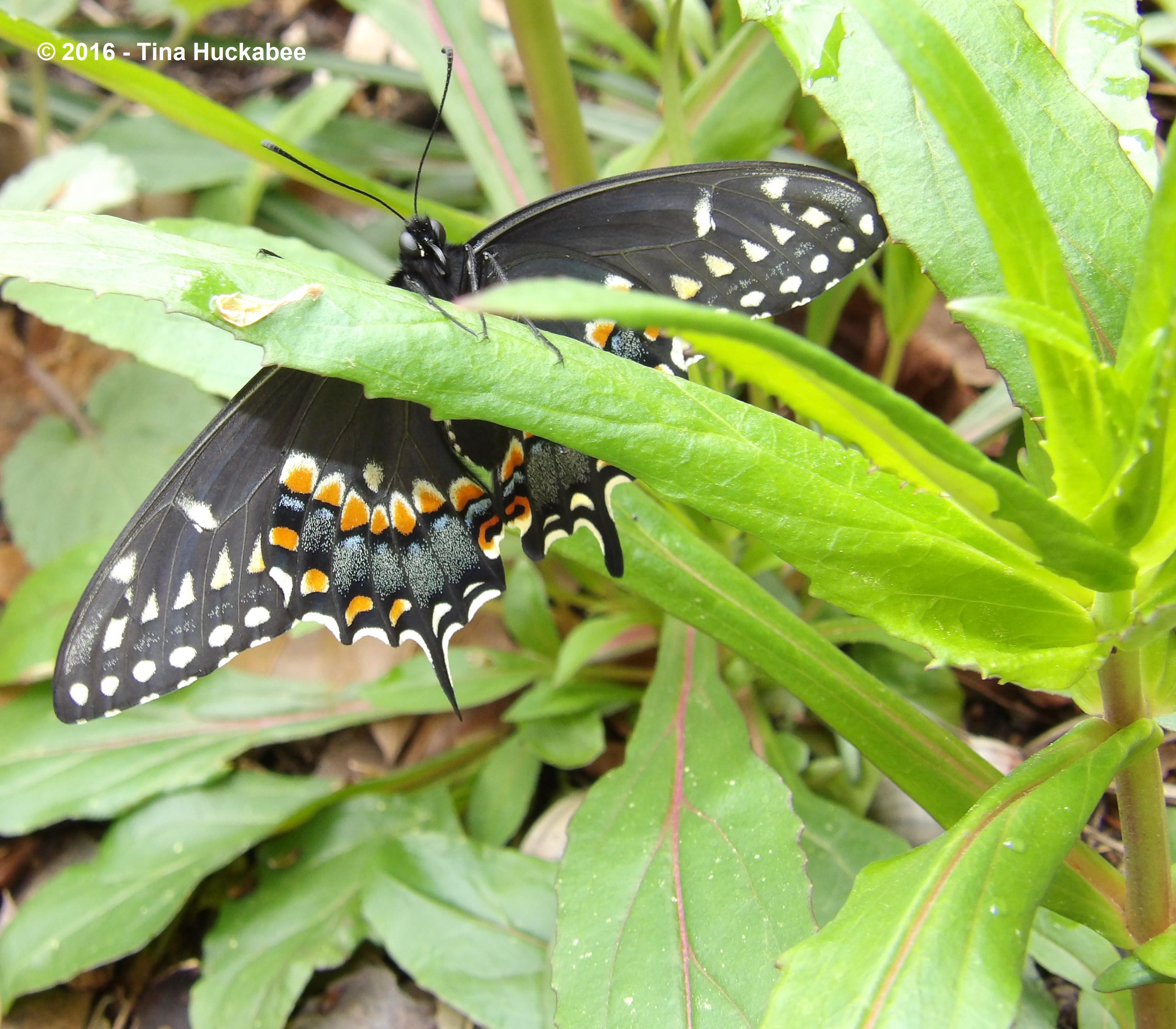
Newly hatched Black Swallowtail, with ventral (underside) wing view. This butterfly is drying its wings after emergence from the chrysalis

The same butterfly, with dorsal (top) of wings in view–still drying.
For a while, I’m glad to tolerate the change from this,


…to this: the spare, stripped stems and leaves, and yes, less lovely foliage, that is fennel after the larvae feeding.
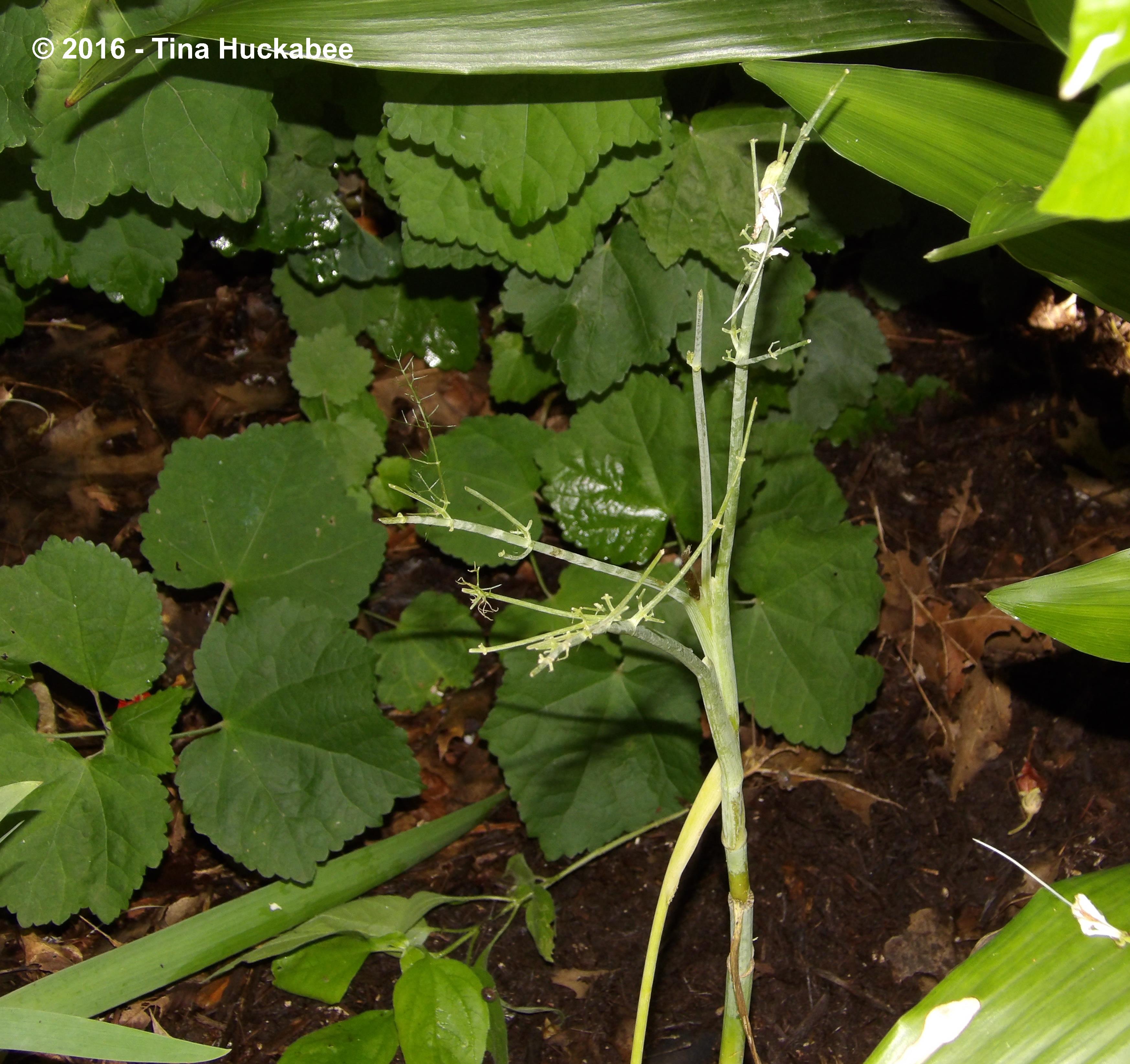
None of my butterfly host plants (I grow about a half-dozen) have ever experienced too much munching damage to the point that the plant(s) didn’t return to full health. From a biological standpoint, that makes sense, because a host plant wouldn’t be much of a host plant if the visiting insect ate it to death–that wouldn’t bode well for either the plant or the insect. Nature is generally designed better than that. The only caveat in my experience is that if fennel (a cool season plant and NOT the native host plant for the Black Swallowtail) is decimated, and it’s an older plant, and the summer is truly blazing hot (reminder–I live in Central Texas), the fennel might succumb. But there is an easy fix for that: a four-inch pot replacement is about $2 at my favorite nursery.
Also, as lovely as fennel foliage is for most of the year, I must be patient and understanding during the late spring/early summer and then again, in early fall, when the Black Swallowtail larvae are most active and therefore, the fennel isn’t in its best looks. I must recognize that the munched fennel will not add anything to accepted aesthetics of garden beauty. At that point, fennel has a more important role to play than as a just another pretty plant.

Currently, two different passion-flower plants, Blue passion-flower, Passiflora caerulea,

… and Maypop, Passiflora incarnata,

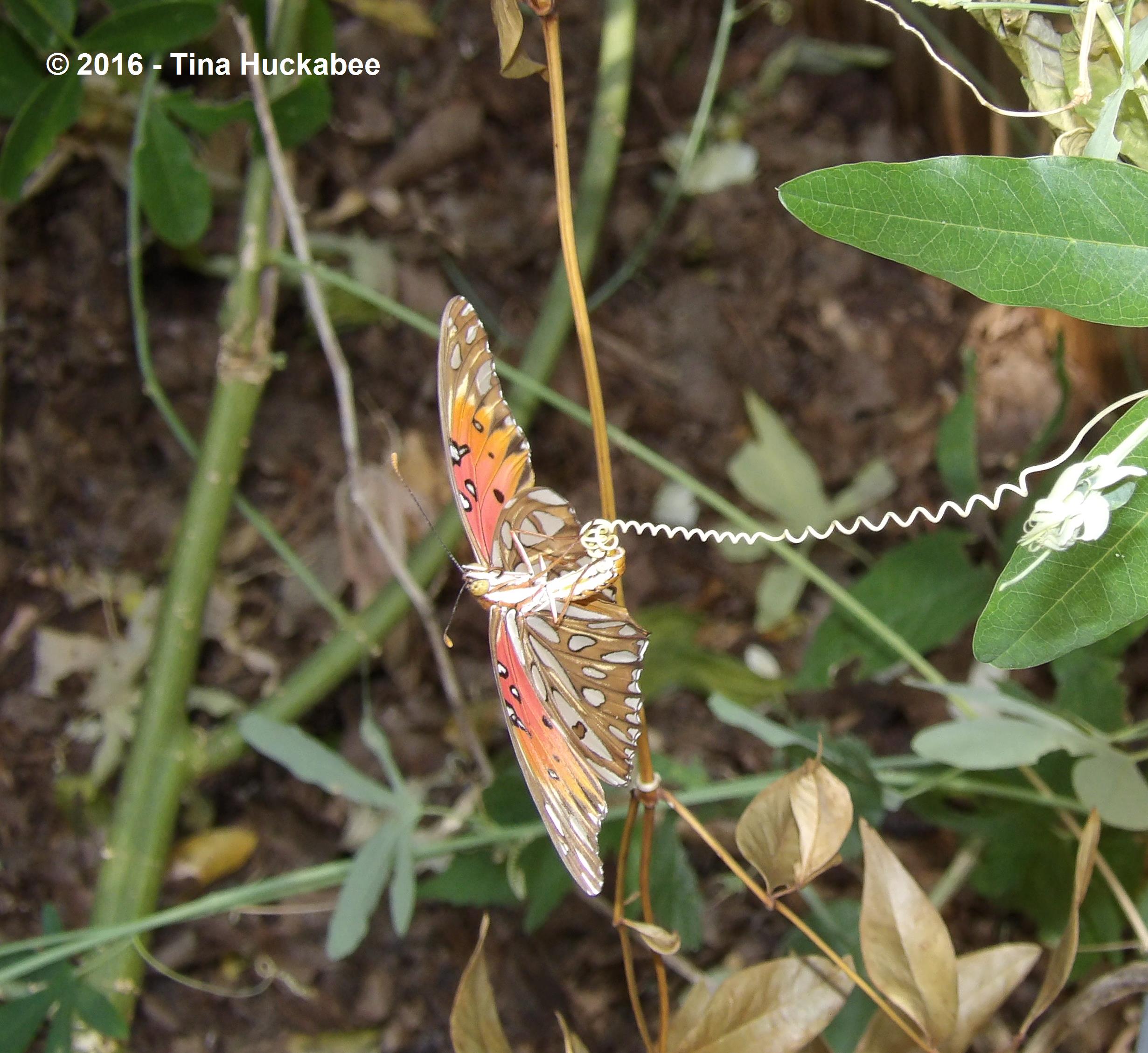
…are hosting the eggs and caterpillars of the Gulf Fritillary, Agraulis vanillae.
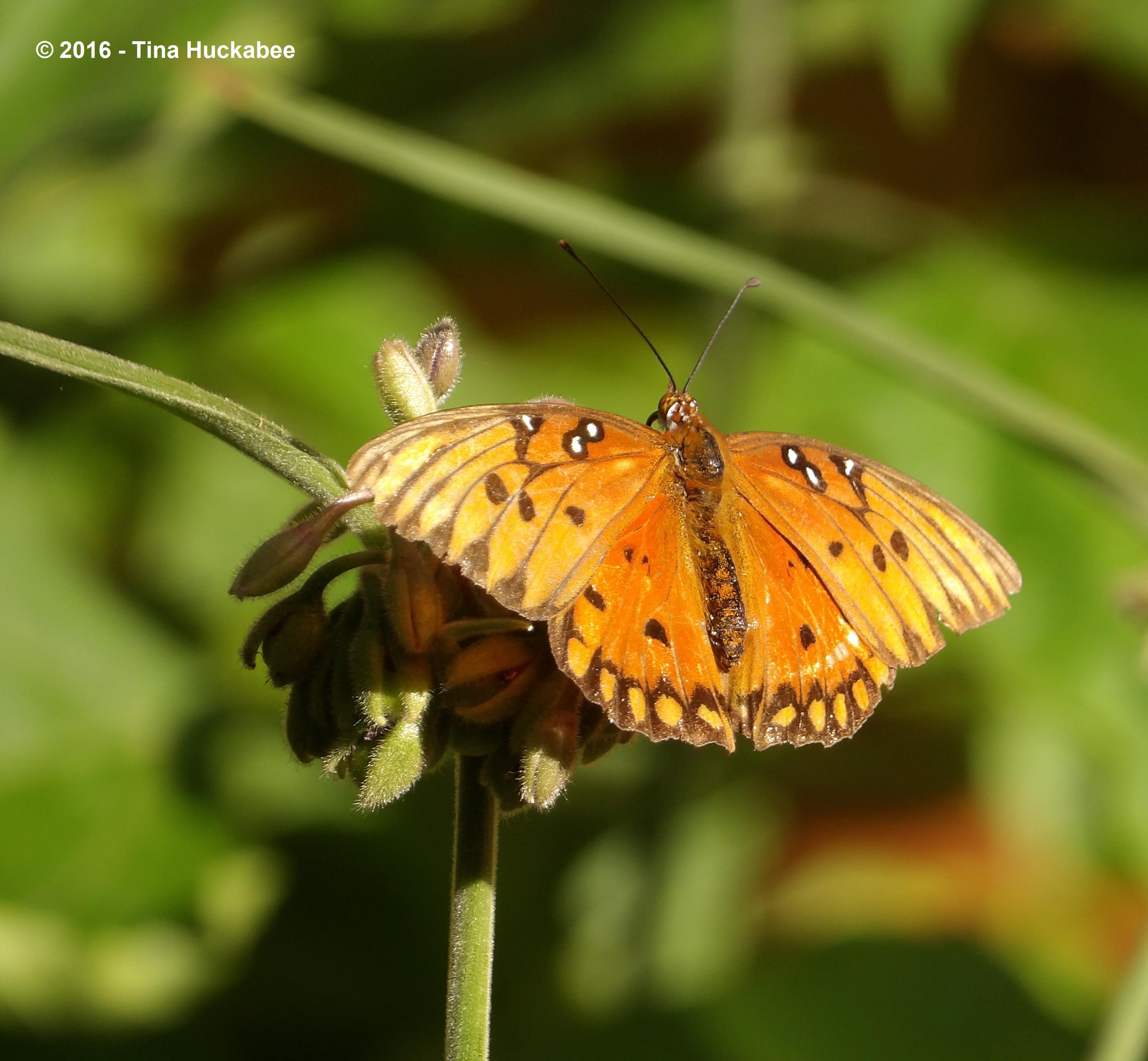
Gulf Fritillary nectaring on a Giant spiderwort
A bit chewed up and worse for wear,
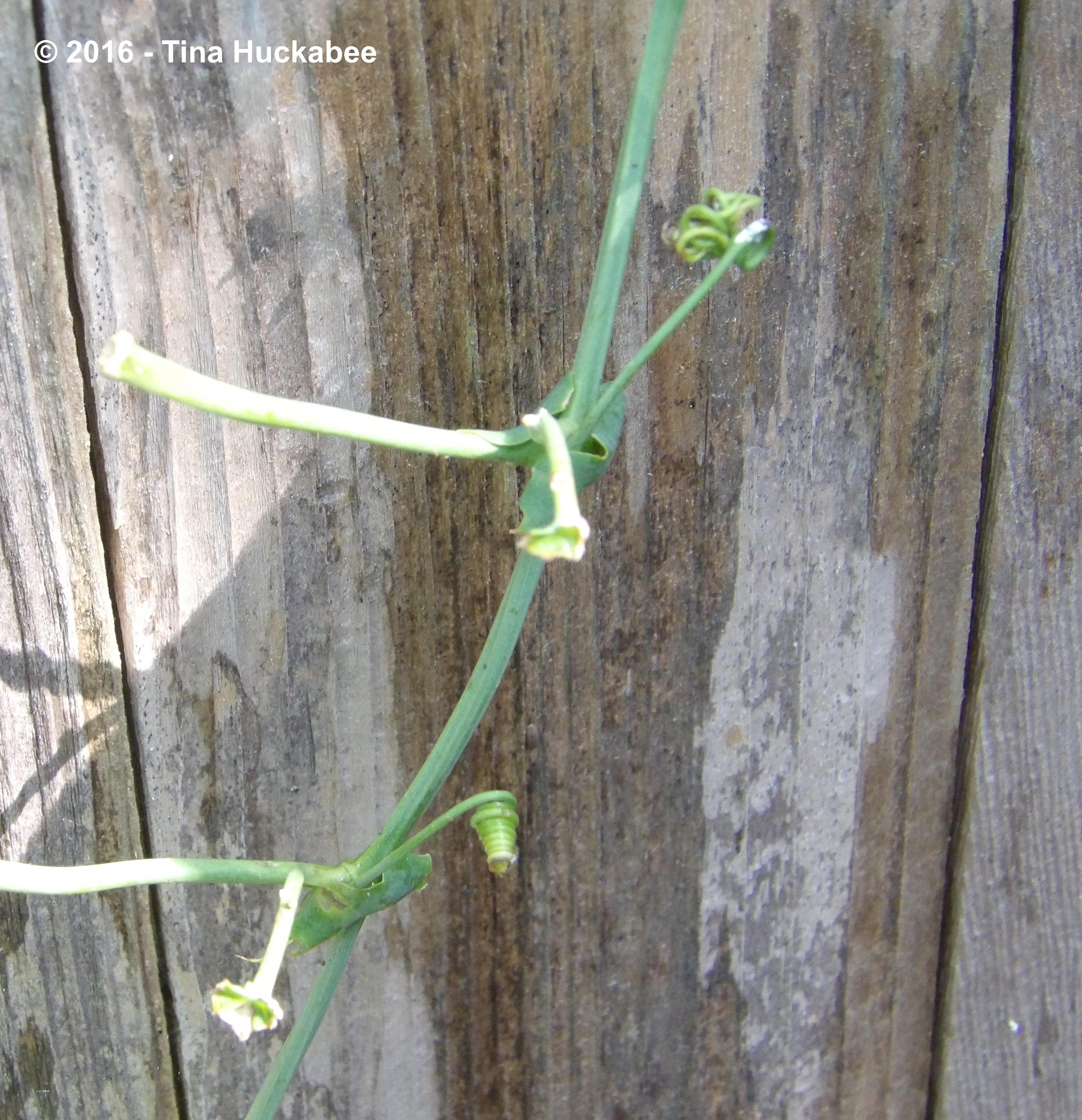
…the foliage feeds the larvae of this active and important pollinator which lives throughout Florida and Texas. The Gulf Fritillary lays her egg,
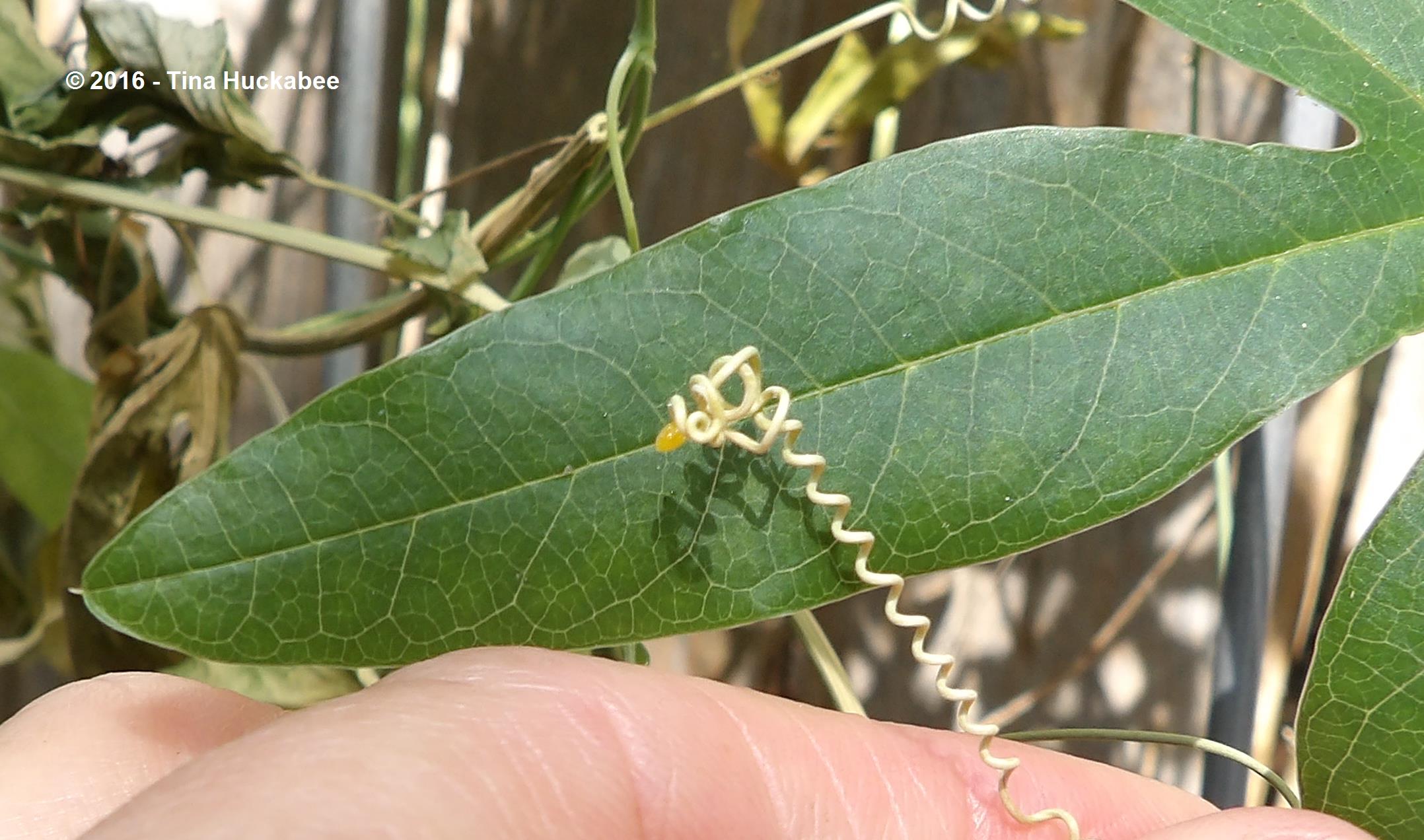
The newly laid egg is perched on the passion flower’s climbing tendril
…the larva eats,
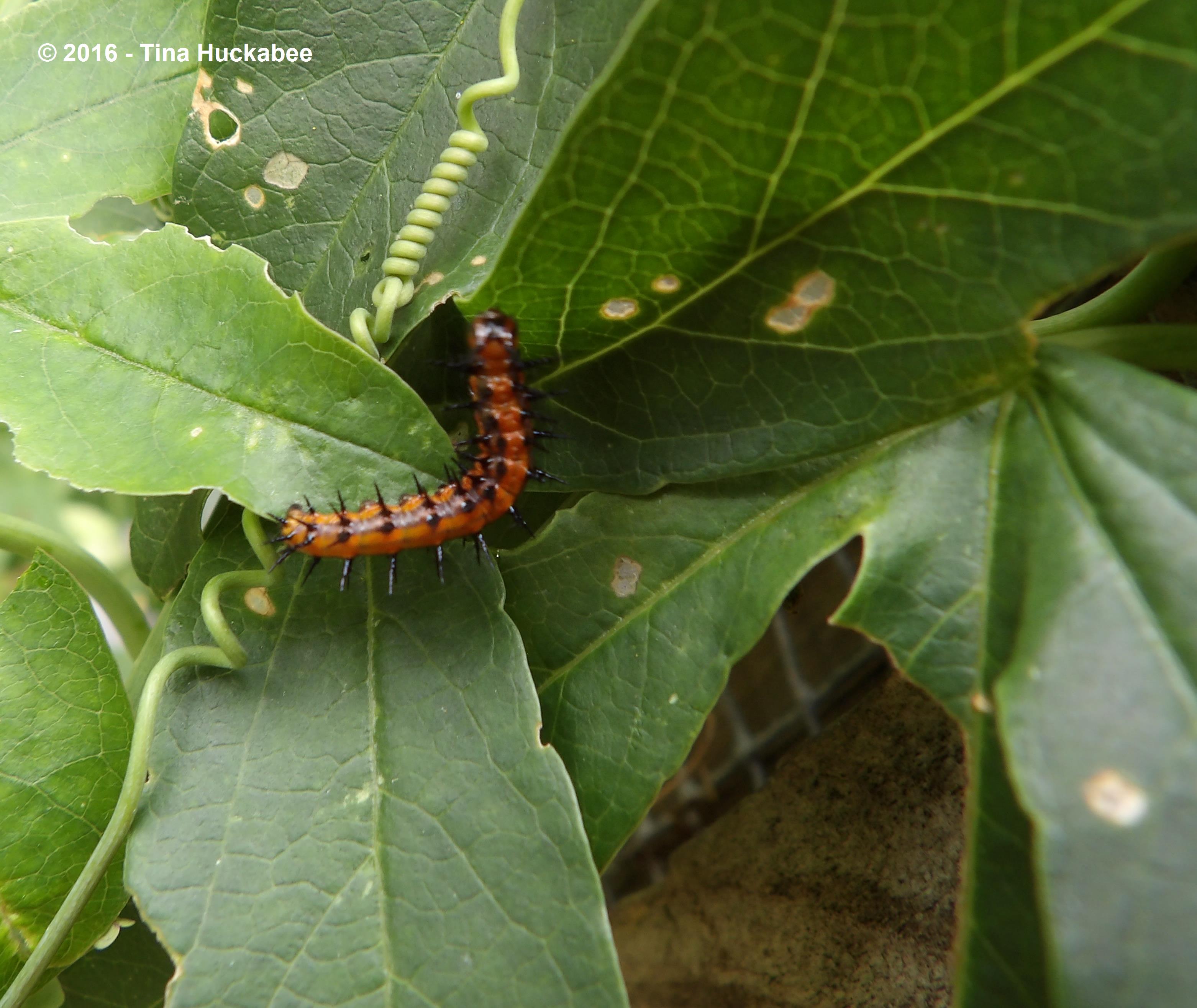
…a chrysalis is formed,
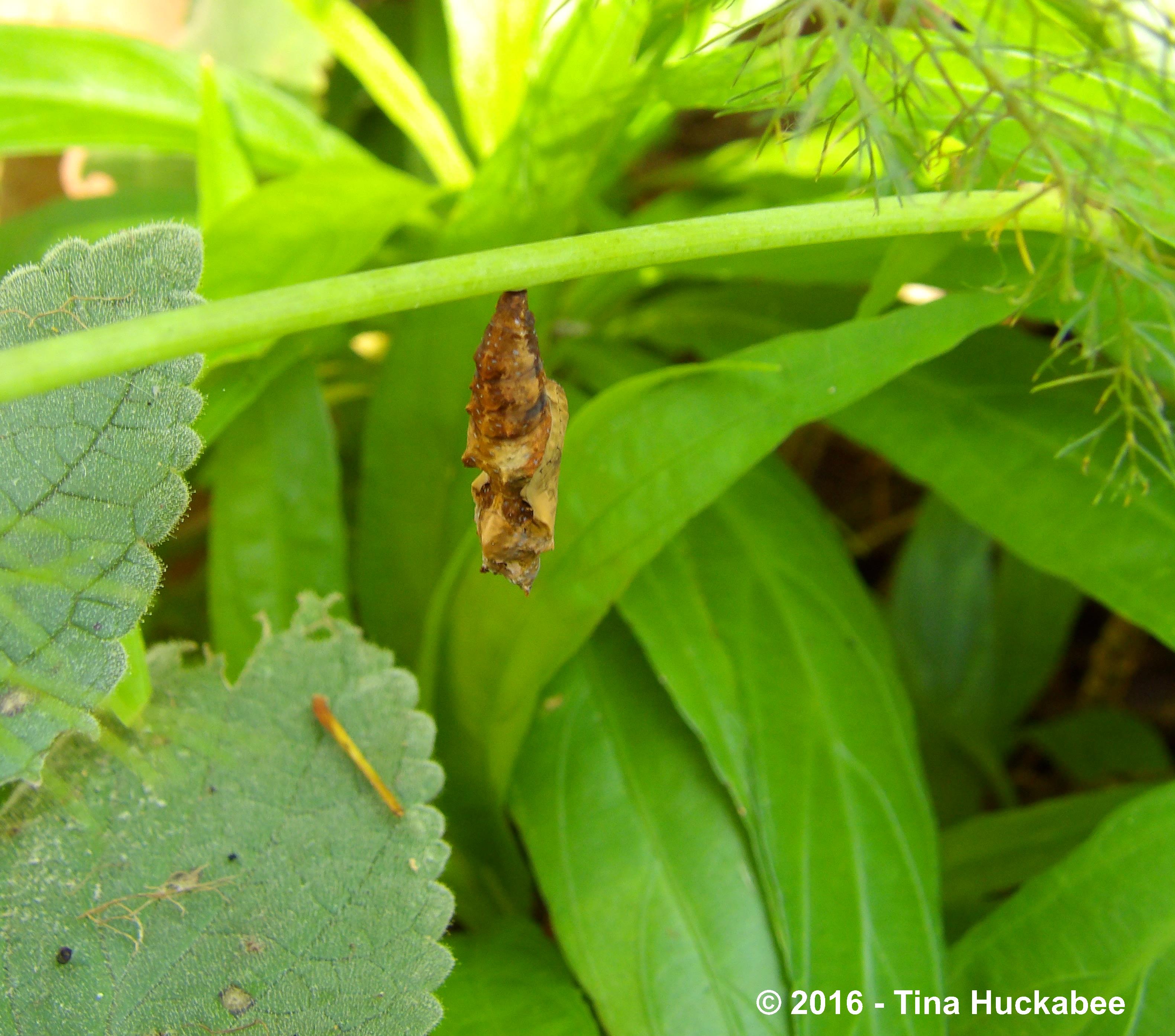
…and in time, the butterfly is born.

Gulf Fritillary in a resting position–ventral wing position
Gardening is neither an exact science or pure art form. Gardeners must keep a keen eye on the garden for changes–good and bad–and for potential problems. While almost all insects (like moths and butterflies, as well as their larvae) are beneficial, there are the bad bugs that no one wants to see cozying up to their well-loved and well-maintained gardens. Obviously, we don’t want to allow tomato horn worms to careen through our summer tomato crops with abandon. Nor do most gardeners have much patience with aphids and other sucking insects. But let’s keep noxious insecticides on the shelf, or better yet, un-purchased, and let’s hand remove or water-spritz the bad bugs when necessary. A low maintenance insect management method will allow beneficial insects, pollinators especially, to thrive and to continue their work in our gardens and contribute to the health of larger world.
Even if they do eat up our foliage!
Whether your foliage is intact–or otherwise– join with me in celebrating foliage in the June garden. Thanking Christina and her lovely Creating my own garden of the Hesperides for hosting, check out her Garden Bloggers’ Foliage Day for a look at foliage in many gardens, from many places, and share your leafy loveliness, too!
 My Gardener Says...