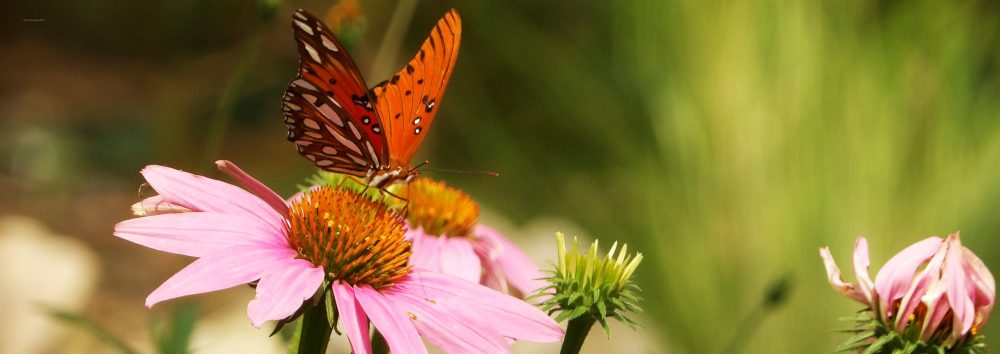
Temperatures are mild, days are lengthening, and February is nearly half over. My back garden birds have increased in number and appetite as they await and anticipate Spring’s renewal.
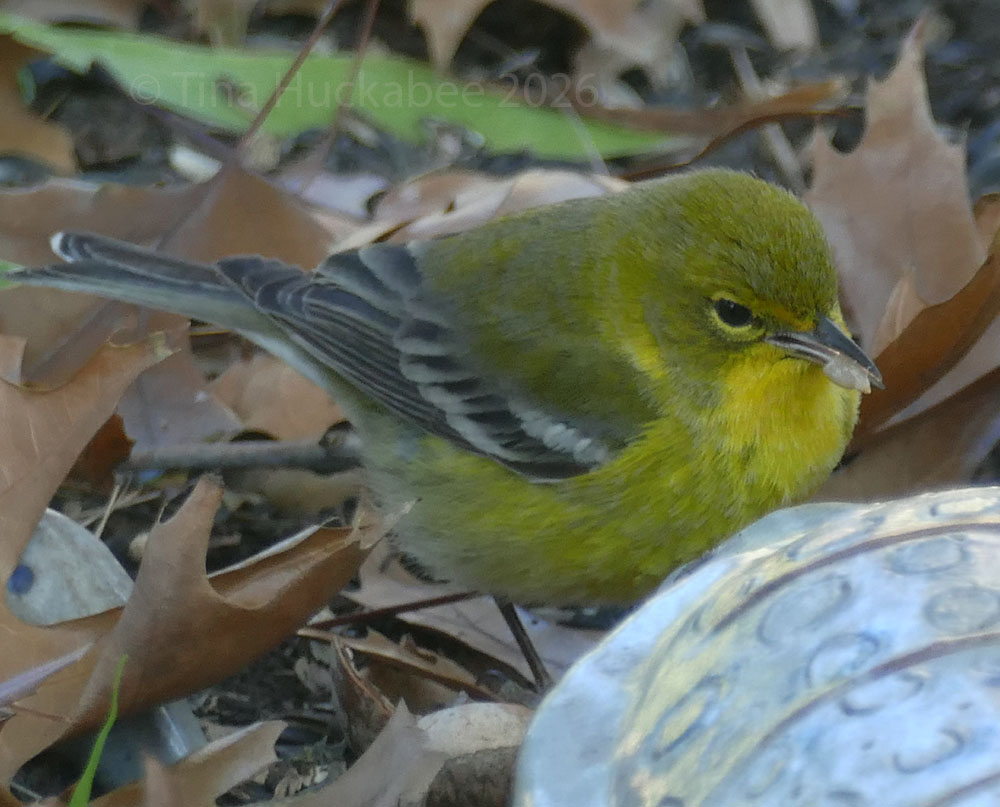
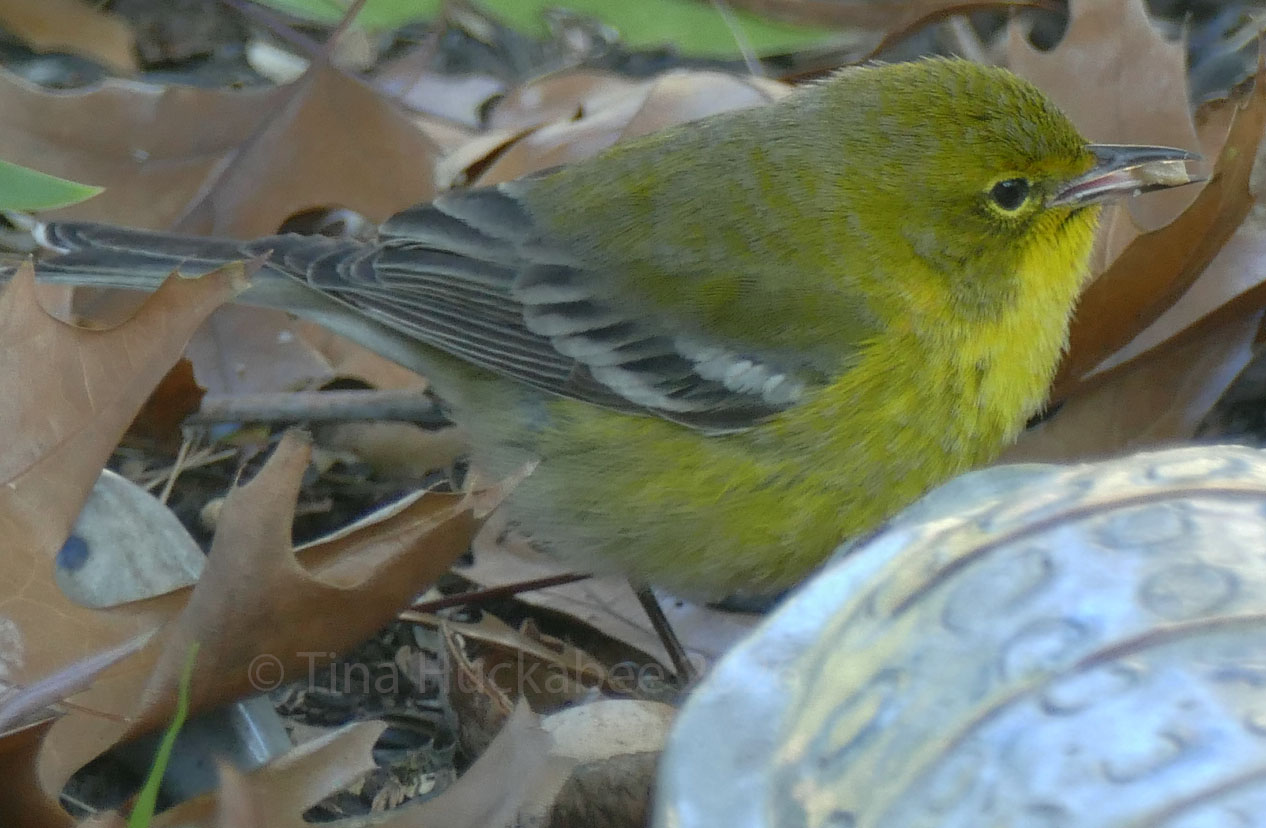
This lovely Pine Warbler, Setophaga pinus, is a regular in the garden this winter. Austin is just barely in this warbler species’ nonbreeding range and it’s only in the past couple of years that I’ve enjoyed their company during winter’s dormancy. This year, two of these warblers hang in the garden, though I typically see just one at a time, mostly this pretty boy.
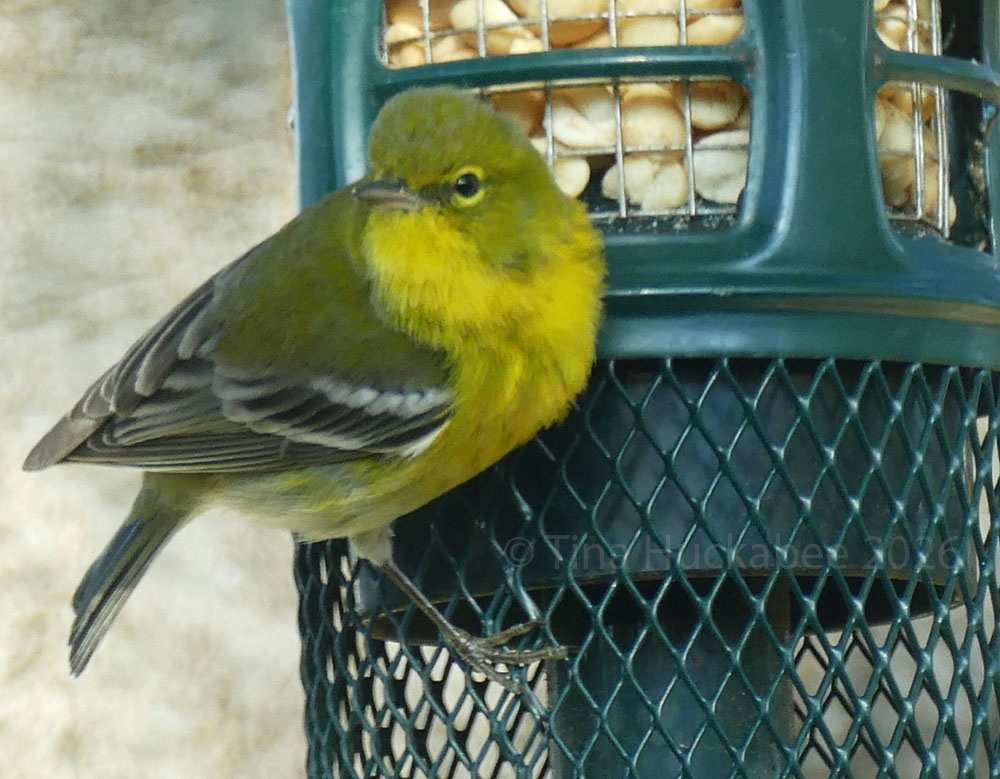
He’s easy to spot in trees and shrubs as he present himself as a dash of rich yellow, foraging busily for insects. In my garden, he favors peanuts, offered from a feeder and hopefully a decent substitute for Pine Warblers’ preference for pine seeds, which my garden lacks. Pine guy works the branches, the peanut and suet feeders, but also spends time on the ground, hopping through fall planted iris straps and December fallen oak leaves.
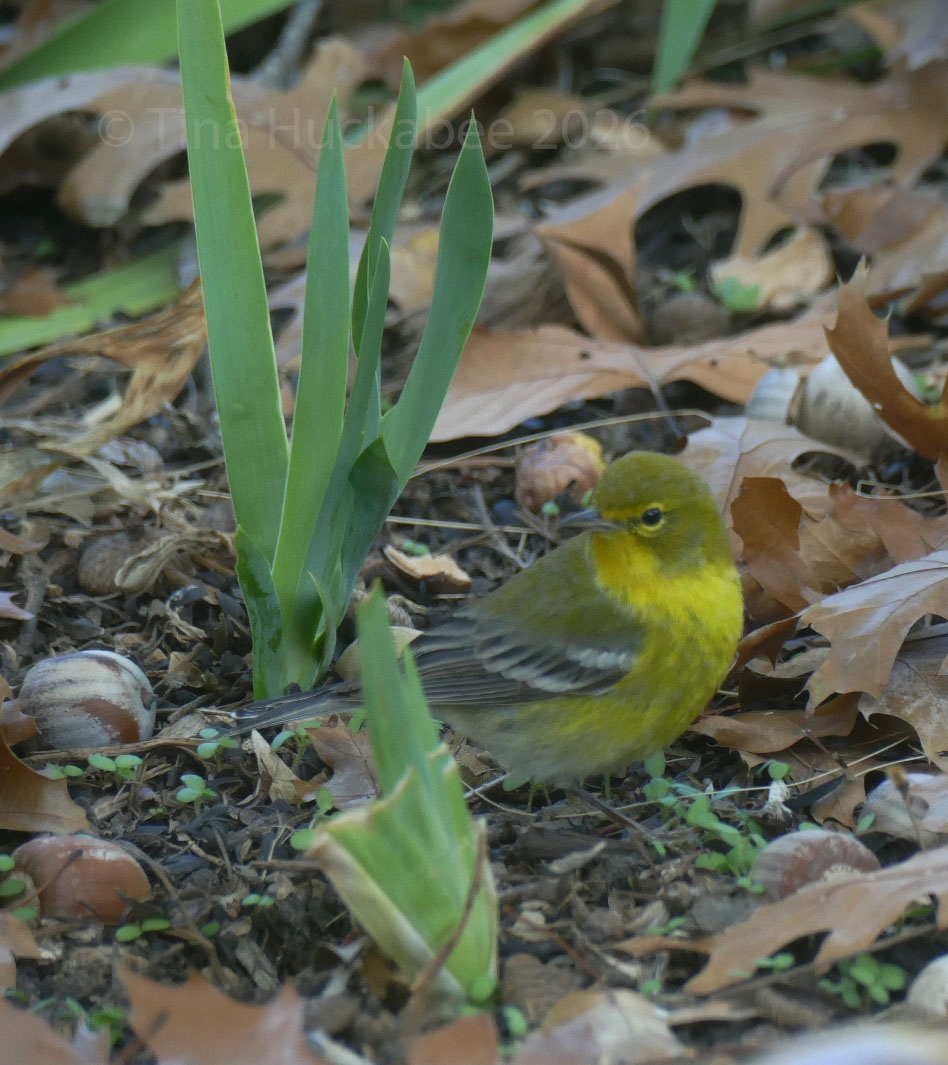
There’s usually a lucky piece of peanut found among the leaves, twigs, and ceramic armadillos, and this little bird is good at finding the nummies.
Downie and Red-bellied Woodpeckers are year-round daily visitors, but a new-to-my-garden bird is this Ladder-backed Woodpecker, Dryobates scalaris. Austin is clearly in the nonbreeding range for this handsome guy, but I’ve only seen him visit my garden in recent months.
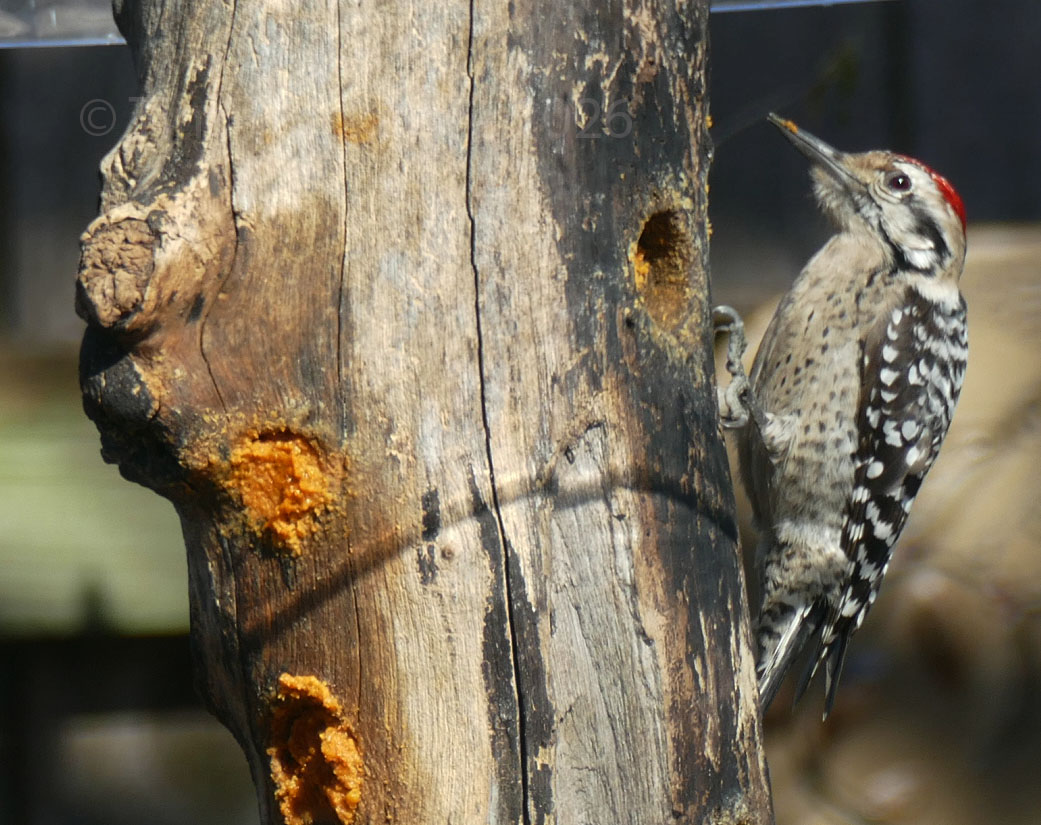
I’ve noticed in walks around my neighborhood that I’ve seen him, or another of his kind, flitting around Live Oak trees, so clearly there’s probably more than one Ladder-backed bro. I don’t know if this is a new population, but I’m chuffed he’s joined the bird gang that includes my garden as their place to dine and socialize.
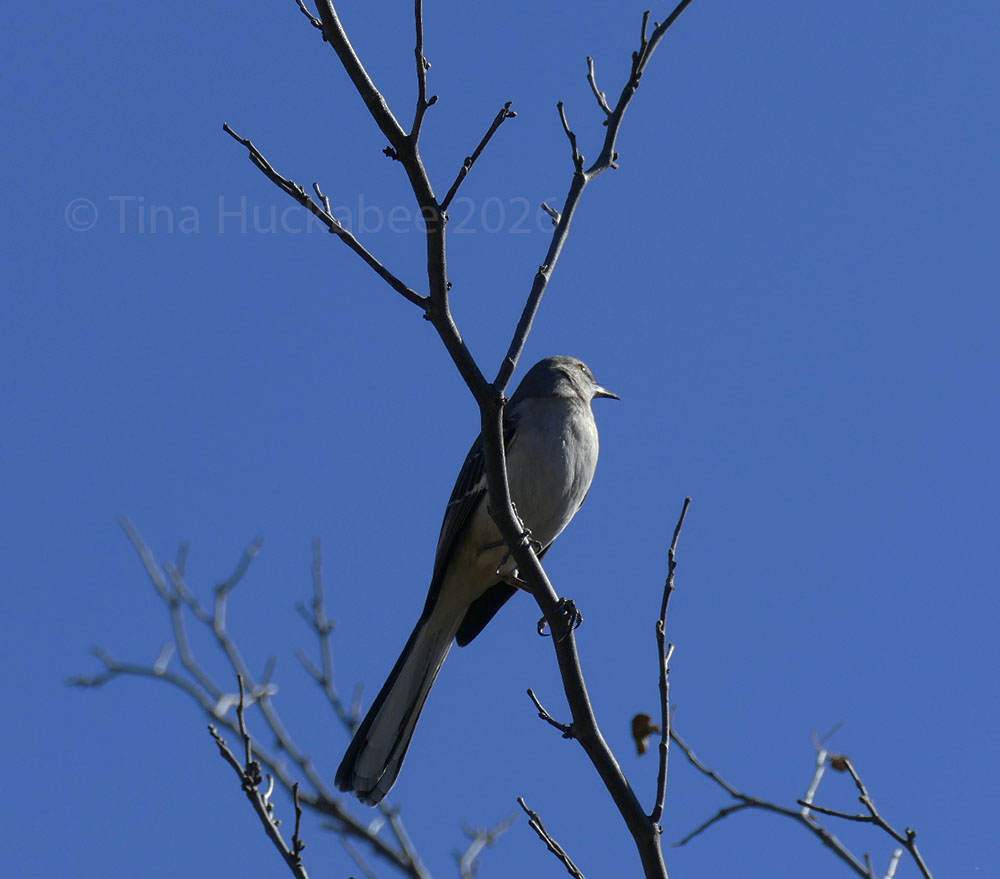
I like this patient Northern Mockingbird, Mimus polyglottos, who perched, surveilling his realm, while I snapped some shots. I’ve noticed territorial chasing between birds; it’s that time of year, I suppose. The Red Bud tree where he perched grows in a garden with evergreen shrubs and where Mocks have previously built nests and raised chicks. I hope this site will host another family or two of these cheeky, charming birds.
I couldn’t resist the bum shot of this cute Carolina Wren, Thryothorus ludovicianus. I’m seeing more action from the couple that lives in this area and enjoying the male’s song, always the early-bird first of each morning.
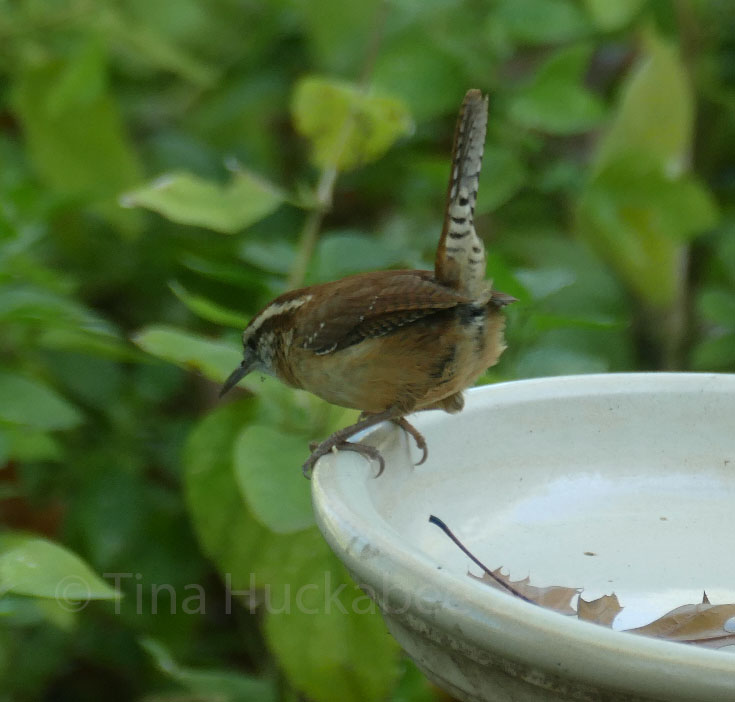
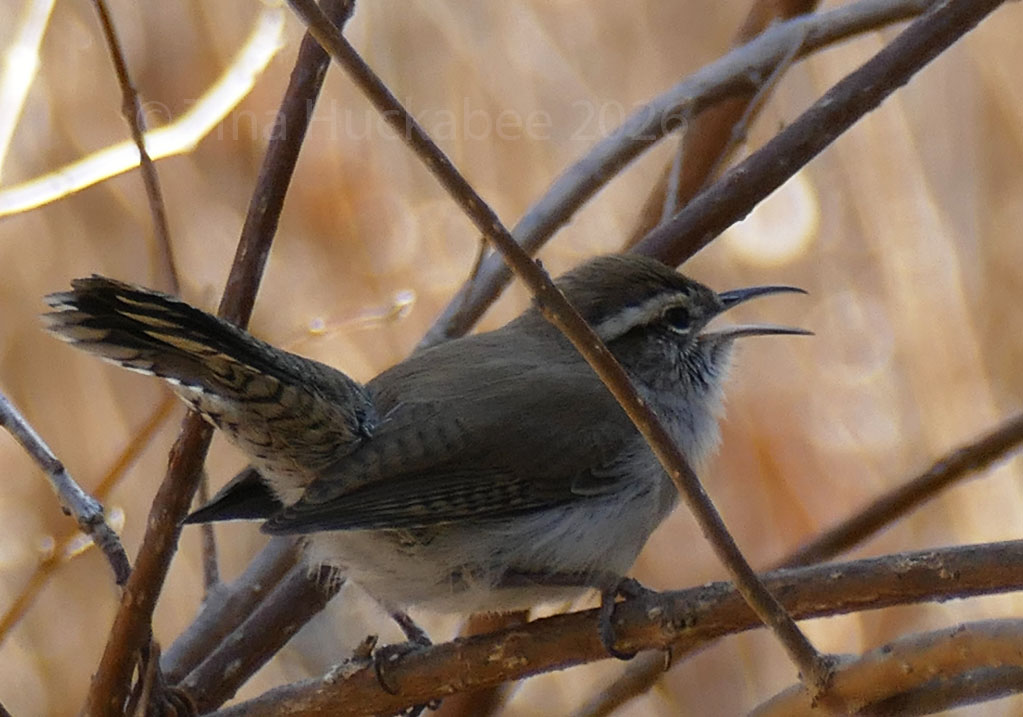
Another bum shot, but of the Carolina’s cousin, a Bewick’s Wren, Thryomanes bewickii.
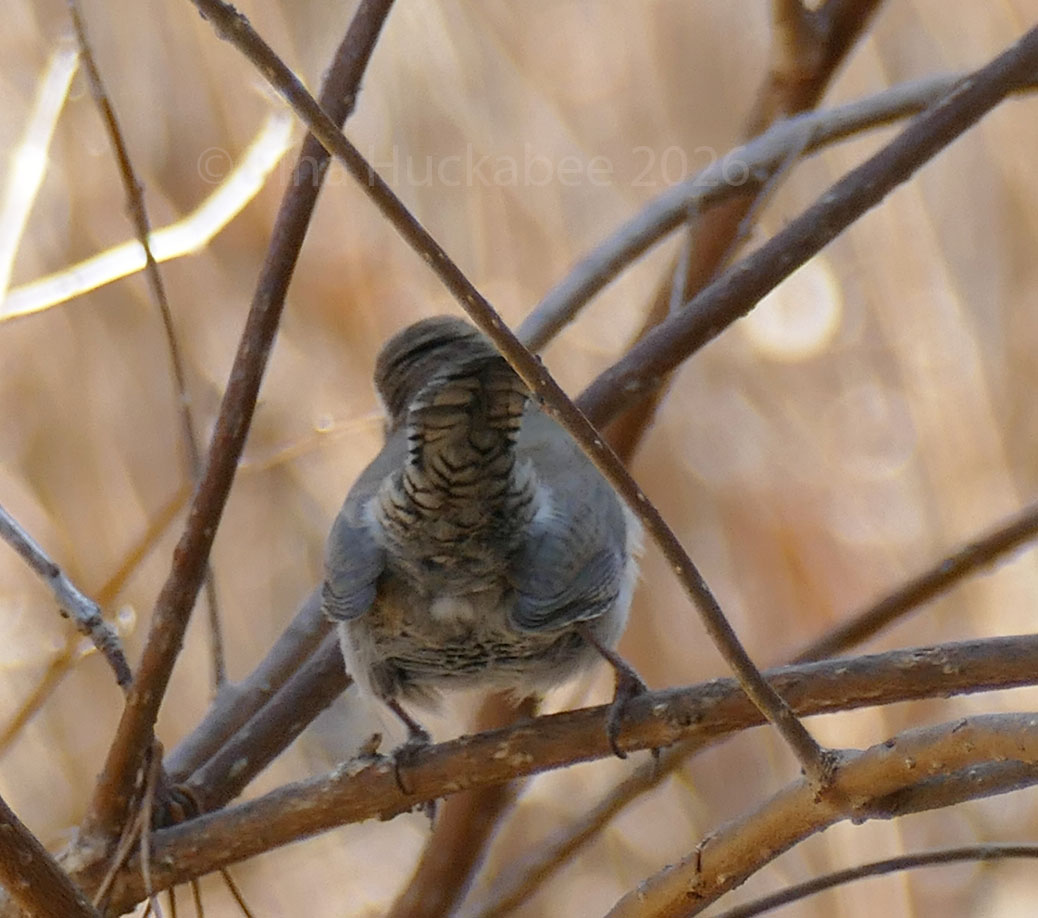
Last Spring and for the first time ever, my garden hosted a darling Bewick’s couple and they fledged three equally darling chicks, which you can read about here. In recent days, the two adults are once again checking our their birdhouse and chastising me if I’m lingering too close. I look forward to more beautiful songs, some annoyed-at-me chittering from mom and dad, and observing the remarkably devoted parents as they raise a new family later in April and May.
I’m deep in winter pruning, the garden transforming from the remains of a year’s growth, full and lush, to a decidedly minimalist look. Spring wildflowers have emerged and will act as colorful, pollinator feeders until the perennials rise up again, to settle into their important roles in the garden as food sources and protection for wildlife, as well as aesthetic sustenance for the gardener.
 My Gardener Says...
As usual, you have really great shots of your birds. I don’t know how you tell those little woodpeckers apart, as they look nearly the same to me. I haven’t put feeders out because a hawk is hanging around, and I want to get a tree planted, so the little birds have some cover. I was happy to learn that I can grow magnolias here, and I would like to plant some other evergreen trees.
LikeLike
Thanks, Judy! I take lots of photos, some a good! 🙂 Actually, it was my SIL who alerted me that the Ladder-backed was around. A quick glance from me would have assumed it was a Downie, they they do look very different.
Wow! Magnolias! That’s amazing, given your winters. I look forward to updates!
LikeLiked by 1 person
Nice closeups of the warbler. We humans seem primed to favor birds with colors and patterns, and that yellow does it for me; likewise with the mottling on the woodpecker’s back. Spring’s a-coming, all right. Happy garden to you.
LikeLike
That yellow is something, isn’t it? It’s really a golden yellow, rather than a bright sunny yellow. It’s different from all the other yellows who visit.
LikeLike
I assume that for you every avian yellow is a mellow yellow.
LikeLike
Oh, it’s so exciting when the birds start to sing, isn’t it? We’re starting to hear more songs from the regulars that spend the entire winter here. They sound so happy. 🙂 Looking forward to the migratory birds!
LikeLike
It really is so exciting to witness the uptick of activity. Of course, that also means more European Starlings and House Sparrows (Boo!), but the morning songs are just lovely–can even hear it above the sound of traffic!
LikeLike
I, too, have been seeing Ladder-back woodies. I did not have them much in the past, just downies and red-bellies. But this is the 2nd year I have seen them regularly. Love it! Janet in Cedar Creek
LikeLike
That’s interesting. I wonder if their territory out in more rural areas has been compromised and they’ve adapted to the urban landscapes. Another woodpecker that lives here is the Red-headed, though I’ve never seen one in my space. Maybe in the future!
LikeLike
You just identified a bird for me that I had never seen before and couldn’t identify! I saved a pine warbler from the cat-and as he flew away he left me a tiny chartreuse feather- I still have it saved as the color was so unique! And I need to look at the wrens a bit more closely I realize… I occasionally see a bigger wren and to date I’ve just thought it was a bigger Carolina wren, but now I am thinking differently!
LikeLike
Oh, I hope that cat didn’t scratch the warbler, but yes, that color is unique in the ranges of yellow.
I’d never had Bewick’s until last year. I’m happy to have both the Carolinas and the Bewick’s–lots of pretty songs!
LikeLiked by 1 person
It flew away, but you never can know… but I think it was alright. He’s a big fan of not hurting them and just letting them go in the house… which I guess is preferable…
LikeLike
Sweet garden friends, Tina. Wonderful captures!
LikeLike
I’ve only read about the ladder-backs; I’ve never seen one. My starlings are back now, and the single yellow-throated warbler that spent last winter at my feeders has been back for a couple of months. I expect it will be gone soon. Whether it’s the same bird I can’t say, of course, but the fact that only one has shown up two years in a row tempts me to think it is; memory isn’t only a human faculty!
I saw a mockingbird yesterday for the first time, but singing still is limited to the cardinals and the wren. It’s sporadic: as though they’re tuning up!
LikeLike