Texas Native Plant Week, 2014

IMGP1287.new

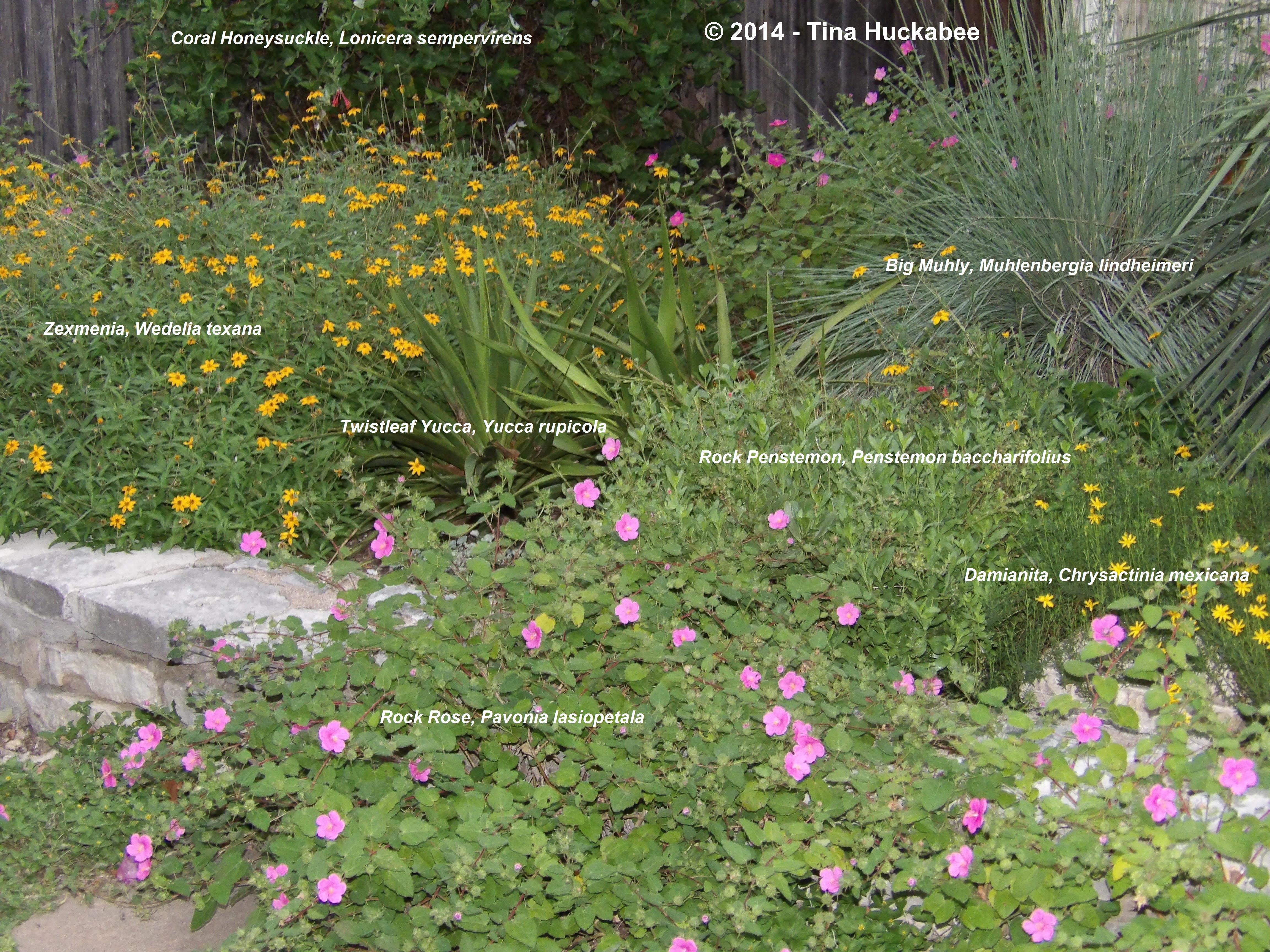
This week, October 19-25, is dedicated to celebrating home-grown native plants in geologically, topographically, and meteorologically diverse Texas.  My experience in gardening is limited mostly to urban gardens in Austin, but I also have limited knowledge about plants along the central Texas coast, owing to having grown up in that area.

IMGP1296.new

Texas is a big place–a really big place.

Natives that are completely at home in my gardens may not fare so well in the Panhandle or The Valley.  What works well in the High Desert mountains of West Texas definitely won’t like the humidity, drippy rain, and acidic soils of the East Texas Piney Woods. Native to here isn’t necessarily native to there.  Yes, there are crossover plants which thrive in vastly differing situations and there are plants which flourish worldwide.  I certainly grow some plants in my gardens whose ancestors originated halfway around the world. But when a gardener uses native plants, several valuable and aesthetic goals are accomplished.

IMGP1303.new

IMGP1337.new

Native plants impart a sense of place.  My garden looks different from a garden in the Northeast or the Pacific Northwest–and it should. What grows for me should be different from what someone in Minnesota grows.  A home or commercial landscape in Arizona shouldn’t host the same plants as a garden in South Carolina.  Some natives exist only in a very specific area, while others range throughout much of North America, but all suggest a regionalism that defines a specific climate and geography–native plants identify place.

IMGP1448.new

IMGP1774.new

Native plants require less irrigation and less chemical intervention.  Because native plants grow where they evolved, there’s no extra work in keeping native plants alive-except planting or seeding out the darn things, of course.  Other than some watering immediately after planting, a native perennial or annual usually survives without extra effort–extra watering, extra fertilizing, or extra babying.  The only plants I feed in my gardens are the pond plants and the roses; the entire process takes about 15 minutes, once per month.  I haven’t used any herbicide or other chemicals–well, I don’t think I’ve ever used a herbicide, and the last time I used a commercial fertilizer, excepting the aforementioned plants, was when I still had turf–and that’s some years ago. I do irrigate, sparingly, June-August, but that’s all the irrigation I give to my perennial gardens.
IMGP1827.new

For Texans who are happily riding on the native plants bandwagon, our primary gardening efforts tend to be in the winter and early spring–pruning, mulching, and readying our gardens for the long growing season.  Landscaping with native plants does require some work–they seed out (prolifically at times) and for the sake of tidiness, occasional pruning is a must. But the differential between landscaping with turf versus native plants is huge. When I observe the mowers in spring, summer, and fall, often perspiring as they pointlessly mow, edge, water and feed their grass–I’m befuddled. Why would you have grass, which requires weekly (or nearly weekly) maintenance, when there are so many beautiful, really beautiful, perennials, grasses, and annuals requiring little maintenance? What is the point of watering and fertilizing something, just so it can be mowed?  I used to have grass and only grass.  I used to mow, water, edge, fertilize–the whole absurd merry-go-round futility of turf–until I transformed my personal landscape with (primarily) native plants.

IMGP1771.new

IMGP1451.new

Not everything in my garden is native–I grow plenty of native cultivars and non-native plants and they are some of my favorites.  But native plants are special–born and bred here in Texas. They are easy, lovely, and Texan and it doesn’t get better than that!  If you live elsewhere, then your native plants are easy, lovely, and…emblematic of the wonderful and special place that you live–wherever that might be.

IMGP1396.new

Native plants feed wildlife.  The synchronicity of native plants with their pollinators and other wildlife partners is an established biological paradigm.  In any given area, wildlife evolved along with their plant hosts–it’s just that simple.  When you have native plants in your gardens, you will attract wildlife.  Boom!  The home gardener can play an important role in providing for wildlife by planting natives: as large swaths of land are destroyed for a variety of reasons, why not help heal the world, in a way that is very real and practical, by planting natives which will feed displaced wildlife?

IMGP1537.new

IMGP0963_cropped_3954x2751..new.new

IMGP1880.new

IMGP1879_cropped_2977x3045..new

I putter in my gardens–constantly reviewing, reassesing, and replanting.  Gardening is my passion, it’s what I do.  I recognize that not everyone is a gardener and most are unlikely to do what I’ve done.  I have been called “crazy” more than once by those who don’t get what I’ve done with my “yard.”  However,  I can’t help but wonder what would happen with our beleaguered and threatened natural world if everyone who owns property, the proverbial house with yard, would take out half, just half, of their useless and wasteful turf and install native plants instead.  Think of how unique each home garden could be. Think of the water which would be conserved. Think of the fossil fuel which would not be used.  Think of the wildlife which would be fed.  Think of the locally owned nursery and landscape businesses which would boast more clients, rather than the large mowing companies and the big box stores siphoning off that work.
IMGP1364.new

IMGP1310_cropped_3571x3207..new

I don’t see a downside to using native plants in the garden. One difficulty you might encounter is if you live where the local nurseries don’t yet provide a selection of native-to-your-area plants, you’ll need to request they do. Business axiom dictates that if customers demand products, businesses will provide those products.  It may take time and persistence, but the native plants ship is sailing and the savvy nursery owner or landscaper will climb aboard.
IMGP1316.new

This coming week, I’ll be profiling a fraction of the natives that I grow in my garden. These plants are perennials that are doing something “now”–blooming or berrying or generally looking good. Readers from elsewhere–you might be bored with this week’s posts, as I’m writing primarily for Texas viewers.  Hopefully though, you’ll be encouraged to discover what is native in your areas–many places now celebrate the use of native plants in home and commercial gardens.

P1060142_cropped_2933x2649..new

Native plants work.  They are beautiful, unique to region, and typically hardy and drought-tolerant.   There are many resources available to learn about native plants and their value; you can start by checking out the “Garden References” section on this blog’s menu.
IMGP1344.new

For more information about Texas Native Plant Week, take a look at the websites of the following organizations:

Lady Bird Johnson Wildflower Center

National Wildlife Federation

Native Plant Society of Texas

Texas Parks and Wildlife Department

IMGP1818.new

Go natives!

Bloom Day, October 2014

Summer has been reluctant to release its toasty grip on us in Texas, but the cool of autumn has mostly arrived. We’ve enjoyed a couple of refreshing cold fronts, dropping our temperatures into the ’50’s, with highs in the 70’s and ’80’s. The lingering warmth of September and early October didn’t damper blooms in my gardens, though. Joining Carol at May Dreams Gardens, I’m celebrating blooming stuff on this 15th of October.

There is no shortage of blooming native Texas plants in my gardens. Let’s take a tour, shall we?

Barbados Cherry, Malpighia glabra, has blossomed its dainty, pink clusters for a month or so now.

IMGP0216_cropped_3829x2521..new

Soon, cherry red fruits will replace blooms, feeding a whole different crop of critters. Barbados Cherry is lovely in tandem with Turk’s CapMalvaviscus arboreus.

IMGP0218.new

A cultivar of the native red Turk’s Cap, the Pam’s Pink Turk’s CapMalvaviscus ‘Pam Puryear’, blooms as heartily as the red,

IMGP0235_cropped_3548x3355..new

…but with softer pink swirls perched atop the long branches.   In my gardens, the Pam’s Pink is planted with FrostweedVerbesina virginica,

IMGP1283.new

….and it’s a successful pairing.   Frostweed is an excellent wildlife plant.   Attracting butterflies, like this migrating Monarch,

IMGP1166.new

IMGP1149.new

…and bees,

IMGP1077.new

…and this guy, a Tachinid fly,

IMGP1072.new

…who you can see again on Wildlife Wednesday, a fun little wildlife gardening meme I host.  The next Wildlife Wednesday is November 5th.  Frostweed a stalwart native perennial; it’s drought hardy and works well in either shade or sun.

IMGP1031_cropped_3429x3208..new

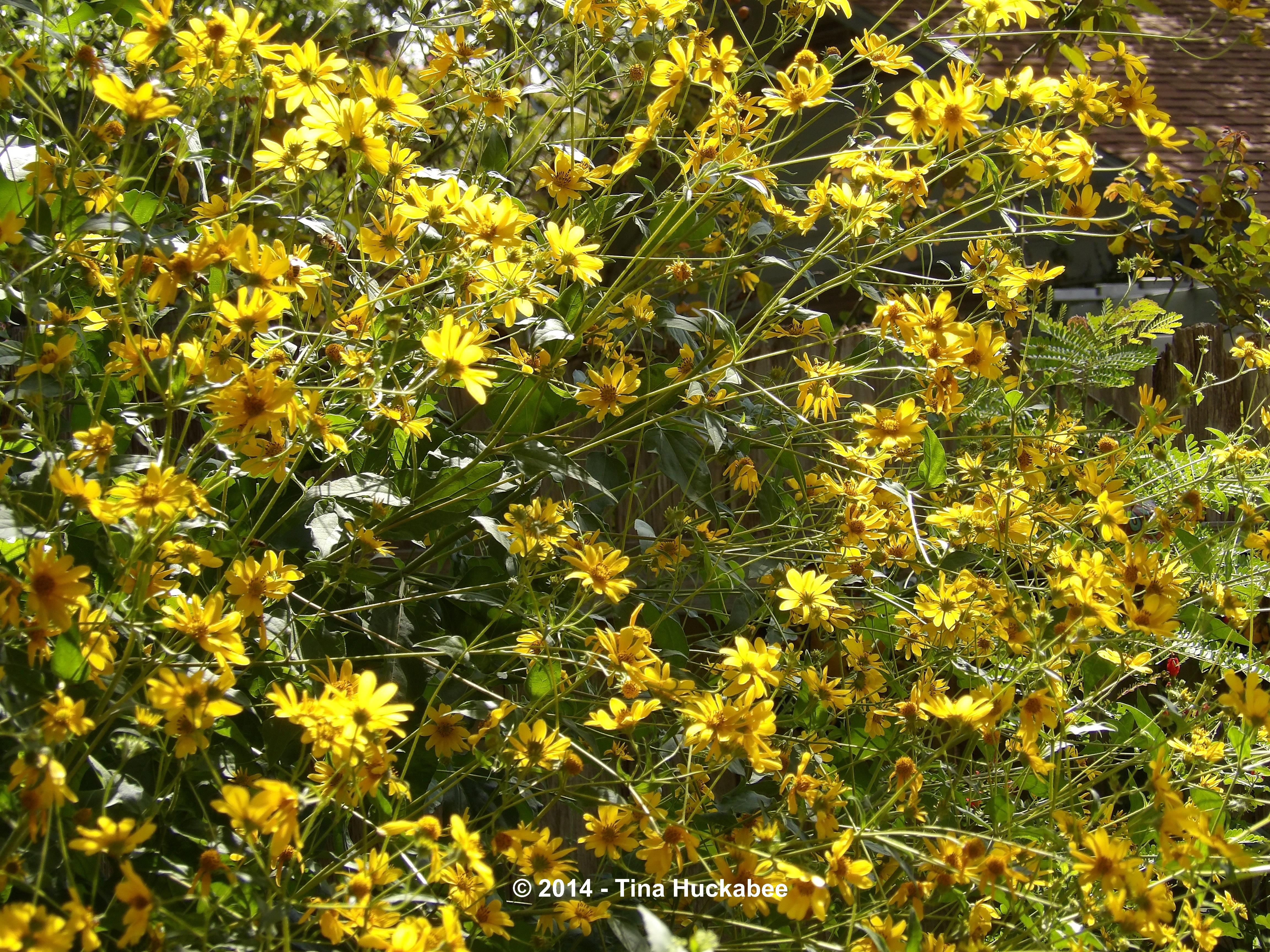
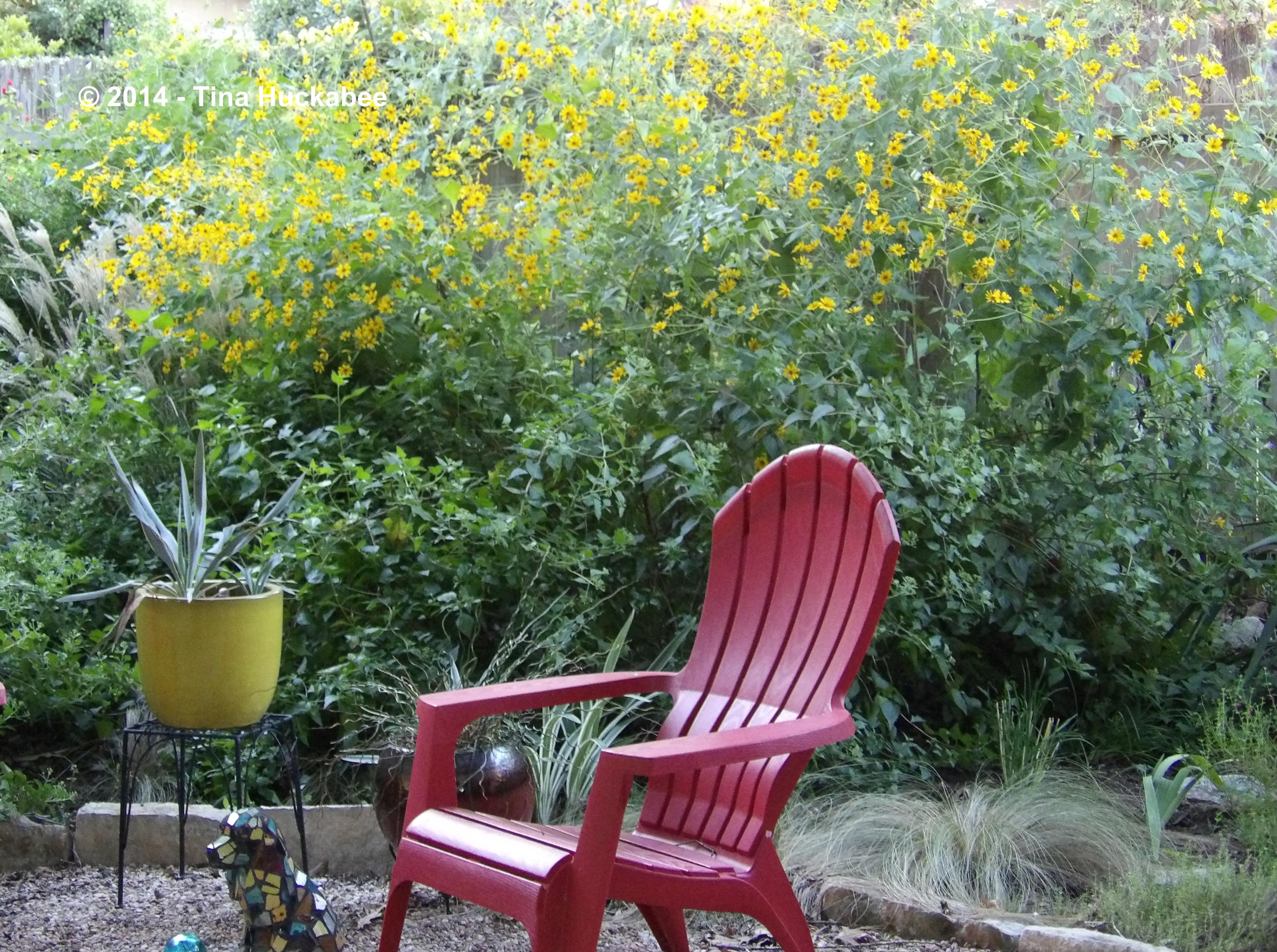
The GoldeneyeViguiera dentata, is photogenic in the fall garden.

IMGP1236.new

Another perennial which attracts its share of pollinators,

IMGP1241.new

…these pretty yellow flowers evoke glorious autumn sunshine.

IMGP1008_cropped_4129x3078..new

IMGP1342.new

They work and play well with other natives in my gardens,

IMGP1185.new

…like the Rock RosePavonia lasiopetala and Barbados Cherry. And who doesn’t love the tried and true combination of yellow and blue?

IMGP1277_cropped_3129x3382..new

This Goldeneye’s companion is the non-native Blue Anise Sage, Salvia guaranitica.  

The roses in my gardens are awake again after the heat of summer. I grow only water–wise antique or cultivar roses in my gardens.  If a rose can’t shrug off the heat and dry of the Texas summer, it’s out!  The Martha Gonzales Rose is one such beast.

IMGP1208.new

Named after a Navasota, Texas gardener, Martha Gonzales,

IMGP1204.new

…this rose is beautiful, fragrant, and tough. Martha grows in USDA zones 7a to 10b so it it’s appropriate in a wide range of situations.  If you only grow one rose, make it the Martha!

The Belinda’s Dream Rose, which is appropriate for USDA zones 5a to 10b,

IMGP1612.new

is the quintessential elegant pink rose. Fragrant and downright luscious, Belinda isn’t quite as hardy as the Martha, but still performs well for me.  Belinda gets a little peeky in summer, but picks up again with rain and softer temperatures.  Caldwell Pink Rose,

IMGP0975.new

looks dainty, but it’s no wilting beauty.  This poor thing, I’ve moved it four times–I think I’ve finally found its forever home.

IMGP1014.new

A migrating Monarch finds this Old Gay Hill Rose delightful,

IMGP1724.new

…and so do I.  Similar to the Martha Gonzales, the shrub is larger and the petals slightly (but only slightly) more pink than the Martha’s fire engine red petals.

I’m not a grow-only-native purest and host a number of non-native perennials in my gardens, like these Four O’Clocks, Mirabilis jalapa.  Considered a staple of the Southern garden, these are new to my gardens and were gifted to me by a gardening friend, TexasDeb at austin agrodolce.

IMGP1180.new

IMGP0856.new

IMGP0858_cropped_3419x3414..new

These lovely trumpets open late in the day, bloom all night, and close in the morning. Four O’clocks are fragrant and are such lovelies–I’m tickled to make room for them in my gardens.

Jewels of OparTalinum paniculatum, are another new-to-my-gardens perennial from TexasDeb.  Jewels are also an old-fashioned flower of the Southern garden.

IMGP1369.new

IMGP1380.new

I love the teesny flowers, the “jewels” seeds, and chartreuse foliage. Both Four O’Clocks and Jewels of Opar are potentially invasive, so I’ll keep them in check–ripping out uninvited extras who crash my garden party!

It’s now that my Coral Vine, Antigonon leptopus, shines,

IMGP1413.new

IMGP1415.new

…or is that a sparkle?  Whatever it is, the bees love this bloomer.

After each rain, the Almond Verbena, Aloysia virgata, flowers and its fragrance graces my garden.  Shown here in partnership with Turk’s Cap blooms, the Almond Verbena is favored by honeybees.

IMGP0918.new

My Almond Verbena is the anchor plant in a group of native shrubs and perennials.

IMGP0910.new

It fits quite well, I think.

Quoting another garden blogging buddy, Debra of Under the Pecan Trees,  we enjoy a “second spring” in Texas–a  lush blooming autumn gift, after the heat, when all, including gardeners, perk up anew.

What’s blooming in your gardens this October Bloom Day?  Check out May Dreams Gardens for blooms from everywhere.


I Grow (Some) Of My Own

I’ve enjoyed posts from participants of the “virtual garden club” Dear Friend and Gardener in recent months. Hosted jointly by Carol Michel of May Dreams Gardens, Mary Ann Newcomer of Gardens of the Wild, Wild West, and Dee Nash of Red Dirt Ramblings, this gardening club encourages gardeners who grow their own food and flowers.  The focus of Dear Friend and Gardener is on fruit, vegetable, and all manner of edible production, but can include ruminations on growing gorgeous flowers, nattering about native plants, or gabbing about garden design. By clicking on the badge to the right, you too can read adventures in edibles gardening and tales of culinary happenings.

My personal gardening interests lean primarily to learning about and experimenting with native Texas plants, water-wise landscaping, coupled with wildlife gardening. However,  I aim to produce some home-grown herbs and veggies.  It’s a mixed veggie bag for me because I don’t have many spots of full sun on my property, so my edibles real estate is limited.   This past year, I’ve experimented with growing vegetables, tomatoes, and herbs in a vertical garden, The Green Tower.  Click here to read about the design and building of our Green Tower (GT) and here, for a late summer update on how the GT worked as an edibles garden.

IMGP1595.new

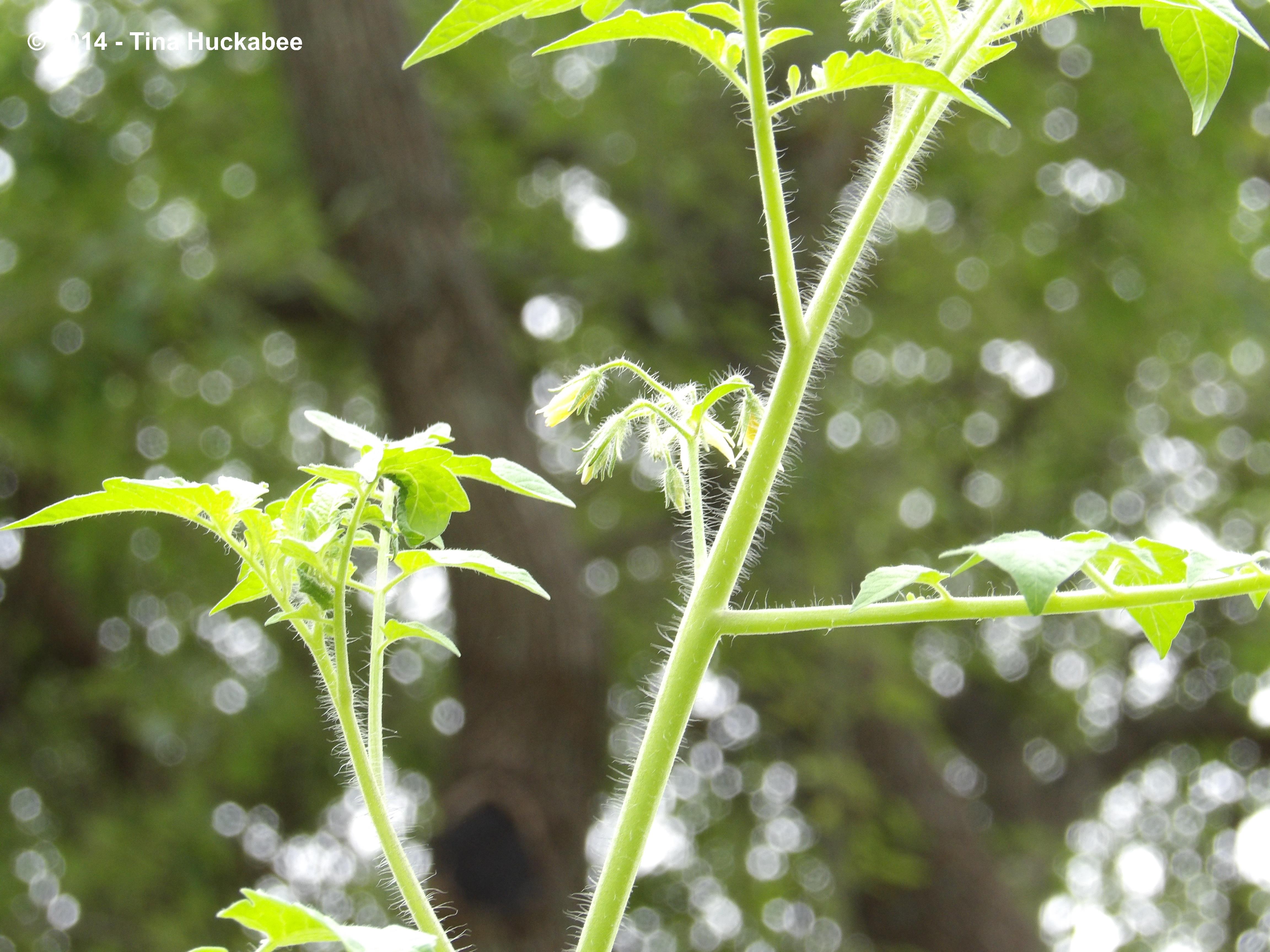
Currently, for the fall garden, I have planted one Cherokee Purple tomato, which has some blossoms,

IMGP1623.new

and a cherry tomato,

IMGP1584.new

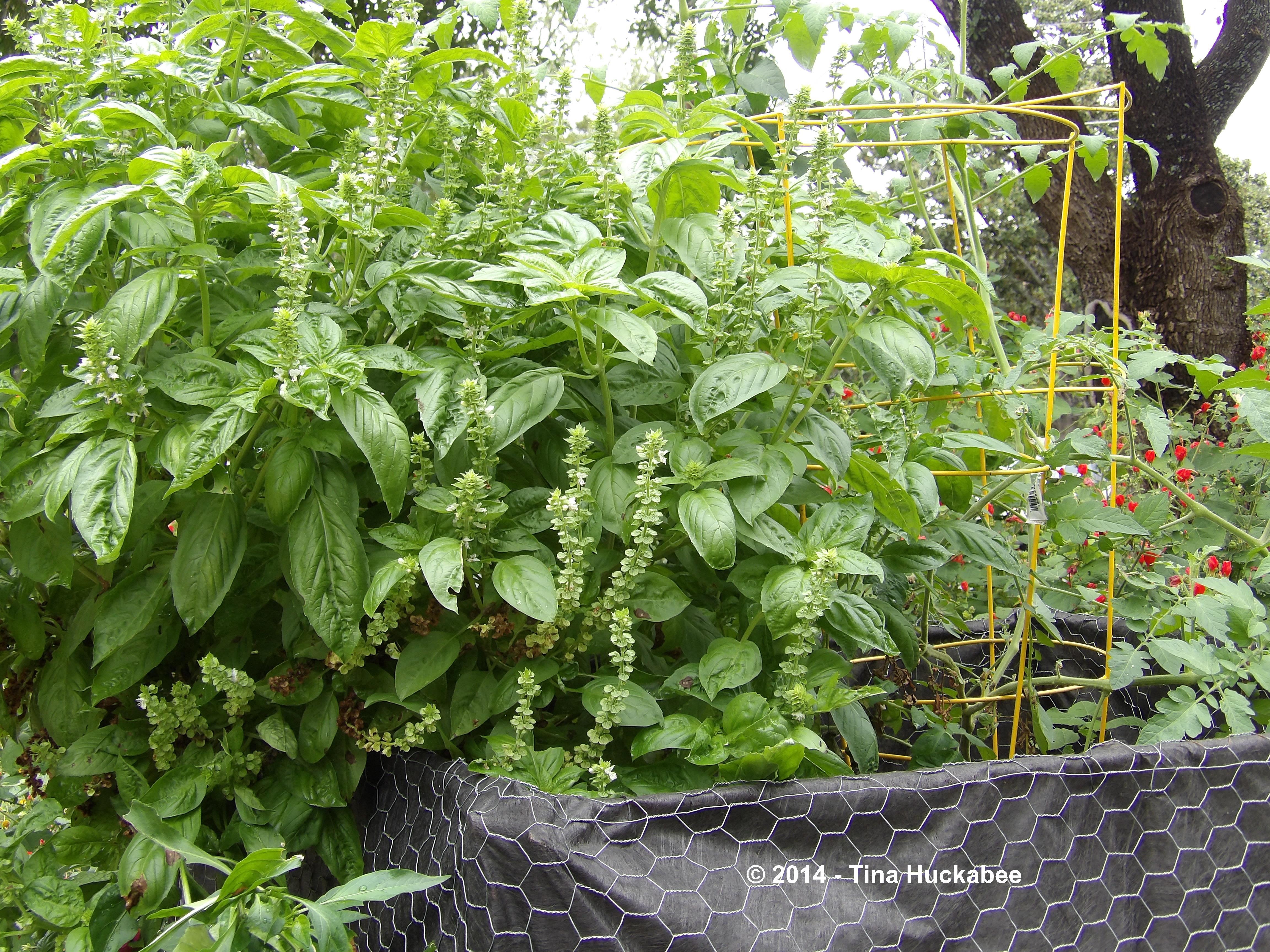
which has more blossoms.  The basil is crazy gorgeous,

IMGP1582.new

…I can’t eat enough of it. Really, I put those leaves in everything, it seems.  I think it’s way past time to make pesto.  Lots of pesto.

I left this pepper plant from last spring and it’s blooming,

IMGP1583.new

…but I’ll be surprised if it produces anything this late in the year.   The greens seeds that I’ve sprinkled on the top of the GT haven’t germinated at the rate that I’d hoped.  My plan was to seed three types of my favorite greens, let them germinate, then transplant to the sides of the GT for maturity and eventual harvest.  The plan might still work as we segue into cooler/wetter weather patterns, but so far, the Red Sails, Lactuca sativa, lettuce seedlings are the most successful,

IMGP1590.new

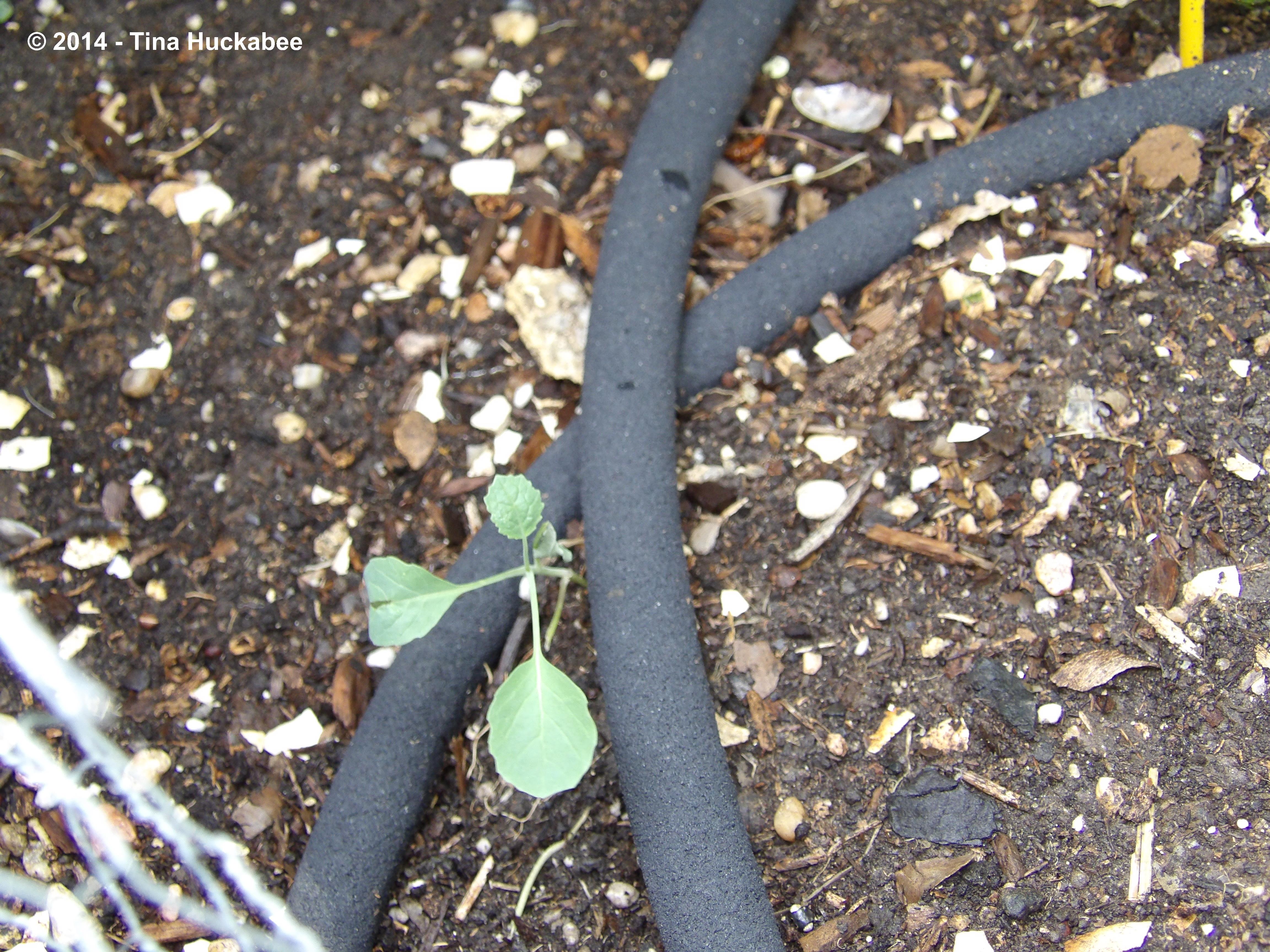
…and that’s not saying much.  The Italian Lacinato Kale, Brassica oleracea,  is a bit of a bust with a grand total of one seedling,

IMGP1591.new

…and it’s a big zilch for the Bloomsdale Spinach, Spinacia oleracea.  Ever hopeful, I’ve seeded out more of all of the above and here in Austin, it’s now consistently cooler and wetter–I hope.  Time will tell whether these greens will germinate and grow, but I can produce cool season greens throughout winter and into spring.

Aside from the honey that my little bees make (which really, I can’t take credit for) and some other herbs in planted in the perennial gardens, that’s it for me.  I like the idea of sharing my harvest, such as it is, with others–even if it is through cyberspace.

More about the fall/winter greens fest, if there is one, another time!